Guest post by Lisa Davies

Having set up the office to be able to work from home, and been successfully working from home for a week or so, I receive a phone call to say that I have been furloughed with immediate effect. So what should an amateur pianist do to fill all these spare hours?

The answer is a no-brainer – PRACTICE!   So in line with Government restrictions, a routine soon built up: two hours in the morning followed by a walk (weather permitting) at lunchtime, another couple of hours in the afternoon, and then watch the ‘Rocky Horror Show’ from Downing Street at 5pm.

I am very lucky in as much as I have a brilliant piano teacher who foresaw exactly what was going to happen and helpfully suggested that perhaps it would be a good thing to abandon what I was currently looking at and learn a Beethoven piano sonata instead; he suggested Op 110 as it was a wonderful piece and had enough to keep me occupied and on the straight and narrow (if only he knew!) for the time being.  So I immediately ordered the Urtext edition, which duly arrived on my doorstep within 48 hours – and so the fun and games began.

After the initial read-through to get the overall feel for the piece and see how it was to be tackled, it was down to the nitty-gritty.  Out came the notes from the various piano courses I had attended with a view to putting all these different learning techniques in place – break it down, isolate the actual problem and get out the metronome, etc.,  and soon recognisable strains of Beethoven were emanating from the house.

So the ambitious plan was set – try and get through the whole sonata by the time I have my next lesson, whenever that would be.  The main reason I had avoided this piece like the plague was that it had a fugue or two in the last movement; however, with enough graft it should EVENTUALLY start to take shape and I was told that I couldn’t use the excuse that my hands were on the small side – so just get on with it.

Beethoven-Piano-Sonata-No.31-in-Ab-major-Op.110-Analysis-1
The opening bars of Beethoven’s piano sonata in A flat, Op 110

Now, having a practice regime is great but my husband and neighbours are not used to the constant aural bombardment.  So far they have been very polite about it and one has even provided my husband with a man-cave to retreat to.  I am sure they are all looking forward to me going back to work, whenever that might be, but in the meantime, I need to be considerate about the length of time that they have to put up with the noise and also the time of day it is inflicted on them.

As well as a superb grand piano, I am very lucky to own a Roland keyboard and this has really influenced the way in which I practice.  With a set of decent headphones, the sound is great but it also has a secret weapon – an internal electronic metronome which can’t be thrown at the wall when it doesn’t keep time with your constant internal clock!  So I can practice day or night without disturbing anyone (although I believe you know when I am playing as you can hear the noise of the keys being depressed over the top of the TV downstairs!)

Many hours of fun and bad language followed (particularly when tackling the fugues in the last movement) and then to prepare for a piano lesson with a difference – via Skype!  So a date was set and software tested with a neighbour, and come the day we couldn’t get a connection on the laptop.  But where there is a will, there’s a way. Abandon the laptop by the grand piano and use the keyboard with the mobile strapped to the top of the handle of the hoover!  I was more worried about our stack of towels by the keyboard being visible than Op 110….

Several weeks on and Skype has been mastered and the laptop is now behaving – shame about the pupil.  I am getting used to playing to a laptop balanced on a bar stool – shame there’s no bar! – and having my lesson at home with all the distractions that brings with it.  If anyone thinks piano lessons by Skype are a doddle – think again.  They work in a totally different way and are very productive, although I have yet to be convinced that pedalling is totally covered.  I still wonder if there is any possibility of rigging up YouTube and using a professional recording one week instead of me….nice thought!!!!!!

In the meantime, the horrendous disease that has been incarcerating us all seems to be receding and so, if all goes to plan, I will be attending piano masterclasses in France in late August.  Usually, I spend months preparing and memorising what I am going to take, but this year is different: the choice has been made for me – a certain Beethoven sonata.  Can I prepare it in time? Only time will tell, but due to an enforced lockdown routine, the notes are learned and it is now being memorised (slowly!).

So what have I learned over the lockdown?  On the surface the answer is very easy – Beethoven’s Op 110.

However, there is a deeper answer to that question. We have all been housebound for several months and there are people I know who have really found this period very difficult.  But at a time when the arts are suffering through lost performances, music is being cut from schools and rumours that it could be cut from curricula in the short term to make up for the loss in the Three Rs, music is a subject or way of life that gives you a code for living.

Music demands dedication – you have to practice. In order to practice you need patience, thoughtfulness and tolerance.  In the society in which we live, we need all of these in spades – particularly now.  Surely people must realise that music teaches you about life and not just the pieces for your next exam or performance?


Lisa started learning the piano at 10 and, having decided that riding professionally was not for her (or rather her parents!), she auditioned for a place on the GR Course at the Royal Academy of Music, where she studied the piano with Peter Uppard and Margaret Macdonald. On leaving the RAM, she did a short part-time stint at the Guildhall School of Music & Drama before going to work as a Director of Music at a prep school. However, the lure of the bright lights of the big city and her family relocating to the UK were too much of a draw and Lisa ended up moving back to London and working in the City for many years. She married and moved to the South West, competed in Endurance Horse Riding at the highest level both at home and abroad, and worked for a number of blue chip companies in various roles. She has recently come back to playing the piano after a gap of 30 years. Lisa is now making up for lost time and tackling all the repertoire she should have looked at years ago!  

In this guest post, pianist and teacher Helen Reid outlines her approach to teaching and the creation and ethos of her new online piano courses for advanced pianists.


The route towards creating this course – primarily during lockdown, though the idea has been in my mind for some time – has been a fascinating one. Many people have talked about lockdown being a time of creativity, and social media has seen no shortage of incredible video montages and moving living room performances. For many, however, that hasn’t been the case, and indeed the very proliferation of musical offerings on social media platforms has been confusing. Many musicians have felt the uncertainty of the next performance date putting them off playing their instruments altogether. For some, financial fears have far outweighed the desire or ability to think creatively. I found myself falling somewhere in the middle. I struggled to play the piano for myself, but the shift to online teaching, despite the crazily quick need to adapt, also inspired me to expand my teaching skills and techniques. In addition, having to find different ways to motivate students who were no longer going to perform their end of year recitals was a very interesting and important challenge, and I found that no two student routes were the same.

For some students, being released from the pressure to take the exams has allowed more time to work on technical issues around the pieces they were playing. We have explored the musical context in more depth and looked at issues of mental practice and preparation. Other students were excited about their performances and we have had to look at ways of adapting emotionally to the disappointment, devising alternative performance plans, both during and post-lockdown. I have considered this such an important responsibility to my students, to respond to each situation individually, and of course this is what we should aim for continually as teachers.

For many years, I have loved the idea of creating courses which place solo piano at the core and yet encompass many different facets. Just as we talk about portfolio careers, students (both young and old!) can benefit from a ‘portfolio course’. There are so many different skills needed to succeed as a musician. One has to be sensitive to produce beauty in performance, yet have an armoury to deal with the different types of rejection which might occur as a result of auditions, competitions and so on. Musicians must spend many hours in isolation, and yet also be happy in company, travelling to play concerts in varying locations, with different musicians and new audiences. Marketing and networking skills are important; teaching skills will more often than not be needed – the list continues. Lockdown encouraged me to put my thoughts into action, and to take time to create something which I hope can continue when normal life returns.

As Course Leader of the Professional Studies course, delivered to all the first years at the Guildhall School, I am acutely aware of how we must respond to the current situation in the content of what we offer our young musicians. We must give them the skills to help them on their way to a successful career at what is a very challenging period for music making. I am determined to address this with a sense of excitement and potential.

At the Guildhall School, I also work as a mentor on the PGCert in Performance Teaching. In 2014 I created an early years’ curriculum for 3.5 to 7 year olds, building a musical foundation in a holistic manner (www.blackbirdeym.com). I have contributed and led several research projects, primarily around the health of musicians. For the last six years, I have taught piano and accompanied recitals at Bristol University, as well as working privately with advanced students. I wanted to create a course which could combine all these aspects, and respond to some of the issues which arise frequently among my piano students.

The new online courses I have devised consist of focused one-to-one lessons, working on whatever the student wishes to bring. These are complemented by webinars, looking at issues such as structuring practice and other practice techniques, fulfilling potential in performance, keeping our body and mind healthy as musicians and considering how we communicate through our music performance. The webinars are also influenced by questions posed by the students during the course, so that we gain the benefit of exploration as a learning community. In addition, Dr Jonathan James delivers webinars looking at the wider musical context – exploring Bach’s 48 Preludes and Fugues and Beethoven’s Sonatas, for example. Jonathan is a fine speaker and I know he will bring an extra dimension to the courses. The students receive ongoing email support, so that they can ask advice or make suggestions as things occur to them during the course.

The first course takes place in June and is for Advanced Adult Pianists. The following two courses for advanced pianists will start in July and September, with the September course running all the way until Christmas. I was initially sceptical about online teaching, as I think perhaps we all were, and I was very nervous about how the first few lessons might go. However, given a reliable connection, I have found that it has enabled me to build more creativity into my teaching. This has been an exciting personal development and beneficial to my students. The current situation is a challenge for all artists, but the potential is there to connect with people all around the world, and expand our skills and understanding.

For more information on the courses, please visit helenreidpiano.com or email helenreidpiano@yahoo.co.uk


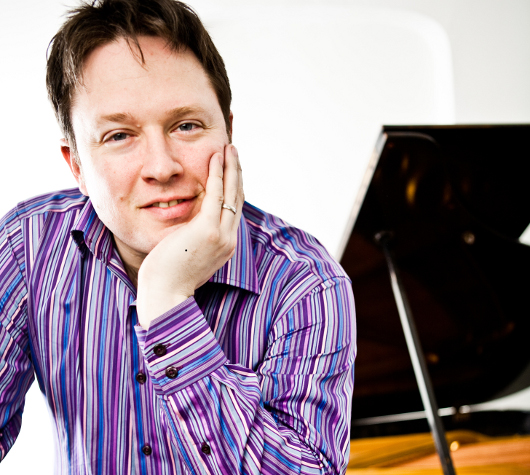
publicity photo.jpg.cropped525x195o73,-13s377x259Helen Reid first came to public attention when she appeared on BBC2 in the National Keyboard Finals of the BBC Young Musician competition in 1998. In 2000 she won first prize in the Karic International Piano Competition. In 2006 she was hailed as a ‘rising star’ in The Independent magazine.

Helen has given recitals all around in England, at venues including the Wigmore Hall, Purcell Room, Fairfield Halls and Blackheath Halls, London, St. George’s, Bristol, Cheltenham, the Bridgewater Hall, Manchester and the Aldeburgh and Buxton Festivals. She has performed in Spain, Slovakia, Hungary, Germany, Austria and the Czech Republic. Concerto performances have included Rachmaninov’s second Piano Concerto with the Westmoreland Orchestra and Gershwin’s Rhapsody in Blue with the Aurelian Ensemble at Blackheath Halls and the world premiere of David Matthews’ Piano Concerto, at Dartington International Summer School. Helen has played a wide range of chamber music, with artists such as Paul Archibald – trumpet, John Kenny – trombone, Sheida Davis – cello, and Fenella Humphreys – violin.

Helen studied at Chetham’s School, Royal Holloway University and Cologne Music College, completing a Master’s Degree at City University and the Guildhall School of Music. She is currently professor of piano at Bristol University; runs the Professiona Studies course at the Guildhall School of Music and Drama, and has been invited to give masterclasses at Gdansk Conservatoire, Wells Cathedral School; The Universities of Bath, Royal Holloway and Hull, Dartington International Summer School and Pro Corda.

Future plans include an exciting new solo programme – Visions of Night, featuring music by Poulenc, Martin Butler, Michael Berkeley, Faure and Schumann. Currently booking for 2020-22.
“Heaven on earth for pianists”

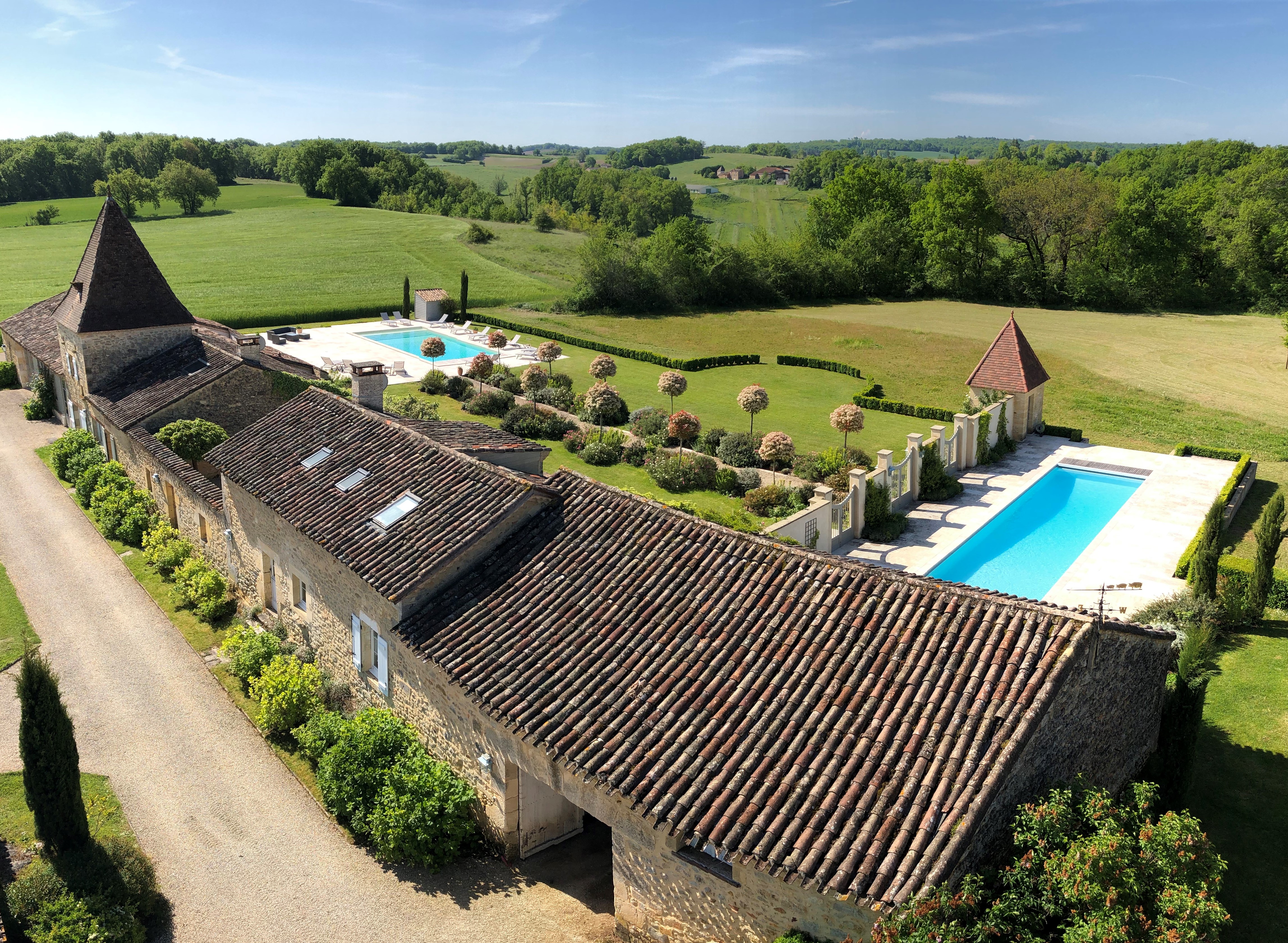
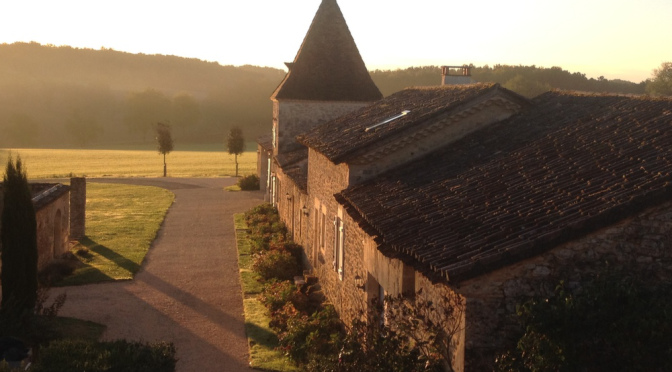
Now its sixth year, La Balie, nestled in beautiful rolling countryside in south-west France, offers a very special kind of experience to adult pianists. The brainchild of former investment banker Fiona Page, in just a handful of years La Balie has become a go-to musical destination for pianists from all around the world, and the summer courses are now an established part of the piano calendar, a fact recognised by Pianist magazine in 2019 when it named La Balie in its top 10 piano courses and festivals around the world.

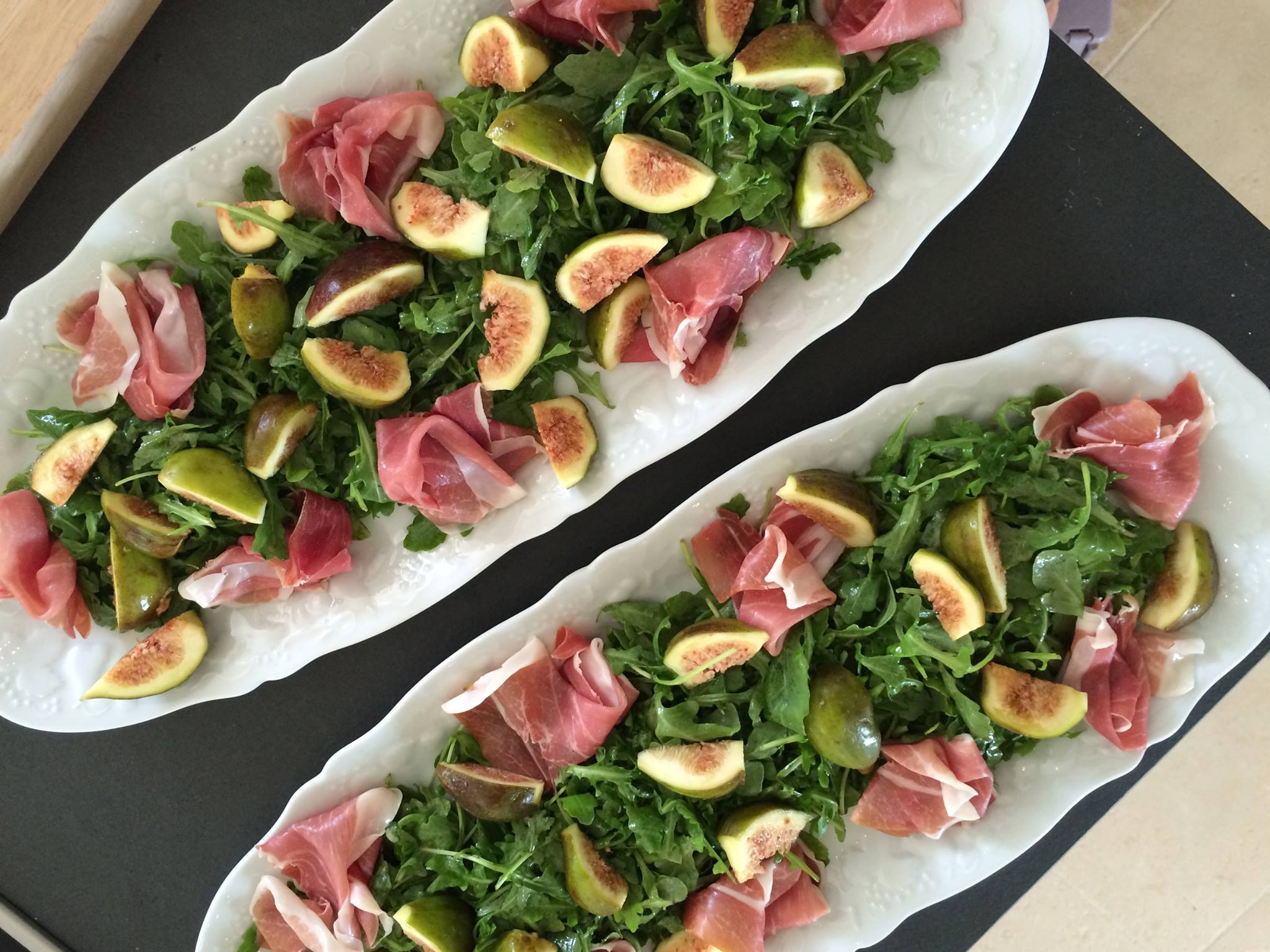
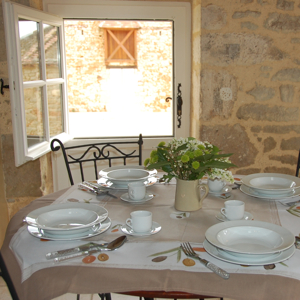
Much more than a ‘piano holiday’, La Balie offers unrivalled luxury accommodation, gourmet food prepared by an in-house chef, a friendly convivial atmosphere, excellent practice facilities and, above all, expert and supportive tuition from internationally-renowned pianist-teachers.

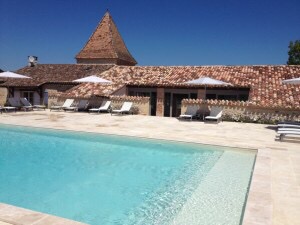
Created with taste, expertise and passion, the secret of La Balie’s success is an emphasis on personal attention and exceptional teaching. With three masterclasses, two individual lessons and recital opportunities for each guest, everyone is scheduled to play on each day of the course – an important consideration for anyone attending a piano course. Guests usually choose three pieces to study in their masterclass sessions with additional pieces selected to perform in the evenings and at the end of course concert. The courses are devised to be intensive and to equip each guest with a meaningful set of skills to encourage confident independent learning and productive practising on returning home. They are also designed to be fun and to provide plenty of time for both practice and relaxation – and who can resist La Balie’s gorgeous saltwater pool on a hot summer’s afternoon, the air heavy with the scent of lavender?

The atmosphere is in no way competitive….but instead full of mutual support and pleasure in the progress of others

Graham

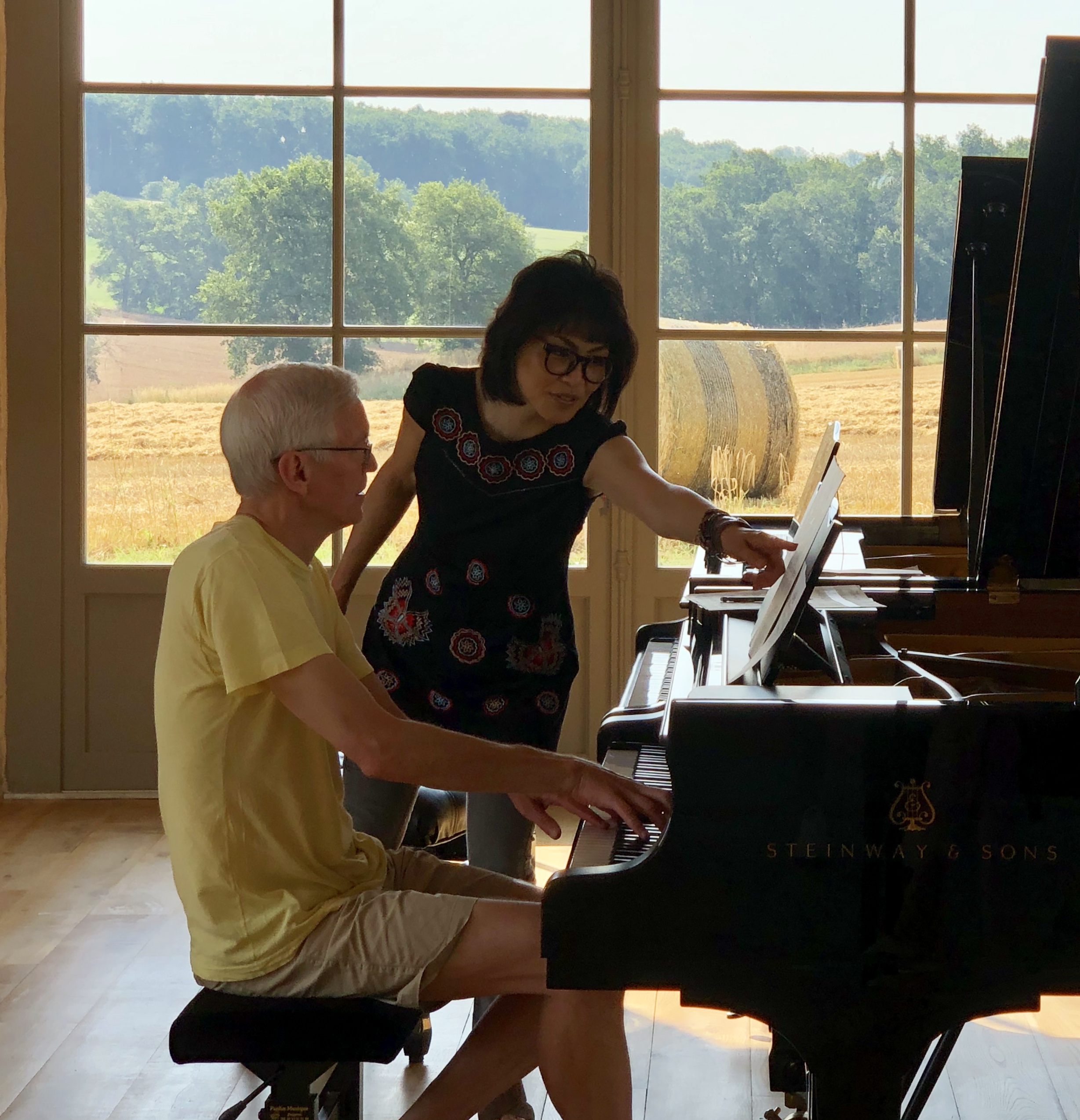
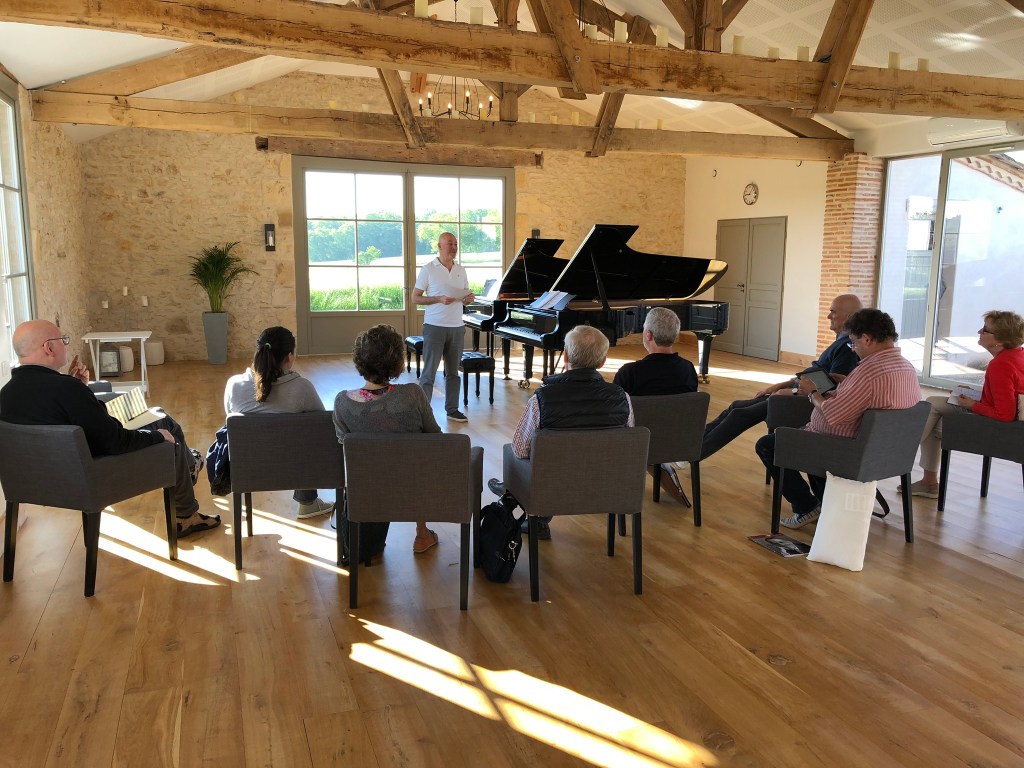
Teaching and concerts at La Balie take place in a light-filled, air-conditioned studio, complete with a magnificent Steinway D piano (a rarity amongst piano courses in France), and a second quality grand piano for demonstrating and piano duos. The room also has a superb recordable acoustic, which only enhances the quality of live performances, and offers students and tutors a really special space in which to play.

The Studio at La Balie

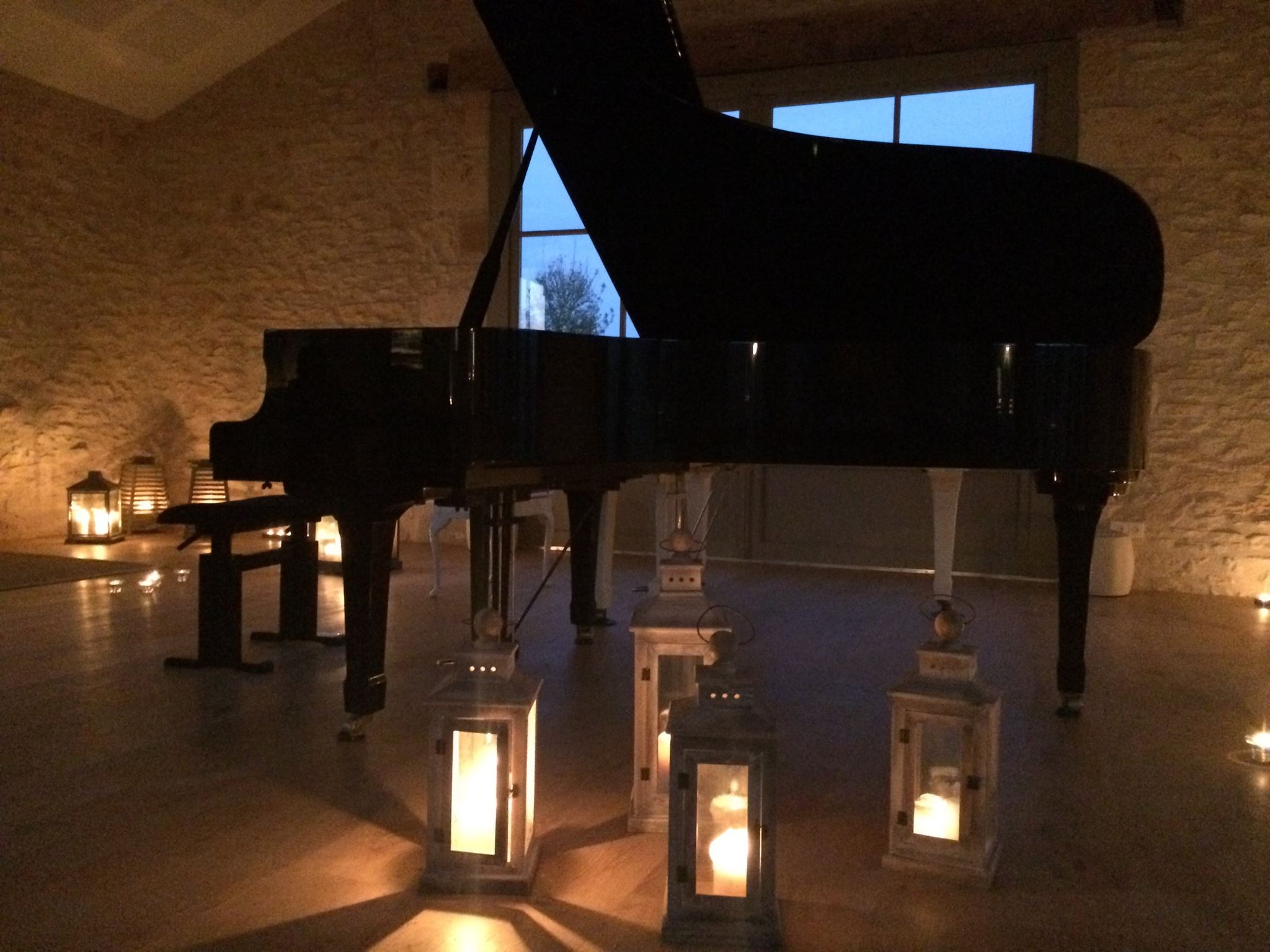
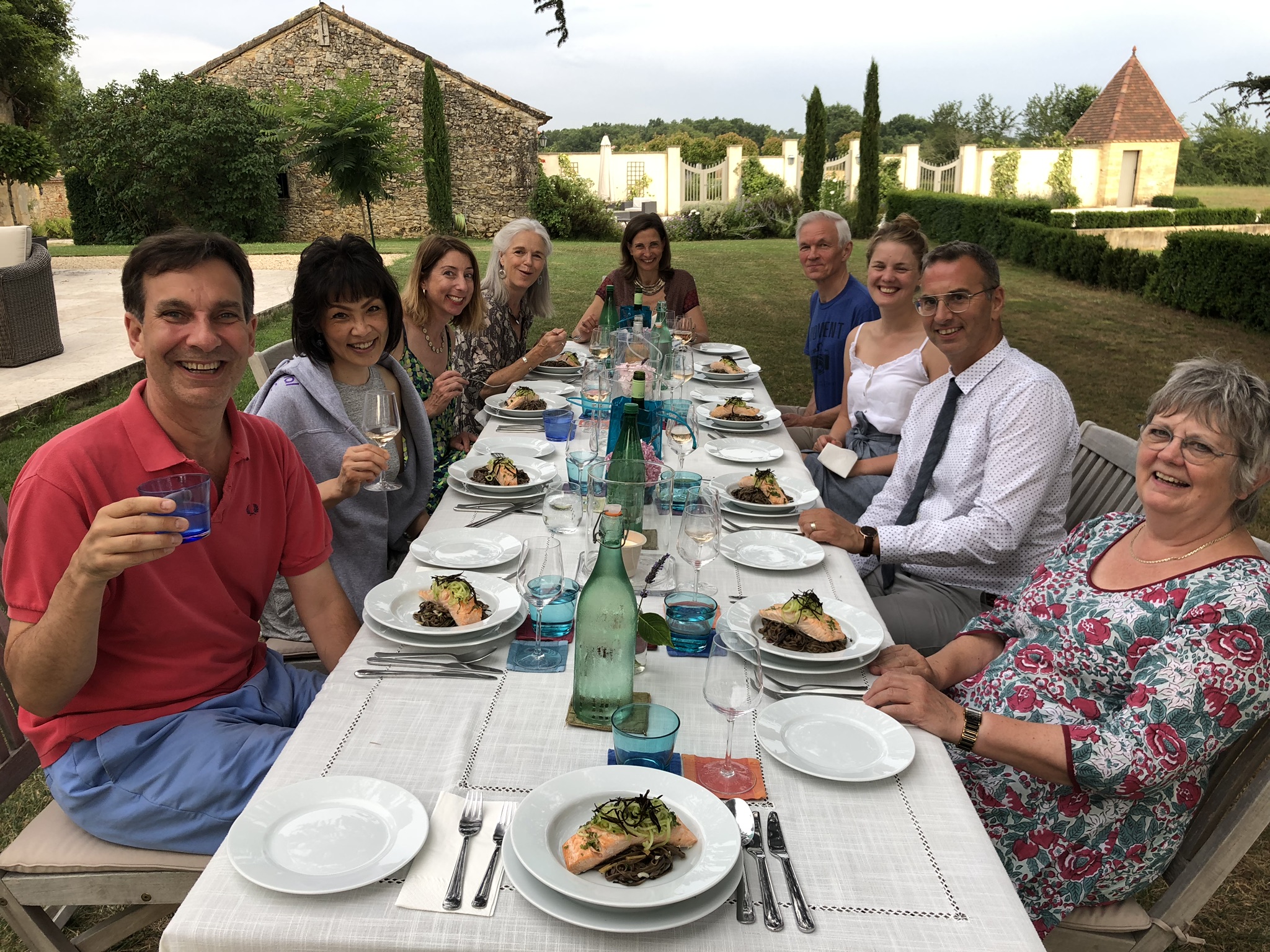
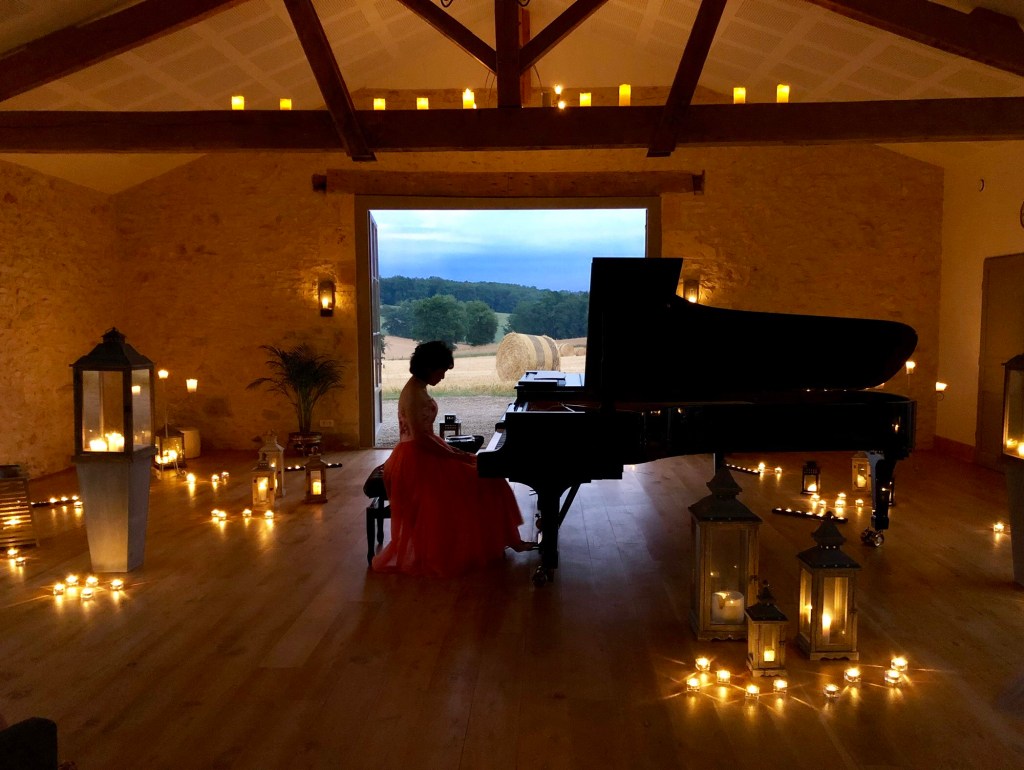
After daily tuition and practising or relaxation, evenings begin with an informal “aperitif concert” where guests can hone their performance skills and enjoy playing to a friendly, sympathetic audience. Dinner follows, taken al fresco in the attractive garden with delicious freshly-prepared food, fine local wines and a magnificent cheeseboard. There are also two tutor recitals during the week, one of which is held, atmospherically, by candlelight later in the evening, the piano’s sounds dissolving into the night sky….

Concert by candlelight with Noriko Ogawa

One of the chief attractions of a piano course is the opportunity to connect with other pianists. Playing the piano can be a solitary activity and a course is one of the best ways to meet other pianists, hear one another play, share repertoire, indulge in piano chat, and have fun while learning. Firm friendships are forged at La Balie, with many participants returning year after year, not only to enjoy the expert tuition but to catch up with piano friends. This conviviality is further enhanced by piano meetups, performance platforms and masterclasses hosted by La Balie in London throughout the year.

There was a tremendous sense of camaraderie and solidarity….. everything was beautifully done and impeccably organised: an artistic achievement in itself

Conrad

I felt the luxury of learning with an inspired teacher/performer who really drew his students into this magic of the piano

Lynnette

For 2020, La Balie boasts an impressive quartet of tutors – Charles Owen, Noriko Ogawa, Vedrana Subotic and Martin Cousin – who between them will run six courses from early May to the end of August. Guests are guaranteed a warm welcome, superb tuition, wonderful accommodation and food, and, above all, the chance to indulge a passion in a truly magical, inspirational setting that will send you home with renewed focus and enthusiasm.

2020 Courses

6-13 May – CHARLES OWEN

24 -31 May – 2020 VEDRANA SUBOTIC

4 – 11 June – 2020 NORIKO OGAWA

17 – 24 June – CHARLES OWEN

10 – 17 July – MARTIN COUSIN

23 – 20 August – MARTIN COUSIN

Booking is now open – please visit the La Balie website for full details


The adult ‘returner’ pianist

I’m a returner pianist – and maybe, if you’re reading this article, you are too and therefore what follows will chime with you. Or perhaps you are thinking of taking up the piano again after a long absence (as I did), in which case you should definitely read on…..

I played at a piano club recently and during the coffee break someone asked me if I was “a professional pianist”. This gave me a momentary glow of pride – evidently I had “made an impression” – and I know that many amateurs dream of reaching the dizzy heights of ‘professional standard’ in their playing. It’s one of the things that keeps us motivated to practice; alone with that box of wood and wires we dream of playing to a full house to the Wigmore or Carnegie Hall.

So I replied that no, I was an amateur pianist, an adult ‘returner’ and that I had given up the piano at the age of nineteen, returning to it just shy of my fortieth birthday with an all-consuming passion for the instrument, those who play it and its vast and varied literature. (You can read more about my return to the piano at the end of this article.)

The world of the adult amateur pianist is a curious one – at once rich, vibrant and varied, but also obsessive, anxious and eccentric. But above all, it is inspiring, and in my encounters with other adult pianists, through my piano group and on piano courses, I come across myriad stories of triumph over adversity, personal tragedy and dogged determination, of unhappy childhood lessons abandoned only to rediscover the joy of the piano later in life, of exam successes and failures, the frustrations and pleasures of practicing, and the fear and thrill of performing, but what runs, fugue-like, through all these accounts is a genuine and often profoundly deep passion for the piano.

When you tell people you’ve taken up the piano again they always ask, “Are you any good?” And I never know quite what to say. Some days when my spirit and fingers are in sympathy with each other, I think I make a reasonable sound. On other days, spirit and fingers aren’t on speaking terms and the result is fumbling, dismal, depressing.

Alan Rusbridger, journalist and amateur pianist

When I put out a call for contributions to this article via Twitter, I was deluged with responses, as varied, fascinating and moving as the literature of the instrument we play. What follows are just a few of the responses, but what they demonstrate is that, while there are some obvious common threads, our reasons for returning to and playing the piano are often deeply personal and hugely meaningful to us as individuals, and that our passion for the piano is all-consuming. Never forget that the word “amateur” derives from the Old French word meaning “lover of” from the Latin amator: all the amateur pianists I meet and know play the piano because they love it and care passionately about it. Our love drives our commitment to the instrument – amateur pianists are possibly the most dedicated practicers – and many of us are absorbed by a compelling need to get better, to progress, to master. It’s a lonely road to travel, which is why piano clubs and courses are so popular for the opportunity to meet others who are similarly driven and obsessed. Those of us who commit to the journey do so willingly; it’s an ongoing process, one which can provide immense satisfaction, stimulation and surprising creativity.

musical20instrument20piano20with20decoration20garland20of20hearts20concept20love20wallpapers204

That is not to say that professional pianists don’t love the piano too – of course they do, otherwise they wouldn’t do it, but a number of concert pianists whom I’ve interviewed and know personally have expressed a certain frustration at the demands of the profession – producing programmes to order, the travelling, the expectations of audiences, promoters, agents etc, which can obscure the love for the piano. Because of this, professionals are often quite envious of the freedom amateur pianists have to indulge their passion, to play whatever repertoire they choose and to play purely for pleasure.

Now, back to those inspiring adult returners…..

My primary reason for returning was that both my parents had lived the last ten or twelve years of their lives with advancing dementia, as well as some second degree relatives. I thought the best way to really work my brain was to go back to playing music. The secondary reason was to help relieve stress which was something my piano teacher had told me I would need at some point in my life……For me, having started to suffer the lacunar strokes in my family history which have a type of dementia related to them, I keep hold on the fact that the part of the brain the works with music is usually the last to fail. I still feel that playing the piano is probably one of the best avenues to take to keep working the brain. Apart from that I simply love playing again. – Eleanor

It was the death of an uncle which prompted me to return to the piano. He was very musical, and after he died my other uncle asked me whether I would like his piano, a rather fine Steinway grand which had been in the family for ages. However, grand pianos are somewhat incompatible with the three bedroom semi in which I live, but it did remind me how much I’d enjoyed the piano. I was lucky enough to be left some money in his will, and with that I bought a Yamaha upright with silent system fitted. I wanted a proper acoustic, but I have young children so a silent system means I can practice at night after they are in bed. I have lessons once a fortnight and they are completely indispensable for my enjoyment

– Sarah

I studied music at university and did two years of a performance major but struggled with various chronic injuries and dropped out as a result (I had two operations and had seen many medical specialists in attempt to resolve these problems). I then “sold my soul” to capitalism and started a business, following which I continued along a corporate career. I had always dreamed of getting back into playing but my schedule was punishing and not at all conducive to playing. I started to play again and unfortunately ended up with RSI (tennis elbow) which swiftly ended my return to playing. Then a few years later I managed to extricate myself from the corporate world and…..I managed to start playing again and although I had some niggles from the RSI, was able to play around 0.5 – 1 hrs a few days a week. I also started going for lessons with [a teacher who] focussed very much on reducing tension…..and I realised how much of my injuries came down to poor technique and tension. I wish a greater emphasis had been placed on this when I was a music student because while [my teacher] helped me find a much more natural, comfortable way to play, it was already too late and my RSI flared up again to the point where a few minutes of playing would leave me in agony for days. It was devastating after so long of trying to be in a position to have the time to play that I wasn’t able to. A few years later (whilst consistently seeing medical specialists and trying various approaches) I managed to have a breakthrough in which I was able to slowly start playing again, a few minutes every second day and was able to gradually build up. This was a useful exercise in that I had to be more focussed on practising effectively given the limited time available. Despite being told by numerous doctors that I wouldn’t play again, I’m now able to play for up to an hour on some days. This has been sufficient to learn some new repertoire and to perform in some amateur meet-up groups which has really been a wonderful experience. In fact, once I was able to let go of the inner critic (as a former music student, the inner critic remains highly developed even though one’s technical ability wanes without practice!), I couldn’t believe how much I enjoyed playing. It would have never have occurred to me all those years ago when I dropped out of university that I’d be able to derive so much enjoyment out of playing as an amateur.

– Ryan

I originally started piano lessons aged 13, of my own volition; I’d had one of those 80s electronic keyboards that were all the rage back then, and wanted to progress to something more substantial. My progress was very slow, however, and ultimately not very fulfilling. I managed to pass my Grade 1 but found the exam experience stressful. I think a lot of it had to do with the prescriptive way children are typically taught: everything was just scales, sight reading and set pieces that weren’t especially fun or engaging to play. Nearly twenty years later, I was in a piano bar on holiday, and the pianist was playing modern music set to piano. It was beautiful, and I felt a sense of regret that I had abandoned such a beautiful instrument. On returning home, I did a spot of research and found that digital pianos had come on a long way in the intervening years and were now touch-sensitive with weighted keys and even a sustain pedal. I took the plunge, ordered a decent model (the Yamaha P115) and signed up for lessons with a local teacher. It’s been a wonderful decision, and I have fallen in love with playing. It’s still small steps, but I practice regularly and have actively witnessed improvement in my own playing.

– Colin

I discovered classical music as a teen (Bach) and started taking lessons. I wanted to be a composer, and eventually became a composition major at a local university. Having started late, and not having received family support and good advice from those who did support me, I let my insecurities defeat me, and I ended up getting a degree in English. Decades later, we inherited a spinet from a relative, and I found my passion once again. I finally have a good teacher, and am making progress toward being the pianist I wanted to be.

– Bob

And what of me, the author and creator of this blog who through my activities tries to support and advocate for amateur pianists? Discouraged from applying to music college with the suggestion that I wasn’t “good enough”, I threw myself into other studies (Medieval English), followed a non-musical career path for 10 years, while setting up home, getting married and starting a family. But in my late thirties, when my son was about eight, my mother bought me a digital piano and urged me to start playing again. So I dug out the music I had loved as a teenager – music by Bach, Mozart, Beethoven, Schubert, Debussy – and also some I had hated: Chopin’s Nocturnes. I fell in love with Chopin’s music; coming at it as an adult with a greater degree of life experience, I found it vivid, beautiful, passionate, poignant – and incredibly satisfying to play. I also returned to Schubert’s Impromptus and Moments Musicaux, music I’d first started playing (badly!) at the age of about 12 when my mother bought me an Edition Peters score of this music, having heard Alfred Brendel play the Impromptus in concert. Within a couple of years, I was teaching piano to the children of friends and acquaintainces I’d met via my son’s primary school, and in 2007, my husband bought me a proper acoustic piano. The instrument arrived, and I spent hours and hours playing it and learnt the first movement of Schubert’s final sonata – in a day. Within eighteen months I was having lessons again with a sympathetic teacher who improved my technique beyond recognition and built my confidence. When she suggested I start looking at Chopin’s Etudes and Ballades, I knew I had reached a significant point in my piano journey – I felt I was now a “real” pianist – and she supported my decision to take a professional performance diploma (in fact, I took two and passed both with Distinction, under her guidance). Meanwhile, I had started writing this blog, initially to record my thoughts about the experience of playing the piano again, music I was enjoying at home and at concerts. (I had no notion of how successful and popular this blog would become in the subsequent 10 years.) Today I work in music: I’m not a professional pianist, but I am a ‘music professional’ (a writer, blogger, teacher and, more recently, a publicist working with musicians, and concerts manager), and everything I do now goes back to that decision to return to the piano at the age of 39. I’ve forged firm friendships through piano courses and clubs, and made significant connections with professional pianists, teachers, bloggers and others, and I know I would not given up this life for anything now.

My piano journey has been relatively straightforward compared to some of the accounts of other adult returner pianists, but we are all on our own personal path, some of us supported by teachers, others choosing to “go it alone”, but all driven by a common, consuming passion for the piano.


If you have enjoyed this article, and other content on this blog, please consider making a donation