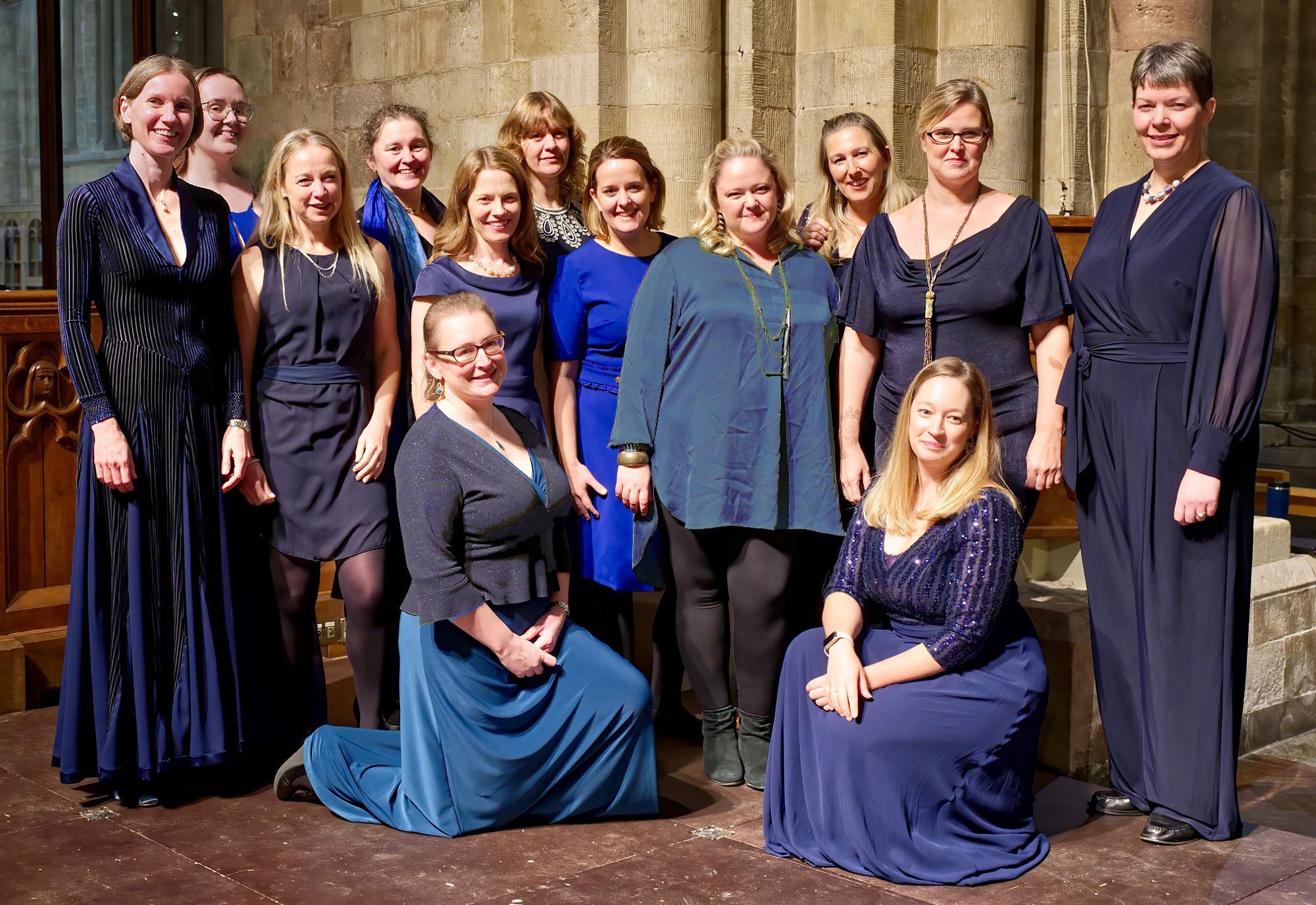
For over seven decades, a powerful piece of British musical heritage has sat in the shadows. But this July, the all-female vocal ensemble Corra Sound is set to change that. In a landmark project, the choir will perform and produce the world-first professional recording of Ruth Gipps’ dramatic cantata, Goblin Market.

The concert will take place on Friday, 3rd July at Holy Trinity Church, Guildford. A pre-concert conversation with Gipps’s daughter-in-law Dr Victoria Rowe and prominent writer and critic Jessica Duchen, offering a rare glimpse into the life of a composer who was once a “formidable force” in a male-dominated industry. The musical programme will also feature settings of Christina Rossetti’s poetry by other notable 20th-century composers, celebrating a threefold celebration of female creativity.

The landmark recording, partnering with the Great Little Orchestra and Convivium Records, will take place on Saturday 11th July with a release date scheduled for early 2027. Corra Sound has launched a crowdfunding campaign to support the production costs of the performance and recording, inviting the public to contribute to the project, helping to bring this important work to a global audience.

This venture marks the historic and long-awaited world premiere recording of this powerful masterpiece, rich in themes of temptation, sisterhood, and female solidarity, and will be only the second UK performance of the work in 70 years. The project stands as a threefold celebration of female creativity bringing together the iconic poetry of Christina Rossetti, the masterful and long-overlooked choral writing of Ruth Gipps, and the voices of Corra Sound – an upper voice ensemble dedicated to bringing the works of female composers out of the shadows.

Ruth Gipps was a child prodigy and a prolific composer of five symphonies and numerous concertos, yet she faced significant institutional resistance throughout her career.

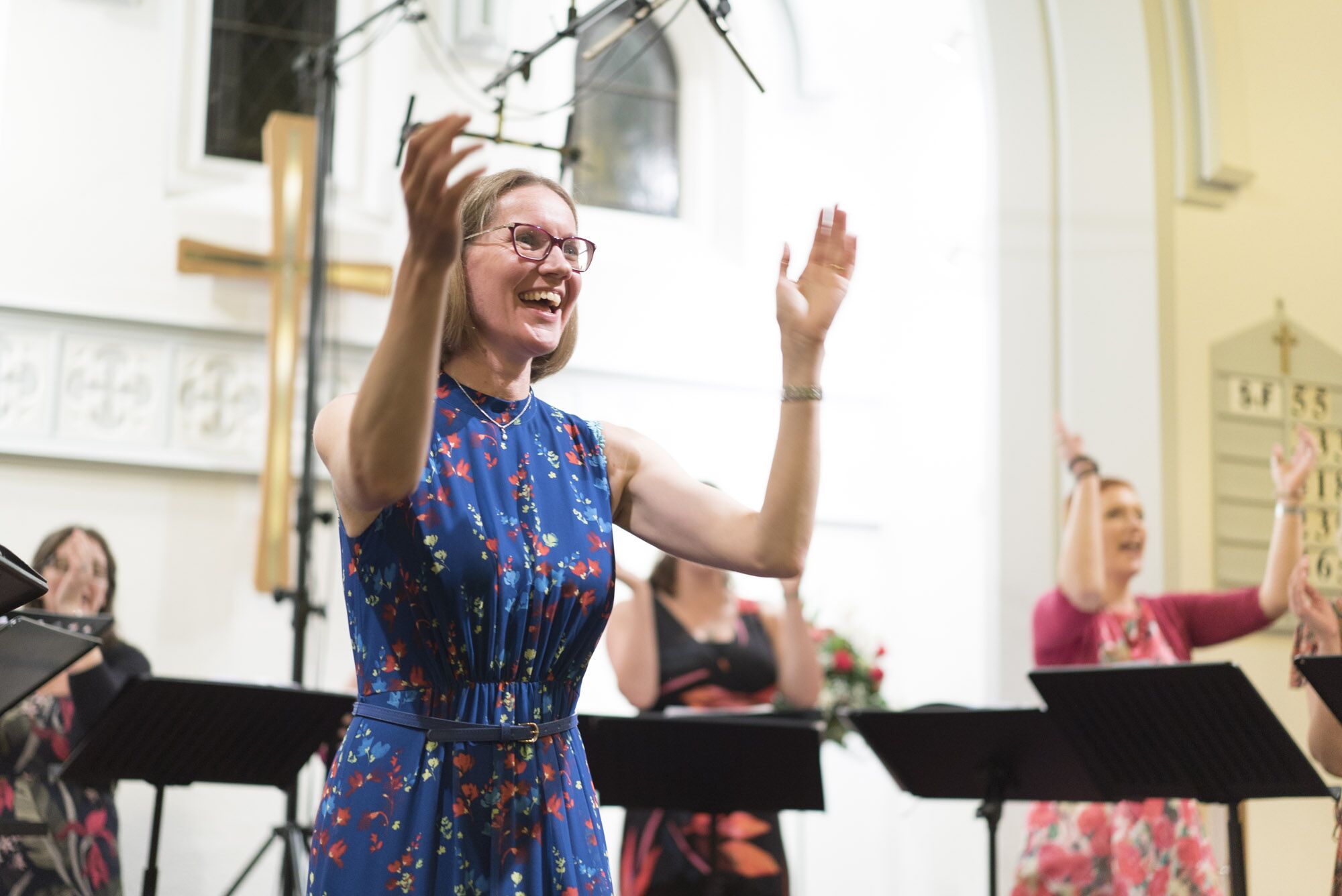
“Ruth Gipps was a formidable force – a composer, conductor, and advocate who carved out space for women in a profession that frequently excluded them,” says Dr Amy Bebbington, Corra Sound Founder and Director. “By performing and recording this work, we are highlighting a lineage of female creativity that has been side-lined for too long. Goblin Market is brimming with colour and emotional intensity and demands to be heard.”

“Corra Sound is an outstanding ensemble, brilliantly led,” says Neil Ferris, Director of the BBC Symphony Chorus. “This project forms an important part of their pioneering mission to uncover new repertoire and celebrate the works of often little-known female composers. The work they do is both ground-breaking and utterly essential to our choral music landscape.”

Dr Leah Broad, award-winning British musicologist says: “Gipps was prodigiously gifted and fearlessly determined and yet her impact on British music as both conductor and composer is still yet to be fully realised. This vital project by Corra Sound is a much-needed step towards redressing some of this historical imbalance, and bringing to light an important work in our musical heritage.”

Ruth Gipps’ Daughter-in-law, Dr Victoria Rowe, says “We are so grateful to Corra Sound for their vital role in preserving and championing Gipps’ musical legacy, bringing her work to a wider audience and ensuring that she finally gets the recognition she deserves.”

This ambitious undertaking is a grassroots effort to preserve a musical legacy. Corra Sound has launched a crowdfunding campaign to help cover the production costs of this historic recording.

About Goblin Market
Composed in 1953, Goblin Market is a cantata for two soprano soloists, three-part female chorus, and string orchestra. Based on Christina Rossetti’s 1862 sensuous poem, the work is noted for its lush, late-Romantic harmonies and dramatic storytelling. Despite its exceptional quality, following its premiere in the mid-20th century, Goblin Market fell into obscurity. This is the first time Goblin Market has been performed in the UK for 70 years.

About Ruth Gipps (1921–1999)
A child prodigy who performed at the Wigmore Hall at the age of eight, Ruth Gipps was one of the most prolific British composers of the 20th century. She composed five symphonies, numerous concertos, and choral works and even founded her own orchestra so that her works could be performed. Despite her brilliance, she faced significant gender discrimination throughout her career, particularly as a female conductor and composer in a male-dominated classical music world. While a recognized prodigy, her career was marked by missed opportunities, institutional resistance, and critical marginalization.
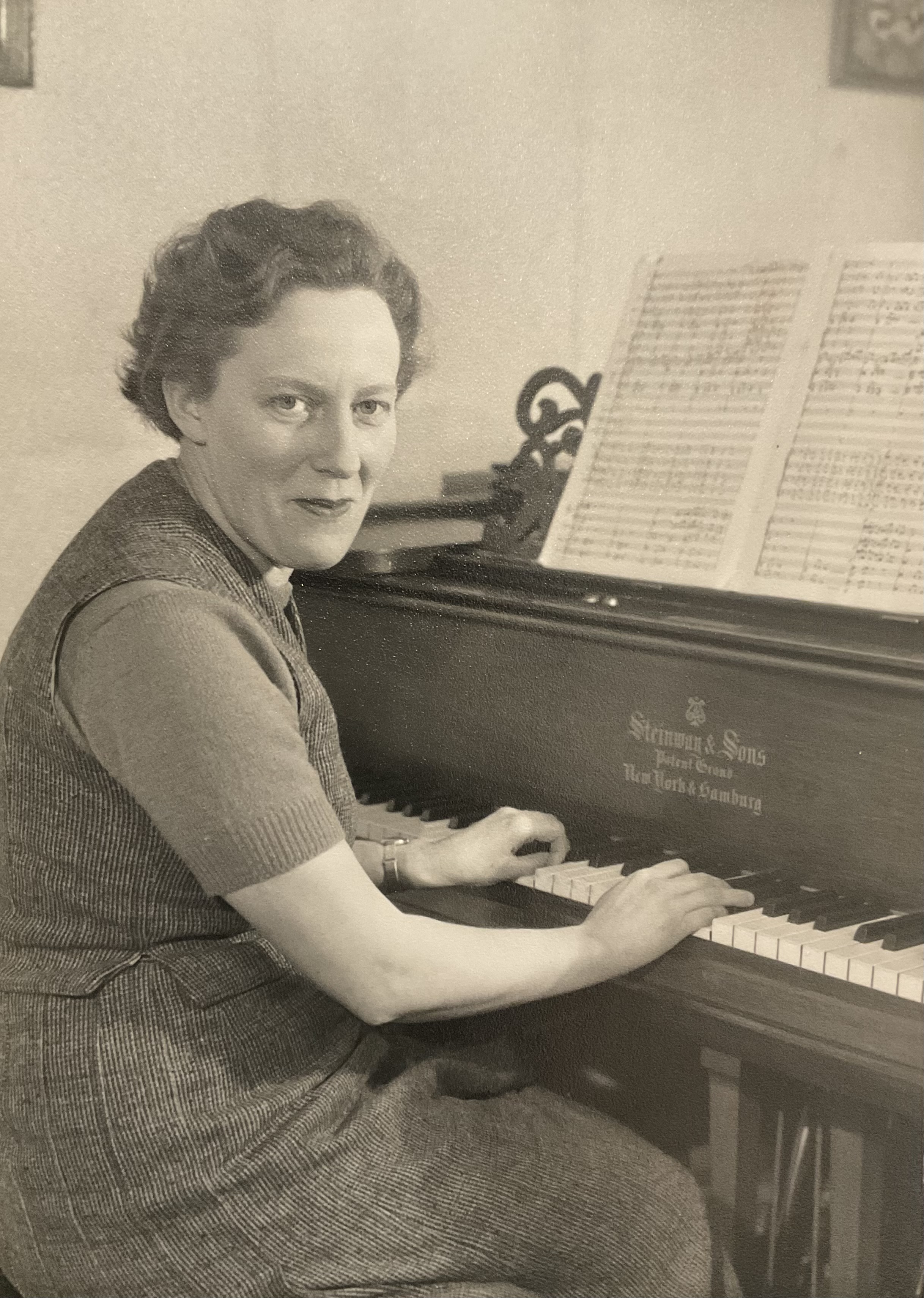
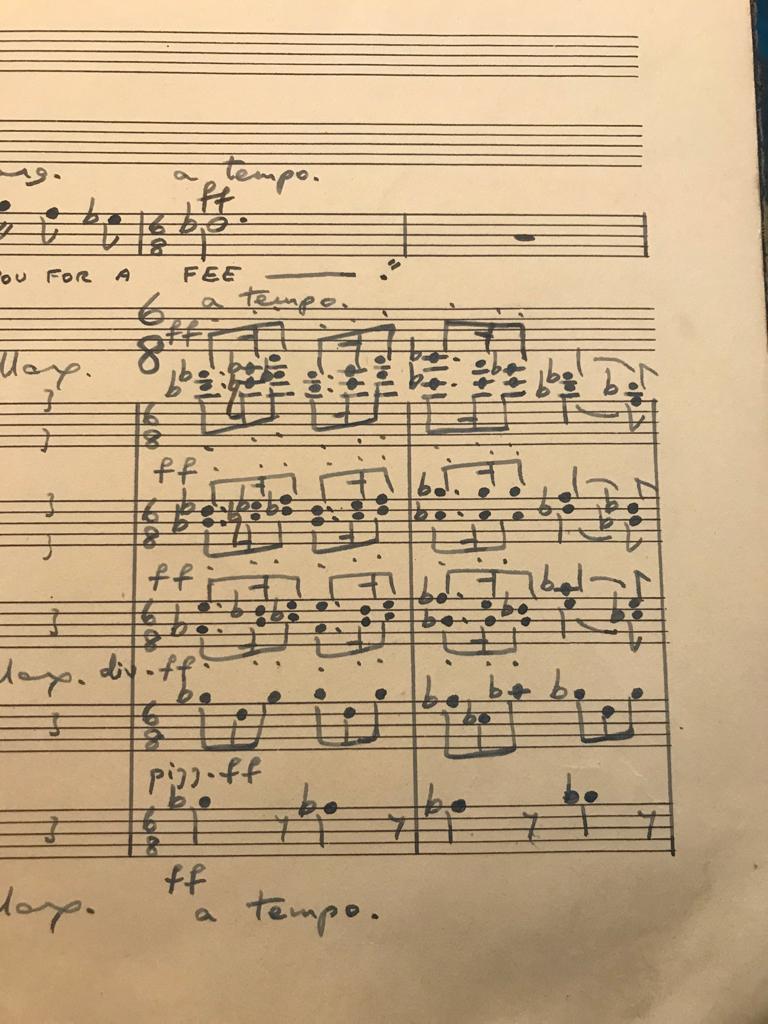
    (source: press release)
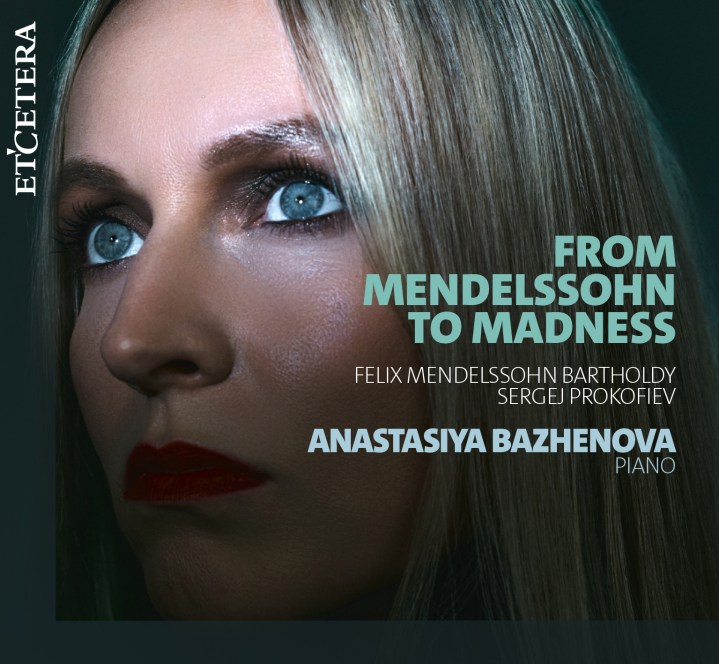
    Pianist Anastasiya Bazhenova explores the fragility of the human condition in her debut album

    In her debut recording, pianist Anastasiya Bazhenova presents a programme that goes beyond a simple chronological survey of keyboard music. From Mendelssohn to Madness is not just about contrasting different historical periods; it is a deep exploration of the human condition and how our inner worlds change when external stability starts to fade.



    For me, the tension is already present in the Mendelssohn. His music often sounds lyrical and balanced, but there is also something fragile in it, as if the stability could break at any moment. The Fantasia in F-sharp minor begins to open up that tension — it is more restless, more searching. And by the time we reach Prokofiev, the tension is no longer hidden. It becomes direct, physical, almost violent. So the “madness” in the title is not only the destination. It is something that slowly reveals itself along the journey.

    Anastasiya Bazhenova (interview with Indie Boulevard magazine)

    The album begins within the world of Felix Mendelssohn Bartholdy, a composer whose music hails from an era where form offered a sense of reassurance. In his Songs Without Words, Bazhenova uncovers a serene human voice that communicates with the confidence that it can still be heard without exertion. During this period, qualities such as clarity, proportion, and beauty were not merely ornamental; they were fundamental tools for understanding both oneself and reality.

    However, even within this transparent beauty, a subtle tension begins to emerge. In the Fantasia in F-sharp minor, this balance is no longer an automatic state but a conscious effort. Here, the music becomes a battleground where light and darkness clash, symbolising an inner struggle to preserve wholeness against forces that seek to dismantle it. For Mendelssohn, form serves as a final battleground against chaos.

    The narrative takes a sudden turn with Sergej Prokofiev’s Sixth Sonata, which opens the space beyond the rupture of the old order. This is music for a world that no longer promises stability—a world where the pace of change has quickened beyond our ability to comprehend.

    Within this sonata, intense emotional states coexist in a raw, exposed form: fear, fury, despair, irony, and paranoia. The music forsakes the pursuit of traditional harmony, opting instead to record reality in its most unfiltered state. As the album moves from Mendelssohn to Prokofiev, the listener undergoes a inward shift: a transition from trusting in form to living without guarantees, and from viewing beauty as a support to acknowledging the need to live without it.

    Rather than viewing these pieces as a collection of separate works, Bazhenova considers the programme as a single internal trajectory. The album does not seek to resolve the tensions it presents or provide simple explanations. Instead, it allows the music to unfold as a continuous process – a musical narrative of a human being who keeps feeling, thinking, and searching for meaning even when the structures of the past have broken down.

    We often think of madness as something extreme or pathological, but in reality it is much closer to ordinary human experience. It can grow out of fear, obsession, loneliness, or simply from the unbearable tension between what we feel inside and what the world expects from us. In that sense, “madness” in this album is not something distant or theatrical. It is something that lives quietly inside many people. Music simply gives it a voice.

    Anastasiya Bazhenova

    From Mendelssohn to Madness is released on CD and streaming 1 April 2026 on the Etcetera Records label

    Anastasiya Bazhenova performs in London at the 1901 Arts Club, a delightful salon-style concert venue, on 24th April. Details here https://www.1901artsclub.com/24-apr-2026-from-mendelssohn-to-madness.html

    Anastasiya Bazhenova pianist

    Photo credits Torgeir Rørvik

    Guest post

    PianoMe: The Smart Way to Share Rehearsal Spaces and Earn Money with Your Music Room

    What can you do when rehearsal rooms and instruments stand empty for hours or even days?

    The answer is simple: share them through www.piano.me/en and turn unused space into income.

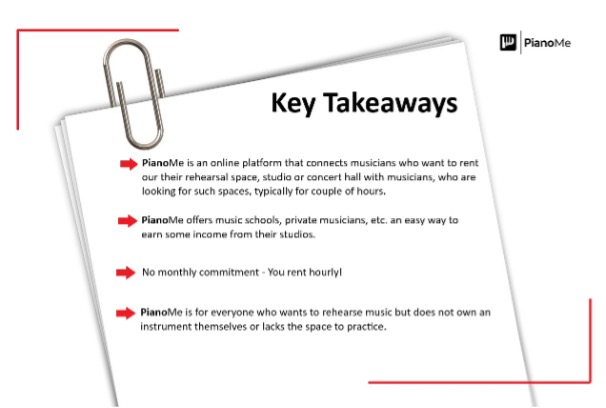
    PianoMe is a growing online platform that enables musicians, music schools, studios, churches, and private hosts to rent out rehearsal spaces with instruments by the hour. At the same time, musicians can book affordable practice rooms exactly when they need them—no long-term contracts, no unnecessary costs.

    Rehearsal Spaces Sharing Community – Built by Musicians for Musicians

    PianoMe was created by musicians who experienced the same problem many artists face: finding a suitable place to practice is often difficult, expensive, and inflexible.

    The idea behind the platform is based on the sharing economy: if a room and an instrument are not in use, they can be shared with others.

    This creates a classic win-win situation:

    • Hosts generate additional income from otherwise idle rooms
    • Musicians pay only for the time they actually use
    • Cities benefit from a reduction in rehearsal room shortages

    Traveling musicians, in particular, appreciate being able to book a nearby practice room within minutes, whether for an audition, an exam, or a recording session.

    Monetize Your Empty Rehearsal Room

    If you own a rehearsal room or a studio that is not used 24/7, PianoMe offers an easy and secure way to earn money.

    Creating a listing takes only a few minutes:

    • Upload photos
    • Set your availability
    • Define your own rental rules and cancellation terms
    • Start receiving bookings

    All processes—from request to payment—are fully digital and automated, which means no paperwork and minimal administrative effort.

    A Lifeline for Music Schools

    Music schools are facing increasing financial pressure due to rising costs and reduced public funding. PianoMe helps them:

    • Generate additional revenue from unused rooms during off-peak hours
    • Digitize and automate their rental processes
    • Reach new target groups such as freelance teachers, ensembles, and choirs

    For some institutions, hourly room sharing has already become a second financial pillar that helps stabilize operations.

    Flexible Solutions for Music Teachers

    Freelance music teachers benefit from a highly flexible, on-demand room model:

    • No long-term rental contracts
    • No deposits
    • Hourly bookings based on actual teaching needs
    • Easy cancellations within the respective host’s policy

    This supports the growing agency model in music education, where teachers operate independently and require adaptable teaching spaces.

    Growing Demand and a Diverse Rehearsal Space Marketplace

    The response on social media has been overwhelmingly positive. The general consensus is clear: without PianoMe, many rehearsal rooms would remain unused for hours or even days, generating costs instead of value. With PianoMe, this situation is reversed. As one private host wrote in a Google review, their grand piano used to be played only on weekends, but thanks to the platform, both the instrument and the room are now actively used during the week as well.

    As the PianoMe network continues to expand, the range of available spaces is becoming increasingly diverse. Today, the platform offers far more than single piano practice rooms. Musicians can find studios equipped with drum kits, electric guitars, or even full recording setups. Room sizes vary widely—from small attic spaces and basement studios to full concert halls and modern event venues with stage and seating.

    Browsing PianoMe feels like discovering the hidden musical infrastructure of a city. Many users are surprised by how many rehearsal rooms and instrument-equipped venues exist behind the scenes—places they would never have found without the platform.

    Despite this wide selection, choosing the right room remains simple. User reviews provide real insights into the quality of the space and the instruments. In addition, each listing includes detailed information such as available equipment, room size, hourly price, capacity, concert suitability, rental conditions, and real-time availability.

    The platform is used not only by professional musicians but also by hobbyists. And it is no longer limited to pianists—singers, amateur bands, choirs, violinists, composers, and many others are now part of the growing PianoMe community.

    Free Music Event Promotion and Digital Tools for Musicians

    Every musician wants to perform live—and ideally to a full audience. PianoMe makes this easier by allowing users to promote their music events completely free of charge. The platform’s event promotion page, together with its integrated event QR code feature, has recently been expanded with additional functions. Event announcements can now be created on any device within minutes and shared directly across social media channels.

    For those who prefer physical promotion, PianoMe also offers a one-click poster generator. Users can design, download, print, and display posters without needing external design tools. Concert programs can be distributed digitally via QR codes, enabling audiences to access them instantly on their smartphones—saving both printing costs and large amounts of paper.

    By combining rehearsal spaces with digital promotion and content sharing, PianoMe goes far beyond room booking. It creates a connected ecosystem where musicians support each other, exchange ideas, and present their work.

    Read PianoMe’s interview with Frances Wilson (The Cross-Eyed Pianist)

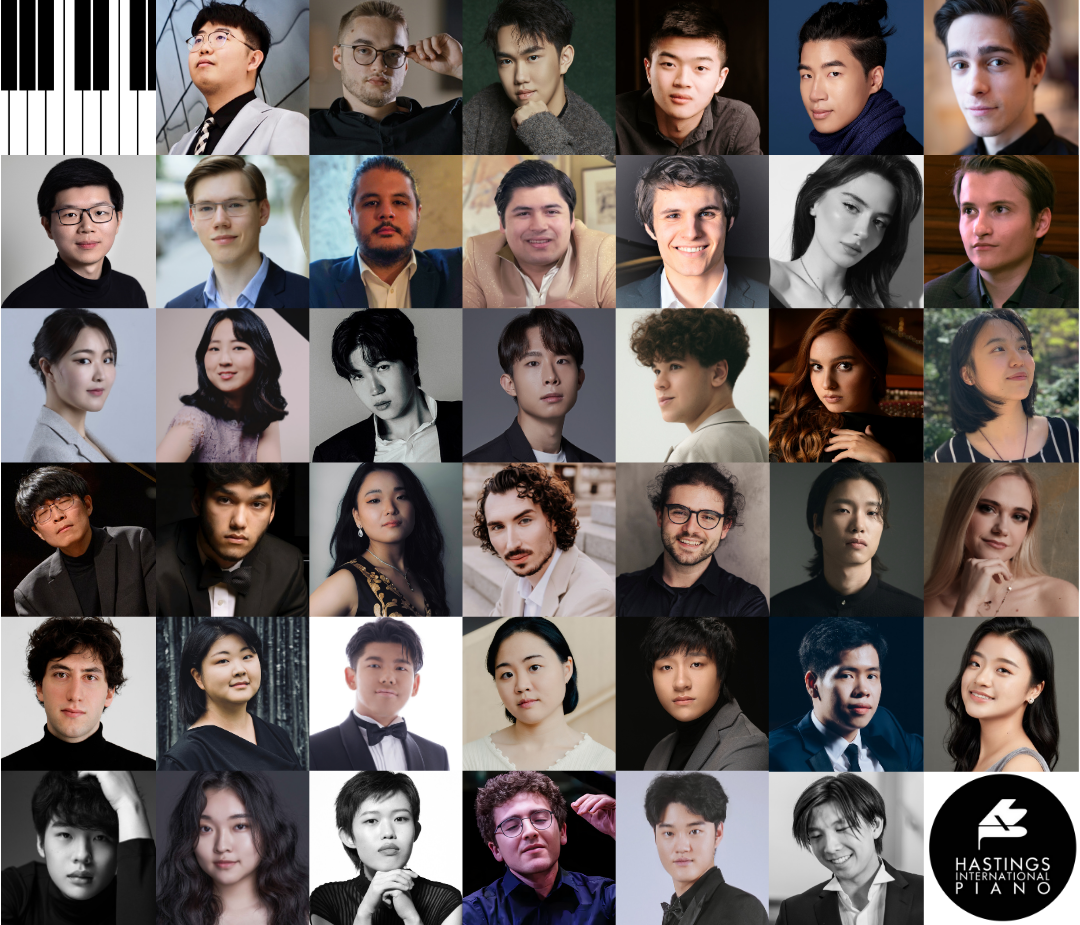
    Hastings International Piano is thrilled to announce the 40 pianists who have been selected to take part in the 2026 Hastings International Piano Competition, which takes place from 26 February to 7 March 2026 at the White Rock Theatre, Hastings.

    Chosen by an experienced pre-selection jury, who watched video auditions of 356
    applicants from 46 countries, these 40 pianists – aged between 19 and 29 – will travel from 18 nations to compete in one of the world’s leading competitions for rising stars. This year marks the 18th competition since its revival in 2005, continuing a proud tradition that began over a century ago with the Hastings Musical Festival.

    Under the artistic direction of Professor Vanessa Latarche since 2020, the competition is a highlight in the international music calendar. Renowned for its unique format , requiring competitors to perform concertos from the very first round; it offers a platform for young artists to perform with orchestras including the Sinfonia Smith Square and the Royal Philharmonic Orchestra.

    The 2026 competitors represent a remarkable breadth of talent, with participants from countries including China, South Korea, Russia, Taiwan, the USA, Ukraine, Japan, and beyond. Full list here


    ● Competition rounds will run as follows:
    ➔ Round 1: 26–28 February – 40 competitors perform extracts from two concertos
    ➔ Round 2: 1–2 March – 20 competitors perform a solo recital including a new work
    by Sir Stephen Hough
    ➔ Semi-Finals: 4–5 March – 10 competitors perform a classical concerto with
    Sinfonia Smith Square
    ➔ Finals: 6–7 March – 5 finalists perform a Romantic or 20th-century concerto with
    the Royal Philharmonic Orchestra

    All five competitors who reach the final will receive a prize, with first prize worth
    approximately £35,000.

    Tickets for the first two rounds are free, and the public is encouraged to attend and
    experience world-class music in a seafront theatre.

    Through its Learning & Participation programme, Hastings International Piano remains committed to bringing classical music to all – from school workshops and community concerts to pop-up pianos across the town – ensuring that the joy of music continues to inspire every generation.

    The competition is generously supported by Steinway & Sons and numerous sponsors and benefactors, including the Kowitz Family Foundation, which has supported the competition since 2009.

    Vanessa Latarche, Artistic Director, says: ‘We are thrilled to announce forty remarkable young pianists coming to Hastings in 2026. The standard of applications this year was exceptionally high, reflecting the competition’s growing stature. It’s no easy task picking from over 350 applications, but it is inspiring to see so many gifted musicians from around the world share their artistry and passion for piano performance. We look forward to hearing them bring their music to life on the White Rock Theatre stage.’

    Find out more here

    [Source: press release]