
For over seven decades, a powerful piece of British musical heritage has sat in the shadows. But this July, the all-female vocal ensemble Corra Sound is set to change that. In a landmark project, the choir will perform and produce the world-first professional recording of Ruth Gipps’ dramatic cantata, Goblin Market.
The concert will take place on Friday, 3rd July at Holy Trinity Church, Guildford. A pre-concert conversation with Gipps’s daughter-in-law Dr Victoria Rowe and prominent writer and critic Jessica Duchen, offering a rare glimpse into the life of a composer who was once a “formidable force” in a male-dominated industry. The musical programme will also feature settings of Christina Rossetti’s poetry by other notable 20th-century composers, celebrating a threefold celebration of female creativity.
The landmark recording, partnering with the Great Little Orchestra and Convivium Records, will take place on Saturday 11th July with a release date scheduled for early 2027. Corra Sound has launched a crowdfunding campaign to support the production costs of the performance and recording, inviting the public to contribute to the project, helping to bring this important work to a global audience.
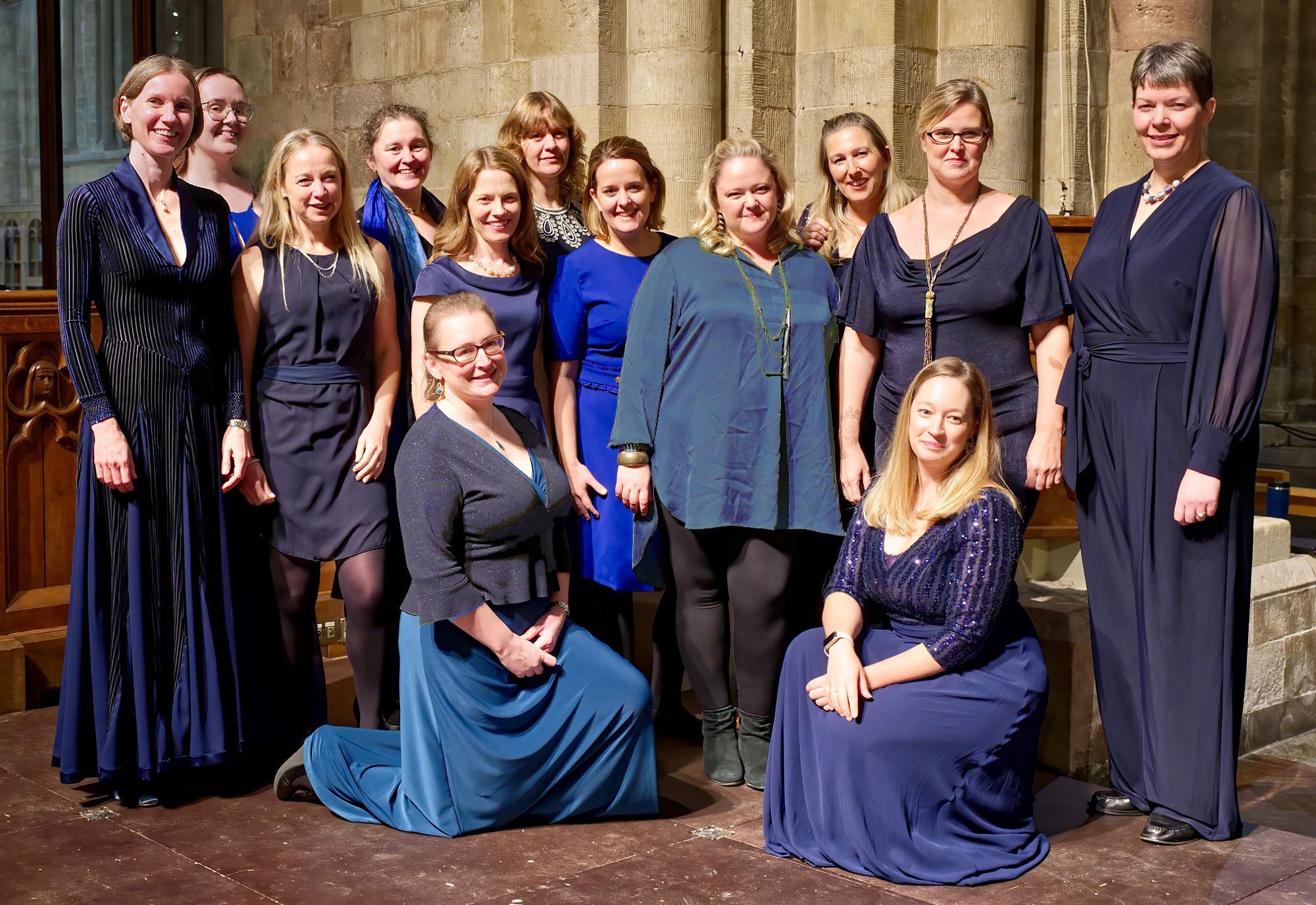
This venture marks the historic and long-awaited world premiere recording of this powerful masterpiece, rich in themes of temptation, sisterhood, and female solidarity, and will be only the second UK performance of the work in 70 years. The project stands as a threefold celebration of female creativity bringing together the iconic poetry of Christina Rossetti, the masterful and long-overlooked choral writing of Ruth Gipps, and the voices of Corra Sound – an upper voice ensemble dedicated to bringing the works of female composers out of the shadows.
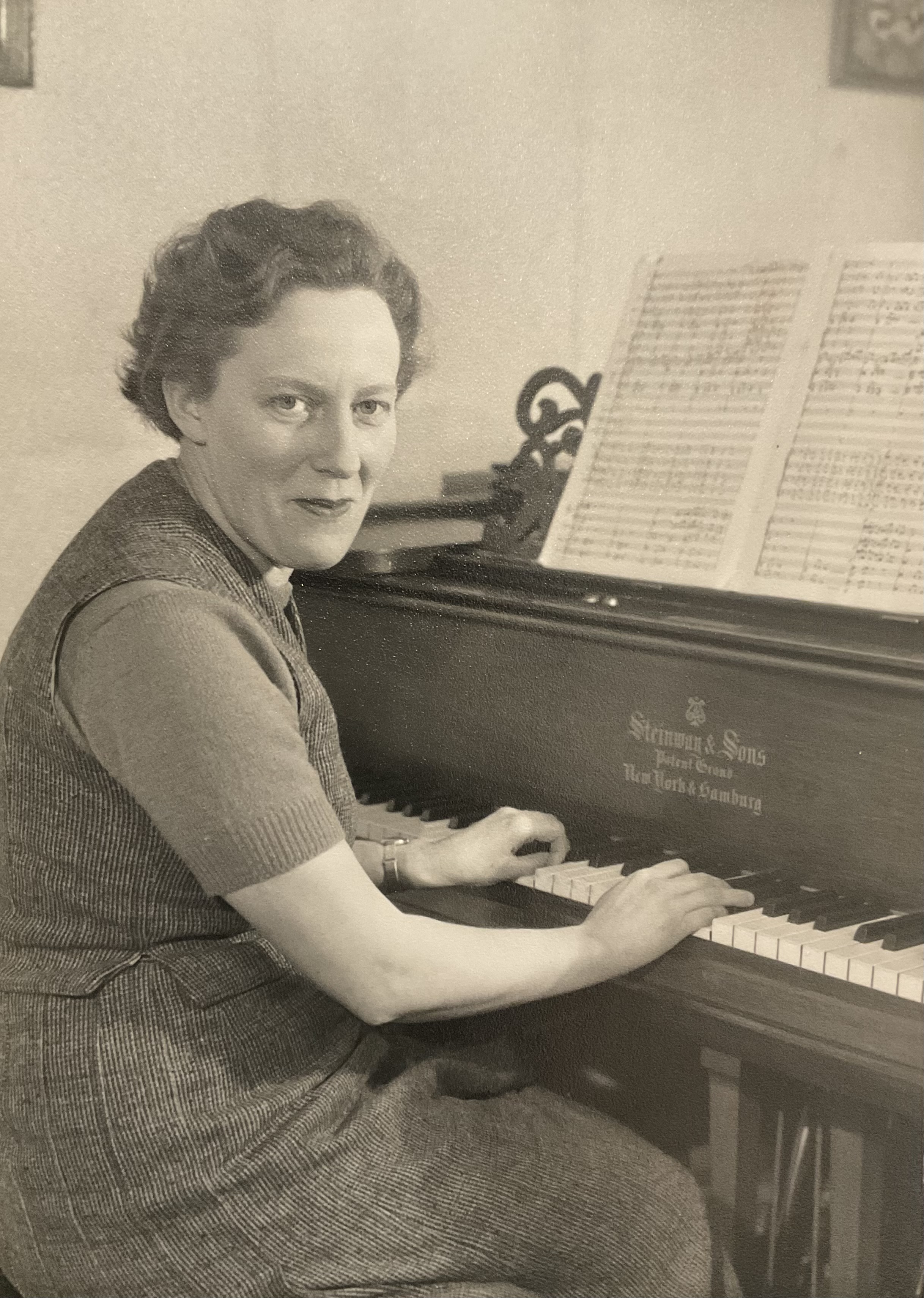
Ruth Gipps was a child prodigy and a prolific composer of five symphonies and numerous concertos, yet she faced significant institutional resistance throughout her career.
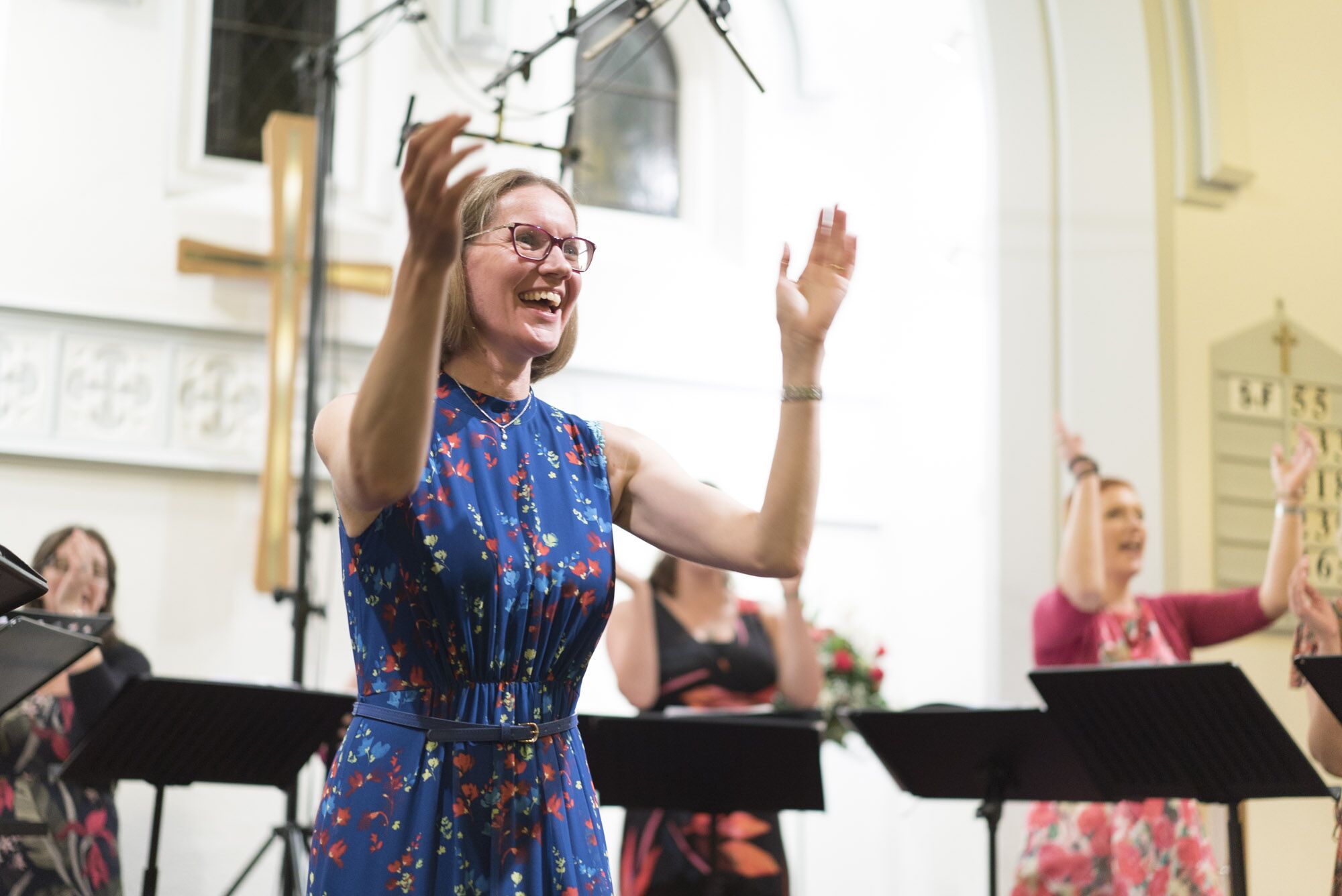
“Ruth Gipps was a formidable force – a composer, conductor, and advocate who carved out space for women in a profession that frequently excluded them,” says Dr Amy Bebbington, Corra Sound Founder and Director. “By performing and recording this work, we are highlighting a lineage of female creativity that has been side-lined for too long. Goblin Market is brimming with colour and emotional intensity and demands to be heard.”
“Corra Sound is an outstanding ensemble, brilliantly led,” says Neil Ferris, Director of the BBC Symphony Chorus. “This project forms an important part of their pioneering mission to uncover new repertoire and celebrate the works of often little-known female composers. The work they do is both ground-breaking and utterly essential to our choral music landscape.”
Dr Leah Broad, award-winning British musicologist says: “Gipps was prodigiously gifted and fearlessly determined and yet her impact on British music as both conductor and composer is still yet to be fully realised. This vital project by Corra Sound is a much-needed step towards redressing some of this historical imbalance, and bringing to light an important work in our musical heritage.”
Ruth Gipps’ Daughter-in-law, Dr Victoria Rowe, says “We are so grateful to Corra Sound for their vital role in preserving and championing Gipps’ musical legacy, bringing her work to a wider audience and ensuring that she finally gets the recognition she deserves.”
This ambitious undertaking is a grassroots effort to preserve a musical legacy. Corra Sound has launched a crowdfunding campaign to help cover the production costs of this historic recording.
- Support the Project: You can contribute to the Crowdfunder to help bring this work out of the shadows: Support Corra Sound here.
- Book Your Tickets: Join the audience in Guildford on July 3rd for this rare musical revival. Book tickets via Eventbrite.
About Goblin Market
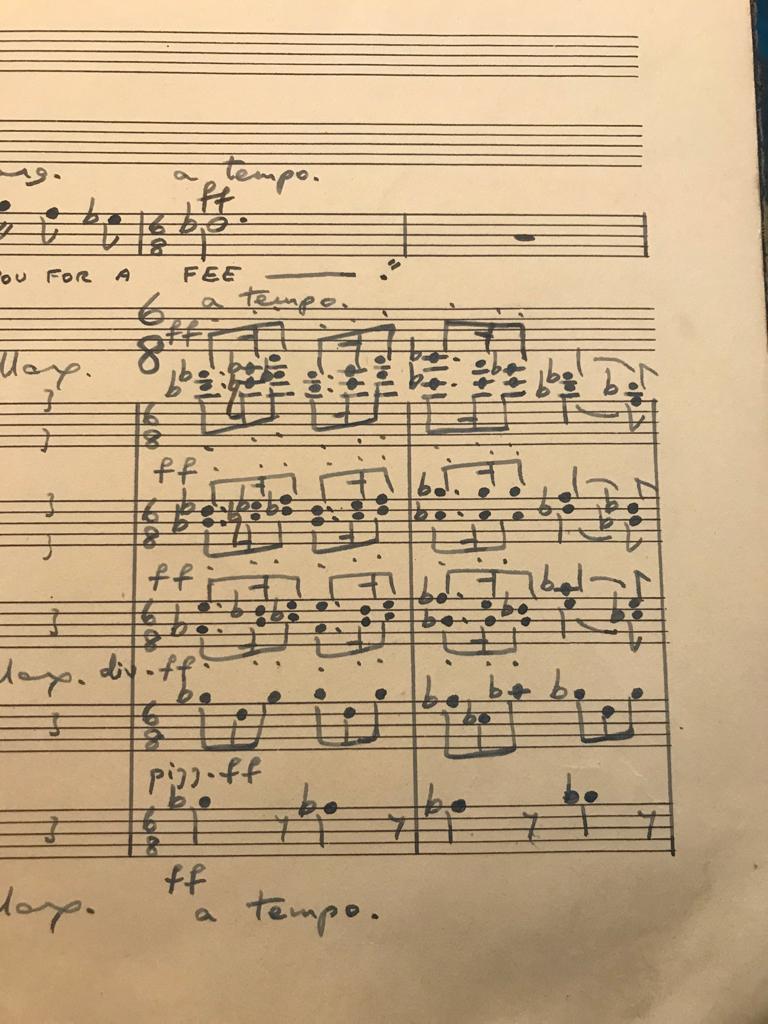
Composed in 1953, Goblin Market is a cantata for two soprano soloists, three-part female chorus, and string orchestra. Based on Christina Rossetti’s 1862 sensuous poem, the work is noted for its lush, late-Romantic harmonies and dramatic storytelling. Despite its exceptional quality, following its premiere in the mid-20th century, Goblin Market fell into obscurity. This is the first time Goblin Market has been performed in the UK for 70 years.
About Ruth Gipps (1921–1999)
A child prodigy who performed at the Wigmore Hall at the age of eight, Ruth Gipps was one of the most prolific British composers of the 20th century. She composed five symphonies, numerous concertos, and choral works and even founded her own orchestra so that her works could be performed. Despite her brilliance, she faced significant gender discrimination throughout her career, particularly as a female conductor and composer in a male-dominated classical music world. While a recognized prodigy, her career was marked by missed opportunities, institutional resistance, and critical marginalization.

(source: press release)



