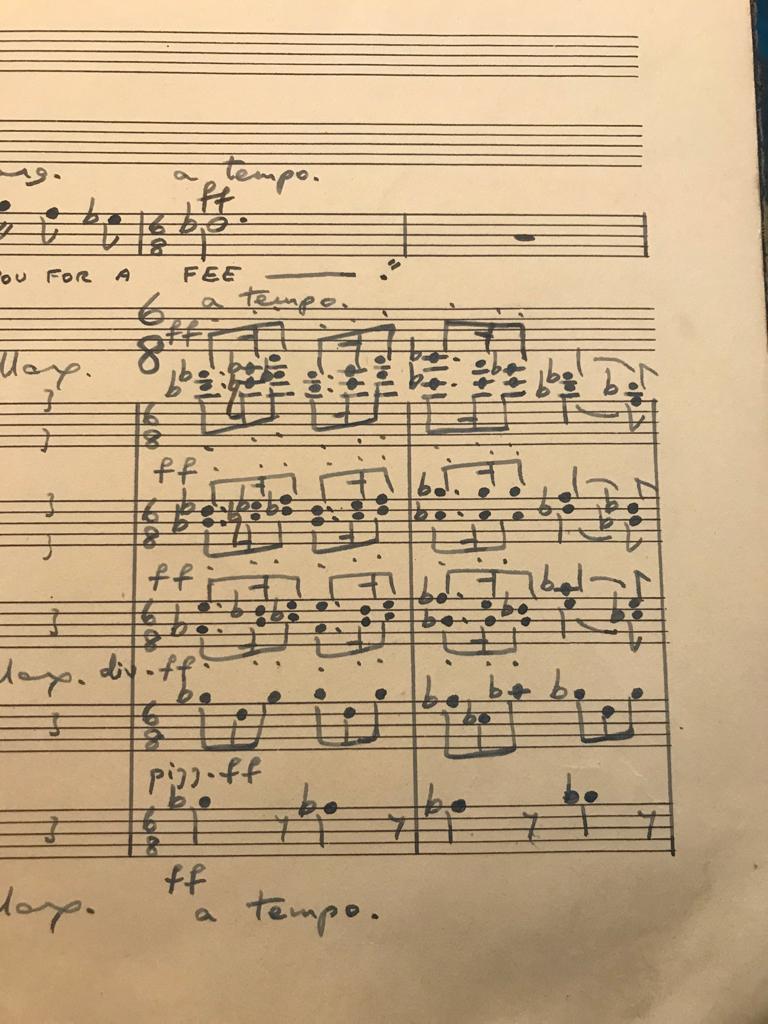
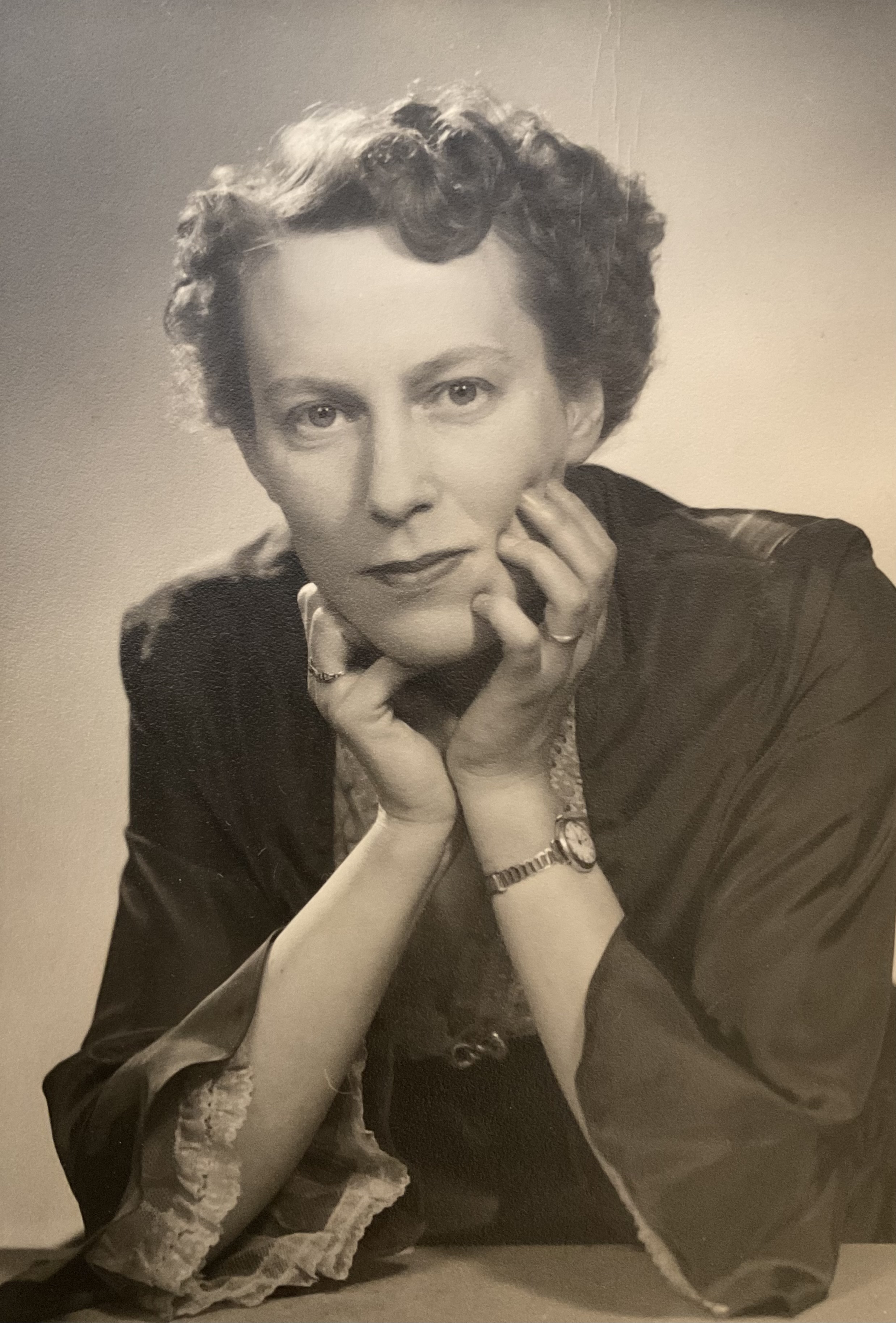
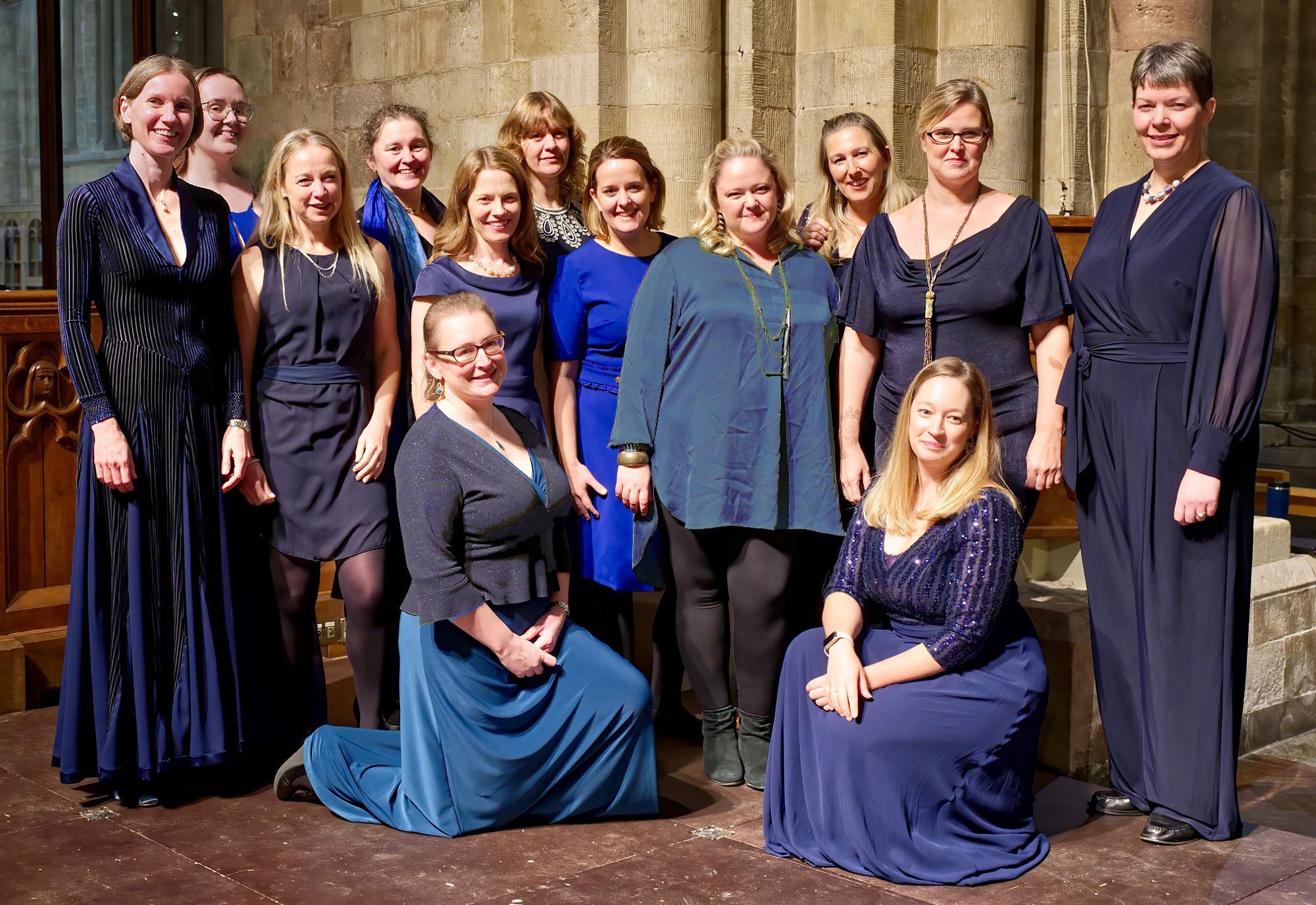
For over seven decades, a powerful piece of British musical heritage has sat in the shadows. But this July, the all-female vocal ensemble Corra Sound is set to change that. In a landmark project, the choir will perform and produce the world-first professional recording of Ruth Gipps’ dramatic cantata, Goblin Market.

The concert will take place on Friday, 3rd July at Holy Trinity Church, Guildford. A pre-concert conversation with Gipps’s daughter-in-law Dr Victoria Rowe and prominent writer and critic Jessica Duchen, offering a rare glimpse into the life of a composer who was once a “formidable force” in a male-dominated industry. The musical programme will also feature settings of Christina Rossetti’s poetry by other notable 20th-century composers, celebrating a threefold celebration of female creativity.

The landmark recording, partnering with the Great Little Orchestra and Convivium Records, will take place on Saturday 11th July with a release date scheduled for early 2027. Corra Sound has launched a crowdfunding campaign to support the production costs of the performance and recording, inviting the public to contribute to the project, helping to bring this important work to a global audience.

This venture marks the historic and long-awaited world premiere recording of this powerful masterpiece, rich in themes of temptation, sisterhood, and female solidarity, and will be only the second UK performance of the work in 70 years. The project stands as a threefold celebration of female creativity bringing together the iconic poetry of Christina Rossetti, the masterful and long-overlooked choral writing of Ruth Gipps, and the voices of Corra Sound – an upper voice ensemble dedicated to bringing the works of female composers out of the shadows.

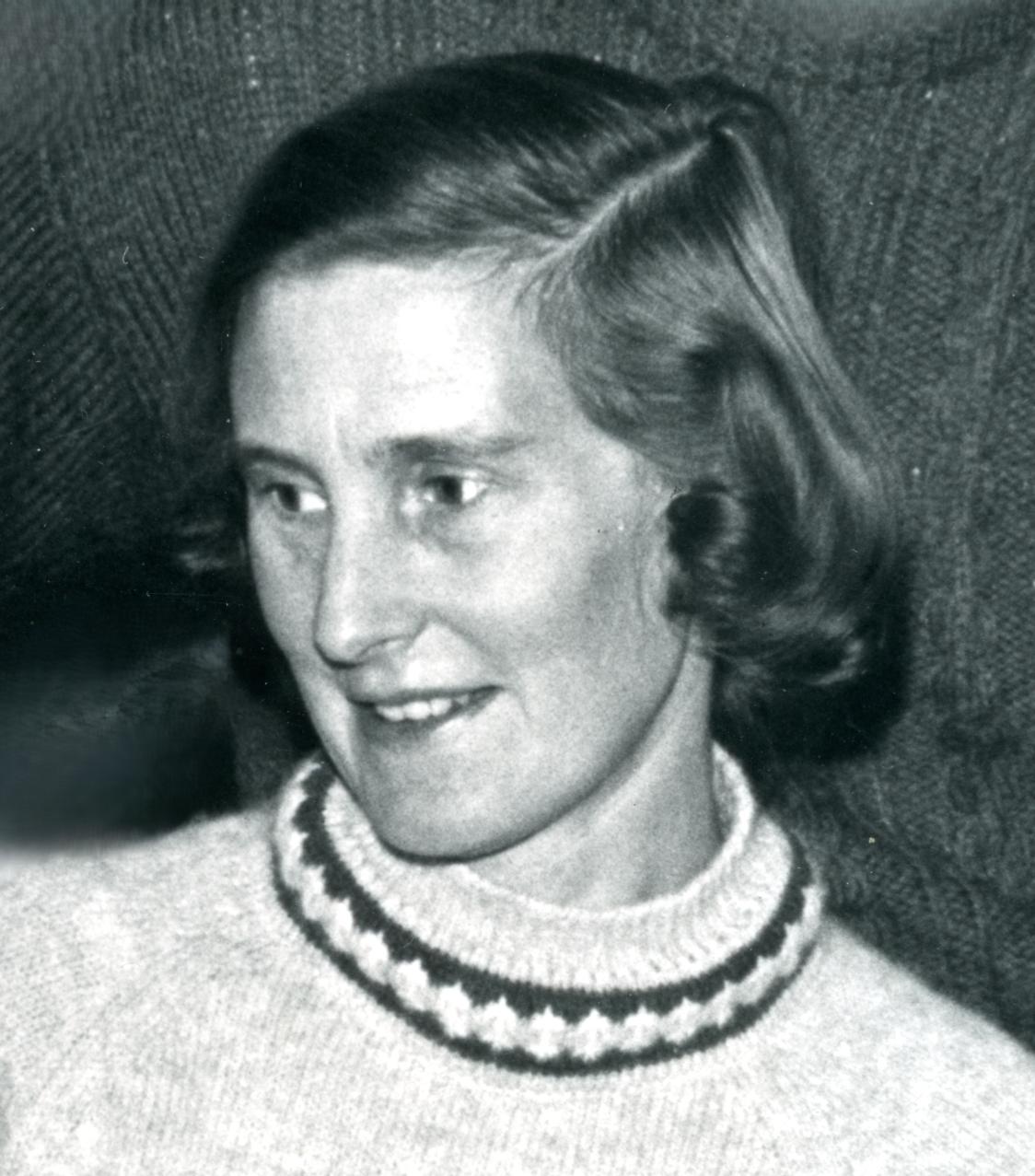
Ruth Gipps was a child prodigy and a prolific composer of five symphonies and numerous concertos, yet she faced significant institutional resistance throughout her career.

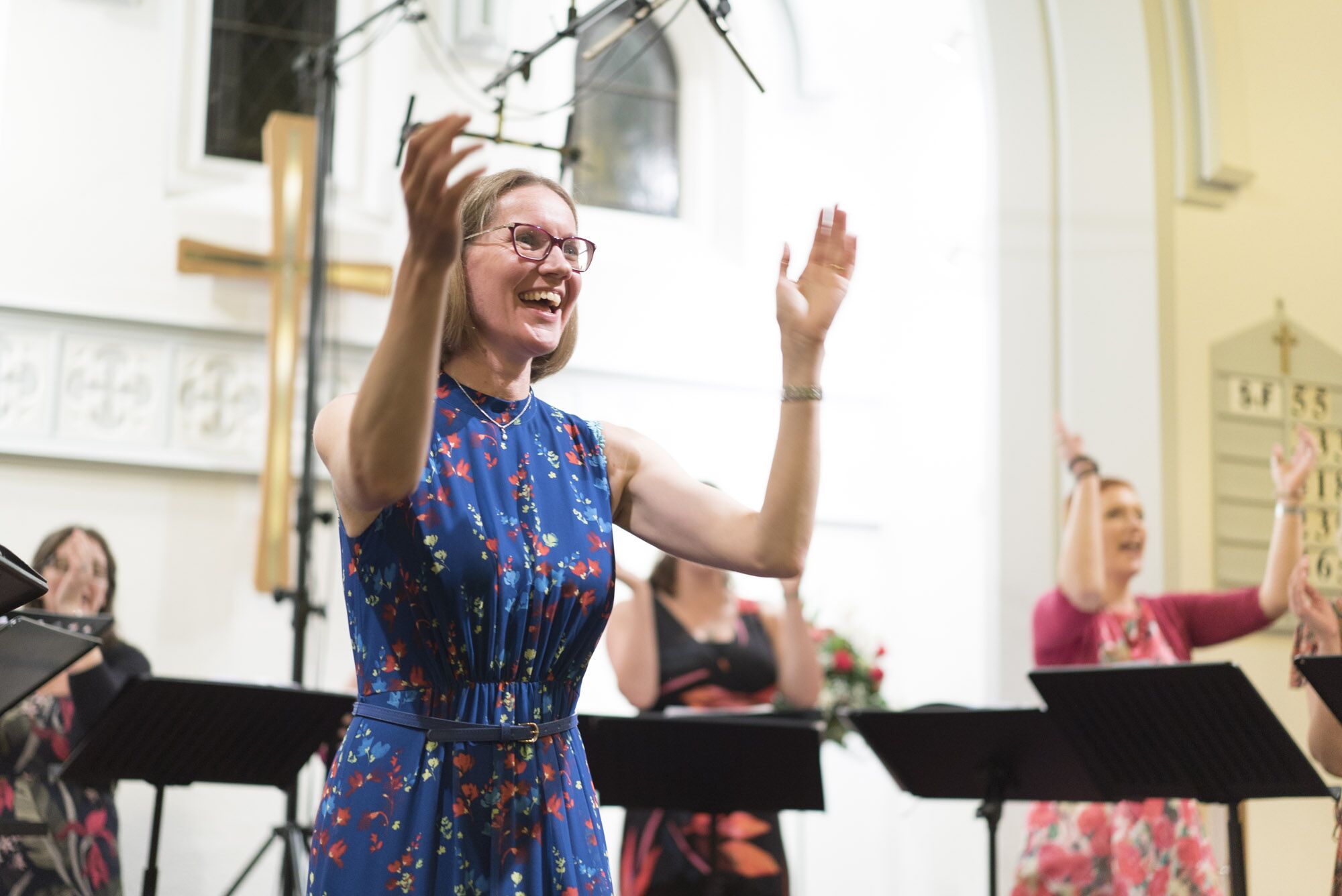
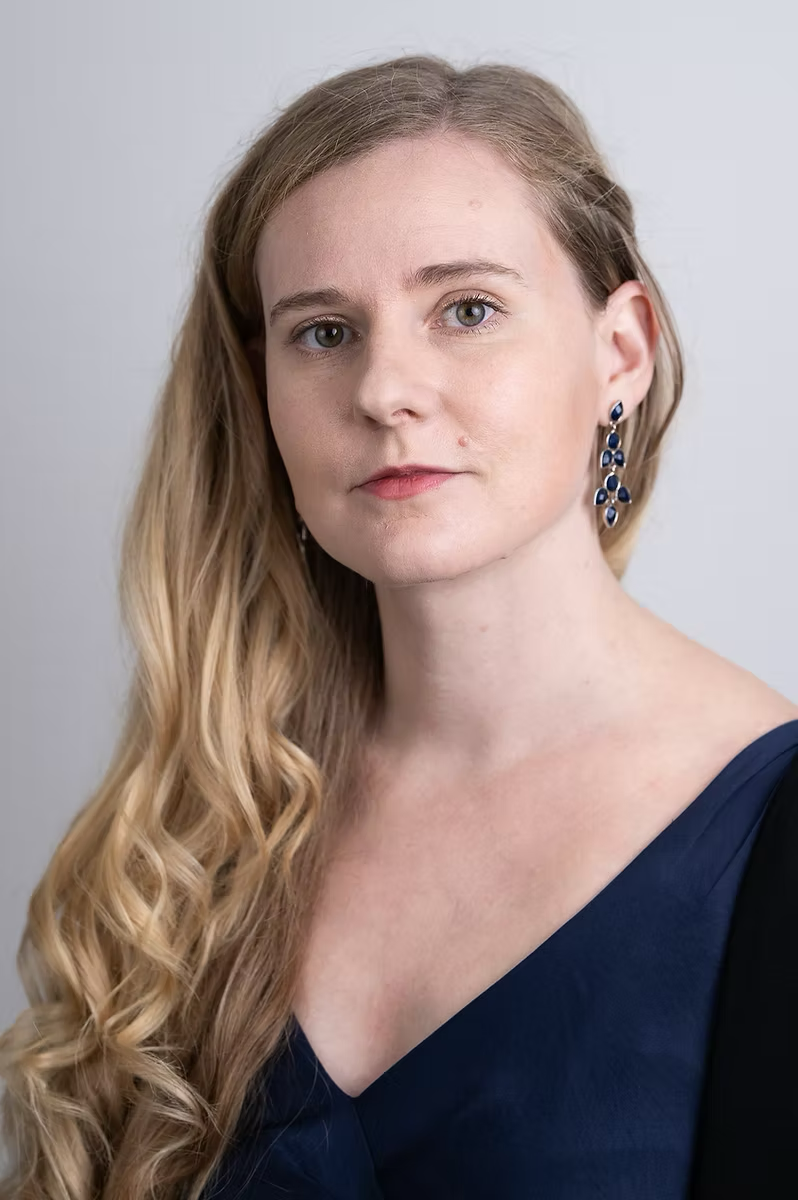
“Ruth Gipps was a formidable force – a composer, conductor, and advocate who carved out space for women in a profession that frequently excluded them,” says Dr Amy Bebbington, Corra Sound Founder and Director. “By performing and recording this work, we are highlighting a lineage of female creativity that has been side-lined for too long. Goblin Market is brimming with colour and emotional intensity and demands to be heard.”

“Corra Sound is an outstanding ensemble, brilliantly led,” says Neil Ferris, Director of the BBC Symphony Chorus. “This project forms an important part of their pioneering mission to uncover new repertoire and celebrate the works of often little-known female composers. The work they do is both ground-breaking and utterly essential to our choral music landscape.”

Dr Leah Broad, award-winning British musicologist says: “Gipps was prodigiously gifted and fearlessly determined and yet her impact on British music as both conductor and composer is still yet to be fully realised. This vital project by Corra Sound is a much-needed step towards redressing some of this historical imbalance, and bringing to light an important work in our musical heritage.”

Ruth Gipps’ Daughter-in-law, Dr Victoria Rowe, says “We are so grateful to Corra Sound for their vital role in preserving and championing Gipps’ musical legacy, bringing her work to a wider audience and ensuring that she finally gets the recognition she deserves.”

This ambitious undertaking is a grassroots effort to preserve a musical legacy. Corra Sound has launched a crowdfunding campaign to help cover the production costs of this historic recording.

About Goblin Market
Composed in 1953, Goblin Market is a cantata for two soprano soloists, three-part female chorus, and string orchestra. Based on Christina Rossetti’s 1862 sensuous poem, the work is noted for its lush, late-Romantic harmonies and dramatic storytelling. Despite its exceptional quality, following its premiere in the mid-20th century, Goblin Market fell into obscurity. This is the first time Goblin Market has been performed in the UK for 70 years.

About Ruth Gipps (1921–1999)
A child prodigy who performed at the Wigmore Hall at the age of eight, Ruth Gipps was one of the most prolific British composers of the 20th century. She composed five symphonies, numerous concertos, and choral works and even founded her own orchestra so that her works could be performed. Despite her brilliance, she faced significant gender discrimination throughout her career, particularly as a female conductor and composer in a male-dominated classical music world. While a recognized prodigy, her career was marked by missed opportunities, institutional resistance, and critical marginalization.

    (source: press release)

    An important new recording, ‘The Spirit of Love’, featuring chamber music and songs by British composer Alisa Dixon (1932-2017), will be released on the Resonus Classics label on 22nd August.

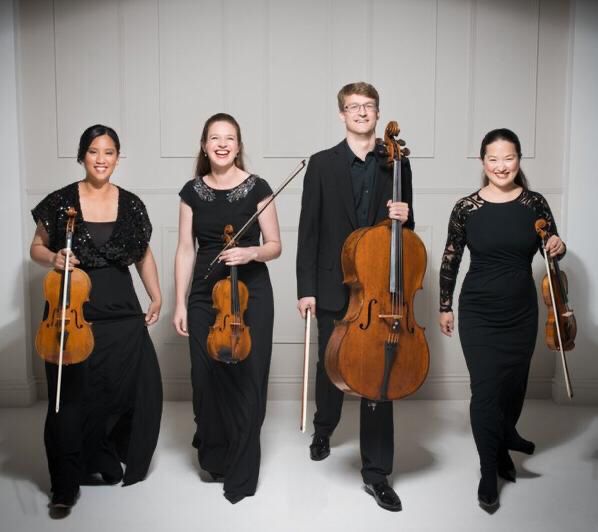
    This landmark recording highlights Dixon’s chamber works, many of which have remained largely unknown, until now. With the combined talents of the Villiers Quartet, soprano Lucy Cox and ondes Martenot player Charlie Draper, this recording represents a vital step in rediscovering the depth and breadth of Dixon’s music.

    Born in 1932, Ailsa Dixon began composing before reading music at Durham University, and later studied with Paul Patterson, Professor of Composition at the Royal Academy of Music. Her works include a two-act opera, several pieces for string quartet, songs, chamber music and instrumental works including a sonata for piano duet.

    In July 2017, five weeks before she died, her anthem for choir, These Things Shall Be, was premiered by the London Oriana Choir at the Cutty Sark in London. This marked the beginning of a revival of interest in her music and has led to a host of new performances of choral, vocal and instrumental works in concerts across Britain

    Hailed as a ‘stunning find’, with its ‘lush harmonies’ and ‘strange yet still beautiful dissonances’ (Nottingham Chamber Music Festival, 2024), The Spirit of Love gives the title to this recording – a selection from her most fertile period of composition in the 1980s and 1990s. One of the many works found in Ailsa Dixon’s manuscript archive after she died, these songs for soprano and string quartet were premiered posthumously at St George’s Bristol, where a spellbound reviewer for the British Music Society registered ‘a feeling that something special had just occurred’.

    Ailsa Dixon

    A collection of three songs for soprano and string quartet, composed between 1987-88, and originally commissioned through Dixon’s lifelong musical friendship with Irene Bracher, The Spirit of Love sets texts by Dixon herself, along with works by A.E. Housman and F.W. Bourdillon. The work was given its posthumous premiere in 2020 at St George’s Bristol by the performers on this recording.

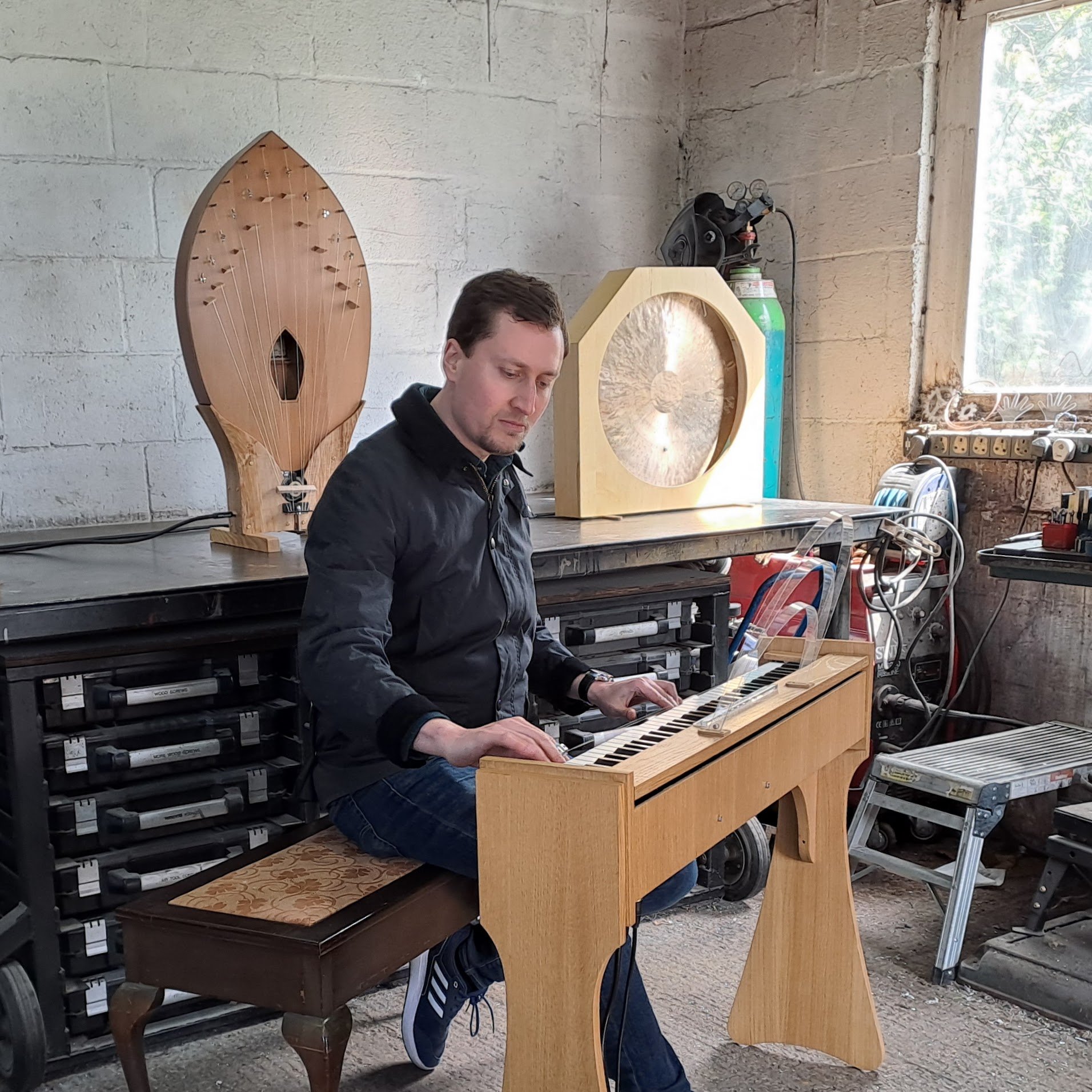
    Another distinctive piece is Shining Cold for soprano, ondes Martenot, viola and cello. This work is characterized by its haunting vocalise and uniquely explores the sonorities created by the soprano voice, strings, and the ondes Martenot, an electronic instrument famously associated with Messiaen’s Turangalîla-Symphonie. This work highlights Dixon’s innovative use of instrumentation and vocal expression.

    Other significant works on this recording include:

    The ‘lost’ Scherzo for string quartet. Written in the 1950s while Dixon was at Durham University, this piece disappeared for over half a century before the manuscript came to light after her death. The recording presents its first performance, 70 years after it was written. Its changes of time signature may show an early interest in Bartok whom Dixon cited in later life as an inspiration for his ‘elasticity of musical motifs’.

    Sohrab and Rustum for string quartet. This ambitious, through-composed work from 1987-88 was inspired by Matthew Arnold’s poem of the same name, depicting the tragic encounter between a father and son in battle. The music is a vivid response to the poem’s human drama and atmospheric setting.

    Variations on Love Divine for string quartet. Written in 1991-92, this is Dixon’s final string quartet work and an exploration of religious chamber music, perhaps inspired by Haydn’s Seven Last Words. Woven around John Stainer’s Anglican hymn tune, it explores themes from St John’s Gospel, the Incarnation, Nativity, Passion and Ascension, culminating in a vision of heavenly joy. The Villiers Quartet recently gave the work its first complete concert performance.

    This is more than just a new album; the release of The Spirit of Love represents a pivotal moment for the rediscovery and appreciation of Alisa Dixon’s diverse and compelling chamber music – music which combines lyrical lines, adventurous harmonies, and a spiritual undercurrent, brought to life with vibrant intensity and finesse by the Villiers Quartet, Lucy Cox and Charles Draper. This recording offers listeners an insightful journey into the rich, previously under-exposed world of a significant British composer.

    The project has received support from the Vaughan Williams Foundation, and the release of this recording coincides with the publication of Ailsa Dixon’s scores by Composers Edition, making much of her previously unpublished material available for the first time, thereby enhancing scholarly and public access to her complete works.

    Scores of the pieces featured on the recording are available from Composers Edition. The album is released on the Resonus Classics label, on CD and streaming, on 22nd August.

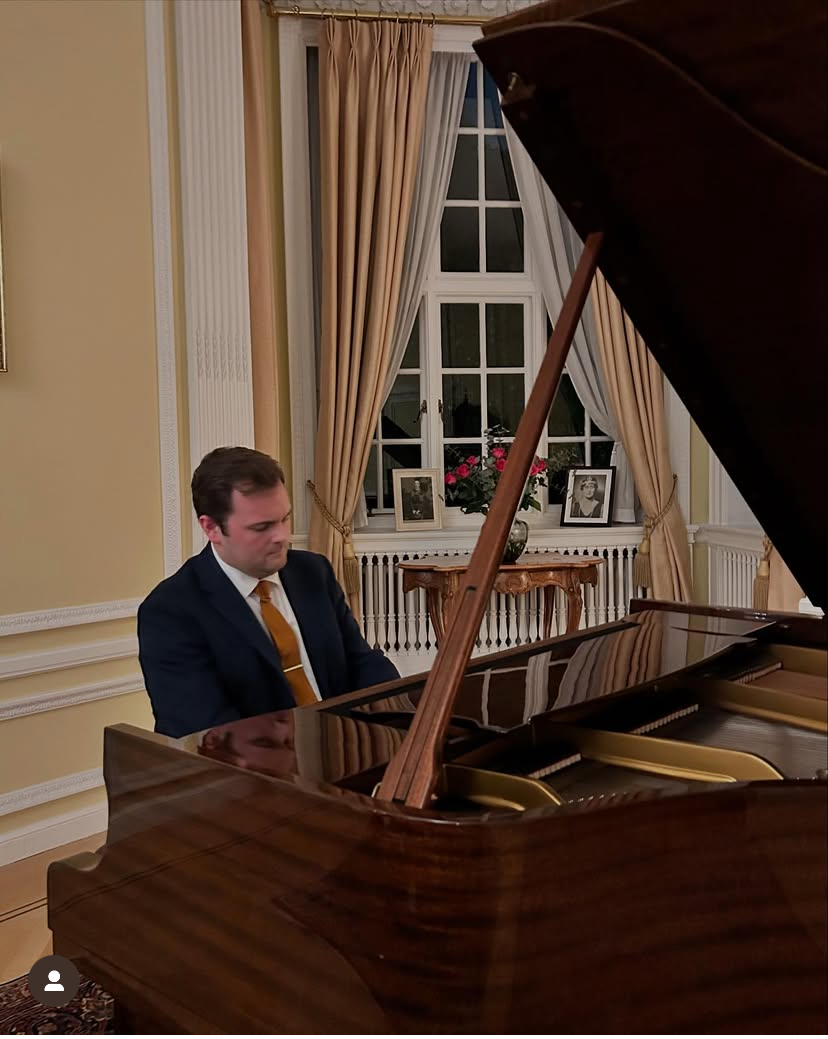
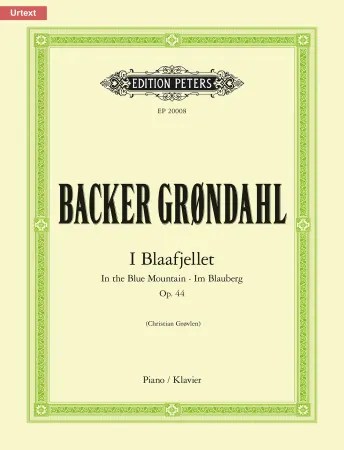
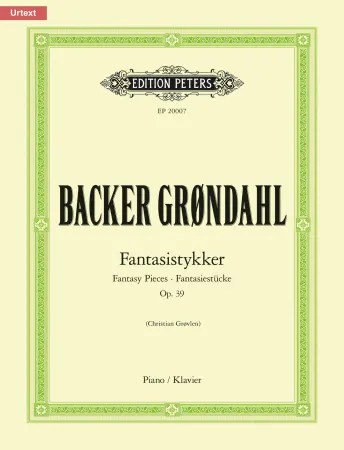
    Last week I attended a reception and recital hosted by H.E. Tore Hattrem, Ambassador of Norway, and Mrs Marit Gjelten, together with Faber Music and Kode Art Museums & Composers Homes to celebrate the first ever Urtext edition of Fantasistykker (Fantasy Pieces) Op. 39 and I Blaafjellet (In the Blue Mountain) Op. 44 by Norwegian composer Agathe Backer Grøndahl. The exclusive event for leading music professionals took place at the Ambassador’s residence in London, an elegant mansion close to Kensington Palace.

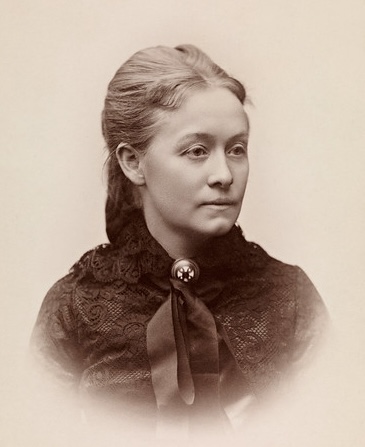
    Agathe Backer Grøndahl (1847-1901) was a Norwegian pianist, composer and music teacher. She studied with Franz Liszt and Hans von Bulow, amongst others, and was a contemporary and close friend of Edvard Grieg. She wrote over 400 works, mainly for piano and voice, and, like Grieg’s, her music blends Norwegian folk elements with Romantic influences. The English writer and music critic George Bernard Shaw described her as one of the foremost pianists in Europe, and at the time of her death in 1907, she was hailed as one of the great names of Norway’s musical heritage. Yet, over the following years her music was overshadowed by her famous compatriot and has remained relatively unknown, until now.

    The music was performed by Christian Grøvlen, who gave some fascinating insights into Backer Grøndahl’s life and her compositional output. Although these works can be defined as “salon pieces” , they display an intriguing range of styles, textures and musical colours – at times impressionistic or nodding towards Bartokian folk idioms and dance rhythms; at other times, energetic, virtuosic and sweepingly Romantic, with a depth of emotion that goes beyond far beyond the salon miniature.  

    The Fantasy pieces resemble Grieg’s Lyric Pieces yet they can also be seen as tone paintings with their programmatic titles (Summer Night, In the Boat, Bird’s Winter Song, for example). And while beauty and charm may lie on the surface of these pieces with their elegance and decorativeness, there is smouldering darkness beneath – and this is the core of Agathe Backer Grøndahl’s music.

    This darkness is more evident in the suite I Blaafjellet (In the Blue Mountain), one of Grøndahl’s major works, dedicated to her sister, the painter Harriet Backer. It owes something to the programmatic music of Liszt in that the suite takes the listener on a journey, not unlike the first year of Liszt’s Annees de Pelerinage. The ‘fairytale’ suite evokes the different moods of the magical mountains of Norway, replete with trolls and wood nymphs, and from the outset, despite the relatively calm opening piece ‘Night”, there is an unsettling sense that something is afoot…. The suite builds in intensity, as the troll emerges from the mountain, heralded by portentous, almost aggressive chords, and unnerving jazz-like rhythms.

    This was a splendid introduction to Backer Grøndahl’s piano music, characterfully performed by Christian Grøvlen, whose affection for and appreciation of it shone through every note.

    The first-ever Urtext editions of two of Backer Grøndahl’s greatest piano works are published by the distinguished music publisher Edition Peters. Edited by Christian Grøvlen, they are based on the original manuscript and the first edition of 1898, which was out of print for many years. Now, in these new critical editions, the beauty and inventiveness of Backer Grøndahl’s writing for piano can be brought to a wider audience and enjoyed by pianists professional and amateur alike.

    “I hope these new editions will make more people play, explore, understand and love Backer Grøndahl’s music” – Christian Grøvlen, pianist

     Find out more


    Support The Cross-Eyed Pianist

    This site is free to access and ad-free, and takes many hours to research, write, and maintain. If you find joy and value in what I do, why not

    BUY ME A COFFEE

    Duncan Honeybourne (piano) & Leora Cohen (violin)

    This interesting new release from British pianist Duncan Honeybourne, with British-American violinist Leora Cohen, introduces the hitherto little-known music of Jessy Reason, known somewhat cryptically during her lifetime as “J. L. Reason”.

    A long-forgotten, enigmatic figure, Jessy Lilian Reason, née Wolton, was born in London in 1878, the daughter of a wealthy hop merchant. In 1902, in Cornwall, she married a gentleman of private means twenty years her senior, with whom she settled firstly in Devon and later in Tonbridge, Kent. In the late 1920s the couple made a final move, to Reading, where Jessy died in 1938.

    In May 1992 a writer called Alan Poulton discovered a large stack of handwritten music manuscripts in a second-hand bookshop. He purchased the collection and during the 2020 Covid lockdown, now retired and with time on his hands, he set about exploring and cataloguing the manuscripts, and researching the life of the woman who had composed 70 handwritten works in the early decades of the twentieth century. The paperwork accompanying the collection reveals that Mrs Reason studied composition with the renowned composer and conductor Eugene Goossens; she was then in her mid-40s, her tutor some 15 years younger. How much of Reason’s music was performed during her lifetime remains unclear: all that has come to light so far is a performance of a single song at London’s Wigmore Hall and a song cycle given at a minor concert in West London, all in the early 1920s. (The current catalogue of Reason’s music, compiled by Alan Poulton, can be found on the British Music Society website.

    Pianist Duncan Honeybourne is a passionate advocate for lesser-known and rarely-performed music, and this new release by Prima Facie Records reflects his unerring ability to unearth really fine music and bring it to a wider audience by recording and performing it (see also his release, also on the Prima Facie label, of piano music by William Baines). On this recording he is joined by young British-American violinist Leora Cohen. She brings a wonderful range of colours and nuance to the Three Poems for Violin and Piano, matching Honeybourne’s playing with a remarkable sure-footedness, sensitivity and musical maturity.

    This disc presents Jessy Reason’s entire output for solo piano, together with the Three Poems, and as such is a wonderful introduction to Reason’s writing. She was clearly a highly-skilled yet largely self-taught composer and musician (her writing for piano reveals an intimate knowledge of the geography of the keyboard): in his biography of his mother, Richard Reason describes her as “an ardent musician, with a fiery style of violin-playing . . .teaching herself the whole technique of writing for full orchestra”. Her scores, some of which I have seen, thanks to Duncan Honeybourne, are elegantly crafted and neatly laid out.

    By turns richly romantic, impressionistic, darkly lyrical, sensuous and harmonically complex, there are hints of late Brahms, Debussy, Ravel, even early Messiaen in Reason’s sophisticated, inventive music. This inspiring legacy of work is brought vividly to life by Duncan Honeybourne on a piano contemporaneous with the music, a 1922 Bösendorfer.

    Piano and Chamber Music by Jessy Reason

    Duncan Honeybourne (piano) with Leora Cohen (violin)

    Prima Facie Records, July 2024

    leoraviolin.com

    duncanhoneybourne.com