Pianists remember pianos.

Not necessarily because they were exceptional instruments. Sometimes quite the opposite! We remember the piano in a childhood home, the battered upright in a school music room, a particularly lovely grand encountered at a teacher’s house, an instrument played in a concert hall, or a piano discovered unexpectedly somewhere far from home. We remember their touch and sound, the peculiarities of their actions, even the smell of the room in which they stood. And sometimes we remember them because of the people who played them before us.

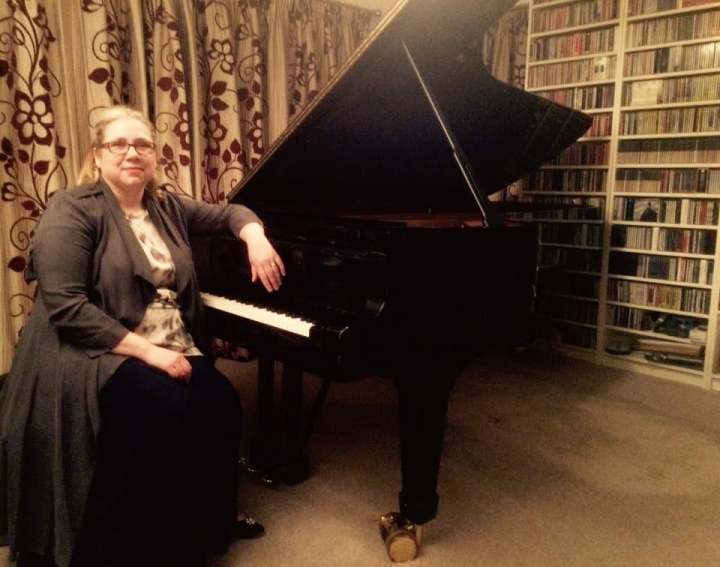
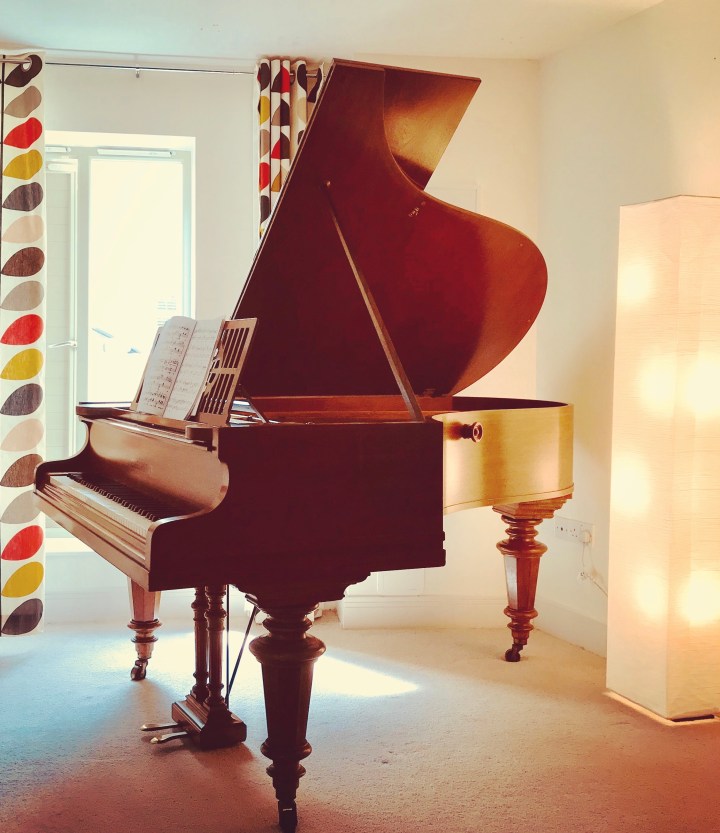
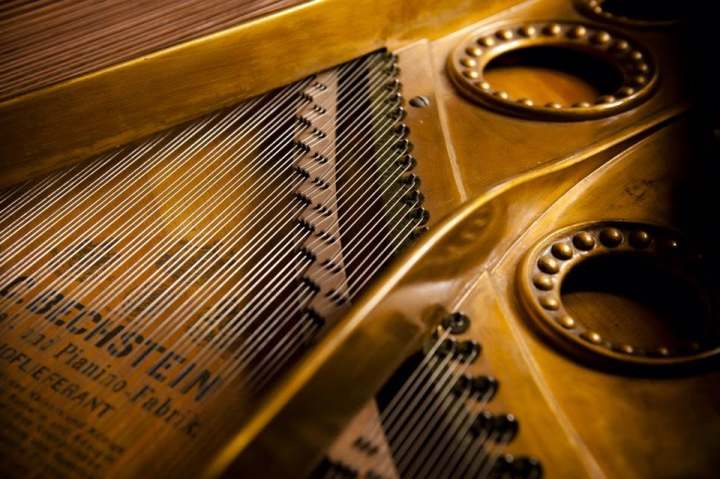
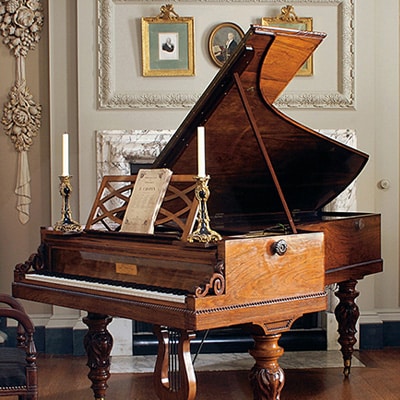
The piano is a machine, but it usually has a soul, and a history too. My 1913 C. Bechstein Model A is redolent of Edwardian drawing rooms. It may well have been sold from the Bechstein piano showroom on Wigmore Street, next door to Bechstein – now Wigmore – Hall, in that golden year when a carefree generation was teetering on the abyss of the First World War. I acquired it in 2013, exactly a century after it was made, a coincidence which seemed especially serendipitous and significant, given the subject matter of the novel I had begun writing some ten years earlier.

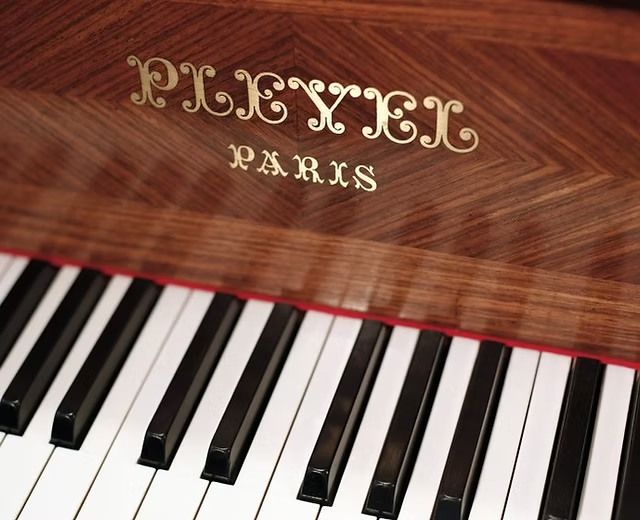
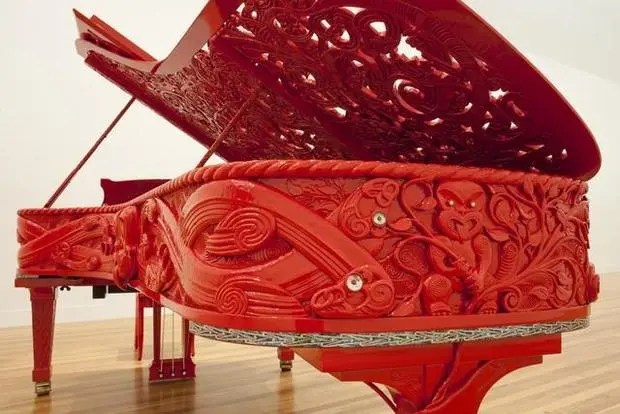
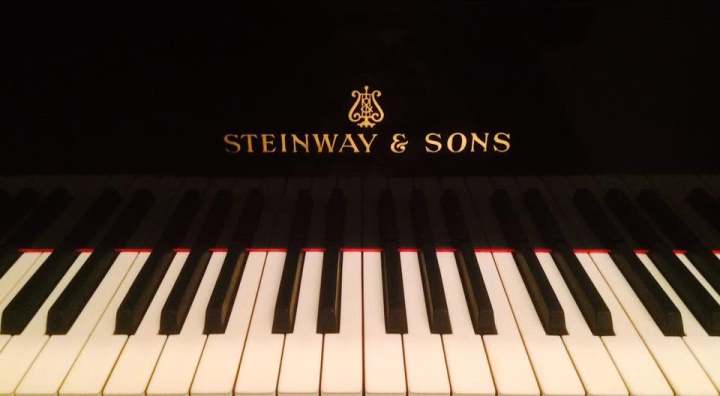
Some years ago, I played a Steinway D with a special heritage. Formerly owned by the Hallé Orchestra in Manchester, it had been played by Sviatoslav Richter and Daniel Barenboim, amongst others. “And now you are playing it!” said its owner, for whose music society I was performing. I’ve also played a square piano owned and autographed by Edward Elgar, a Pleyel said to have been played by Chopin, and an extraordinary ‘Maori’ Steinway, which had belonged to the pianist Lili Kraus. There is a danger, of course, that one can invest too much in these associations, imagining that something of former owners and players remains in the keys and strings and might somehow influence the next person who sits down to play. In reality, it is the pianist at the keyboard now who ignites the soul of the instrument and brings it to life in sound.

Given that Theo Browne, the principal character in my novel Facing the Music, is an ambitious young concert pianist, it was inevitable that pianos would feature prominently in the narrative. Theo encounters a succession of pianos as his life unfolds, each one marking a particular stage in his musical and emotional development. Later in the book, those same instruments become repositories of memory, bound to the people, places and experiences that have shaped him, so that a piano is never simply a piano, but a connection to an earlier period or version of his life.

There is his mother’s Pleyel, the piano of childhood and his earliest encounters with the instrument which will come to define him. Before there is ambition, career or even any real conception of himself as a musician, there is simply the fascination of the keyboard and the discovery of music.

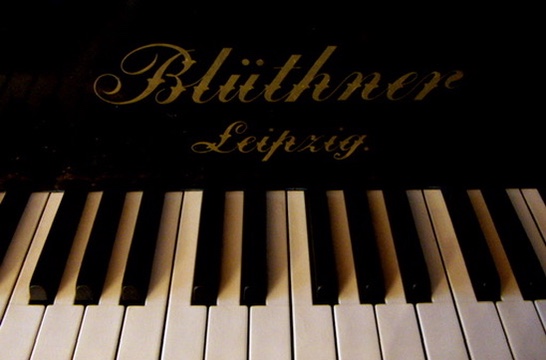
At school there is a Blüthner, an instrument which becomes associated with two of the defining relationships of Theo’s musical life. Here he studies with Mr Hines, whose influence will extend far beyond piano lessons, and here too his deep friendship and musical partnership with violinist Jonathan Lane-Fox begins to take shape – a partnership which lies at the heart of the novel. Teacher and friend offer Theo different kinds of musical companionship: Mr Hines guides and challenges him, while with Jonathan he discovers the particular intimacy of making music with another person.

At Mr Hines’s home in Battersea stands his Broadwood, the piano on which Theo practises Rachmaninoff’s Third Piano Concerto, with Mr Hines beside him at the second piano, taking the orchestral reduction. The scene is charged with ambition: this is the repertoire Theo hopes will belong to his future, music of the international concert platform and the career he is beginning to imagine for himself. But the Broadwood also becomes deeply bound up with Theo’s memories of his beloved teacher, and of the musical life they shared. As the novel unfolds, it acquires a significance that reaches beyond the instrument itself.

Sir Ralph Kaufman’s Steinway has a history which long predates Theo’s first encounter with it. It belonged to Ralph’s father, Jakob, a concert pianist from Vienna, and carries with it the traces of a musical life from an earlier generation. When Theo first sits down at it, he is intimidated by its pedigree and by everything it seems to represent: “This was no ordinary instrument. It was a witness. It had travelled, and it had lived.” But as Theo’s relationship with the Kaufman family deepens, so too does his relationship with the Steinway. Gradually it acquires another layer of associations, becoming a repository not only for the Kaufman family’s musical past, but for Theo’s own memories and experiences.

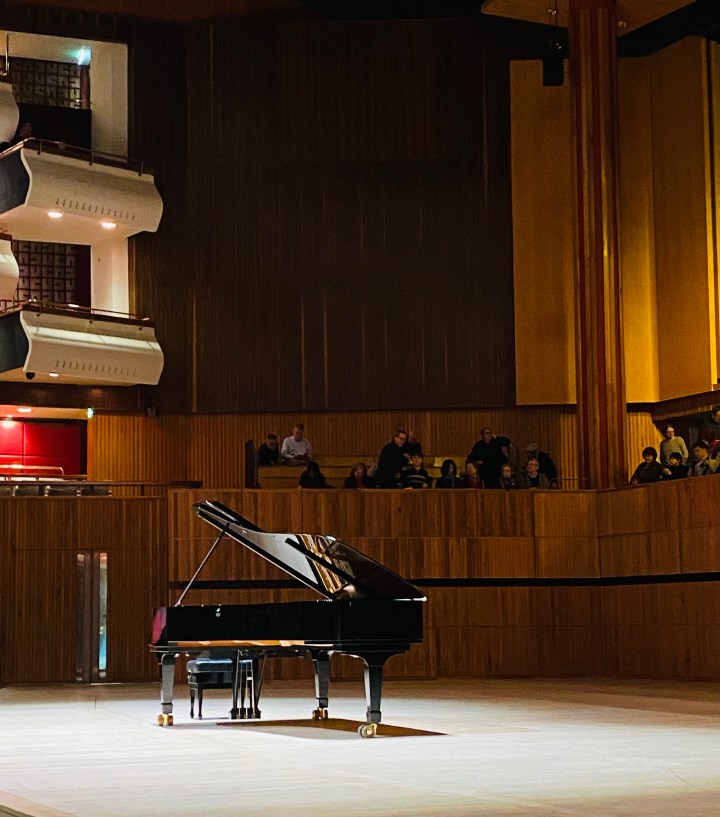
And then comes the C. Bechstein concert grand at Bechstein (now Wigmore) Hall. For Theo, sitting at that piano represents arrival: the concert platform at a prestigious London venue, an audience, and the beginning of the career towards which he has been working for years.

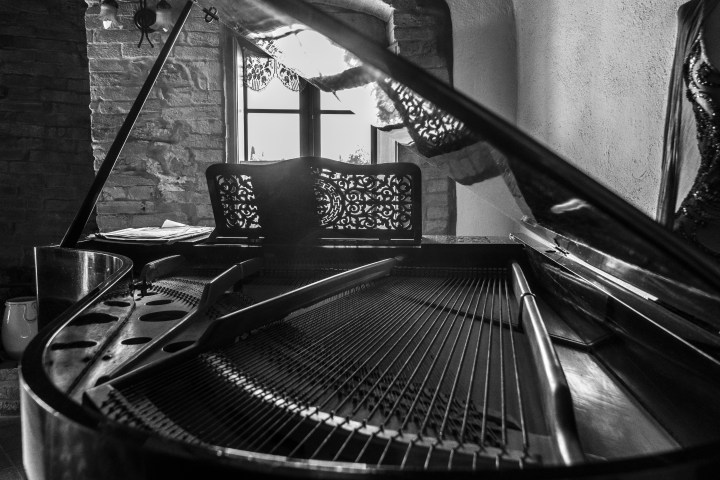
Later, in France, Theo, now an Army officer, encounters a very different instrument: a dilapidated Érard in a château where his battalion is billeted. By then, a piano means something quite different. It is no longer primarily an instrument of ambition or professional advancement. In surroundings unimaginably distant from concert halls and daily practice, the mere presence of a keyboard offers a connection with another life.

I love the physical presence of the piano – from a domestic upright to the grandest Steinway D – as much a piece of furniture as an instrument from which to conjure sound. I love the piano’s complexity, and the way it always seems to invite us to touch it. Put a piano in a public place and people are drawn to it: they will sit down and play, while even those who cannot play are tempted to press the keys, curious to hear the sound they can make. And a piano invites repeated physical contact. Hands have pressed its keys thousands, perhaps millions, of times. Someone practised scales on it, someone struggled with a Beethoven sonata, someone played for a teacher, accompanied a friend, prepared for a concert, played badly, played wonderfully, or simply sat down one evening and played for pleasure.

Perhaps pianos do not remember us at all. My Bechstein keeps its first hundred years of history to itself. We are the ones who supply the memories. We attach people, places, pieces of music and particular periods of our lives to these complicated machines of wood and felt, wire and iron. Yet the moment someone sits at the keyboard, the machine becomes something else. It sounds, responds, resists, sings – and another memory begins.

Which pianos do you remember?

Not necessarily the finest one you have ever played, but the instrument that has stayed with you: your childhood piano, your teacher’s grand, the terrible upright in the school practice room, a concert instrument you were reluctant to leave, or a piano with a history that made you think differently as you placed your hands on its keys.

Leave a comment below or contact me with your piano memories.


Facing the Music is out now in paperback and eBook. Find out more
Pianist Anastasiya Bazhenova explores the fragility of the human condition in her debut album

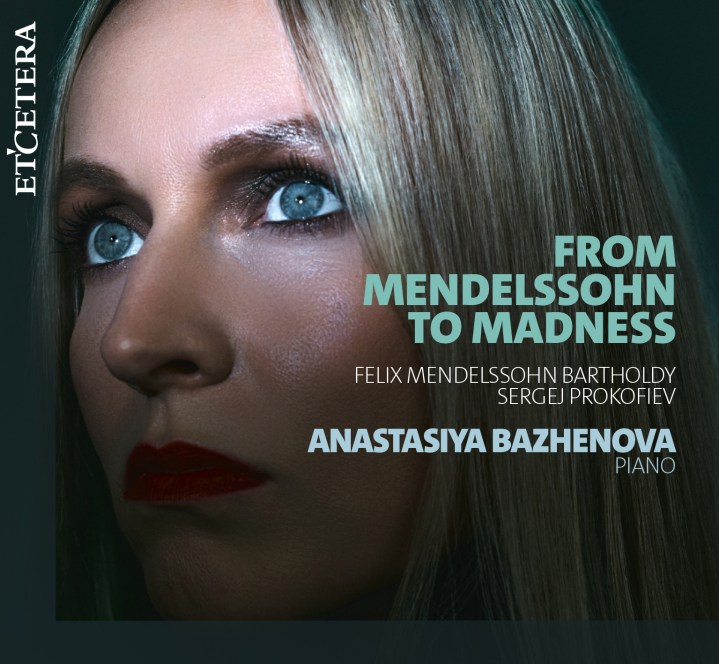
In her debut recording, pianist Anastasiya Bazhenova presents a programme that goes beyond a simple chronological survey of keyboard music. From Mendelssohn to Madness is not just about contrasting different historical periods; it is a deep exploration of the human condition and how our inner worlds change when external stability starts to fade.
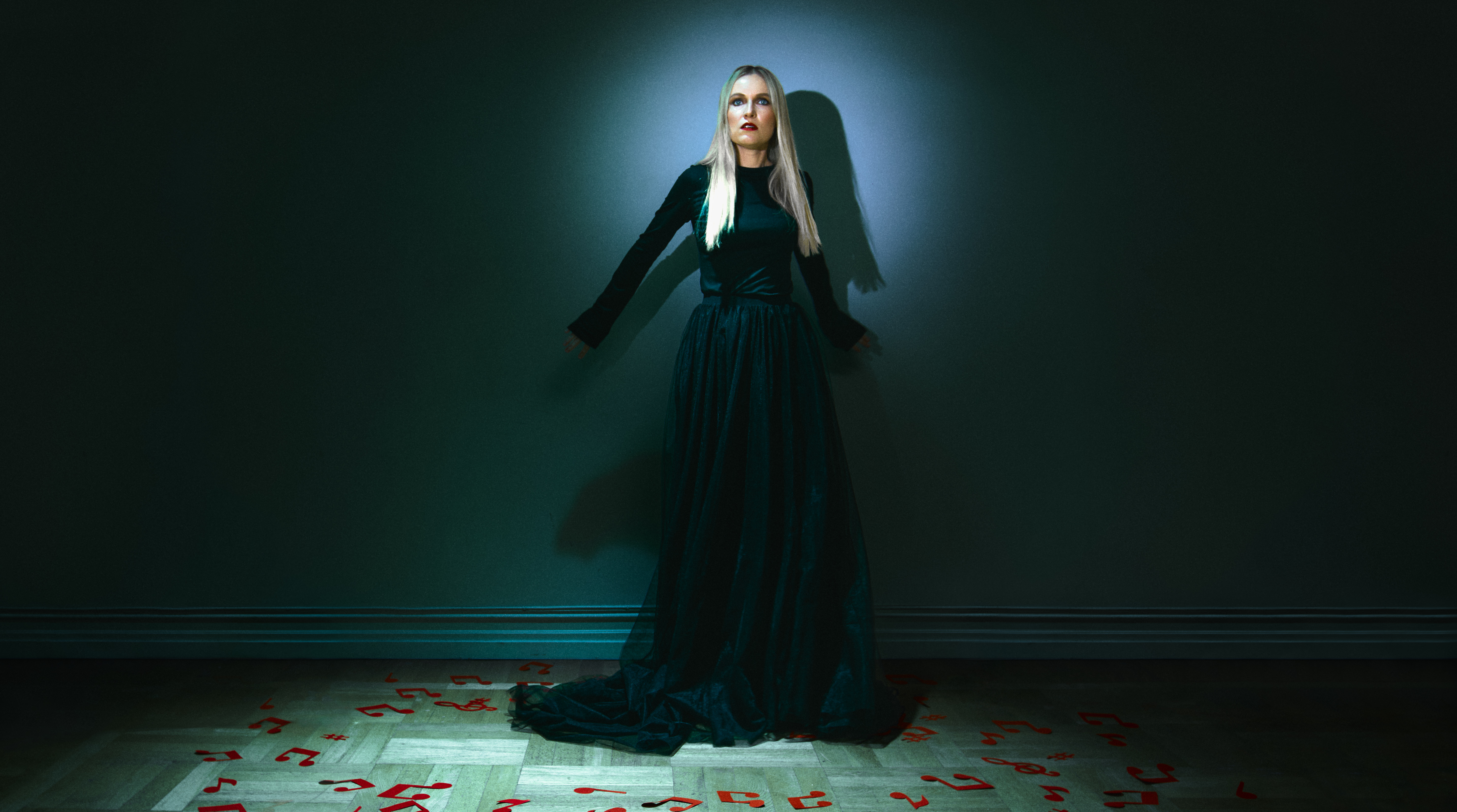
For me, the tension is already present in the Mendelssohn. His music often sounds lyrical and balanced, but there is also something fragile in it, as if the stability could break at any moment. The Fantasia in F-sharp minor begins to open up that tension — it is more restless, more searching. And by the time we reach Prokofiev, the tension is no longer hidden. It becomes direct, physical, almost violent. So the “madness” in the title is not only the destination. It is something that slowly reveals itself along the journey.

Anastasiya Bazhenova (interview with Indie Boulevard magazine)

The album begins within the world of Felix Mendelssohn Bartholdy, a composer whose music hails from an era where form offered a sense of reassurance. In his Songs Without Words, Bazhenova uncovers a serene human voice that communicates with the confidence that it can still be heard without exertion. During this period, qualities such as clarity, proportion, and beauty were not merely ornamental; they were fundamental tools for understanding both oneself and reality.

However, even within this transparent beauty, a subtle tension begins to emerge. In the Fantasia in F-sharp minor, this balance is no longer an automatic state but a conscious effort. Here, the music becomes a battleground where light and darkness clash, symbolising an inner struggle to preserve wholeness against forces that seek to dismantle it. For Mendelssohn, form serves as a final battleground against chaos.

The narrative takes a sudden turn with Sergej Prokofiev’s Sixth Sonata, which opens the space beyond the rupture of the old order. This is music for a world that no longer promises stability—a world where the pace of change has quickened beyond our ability to comprehend.

Within this sonata, intense emotional states coexist in a raw, exposed form: fear, fury, despair, irony, and paranoia. The music forsakes the pursuit of traditional harmony, opting instead to record reality in its most unfiltered state. As the album moves from Mendelssohn to Prokofiev, the listener undergoes a inward shift: a transition from trusting in form to living without guarantees, and from viewing beauty as a support to acknowledging the need to live without it.

Rather than viewing these pieces as a collection of separate works, Bazhenova considers the programme as a single internal trajectory. The album does not seek to resolve the tensions it presents or provide simple explanations. Instead, it allows the music to unfold as a continuous process – a musical narrative of a human being who keeps feeling, thinking, and searching for meaning even when the structures of the past have broken down.

We often think of madness as something extreme or pathological, but in reality it is much closer to ordinary human experience. It can grow out of fear, obsession, loneliness, or simply from the unbearable tension between what we feel inside and what the world expects from us. In that sense, “madness” in this album is not something distant or theatrical. It is something that lives quietly inside many people. Music simply gives it a voice.

Anastasiya Bazhenova

From Mendelssohn to Madness is released on CD and streaming 1 April 2026 on the Etcetera Records label

Anastasiya Bazhenova performs in London at the 1901 Arts Club, a delightful salon-style concert venue, on 24th April. Details here https://www.1901artsclub.com/24-apr-2026-from-mendelssohn-to-madness.html

Anastasiya Bazhenova pianist

Photo credits Torgeir Rørvik

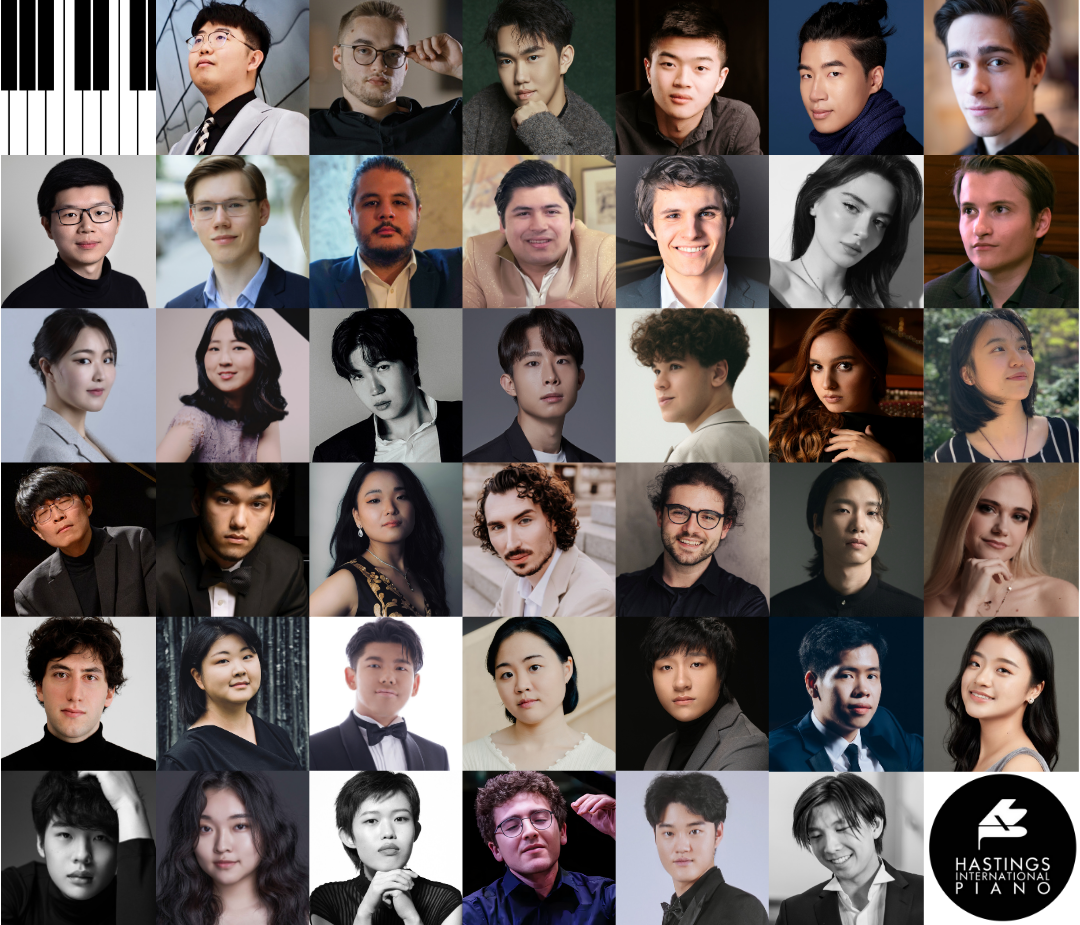
Hastings International Piano is thrilled to announce the 40 pianists who have been selected to take part in the 2026 Hastings International Piano Competition, which takes place from 26 February to 7 March 2026 at the White Rock Theatre, Hastings.

Chosen by an experienced pre-selection jury, who watched video auditions of 356
applicants from 46 countries, these 40 pianists – aged between 19 and 29 – will travel from 18 nations to compete in one of the world’s leading competitions for rising stars. This year marks the 18th competition since its revival in 2005, continuing a proud tradition that began over a century ago with the Hastings Musical Festival.

Under the artistic direction of Professor Vanessa Latarche since 2020, the competition is a highlight in the international music calendar. Renowned for its unique format , requiring competitors to perform concertos from the very first round; it offers a platform for young artists to perform with orchestras including the Sinfonia Smith Square and the Royal Philharmonic Orchestra.

The 2026 competitors represent a remarkable breadth of talent, with participants from countries including China, South Korea, Russia, Taiwan, the USA, Ukraine, Japan, and beyond. Full list here


● Competition rounds will run as follows:
➔ Round 1: 26–28 February – 40 competitors perform extracts from two concertos
➔ Round 2: 1–2 March – 20 competitors perform a solo recital including a new work
by Sir Stephen Hough
➔ Semi-Finals: 4–5 March – 10 competitors perform a classical concerto with
Sinfonia Smith Square
➔ Finals: 6–7 March – 5 finalists perform a Romantic or 20th-century concerto with
the Royal Philharmonic Orchestra

All five competitors who reach the final will receive a prize, with first prize worth
approximately £35,000.

Tickets for the first two rounds are free, and the public is encouraged to attend and
experience world-class music in a seafront theatre.

Through its Learning & Participation programme, Hastings International Piano remains committed to bringing classical music to all – from school workshops and community concerts to pop-up pianos across the town – ensuring that the joy of music continues to inspire every generation.

The competition is generously supported by Steinway & Sons and numerous sponsors and benefactors, including the Kowitz Family Foundation, which has supported the competition since 2009.

Vanessa Latarche, Artistic Director, says: ‘We are thrilled to announce forty remarkable young pianists coming to Hastings in 2026. The standard of applications this year was exceptionally high, reflecting the competition’s growing stature. It’s no easy task picking from over 350 applications, but it is inspiring to see so many gifted musicians from around the world share their artistry and passion for piano performance. We look forward to hearing them bring their music to life on the White Rock Theatre stage.’

Find out more here

[Source: press release]

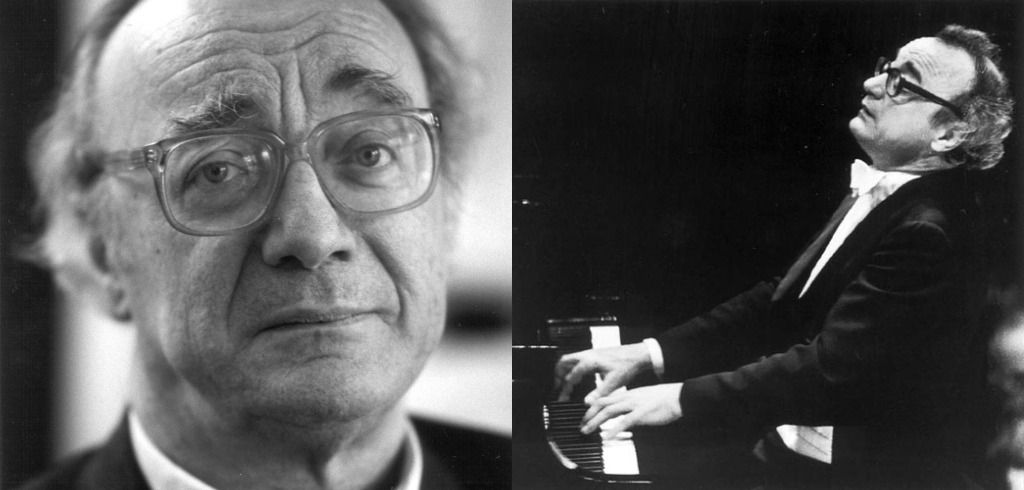
It’s hard to believe Alfred Brendel has died at the age of 94. He’s been a part of my musical landscape since I was a teenager, when my mother, who was an admirer of Brendel in concert and on LP, bought me an Edition Peters copy of Schubert’s Impromptus and Moments Musicaux to learn – music which has remained central to my own piano journey for over 40 years.

A highly regarded pianist whose performances and recordings of the core of the classical canon – Haydn, Mozart, Beethoven, Schubert and Liszt – are considered amongst the finest, Brendel retired from the concert platform in 2008 to focus on writing and lecturing. In addition to his impeccable, tasteful playing, his erudite and engaging writing on composers, music and the exigencies of the pianist’s life is intelligent and considered, the result of a lifetime spent in music.

What follows is just a handful of quotes from Alfred Brendel which offer some useful food for thought for musicians of all ages, whether amateur, student or professional.

If I belong to a tradition, it is a tradition that makes the masterpiece tell the performer what to do, and not the performer telling the piece what it should be like or the composer what he ought to have written.”

Brendel interviewed on the BBC

Fidelity to and respect of the score are the fundamentals of learning and performing music.

The score is the performer’s “road map”, with “signposts” to guide tempo, mood, expression, articulation, dynamics. These markings are also the composer’s personal “signs”, indicating and illuminating how he/she envisaged the music. At a simplistic level, these markings tell us “how to play the notes”, and we ignore them at our peril. Sometimes we have to make considered judgements in order to balance fidelity to the score with, for example, the possibilities offered by the modern instrument; such judgements are based on musical knowledge and experience. So while adherence to the score is fundamental, equally it is not the composer’s last word, as it were, and the score thus provides a jumping off point for interpretation, allowing the performer to bring their own personality and experience to the music and create performances which offer insights into the music while also remaining faithful to the text.

Brendel’s quote is also an important reminder to keep the ego in check when we play, so as not to obscure the music.

Recordings…have helped me to be better aware of my playing, to control it and listen to it more precisely

Here Brendel is talking about listening to his own recordings. Recordings are a very useful tool in practising, offering the musician an opportunity for self-critique, reflection and adjustment. And returning to recordings after a period of time, perhaps years in the case of Brendel, can also be enlightening as they offer a snapshot of where one was in one’s musical development/career and an opportunity to consider how one’s playing may have matured over time.

It should not be the purpose of listening to a number of recordings of a piece to observe what others have done and then play it differently to all of them because it’s me! The other end is to copy a performance that one loves as much as possible – one can learn from it….The most important source of performance is still the score.

Listening to recordings by others of the music you are working on is another useful practice tool, offering ideas about presentation, tempo, articulation and interpretation. As Brendel says, we should not seek to copy the great performers – imitation can sound contrived and artificial and anyway no one could truly imitate great pianists like Cortot or Argerich, for example. Equally, we should not seek to be different for the sake of our ego, but rather seek to be authentic and honest in our approach to and performance of the music. This also, neatly, comes back to Brendel’s comment about the importance of fidelity to the score and placing oneself at the service of the composer and the music, not one’s own ego.

This article first appeared on the Interlude.hk site, in an earlier version

More appreciation of Alfred Brendel here