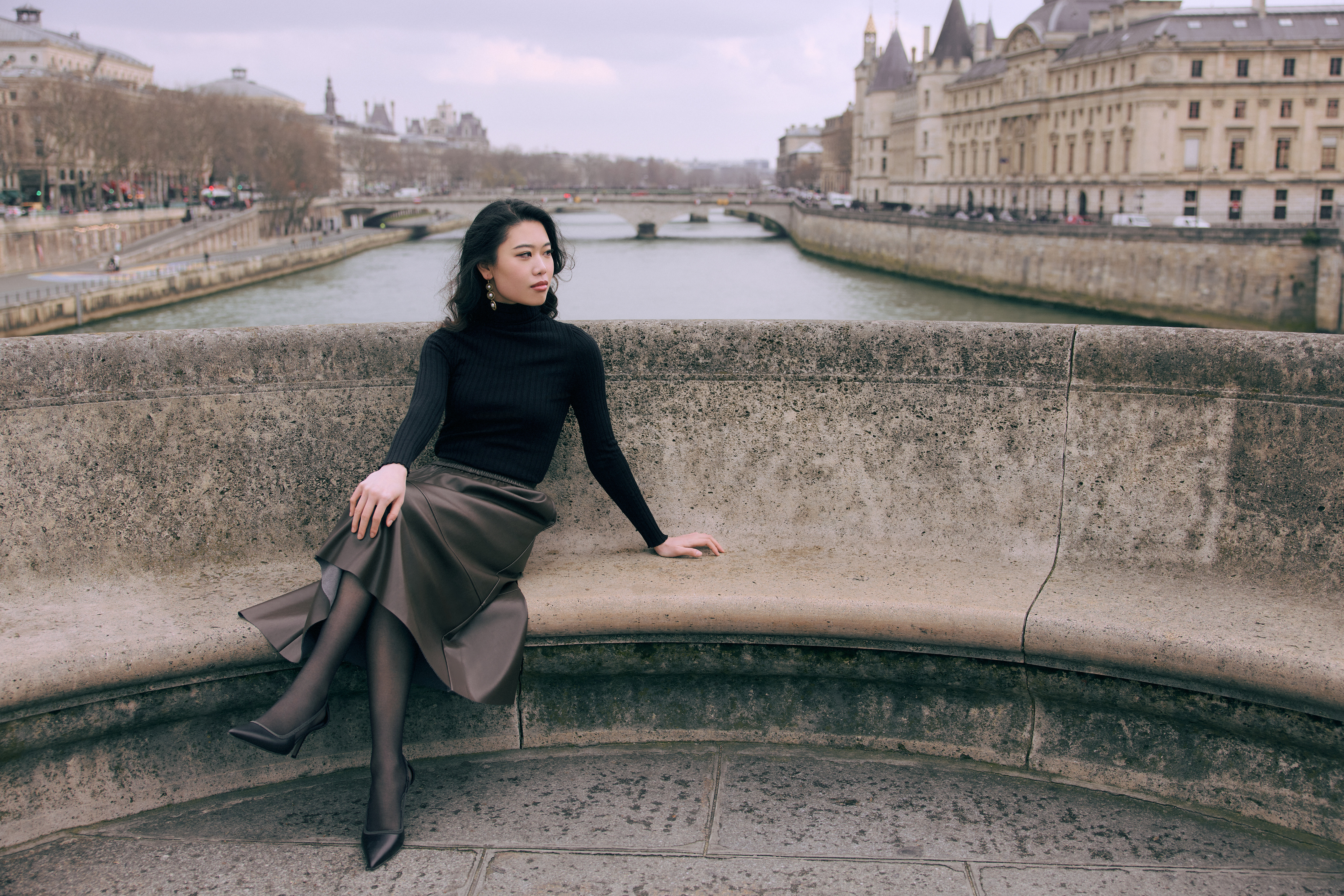
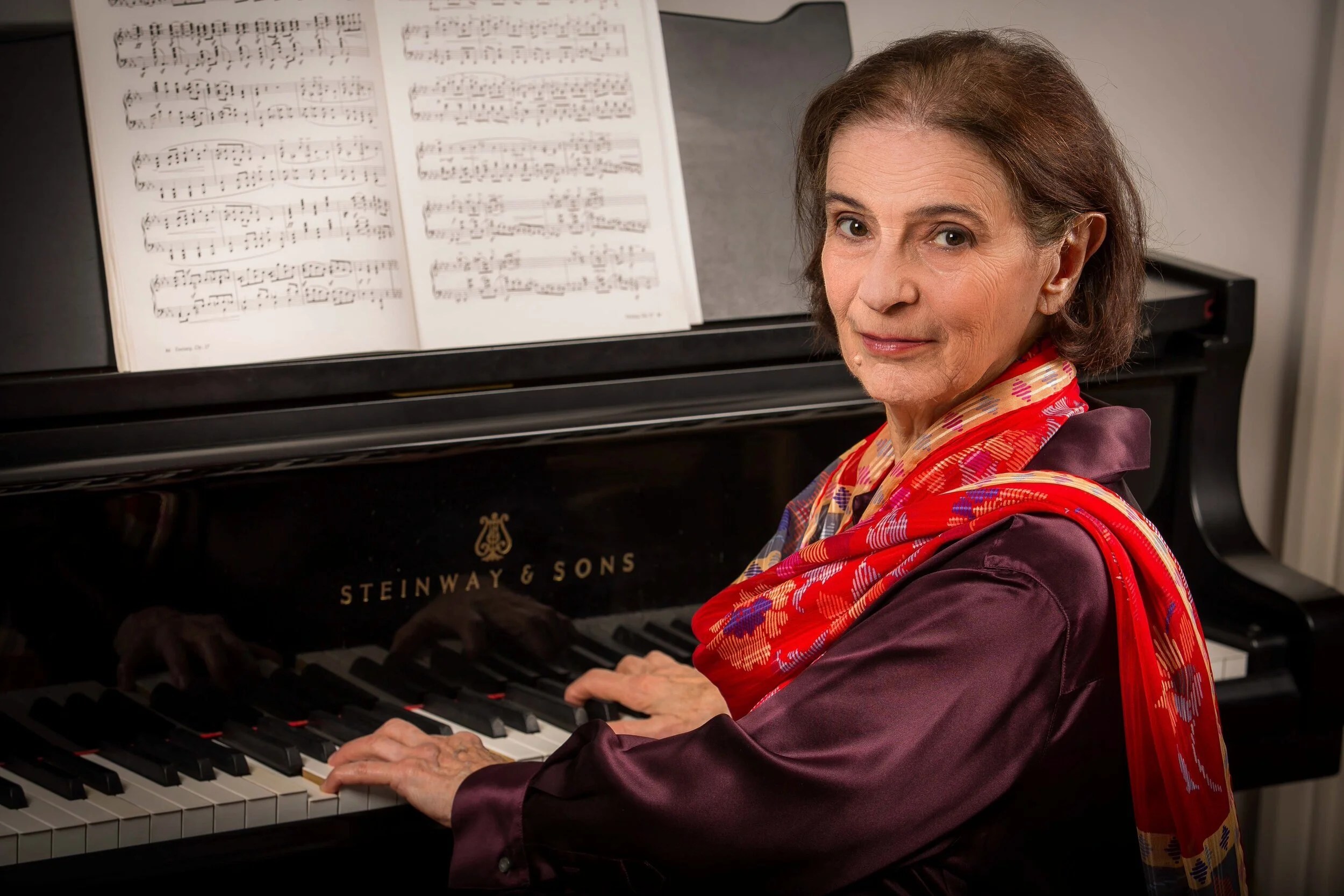
London-based Chinese pianist Siqian Li announces her debut recording, Voyage among Fragments. Described as a ‘meditation on movement and memory’, the album serves as an artistic mosaic, gathering ‘shards of experience’ from Li’s life and career into a single, unified ‘language of sensitivity and refinement’.
The title reflects how my artistic identity has been shaped by many small but powerful moments rather than a single narrative. These “fragments” are memories, emotions, and cultural influences that have stayed with me – my Chinese roots, the elegance and sensitivity of French culture, and the free spirits and boldness I discovered during the years in America.
Siqian Li
Featuring transcriptions by virtuoso pianists such as Ignaz Friedmann and György Cziffra, the pieces ‘allow familiar voices to be rediscovered through the piano, inviting audiences to hear them with fresh intimacy and perspective’ (Siqian Li).
The repertoire charts Li’s development across three distinct cultural landscapes – China, France, and the United States – reflecting moments and encounters that have shaped her artistic identity.
Her native musical language is explored through Chu Wanghua’s Jasmine Flowers Fantasy, a piece that transforms a beloved Chinese folk melody into a timeless work, providing the pianist with a ‘profound sense of home’. Her years of study at the New England Conservatory in the USA are captured through the energy of the city and the spontaneity of jazz found in George Gershwin’s Rhapsody in Blue. This American experience also includes the ‘first spark of inspiration’ for the album: Maurice Ravel’s La valse. Performed in a transcription by her teacher, the Georgian pianist Alexander Korsantia, the work represents a turning point for Li, marking a period of ‘boldness and fearless expression’.
The French spirit is woven throughout the recording, particularly in Alexis Weissenberg’s evocative transcriptions of Charles Trenet’s songs. These pieces recall Li’s first major recital outside of China at the Festival d’Auvers-sur-Oise, evoking memories of ‘floral Parisian streets’ and a ‘carefree spirit’. Other works, such as Dalayrac’s Romance and Cziffra’s arrangement of Vecsey’s Valse triste, explore bittersweet beauty and the sincerity of human connection.
The album’s voyage concludes in a state of serenity with Gounod’s Meditation on Bach’s Prelude in C Major. A prayer amidst the constant noise of our time, the final track invites the listener to ‘listen inward’ and find ‘truth in simplicity’.
Siqian Li regards this album as a personal reflection on her artistic life so far – a collection of ‘moments of courage, tenderness, discovery, and transformation’. As Li says: ‘May this music remind us all that beauty often lives in the most fleeting, delicate moments between what was and what is’.
Voyage Among Fragments is released in early March on the Sagitta Musica label, an independent record label, created by Siqian Li, devoted to artistic storytelling and the infinite horizons of emotion. Drawn by the inspiring arrow of sound, it is a space where stories unfold and music flows beyond – where classical roots meet imagination, sensitivity and freedom.
Siqian Li says,‘Through this debut, I wanted to highlight a pianistic personality rooted in curiosity, sensitivity, and emotional honesty. In curating the programme, I consciously moved away from a traditional idea of how a classical album should sound, allowing contrast, variety, and intuition to guide my choices. Rather than focusing on virtuosity for its own sake, my aim was to let imagination, colour, and inner listening shape the interpretation, placing freedom and vulnerability at the centre of musical communication.’
Launch concert – Tuesday 10 March at Fidelio Cafe, London. Tickets/info
This site is free to access and advert-free, and takes many hours each month to compile and edit. If you find value and joy in this site, please consider making a donation to support its continuance:
The choir of All Saints Aston in the Diocese of Sheffield are embarking on a rather exciting project for their Lenten Cantata. They’ve dusted off a very old and obscure choral work by the English composer, Thomas Adams. In this article, Director of Music, Elliott Walker introduces the work and talks about the pleasures and challenges of working on it with the choir.
Can you give us a brief background to this piece?
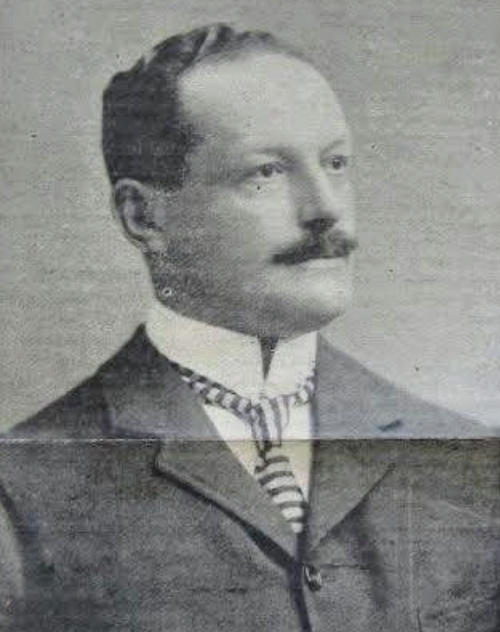
Thomas Adams (note that there are two composers of this name!) was a Victorian/early Edwardian composer and organist based in London. He was Organist and Director of Music at St Alban’s, Holborn, from June 1888 until November 1918 where he died in post. The church itself was heavily shaped by the Oxford Movement, a tradition which it still up holds to present day. The cantata is a devotional work focused on the meaning of the Cross. Rather than retelling the story of Christ’s crucifixion – as in The Crucifixion by John Stainer – it instead offers a reflection on sacrifice, love, and discipleship. The text draws on scripture, including Psalm 91, Corinthians, Matthew, Genesis, and others.
Scored for chorus with soprano, tenor, and bass soli, the work is, in its simplest form, a piece of devotional music intended to transport a congregation into a state of wonder, reflection, and piety.
Thomas Adams
How did you discover this music and what drew you to it?
I think it is an exceptional privilege that, as musicians, we are not only artistic creatives but also custodians and historians of the rich tradition of church music. On a weekly basis, we carry the responsibility of reinventing the archaic, returning to familiar repertoire, and exploring the modern expressions of the genre.
We have this precious window of opportunity to delve into the archives, to rediscover music that once served its purpose in the Victorian period, and to reimagine it in a 21st-century context—something I am sure the original composer could never have envisaged.
I spent time researching what cantata we can do this year. I wanted to do something obscure as a challenge to the choir. I was personally drawn to this work by the opportunity to dust off music from the archives and bring it back to life. Like most Directors of Music, I also approached it with a practical eye, considering the timescales required to learn the work and how it would fit within an already full term schedule.
You say there are no recordings of it. How has this influenced your preparation of the music with the choir/soloists? What kind of interpretative decisions have you made with no “benchmark” recording to refer to?
Whenever musicians perform a piece, it is essential that they understand what they are actually performing. For example, there is little value in singing music in Latin if one does not understand the text or its meaning. A clear grasp of the words is crucial if we are to convey them with integrity and convincingly.
Although the score provides some tempo and dynamic indications, these are often quite general, and so our approach must be more analytical. We begin by asking fundamental questions: what is the text saying? How does the harmony support the word-painting? How is tonality being used? How do the voices interact with one another?
One of my favourite moments (spoiler alert!) occurs in a choral movement where there is a sudden shift from E major to C major – initially quite surprising. However, when the text is examined closely, the modulation makes perfect sense, serving to uplift and intensify the meaning of the words at that point.
Listening to and studying other Victorian repertoire has also helped to establish a broader stylistic context and offered valuable insight into the musical language of the period—though I appreciate that Victorian church music is not every church musician’s cup of tea!
What are the most challenging aspects of singing this work, and the most enjoyable?
Most enjoyable: – It feels like piecing together a jigsaw, with each individual movement gradually forming part of a larger, unified picture. – Sharing the cantata’s purpose and historical context with the choir, and inspiring them through a deeper understanding of the work. – Finding every possible opportunity to be excited about church music and to pass that enthusiasm on. – Offering the piece as an act of worship rather than as a concert performance, which gives it an entirely different interpretative lens and depth of meaning.
Most challenging: – Working from what is essentially a blank canvas, while finding creative and imaginative ways to shape the music. – Reading and navigating an older style of musical typography.
– Many of the choir, some of which have sung with us for a long time, are enjoying learning new hymns! The combination of learning hymns where both words and music are new is a welcome (and refreshing!) challenge.
What do you hope your audience will take away from hearing this work at your Lenten performance?
Our performance will be part of a service – whether you are attending for worship purposes, or curiosity, we hope that the listener will take away one or more:
Through music and text, be transported to a space of reflection on the meaning of the cross.
A chance to listen to music of a forgotten time.
Tell us more about your choir at All Saints Aston.
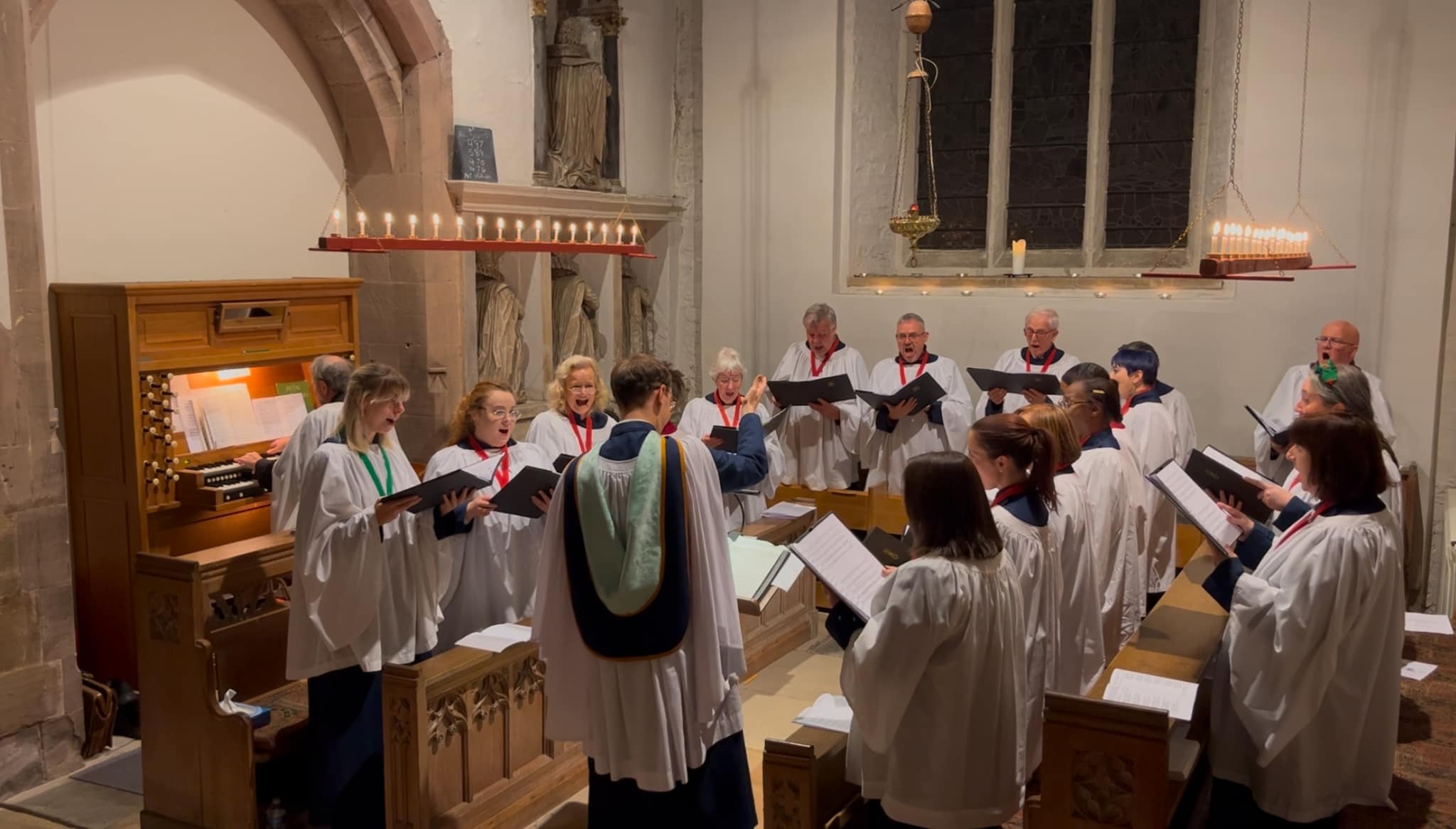
The Choir of All Saints, Aston, stands at the heart of the church’s worshipping life, upholding a rich tradition of Anglican choral music within our vibrant parish community. With a commitment to musical excellence and reverent service, the choir seeks to enhance the liturgy through music that inspires devotion and reflects the beauty of the Christian faith.
We sing a wide variety of sacred music drawn from across the centuries – from early choral works and Anglican repertoire to modern settings by contemporary composers. The choir leads the musical worship at services throughout the liturgical year, offering both congregational and choral music that enriches our worship and deepens our sense of praise. Regular choral services such as Choral Evensong and Sung Compline form an important part of our musical life, alongside occasional services of Choral Matins, special festivals, and other significant occasions in the church calendar.
Our mixed adult SATB choir, under the direction of our Director of Music, Elliott Walker, comes from a range of backgrounds and musical experiences, united by a shared love of singing and service through music. We all have a shared vision of upholding the highest standards of liturgical music-making. We take what we do with pride, but also with great joy.
The choir has also been involved in new music, including the premiere of a commissioned composition, Ave Verum, by composer Joseph Shaw, furthering our commitment to supporting living composers and expanding the Anglican choral tradition. In addition, we have hosted “Come and Sing Evensong” events for churches across the Diocese, encouraging participation in choral worship and nurturing a wider appreciation of Anglican liturgy and music. Last year, we performed Stainer’s The Crucifixion as our Lenten offering.
How do you feel the Royal School of Church Music (RSCM) supports church music in the UK and choirs such as yours?
The RSCM plays a vital role in supporting church music in the UK and choirs such as ours by enabling worship to flourish through music in all its forms. As a church with 45 years of affiliation to the RSCM, we wholeheartedly uphold its mission, values, and virtues.
This support is not limited to any single style of church music. Whether through contemporary worship, traditional choral repertoire, or lesser-known cantatas, the RSCM’s inclusive and fluid approach affirms the richness and breadth of sacred music. Through this openness and encouragement, the RSCM continues to nurture choirs, musicians, and congregations alike, ensuring that church music remains vibrant, relevant, and spiritually enriching.
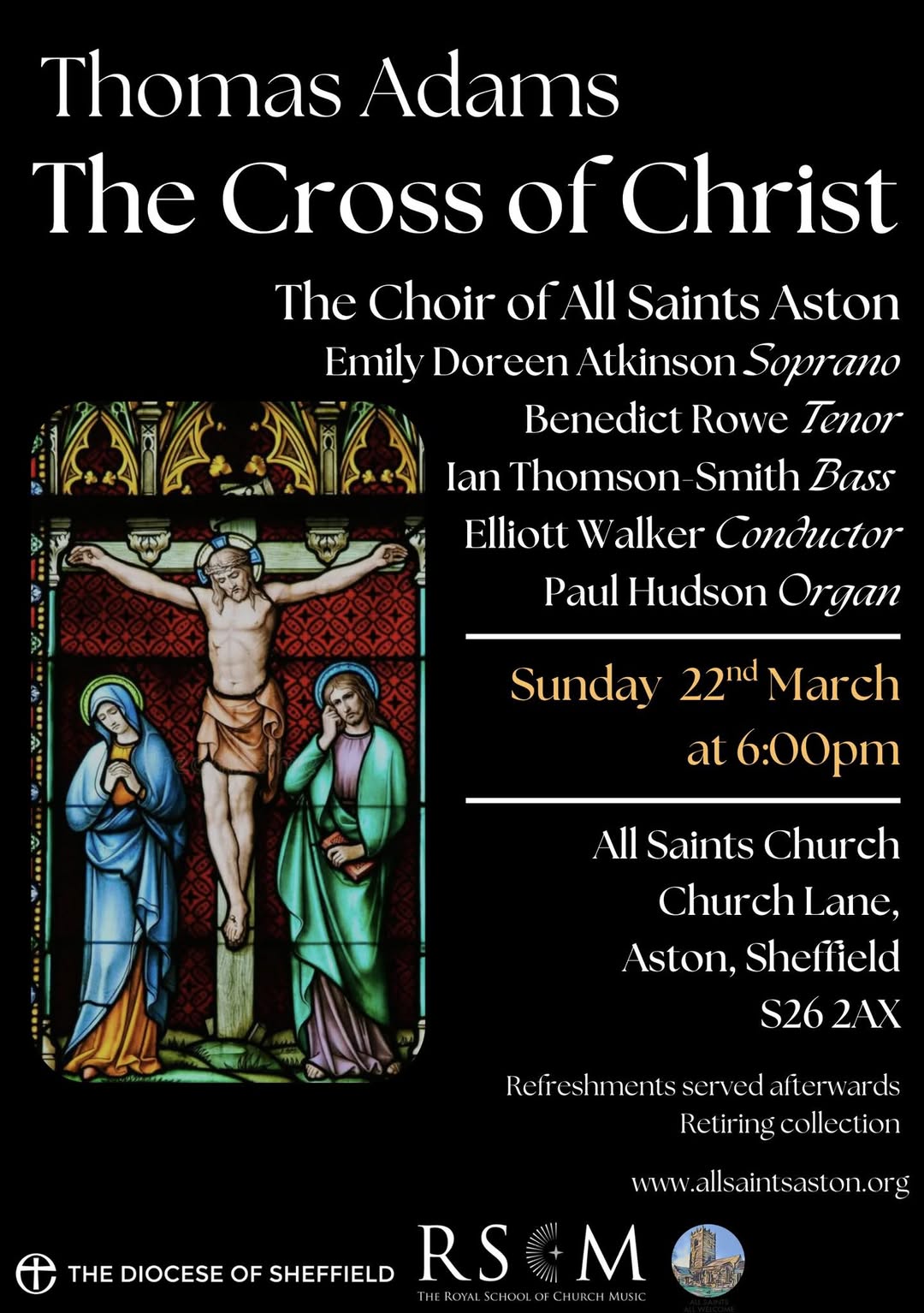
Performance is on Sunday 22nd March at 6pm
All Saints Aston, Church Lane, Aston, Sheffield, S26 2AX
We are exceptionally excited to be working with our talented soloists: Emily Doreen Atkinson (soprano), Benedict Rowe (tenor), Ian-Thomson Smith (bass), and Paul Hudson (organist).
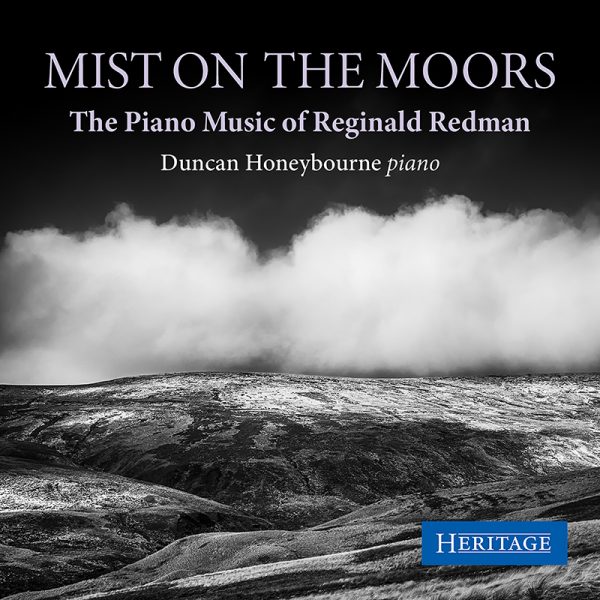
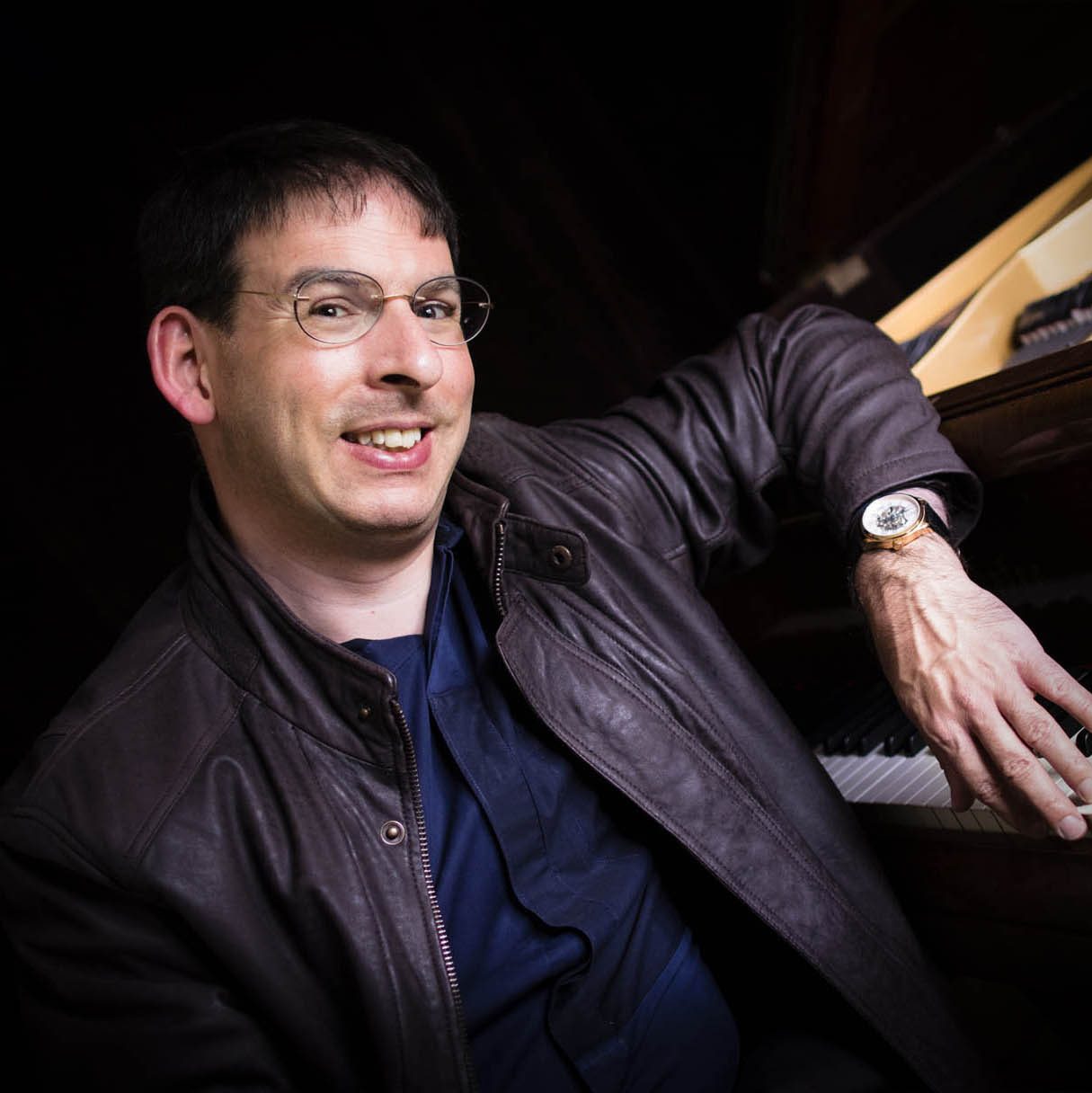
British pianist Duncan Honeybourne continues in his splendid quest to bring lesser-known and rarely-performed British piano music to the fore with his latest release – a collection of pieces by Reginald Redman (1892-1972).
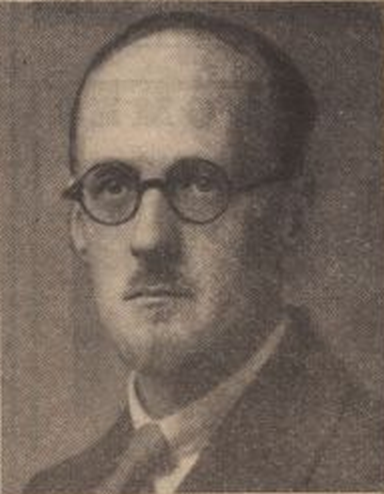
Reginald Ernest Redman (known as “Rex” to his family and friends) was born in London on 17th September 1892, but his roots were in the South and West of England (his father came from Wiltshire and his mother from Devon). He became a church organist at the age of 16 while working as a bank clerk before going on to study music at the Guildhall School of Music. In 1926, Redman took a major career step which was to colour the rest of his life: he joined the new British Broadcasting Corporation (BBC), initially as an orchestral pianist and then as conductor of what became the National Orchestra of Wales. He then became the BBC Director of Music, Western Region, remaining in that role until 1952, where he had a significant influence on shaping the musical tastes of listeners. Alongside this, he composed for radio and television.
His music is strongly connected to the West Country, with many pieces having local inspiration (for example, A Cornish Legend and The Mist on the Moors), but he was also an expert on Chinese music (he set some 50 Chinese poems to music), and this is evident in his use of pentatonic harmony and a fondness for fourths and fifths, for example, in The Mystic Garden and the three Preludes, which have a distinctly Eastern exoticism in both harmonies and textures.
Most of Redman’s piano music seems to have been composed in the 1920s, before his role at the BBC became too demanding. Elegantly crafted music, it shows many influences, from Impressionism (The Mist on the Moors, La Nuit, Deep in the Woods) to British folk and pastoral idioms (Graceful Dance, All Through the Night), and is rich in colours, warm melodies, and sparkling pianistic textures (Humoreske). Some pieces have whimsical titles (Lullaby for a Kitten, Children at Play, In Changing Moods) and moods to match: touching and lyrical.
A Cornish Legend and On the Cornish Coast share the impressionism of Mist on the Moors but are more mysterious and expansive in their moods and expression. On the Cornish Coast vividly brings to life the rugged coastline and unpredictability of the Atlantic Ocean with swirling semiquavers and dramatic octaves.
This is a really satisfying, enjoyable, and engaging recording, beautifully presented by Duncan Honeybourne, who displays a deep affinity with the music (Duncan hails from the West of England). The piano sound is warm and lyrical, bright but always sensitive in the upper registers. As a world premiere recording, The Mist on the Moors is a significant contribution to the repertoire and brings Redman’s refined compositional language and his appreciation of the expressive qualities of the piano to greater attention, showcasing the range of his musical imagination in a delightful range of pieces.
The Mist on the Moors is released on the Heritage Records label on CD and streaming.
This site is free to access and advert-free, and takes many hours each month to compile and edit. If you find value and joy in this site, please consider making a donation to support its continuance:
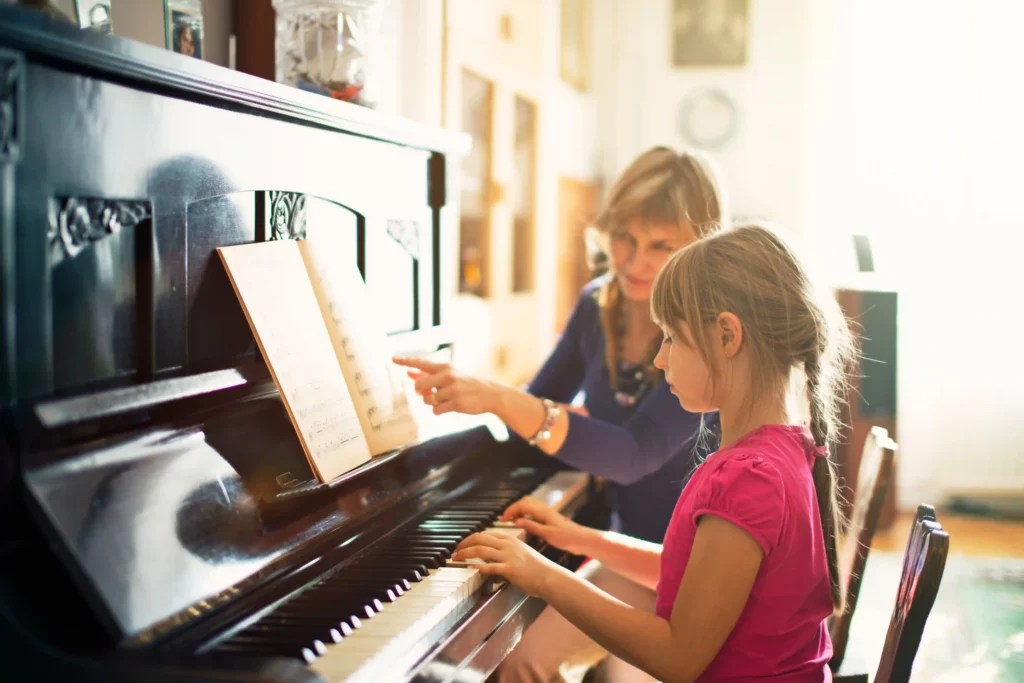
This article about learning the piano, the skills and the memories was lovely, and jogged my own memories of myself both as student and teacher.
I was about 6 when I used my sister’s books to learn the piano – they had photos for hand positions and finger numbers and that seemed all I needed (I’ve no idea to this day how I learned the rhythm and counting; I don’t remember reading about it but I must have!). I raced through the books and started fiddling with any music floating around, which was a fair amount as my Mum was a singer and also played the piano. I remember having the C major Mozart sonata at home and learning two pages during each holiday when home from boarding school at around 8 or 9. At this point Mum asked me if I wanted lessons, and because all my friends hated it (they hated the practice); I said no because I loved playing, but she obviously ignored me and I ended up with a teacher I adored with whom I became very close.
I played the piano in all my spare time to the extent my reports used to say ‘she spends a lot of time at the piano’ and during prep, having done my homework as fast as possible, would skip off to the music rooms. I was fussy even then about the piano I played, and only the teachers’ or the grand in the assembly hall would do! None of the awful practice pianos for me!
During my time at school with this wonderful teacher, me and a group of friends would be taken away for a weekend each term to him and his wife at his amazing ancient cottage. He was the church organist and ran the church choir so we ate well on local Devon produce that he was given by local friends and members of the church. At times we also had breakfast in bed (often sugar on toast!), It was all very idyllic and I stayed in touch with him and his wife until they died.
For the 6th form I left there and went to a college local to my home, so I changed teacher and went to a local music school during my A levels. A completely different teacher and one the parents were scared of but the pupils loved. We did Sunday concerts at her house, always with cake, and a large concert once a year at the 6th form college at which she got her advanced students to do a movement of a concerto with her school orchestra. I did the first movement of the Schumann. I never wanted to be a concert pianist but this was good experience and I later had the chance to play on a few occasions with another orchestra, and for one of the concerts performed the whole of the Schumann. It brought back many memories.
I had another teacher for my degree, and then had a break in formal lessons before returning to a commitment to my own playing in my 20s. I had a local teacher for a year but then met Nelly Ben Or and knew I had to learn with her.
Nelly Ben Or
I studied with Nelly for many many years undoing my bad habits in order to acquire new and better ones and becoming a much better pianist, and a better teacher for that. I would often have lunch along with my lessons, and, again, house concerts and other performances enhanced the lessons. And, yes, you guessed it, always with accompanying food and drink.
As a teacher myself I became the sort of teacher I had grown up with; I had close bonds with my students, always had house concerts and local concerts both with tea parties afterwards, usually some chocolate for after lessons, and often would become close friends and either take them out for tea when young, or stay in touch later on.
Piano teachers, or any instrument teacher, hold a particular place in the life of a child. Such a close bond is formed and often many confidentialities shared. There needs to be trust for something that is hard to learn and something that needs self expression in execution. It is maybe not surprising that the bond becomes a firm friendship (and, often, one that needs physical as well as sustenance)!
I often wonder about my students’ memories of their time with me and whether they have similar memories as I do about my own mentors. I hope they hold the same happy and cherished memories in their hearts for all the hours we spent and fun we had together as I do for my own teachers.
Alexandra Westcott is a piano teacher based in north London who specialises in understanding the piano in the light of the Alexander Technique, as studied with Nelly Ben Or, and encourages all areas of learning in a creative way. Find out more here
If you would like to share your piano memories, whether you are a teacher or pianist, or bothm, please get in touch
This site is free to access and advert-free. If you find joy and value in the content of this site, please consider making a donation to support its continuance, and to ensure it remains free to read.
The Cross-Eyed Pianist is free to access and ad-free, and takes many hours every month to research, write, and maintain.
If you find joy and value in what I do, please consider making a donation to support the continuance of the site





 The Cross-Eyed Pianist