
London’s Wigmore Hall celebrates its 125th birthday on 31st May 2026
Early days
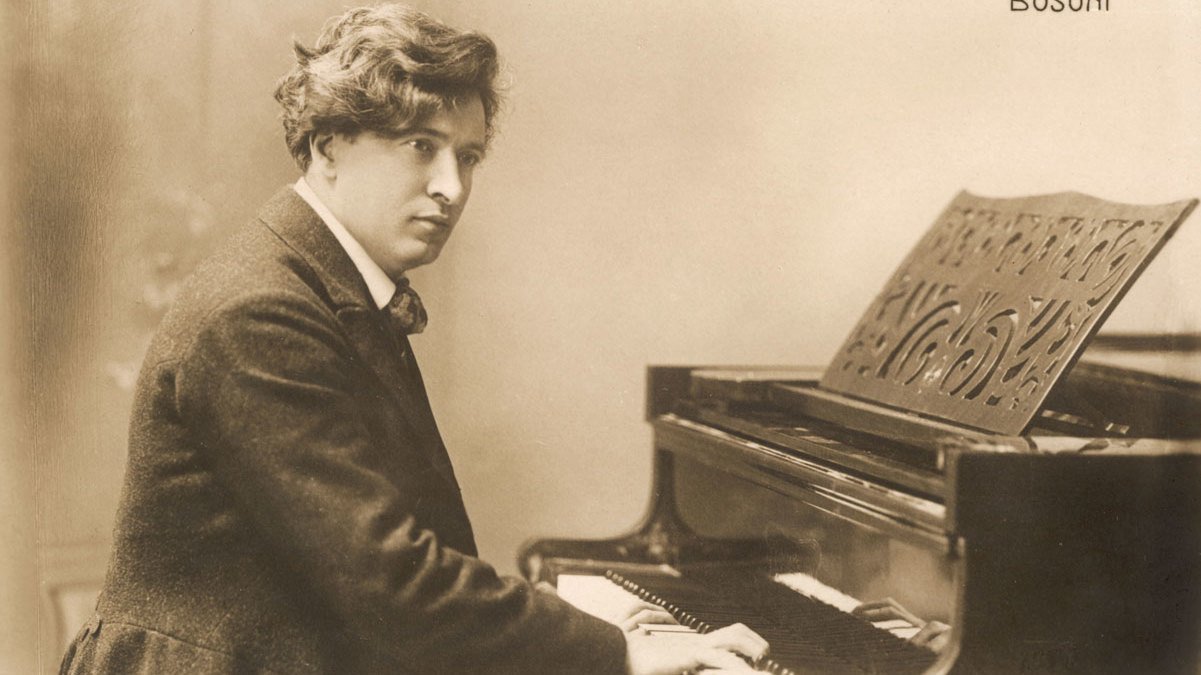
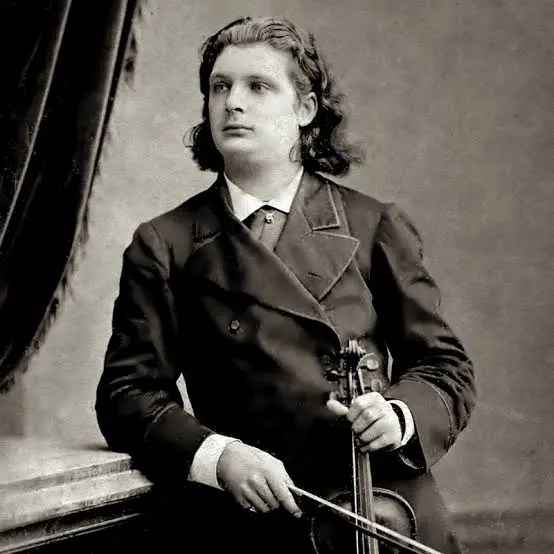
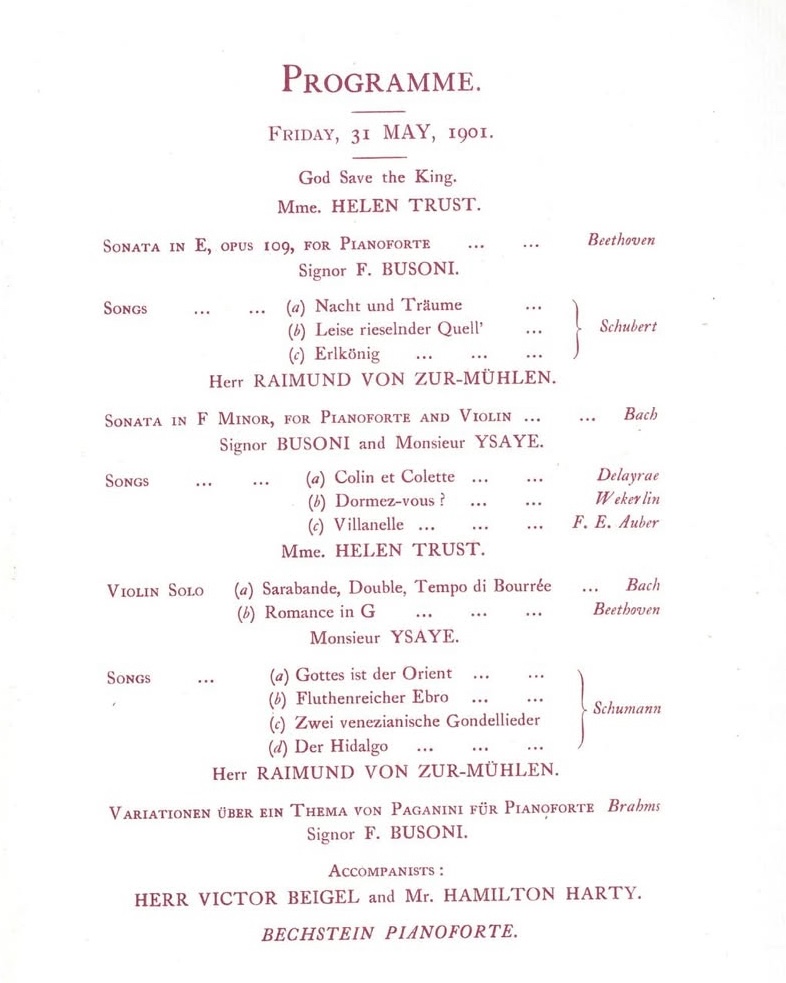
The first concert at the new Bechstein (now Wigmore) Hall took place on 31st May 1901. The performance featured English soprano Mrs Helen Trust, ‘king of the violin’ Eugene Ysaye, and composer-pianist Ferruccio Busoni – an impressive line-up that promised well not only for the opening night but also for the future of London’s newest concert venue. The audience at that first concert comprised wealthy patrons, aristocrats and the intellectual elite of London. It would surely have been a glamorous event. The first public concert took place on 3rd June 1901, and from that date until October 1915, when Bechstein Hall was forced to close, it hosted some two hundred concerts a year.
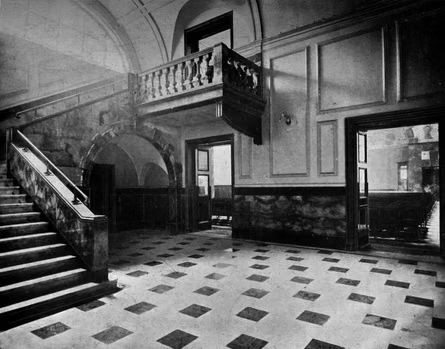
At the beginning of the twentieth century, Bechstein Hall on London’s Wigmore Street – a prime location in the fashionable Marylebone district – was promoted as the best place for intimate music-making, boasting unrivalled comfort and facilities for patrons and artists, with its elegant green room up a short flight of stairs behind the stage (so that singers did not arrive on stage breathless). At the time of its opening, concert life and leisure in London were undergoing something of a revolution. Theatres and music halls were opening across the West End, a wide public was being introduced to the experience of shopping for pleasure in the new “department stores” (Selfridges is a mere 10-minute walk, at most, from Wigmore Street). With cheap and efficient public transport, it was easy for people to enjoy these delights in the centre of the metropolis.
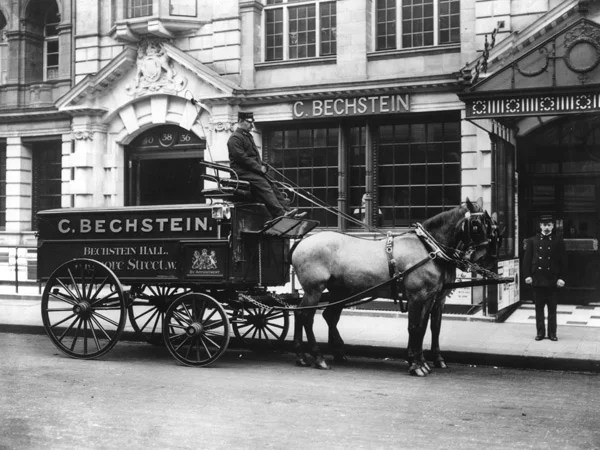
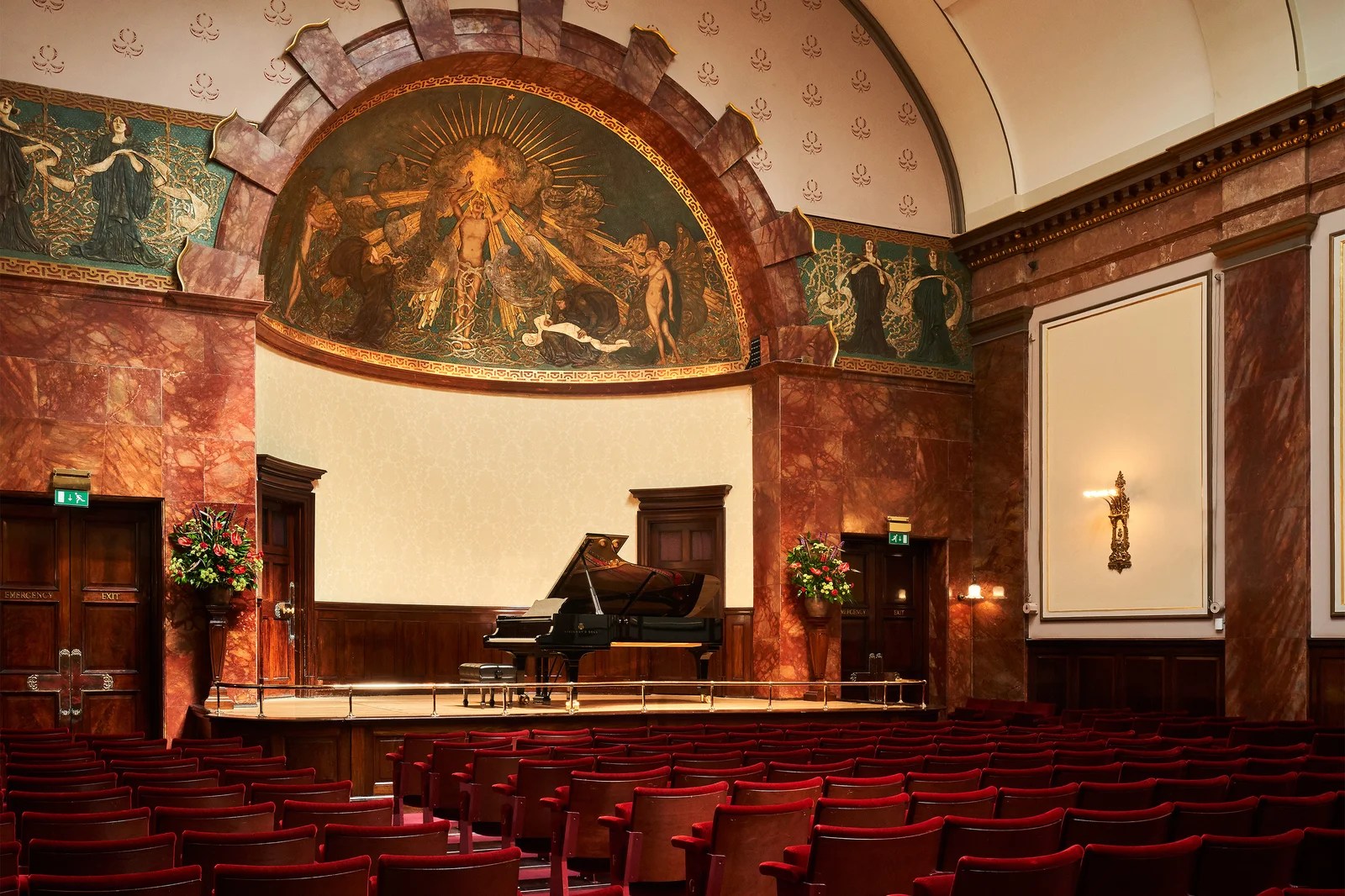
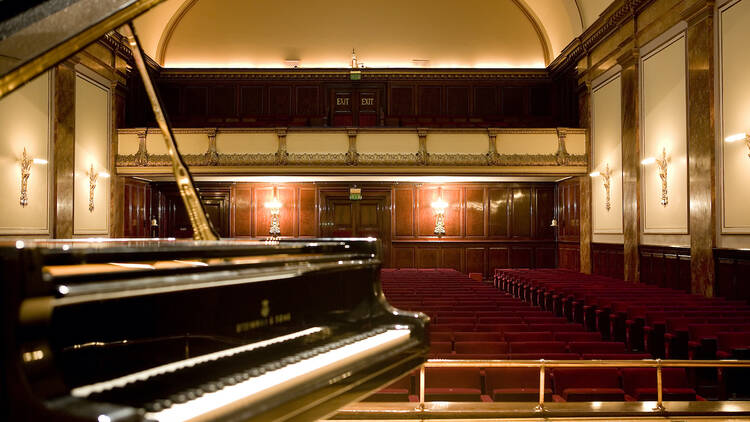
At the time of the hall’s opening, C. Bechstein was Europe’s leading piano maker (it produced 5000 pianos in 1901), and its instruments were preferred by most pianists outside America, where Steinway predominated. The Bechstein piano company built similar concert halls in Paris and St Petersburg to showcase its instruments and the leading performers and singers of the day. With its distinctive barrel-roof “shoebox” design, beloved of many musicians and audience, Wigmore Hall still boasts a fine acoustic. At the same time, its small size (its capacity is c600 seats) makes it the perfect place to enjoy intimate chamber and piano recitals.
“…wherever you sit, the acoustics are wonderful for the piano”. (Lorraine Banning, pianist and piano teacher)
“…the classic shoebox-shaped hall with the most marvellous acoustics – it sounds very good when you’re rehearsing, and then you come on stage and find that with the audience it’s even better….a jewel” (Madeleine Mitchell, violinist)
War time and changing hands
During the First World War, it became increasingly difficult for Bechstein Hall to trade successfully. Strong anti-German sentiments and the passing of the Trading with the Enemy Amendment Act 1916 led to the hall’s closure in June 1916, and all property, including the concert hall and the showrooms, was seized and summarily closed. The hall was sold at auction to the Debenhams department store, which rechristened it Wigmore Hall, and it opened under its new name on 16th January 1917. Instead of a German C. Bechstein piano, a French Erard graced the stage.
Although a German instrument was forbidden, German music certainly was not, and the programme included works by Schubert and Schumann – composers whose music continues to appear regularly in concert programmes at the hall
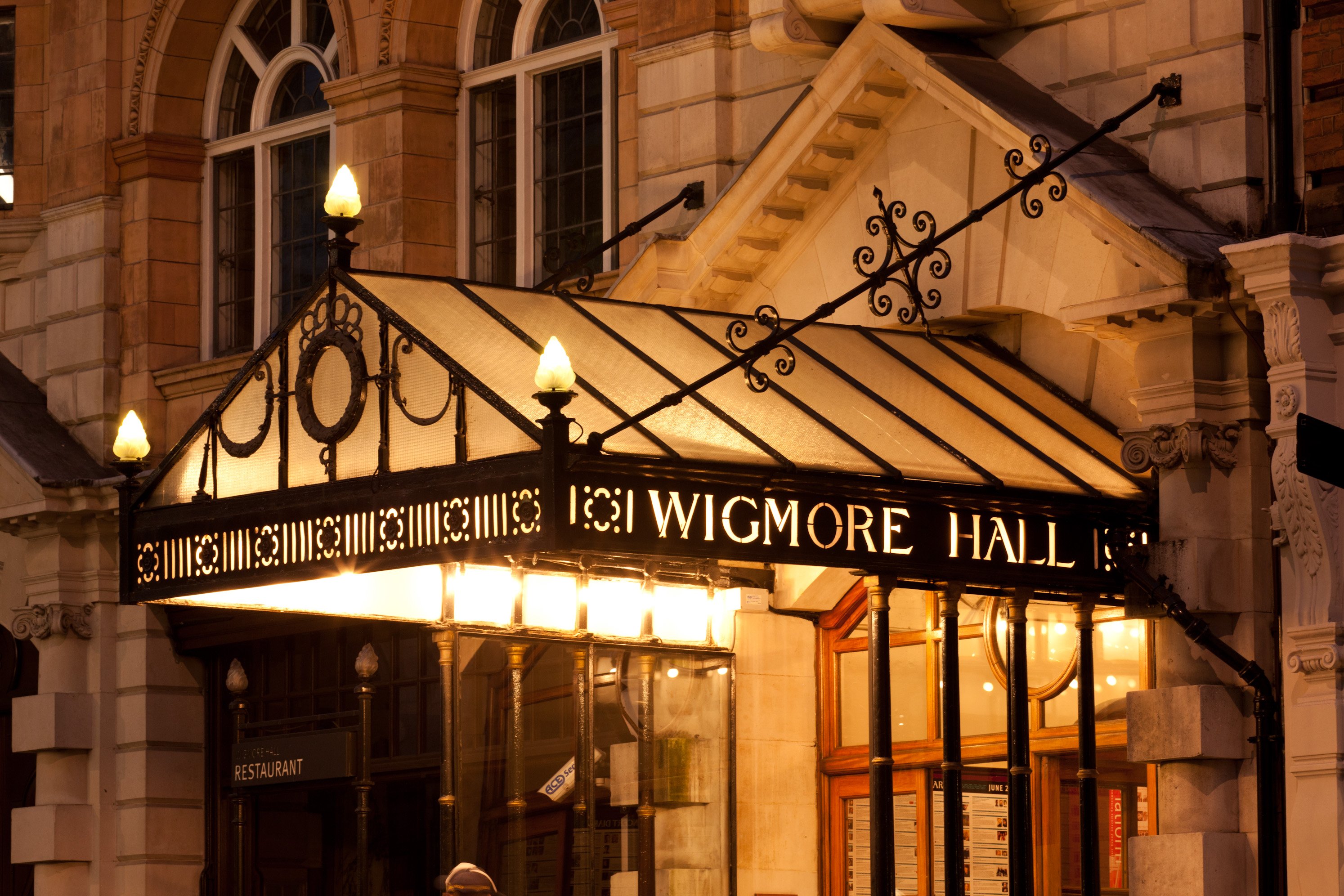
Wigmore Hall today
Nestling unobtrusively just a stone’s throw from the bustle of Oxford Street, within a row of tall Edwardian façades, Wigmore Hall enjoys a position of pre-eminence not only in London but across the international classical music scene, and a debut at Wigmore Hall is the long-held dream of many young and up-and-coming performers. While other, newer or more modern concert halls may boast state-of-the-art acoustics, the acoustics of Wigmore Hall remain one of the best and most beloved. No matter that the distant rumble of tube trains can be heard during performances (underground lines run directly beneath the street where the hall is located), one feels cocooned from the outside world in that special red-and-gold space.
“I have never been fortunate enough to perform there, but have wonderful memories of being in the audience. Every note sparkles.” (Lucy Melvin, violinist)
“It’s the only hall I know where the best seats (from the listening point of view) are in the balcony. Judging by the conversations I’ve had up there, quite a lot of people know this.” (Orlando Murrin, author)
The hall and its audience
Alongside its reputation for chamber music of the highest quality, the Wigmore’s audience is famous for its loyalty, intelligence and discernment. It is considered by many musicians to be one of the most demanding audiences of any concert hall, which brings its own unique set of pressures, and many performers will play a programme in regional venues and for local music societies before “doing a Wigmore”.
But the hall holds a special place in the affections of many performers, who regard it as their artistic home in London. There are no rough edges in this beautifully proportioned hall, no jarring modern architectural details to confuse and distract. The tread of the thick crimson carpets is complemented by the red Verona marble frieze, the noise and litter of Oxford Street and the West End forgotten in the spacious vestibule and elegant green room. Playing at the Wigmore or being in the audience, one feels a sense of history and heritage, for the Wigmore inhabits a different era and ethos from other concert venues in London. All the time, one is aware of the great performances that have taken place in the hall, and the walls of the green room are lined with photographs of musicians and composers, honouring the hall’s history and legacy.
“…the place is so full of musical ghosts.” (Caroline Swinburne, author)
As a member of the audience, attending a concert at the Wigmore has its own special rituals from the moment one steps through the glass doors. For many of us who are regulars at the “sacred shoebox” (Vikram Seth, author), it feels like our musical spiritual home. The richly carpeted vestibule is a place where people meet, queue for tickets, and buy programmes, CDs or gifts. Sometimes, if you arrive early, you might hear the soloist warming up or the piano being tuned, which can lend a special frisson to the evening, a glimpse of what is to come.
Downstairs, the bars and restaurant hum with pre-concert chatter, and sometimes, when you visit, you might spot a “musical celebrity” – Steven Isserlis, Alfred Brendel, Julian Lloyd Weber, or Steven Kovacevich.
I like to arrive in good time for drinks and chat with friends before the bell summons us to the hall, when we sink into the plush comfort of the crimson seats. In the auditorium, in the moments before the concert begins, one senses the audience’s collective breath of expectation.
“The restaurant is great for socialising with fellow concert goers, and of course, as it is so popular with other musicians, you always see someone you know there, but mostly it is the sense of intimacy and history which, combined with wonderful acoustics wherever one sits, makes it unique.” (Lorraine Banning, pianist & piano teacher)
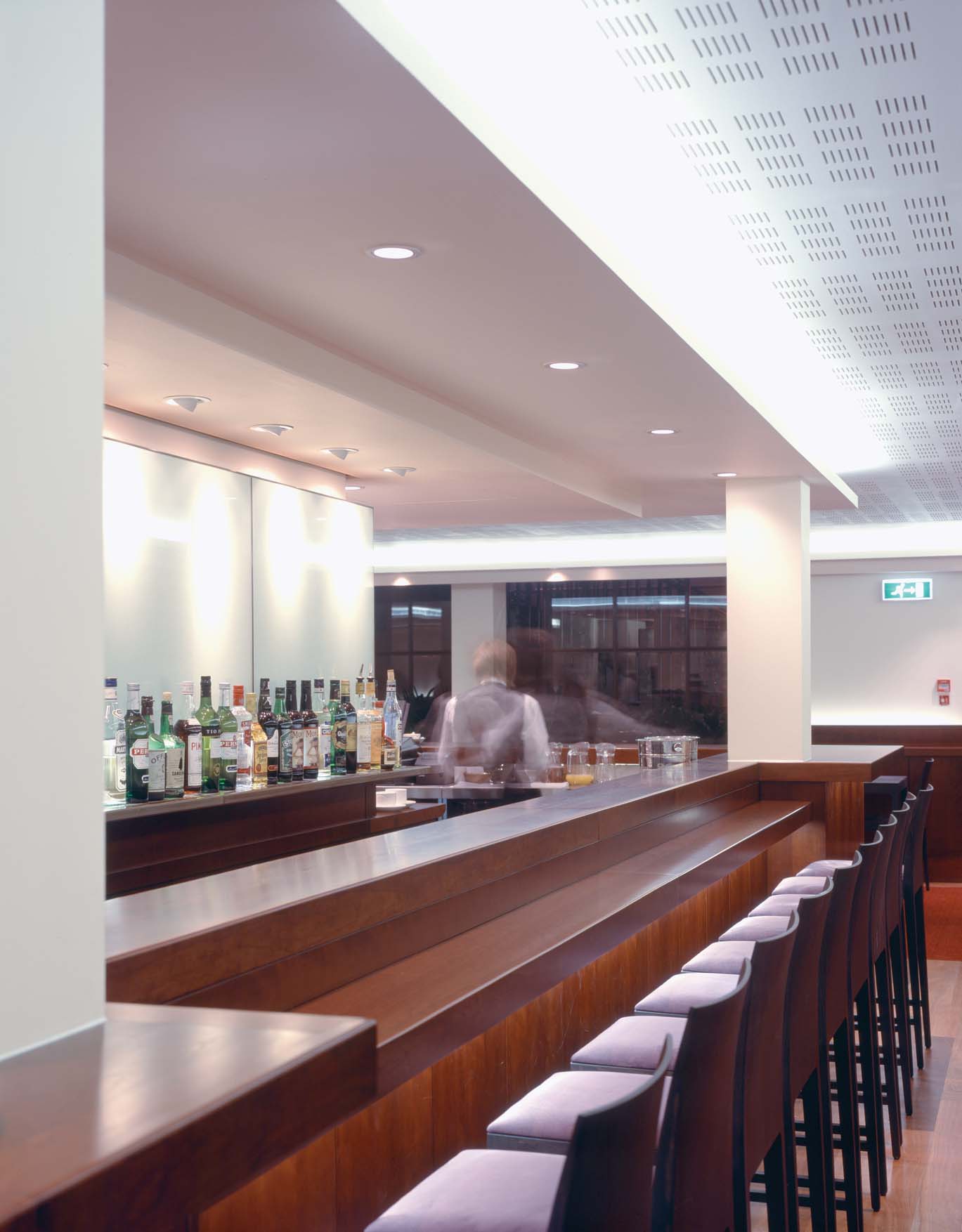
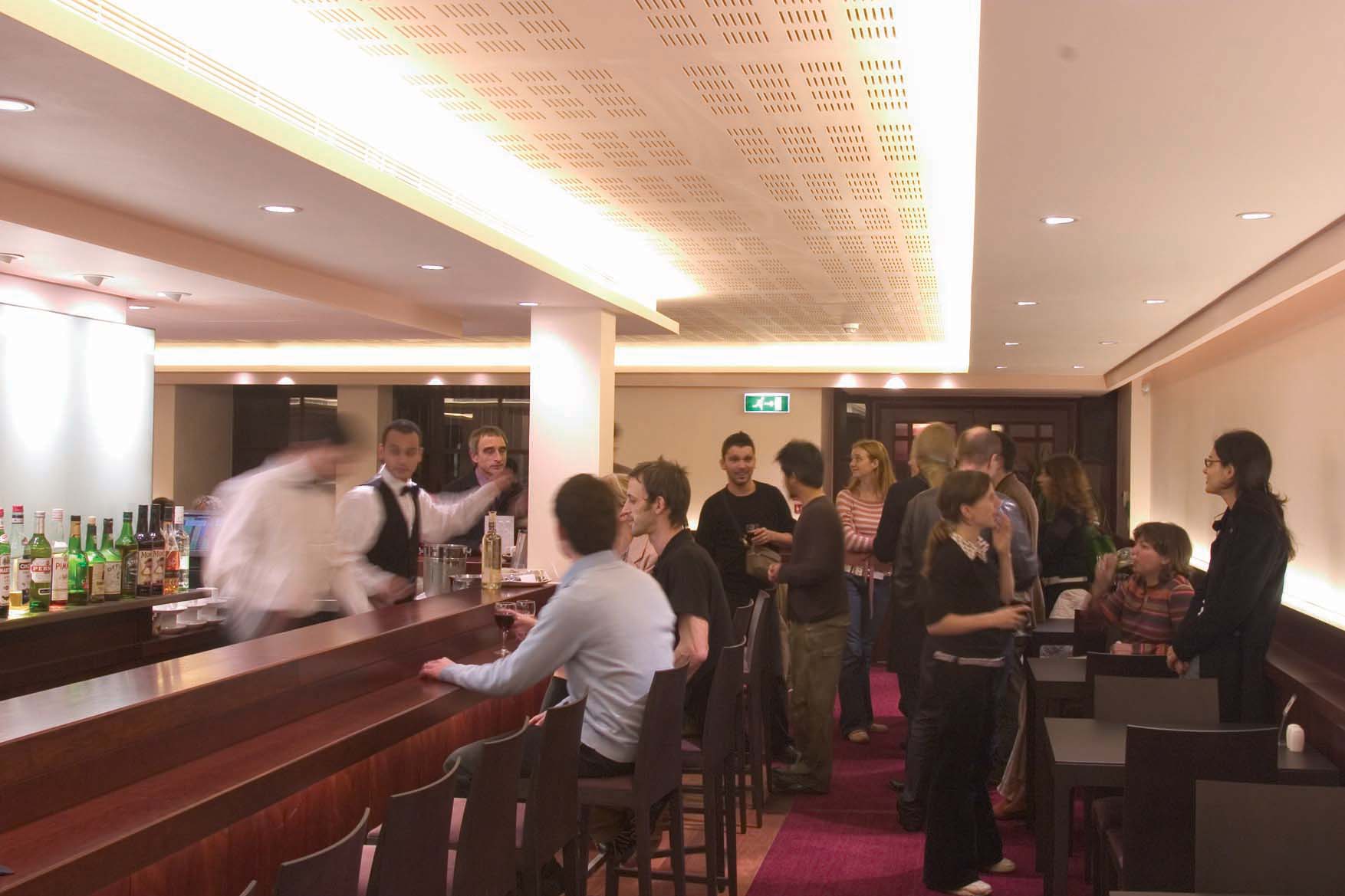
For many of us, Wigmore Hall is special because it holds emotion as much as music. The intimacy, the acoustics, the history, and the feeling that every performance truly matters create something unforgettable for both the audience and the performers.
People, usually those who have never stepped through Wigmore’s discreet entrance, let alone enjoyed a concert there, grumble about the audience’s age or its being overly highbrow, snobbish or elitist. But get talking to the person next to you (spying my reporter’s notebook is usually enough to start a conversation) and you will find that the average Wigmore audience member is none of these things, simply someone who really enjoys and appreciates live classical music.
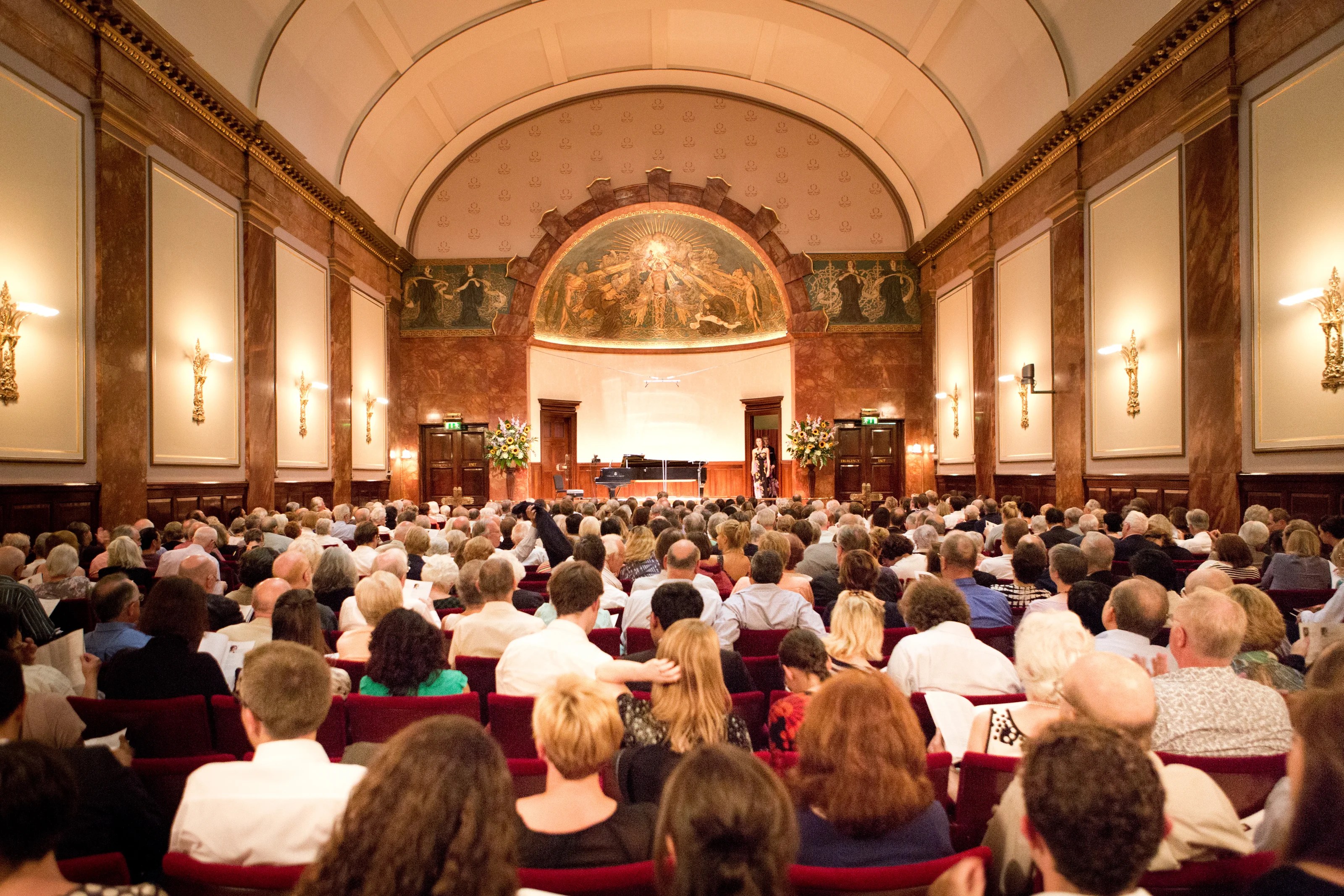
And the management of Wigmore Hall really do “know” their audience. No trendy marketing to attract the elusive “yoof audience”; instead, stylish, understated brochures announcing the new season and a clear identity across its social media. So confident is Wigmore Hall, and such is the loyalty of its core audience, that it does not need to resort to gimmicks to attract and retain its audience. It knows exactly how to cultivate and nurture, and, importantly, to trust its audience (and indeed many others in the hall’s ecosystem) – something many other venues and concert organisations could learn from.
People, programmes and new challenges
That said, Wigmore Hall has a broad remit and, in addition to lunchtime, evening and Sunday morning concerts, offers a lively education programme, masterclasses and study days, music for small babies and toddlers, and “Wigmore Lates”, concerts that start at 10pm and feature not only classical music but also jazz, folk and world music. A broad range of performers is presented – from the “big names” of international classical music (Igor Levit, Andras Schiff, Stephen Hough, Angela Hewitt, Sarah Connolly, Christina Gerhaher…) to younger artists at the start of their professional careers, and to musicians from other cultures (the African Concert Series, for example, is a popular regular feature in the hall’s programming).
In 2025, Director John Gilhooly revealed that he would no longer receive funding from Arts Council England, citing ACE’s “crippling”, “onerous”, and “exhausting” policy demands and red tape. The hall is now self-sufficient, thanks to a major campaign that raised £10 million. Freed from the restraints of ACE, the Wigmore can consistently deliver superb artistic quality and a wide range of programming.
COVID-19 dealt a terrible blow to live performance. I was at Wigmore Hall on the last day of February 2020, for a concert by American pianist Jonathan Biss, scorching his way through Beethoven’s piano sonatas. The house was packed, and many friends and colleagues from the piano world were there. There was little talk of the “novel virus”, and when a friend hugged me in the vestibule, we both laughed and said, “maybe we shouldn’t have done that!” At that time, neither of us knew that within three weeks concert halls, opera houses and theatres around the world would be shuttered and silent.
In summer 2020, 11 weeks after closure, music filled Wigmore Hall again. John Gilhooly, the energetic and inspiring director since 2005, refused to be defeated by the virus and, in the spirit of Dame Myra Hess’s concerts from the National Gallery during the Second World War, on 1st June, Sir Stephen Hough played the first of a series of livestreamed concerts from an empty hall (the hall had had its own broadcasting facilities from 2011). It was poignant and moving for all sorts of reasons, not least because his opening piece was the Bach-Busoni Chaconne, which Busoni himself had played in the hall in November 1902. Inspiring, uplifting and painfully wonderful, there was Stephen Hough on stage, immaculate in his usual concert attire, playing beautifully to an empty hall. The return of live music offered a glimmer of hope. [Read my review here]
The livestreamed series proved hugely popular (Hough’s concert received some 800,000 views) and gave those of us who ached for the return of proper live concerts an opportunity to enjoy music from the beloved “sacred shoebox”. But anxieties were raised about the number of people watching online concerts and livestreams: would those enjoying music from the comfort of their living rooms (and not paying £10 for a glass of wine in the bar) return when the concert halls reopened? In fact, audiences surged back to the Wigmore, with a marked increase in the number of younger people attending concerts.
Today, Wigmore Hall seems more popular than ever, and my only regret is that, now that I no longer live in London, I can’t simply nip on a train and be there in an hour. When I worked in London and reviewed regularly for Bachtrack.com, I was at the hall several times a week, sometimes twice a day! – at lunchtime and in the evening. Now, concert trips have to be planned more carefully, but I still love Wigmore Hall’s unique atmosphere (known affectionately amongst some of us as “the Wiggy”) and enjoy its ambience from afar, through its social media presence and reviews and reports from friends and acquaintances who are regulars at the hall.
“As a piano music collector, some of my favourite recordings have come from live recitals at the Wigmore…It is a treasured venue, even from this side of the pond.” (T Weir, Illinois)
To coincide with Wigmore Hall’s 125th birthday, Julia Boyd’s new book, There is Sweet Music Here: The World of Wigmore Hall, tells the story of Wigmore Hall, one of the world’s most beloved concert halls, in vivid, enthralling detail, from its opening in 1901 to the present day. An enjoyable, fascinating and affectionate read, the book is a wonderful tribute to Wigmore Hall, the many musicians who have graced its stage, and the audiences and others who make the venue so special.
Happy Birthday, Wigmore Hall!
There is Sweet Music Here: The World of Wigmore Hall is published in the UK by Elliott & Thompson.
Discover more from The Cross-Eyed Pianist
Subscribe to get the latest posts sent to your email.



