Introducing Facing the Music
The book began with Beethoven….
Around 20 years ago, I caught the first movement of his ‘Spring’ Sonata for violin and piano on Radio 3 one morning, and was struck by the freshness and optimism of its opening theme. There is something wonderfully youthful about this music: an openness, an eagerness, a sense of possibility, as if everything still lies ahead.
The other spark for the book was my rediscovery of live music, after a period when I was occupied with looking after my young son, in particular via good friend who was a regular at London’s Wigmore Hall. I developed a deep affection for that venue and grew more and more interested in its history, together with a fascination with the people who make music and the particular intensity of live performance. This was some years before I started my blog The Cross-Eyed Pianist, but even then I was interested in what it means to be a musician, though my notion of artistic identity was at that time rather vague. I also wanted to write about music from the point of view of a practising musician as well as a listener, and to explore both the physical and emotional experience of playing certain pieces.
From there, an idea for a book began to emerge featuring two gifted young musicians – a pianist and a violinist. I imagined them playing the ‘Spring’ Sonata together, and gradually their musical partnership became a friendship stretching back to their schooldays. They were talented and ambitious, young people for whom music was not simply something they did but an essential part of who they were. So I started to write and found a narrative emerged surprisingly easily…
I started playing the piano seriously again in 2008, after an absence of some 20 years, and the novel, by now around 180,000 words (!), was set aside as I found an outlet for my writing through this blog and concert reviewing. Over the past 16 years, the many encounters and conversations I’ve had with musicians through concert attending and reviewing, the Meet the Artist interview series, and this site has given me an increasingly rich insight into the musician’s life: the importance of teachers, mentors and colleagues, the routines of practice, the deep preparation and exhilaration of performance, the doubts and disappointments, and the extent to which being a musician is not simply a profession but an identity.
A conversation with a good friend in Spring 2026 and the publication of a new history of the Wigmore Hall set me thinking about those 180,000 words which were lying dormant on a hard drive or memory stick somewhere in my home. At first, I couldn’t locate the files and I convinced myself they were gone for good, and that it didn’t really matter…. But when I did eventually find them again and I started to read the text, I felt there was something worth revising.
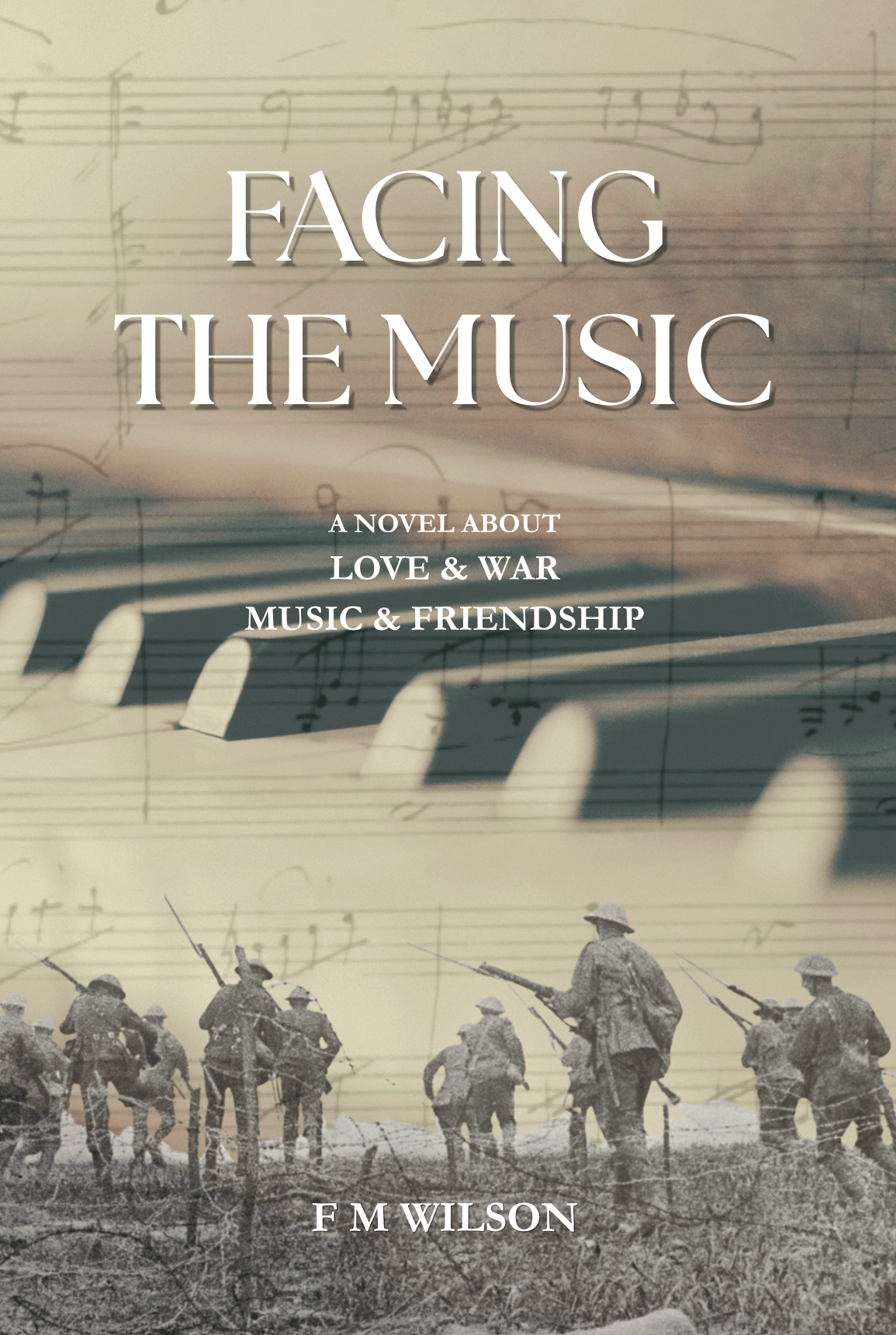
Facing the Music follows the activities of two young musicians: Theo Browne, a pianist, and Jonathan Lane-Fox, a violinist. I imagined them in London in the summer of 1914, talented, ambitious and standing on the threshold of successful professional careers. They have been friends since school and their friendship has been forged, above all, through making music together, the ‘Spring’ sonata being their ‘signature piece’. They understand one another through music in ways they cannot always express in words. And then I began to wonder what would happen if music were taken away from them…
I’ve been fascinated by the First World War and its literature since my teens, and have visited the Somme battlefields several times. But I didn’t want to write a conventional war novel. Rather, the war offered an extreme version of something that has come to interest me greatly: what happens when circumstances over which we have little or no control disrupt the life we thought we were going to lead.
This became particularly resonant during the Covid pandemic. In conversations with professional musicians during the lockdowns, I was struck by the sense of dislocation many experienced when concerts and live music disappeared. At first, some welcomed an unexpected period in which to rest, practise without the pressure of engagements, and learn new repertoire. But as the months passed, without the focus of concerts, for many musicians spare time became an affliction rather than a gratification, and they felt bereft without the opportunity to perform and share their music with live audiences. For someone whose sense of self is so closely bound up with making and sharing music, being unable to do so can feel like losing part of one’s identity. That idea found its way into Facing the Music, though in very different circumstances.
Music is therefore not simply a backdrop to the novel. It is embedded in the lives of its characters. Beethoven, Brahms, Rachmaninoff, Bach, Schubert and others accompany Theo and Jonathan through the narrative, and certain works acquire different meanings as their lives change. Music becomes a repository for memory: of people, places, friendships and former selves.
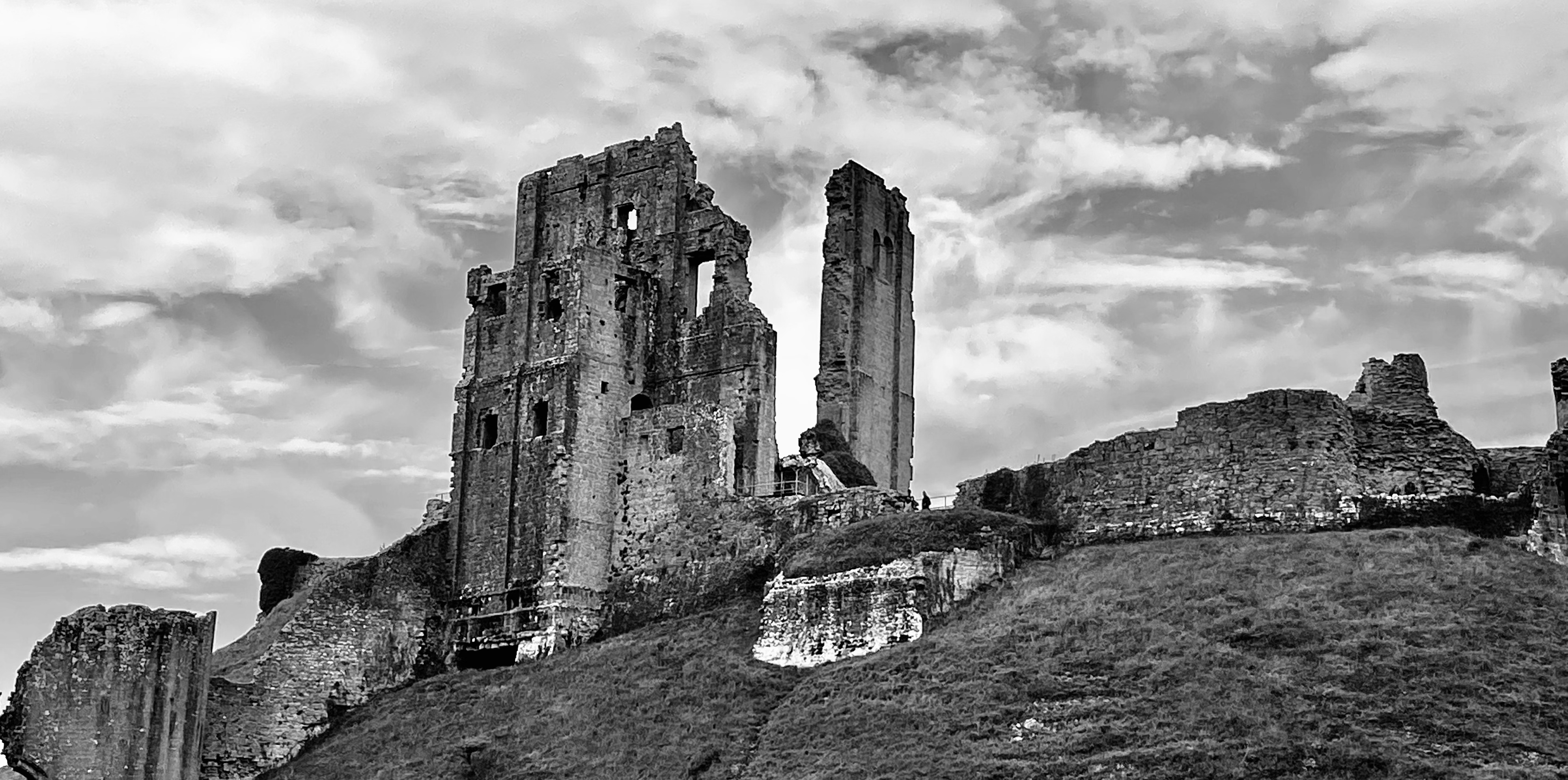
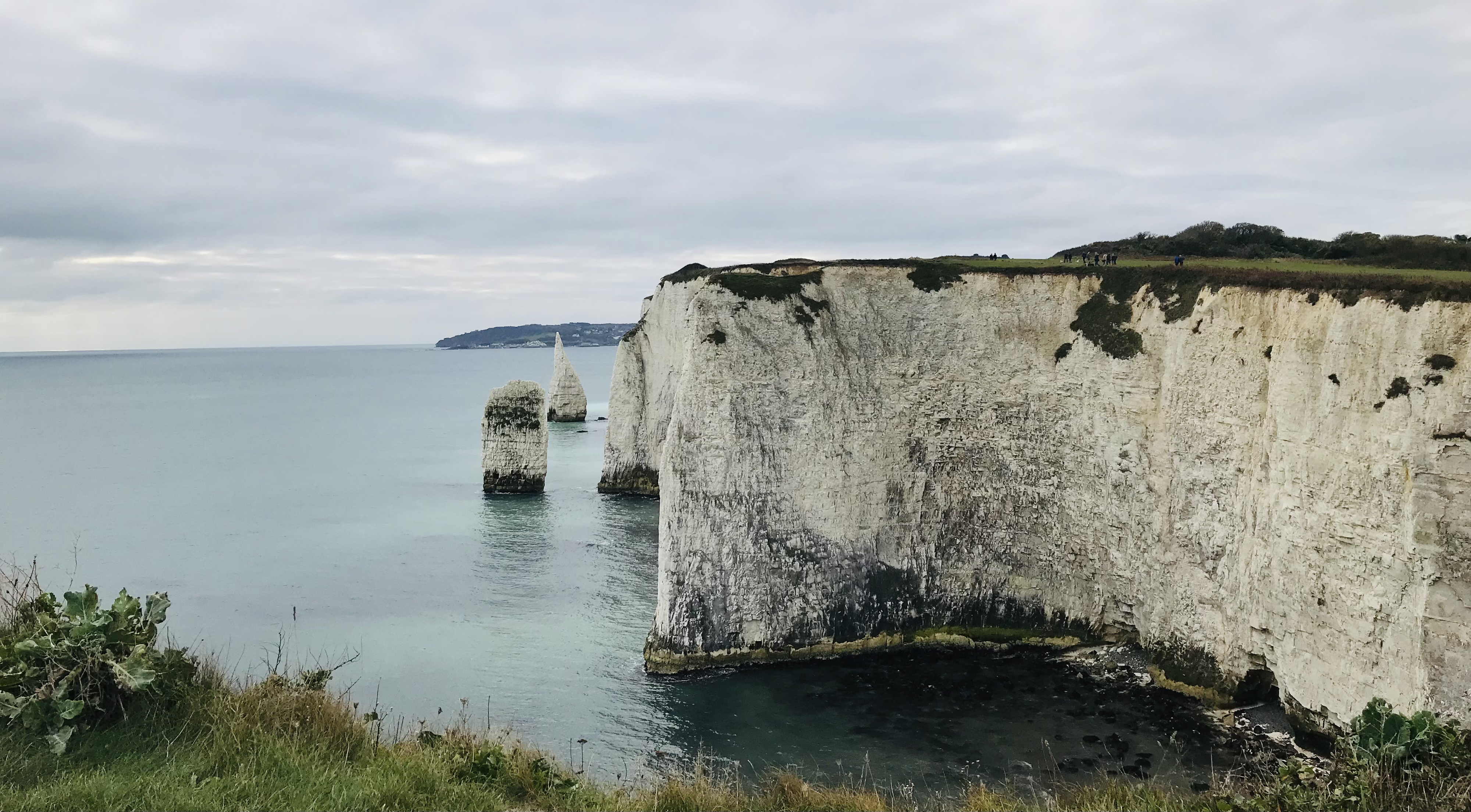
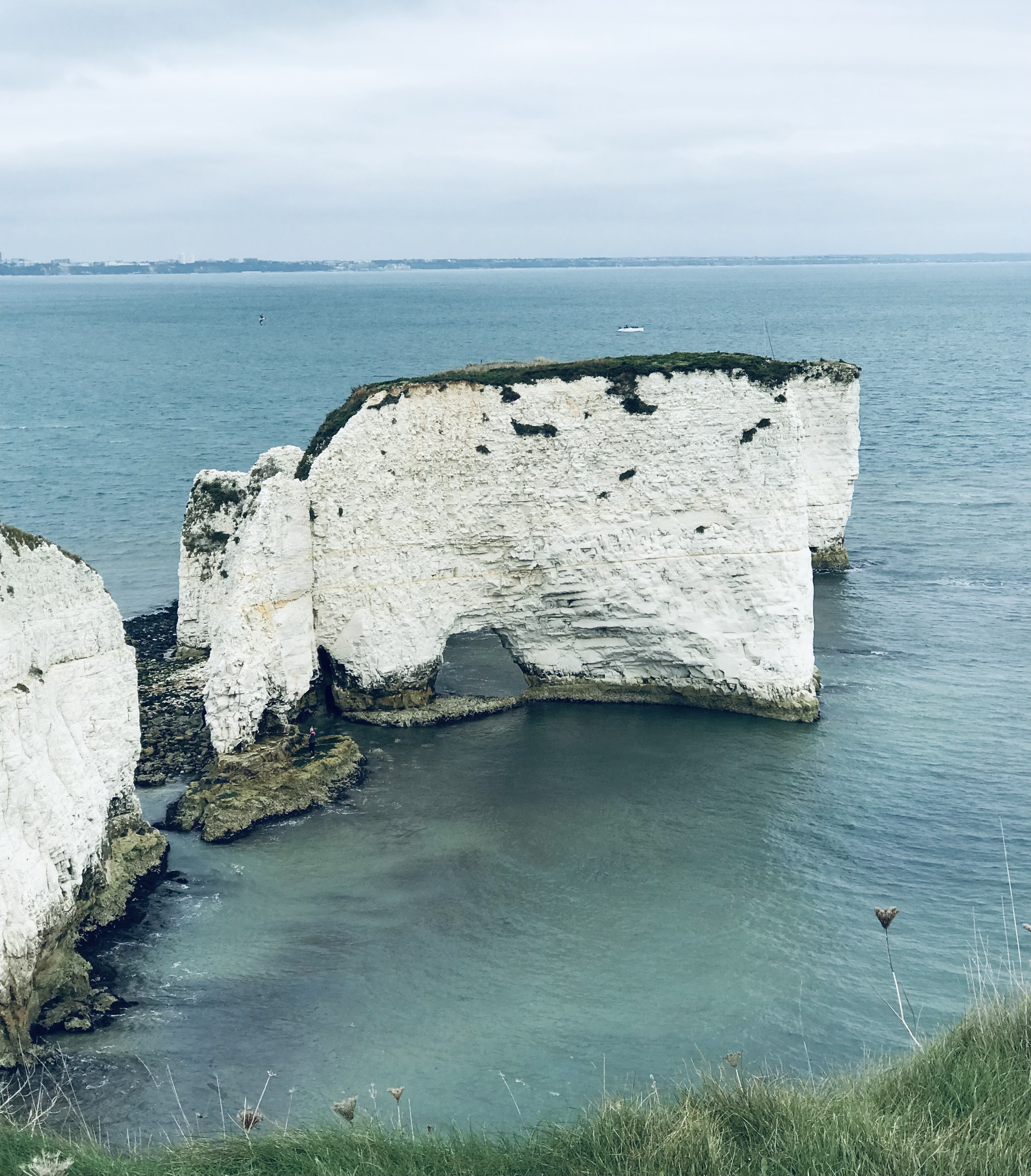
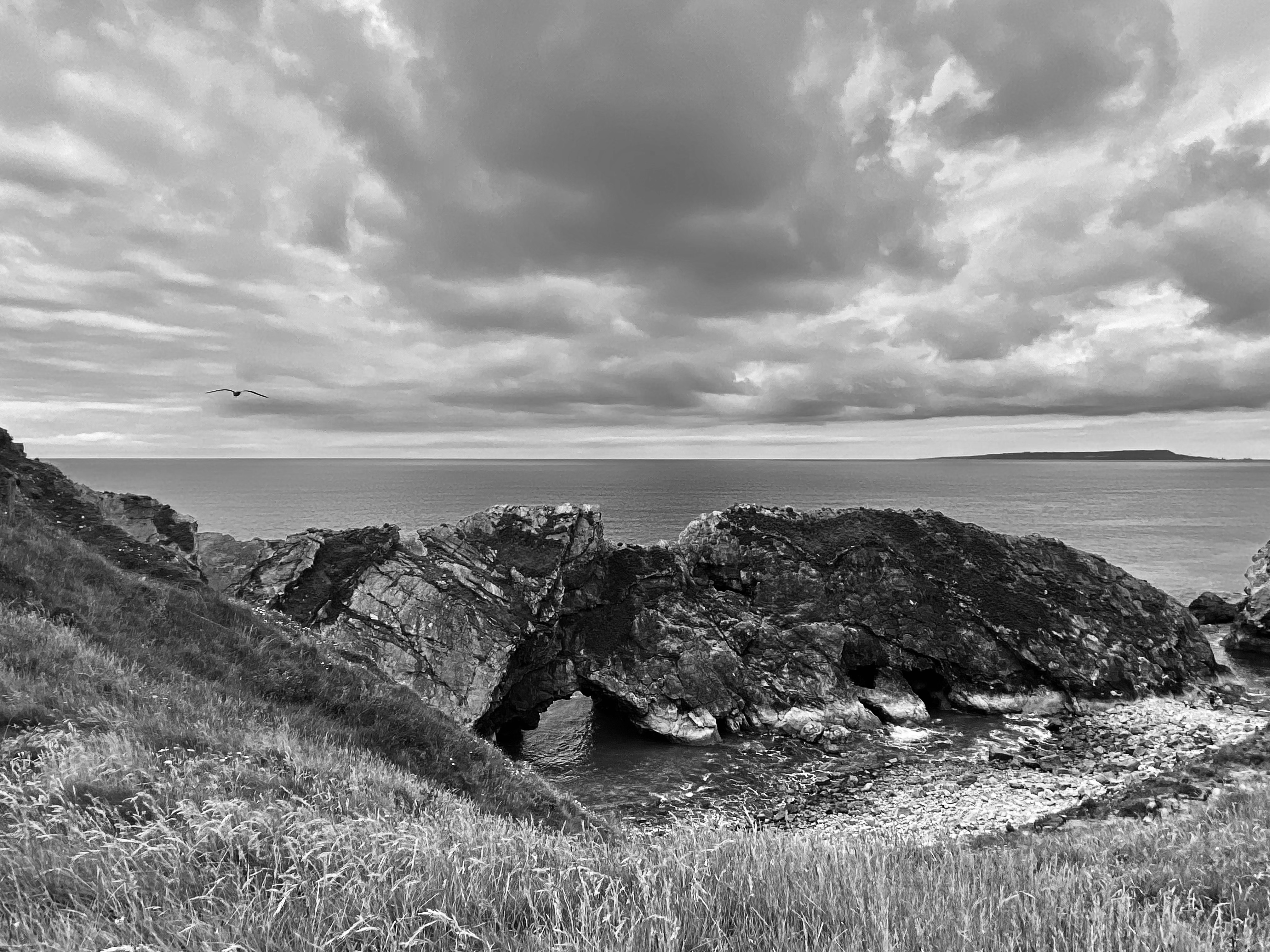
The other important landscape of the novel is Dorset, a county I have been associated with for nearly forty years through my husband and his family – and is now my home. The cliffs, beaches and open skies of the area around Studland and the Isle of Purbeck provide a counterweight to London and, later, the Western Front. For Theo in particular, Dorset represents freedom, sanctuary and continuity – a place to which he can return both physically and in memory.

At the centre of everything, however, is the deep platonic friendship between Theo and Jonathan. Their relationship stretches from schoolboy music-making through youthful ambition and into experiences neither could have anticipated. It is affectionate, occasionally difficult, often humorous. Most importantly, it is inseparable from their musical partnership. Perhaps this is why writing the novel began to feel like a natural extension of the subjects I have explored on this site for so long. The Cross-Eyed Pianist has given me the opportunity to talk to hundreds of musicians about their lives and work: their ambitions, doubts, routines, teachers, friendships, successes and disappointments. Facing the Music allowed me to explore some of those same questions through fiction.
And there was one question to which I kept returning:
If music is part of who you are, what remains when circumstances make music impossible?
I don’t think Facing the Music offers a simple answer. Nor did I want music to function as a sentimental cure for suffering. Music cannot undo experience. But perhaps it can preserve something of who we were – and help us discover who we might become afterwards.
The title has more than one meaning. There is the literal act of facing the music in practice and performance, but also the more familiar meaning: accepting the consequences of choices, circumstances and experience. For Theo and Jonathan, ultimately, it means both.
Explore the music of Facing the Music here
Facing the Music by F M Wilson (AKA The Cross-Eyed Pianist) is published by Nine Barrow Press and is available in paperback and e-book editions.
Author’s note: I am profoundly grateful to the many musicians I have encountered over the years, in person, through their concerts, and via my Meet the Artist interview series. Their insights and reflections on practising, performing, teaching and living with music have greatly enriched my understanding of what it means to be a musician. While none of the characters in the novel is based on any one individual, their experiences have informed many aspects of the story.
Photographs by F M Wilson