
Guest post by Frances Jones
A few weeks ago I slipped on an icy pavement and fractured my right hand. There was a scary moment when I was told the break might be a serious one, and difficult to heal, but that proved to be a false alarm and the hand is almost back in normal use.
The injury, though, proved to have interesting consequences for my piano teaching, and got me thinking about motivation, a topic often in my thoughts concerning my students, who are currently between the ages of 4 and 11.
Because my right hand was immobile, I dictated homework notes to the older children to write in their practice diaries. (The younger ones made do with the squiggly efforts of my non-dominant hand.) Two particular children took this responsibility very seriously, to the extent that they are continuing to write their own notes and adhering to them, too. One of these children hadn’t been very motivated of late; she mostly did what was asked in terms of practice, but seemed to be going through the motions, rather than actually enjoying playing. Now, she makes annotations to the music, adding fingering or reminders of articulation and seems to be enjoying the piano once again. The difference in her playing is marked; there’s an expressive quality there that I hadn’t heard for months. There could be many different reasons, of course, for the change of attitude, but I think the shift in ownership has played a part. The child knows now that she is responsible for her own progress but I haven’t had to tell her that. The process has taught me a lesson, too; that for some children doing as much as possible for themselves is a real motivator. For others, it’s not important; they still have the intrinsic motivation they started out with.
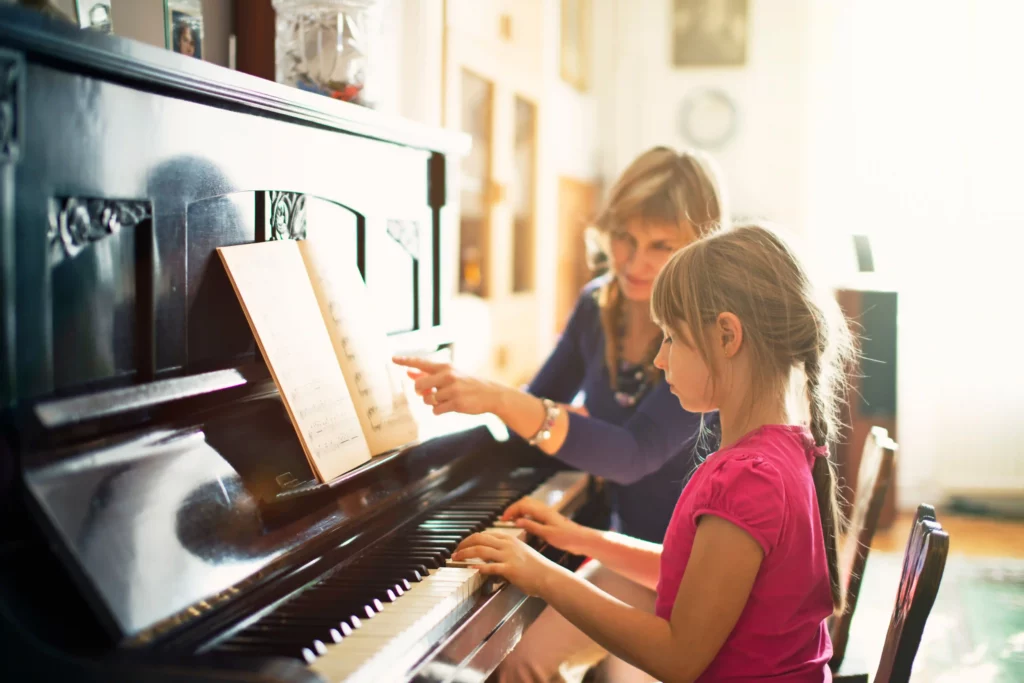
Over the years, I’ve found that most children are motivated to play at first because they like the sound of the piano and take pleasure from being able to create that sound. (Very occasionally, a child has no interest in the instrument but his parents wish him to learn. Honesty, or extrinsic motivation are the options here.) Keeping hold of that initial motivation is key, and all teachers of young children have their own thoughts on how to do this. Here are mine:
Performing. This depends on the child, but I have found in schools that most children love to play in assembly or to their class and will devote considerable time to practice if they have this goal.
Being the teacher. A pupil of six was thrilled to tell me recently that he had taught his younger sister how to play a tune. Some children enjoy teaching their friends. I say to children they can teach their mum/dad how to play and younger children often love it when their parents can play a duet part.
Composing/improvising. I do this from time to time in lessons and with some children it really absorbs their interest and allows them to enjoy and explore the range of the piano. Writing down their melody is a good way to revise or bring in notation.
Learning a well-known tune. Many children, especially older ones, really want to be able to play specific pieces. Mastering a manageable version of a song you like can be very rewarding and I think helps some children continue to play when they might otherwise have given up.
Stickers. My use of these is extremely judicious and only for those up to the age of 8. I find that if a child manages to do something he’s been trying to achieve, the satisfaction of accomplishment is reward enough. For the youngest, the excitement of playing the piano is similarly, quite a match for a humble sticker and that excitement must be retained. Having said that, some children love making collections and if a sticker helps a child practice, I would certainly advocate being generous.
Praise and positivity. There are different schools of thought on this. My view is that children really value praise when it is earned and therefore, used truthfully, it is immensely helpful to progress. I find this is particularly true with children who are in a cohort with many high-achievers and feel they are never going to catch up. Sometimes a child needs convincing they are playing well, even if it’s a simple tune.
As a teacher, I’m conscious of the need to retain that initial interest and enjoyment so the child doesn’t lose sight of why he is playing and practising. Even the most well-intentioned child (and adult) can suffer a dip in motivation whilst navigating the distractions of modern life. Frustrating, yes, but truly rewarding when a little creative thinking puts things back on track.
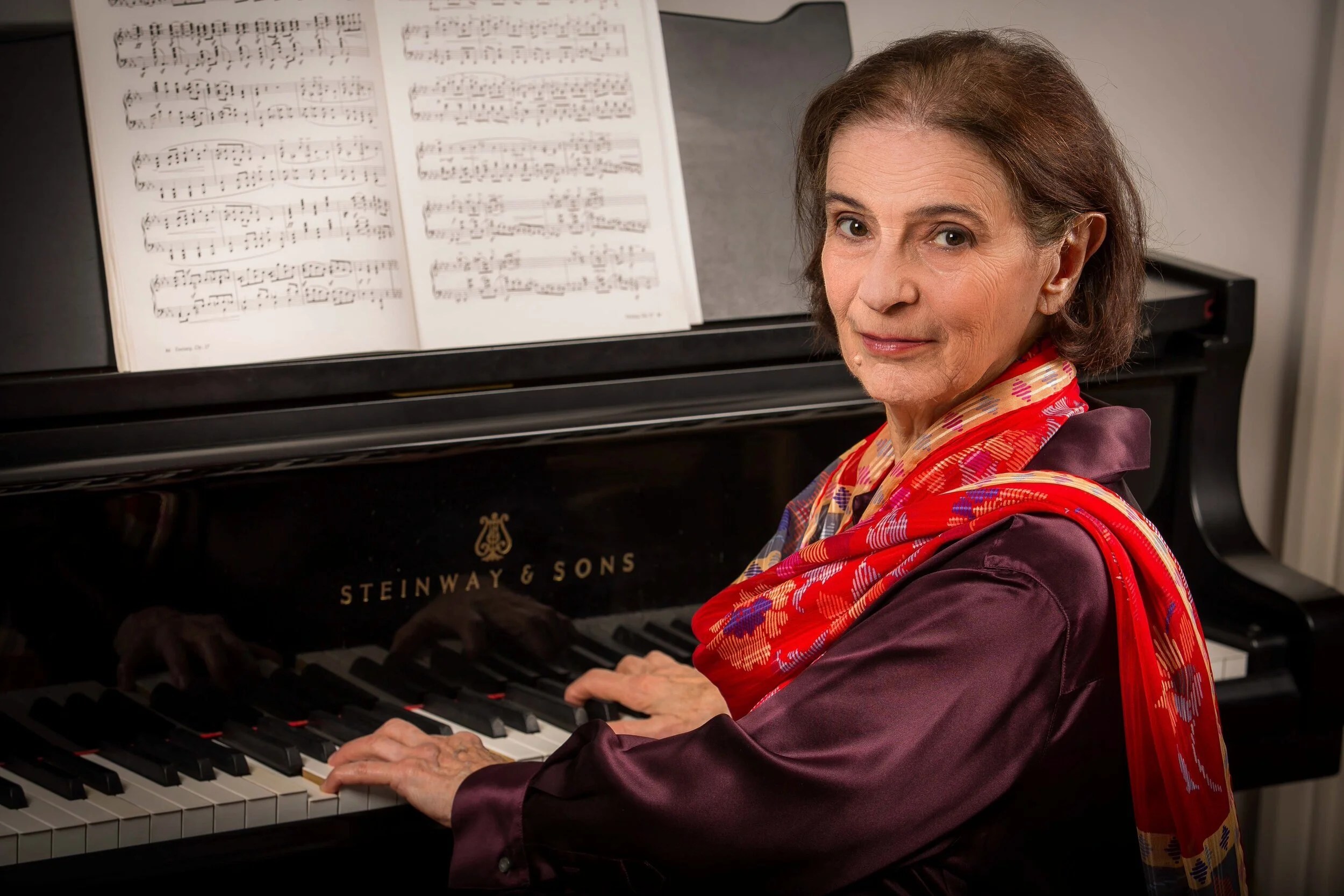
Frances Jones teaches piano in SW London. She has also taught and led music provision in London prep schools.




 The Cross-Eyed Pianist