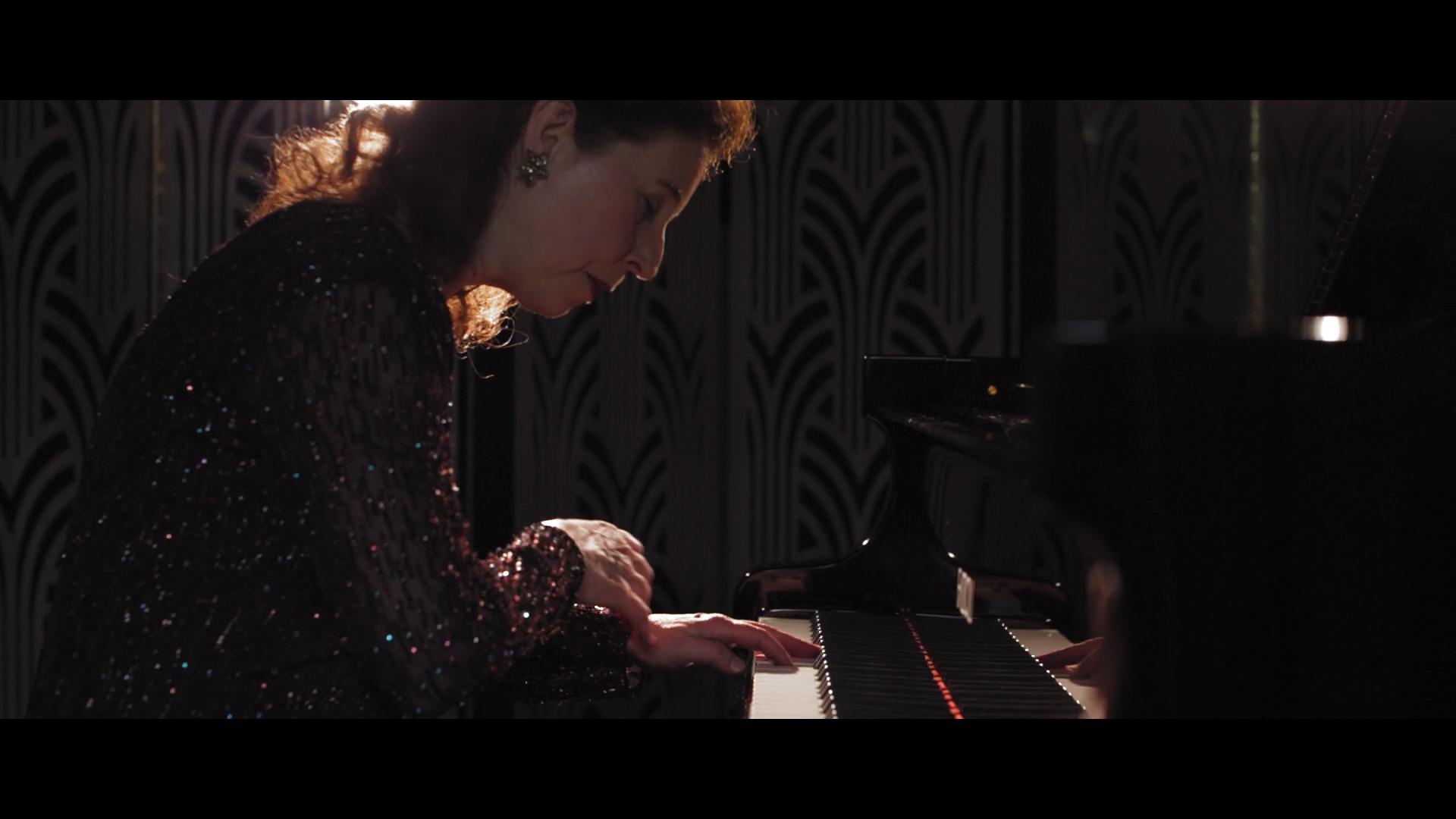
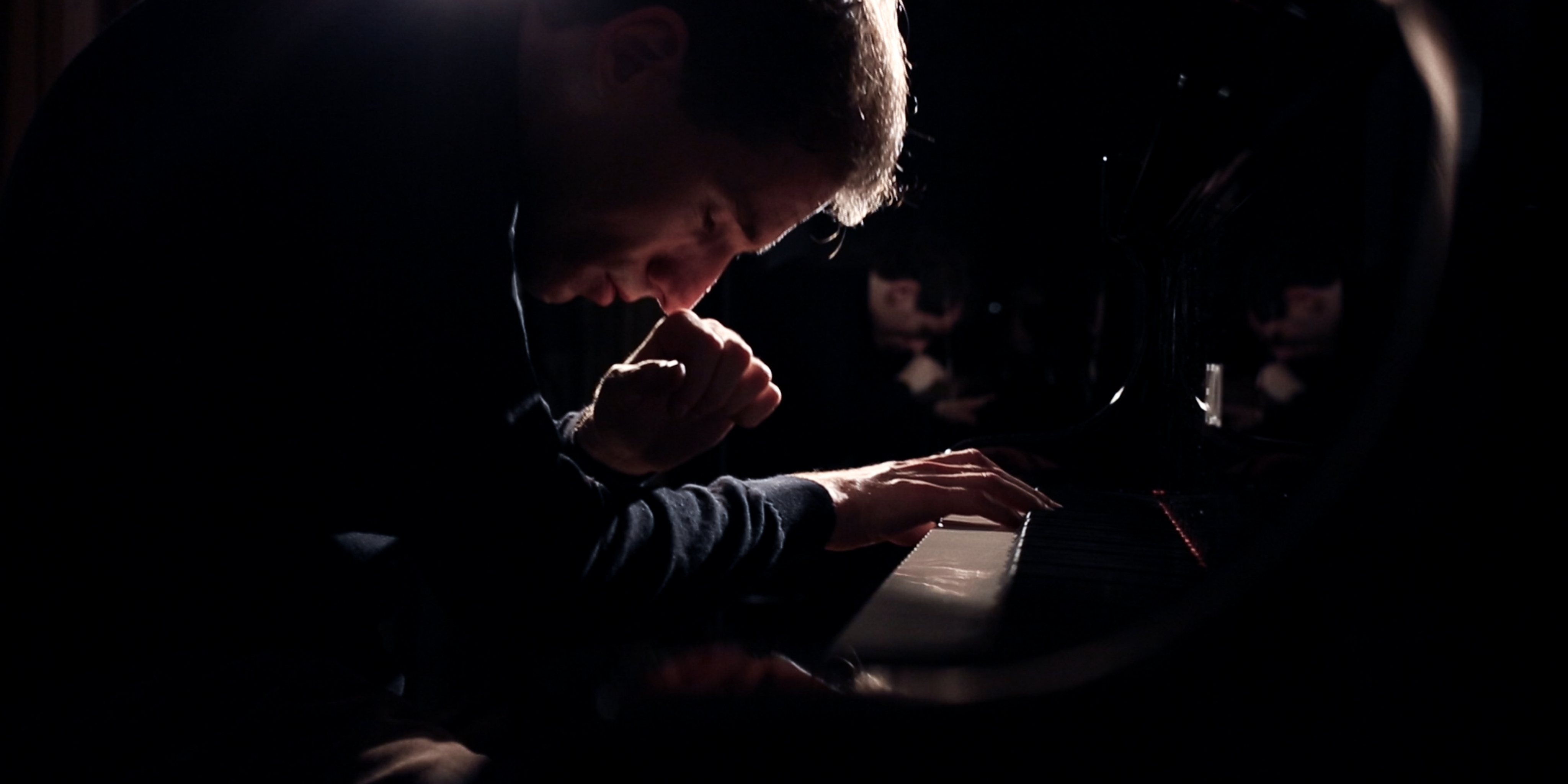
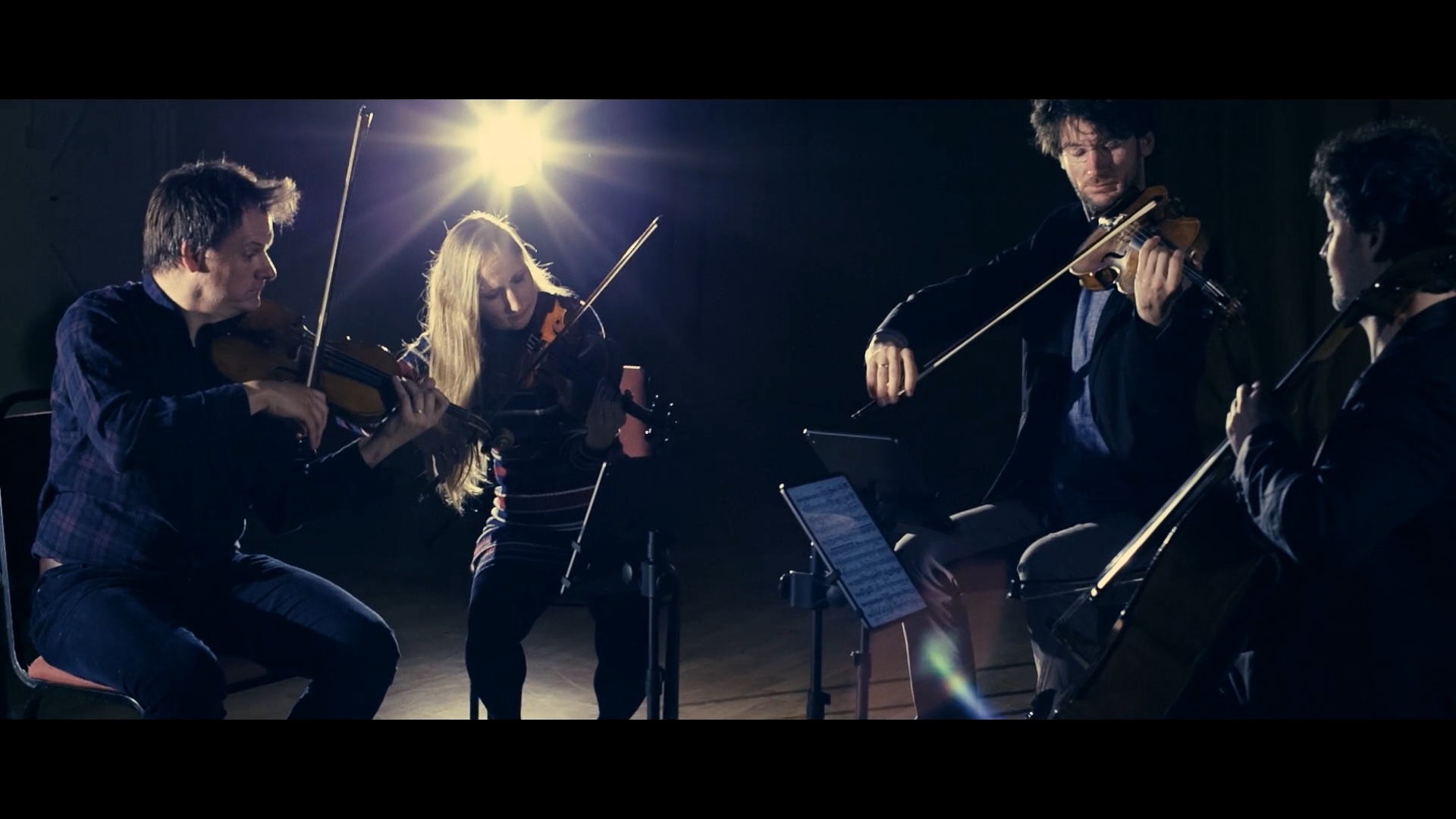
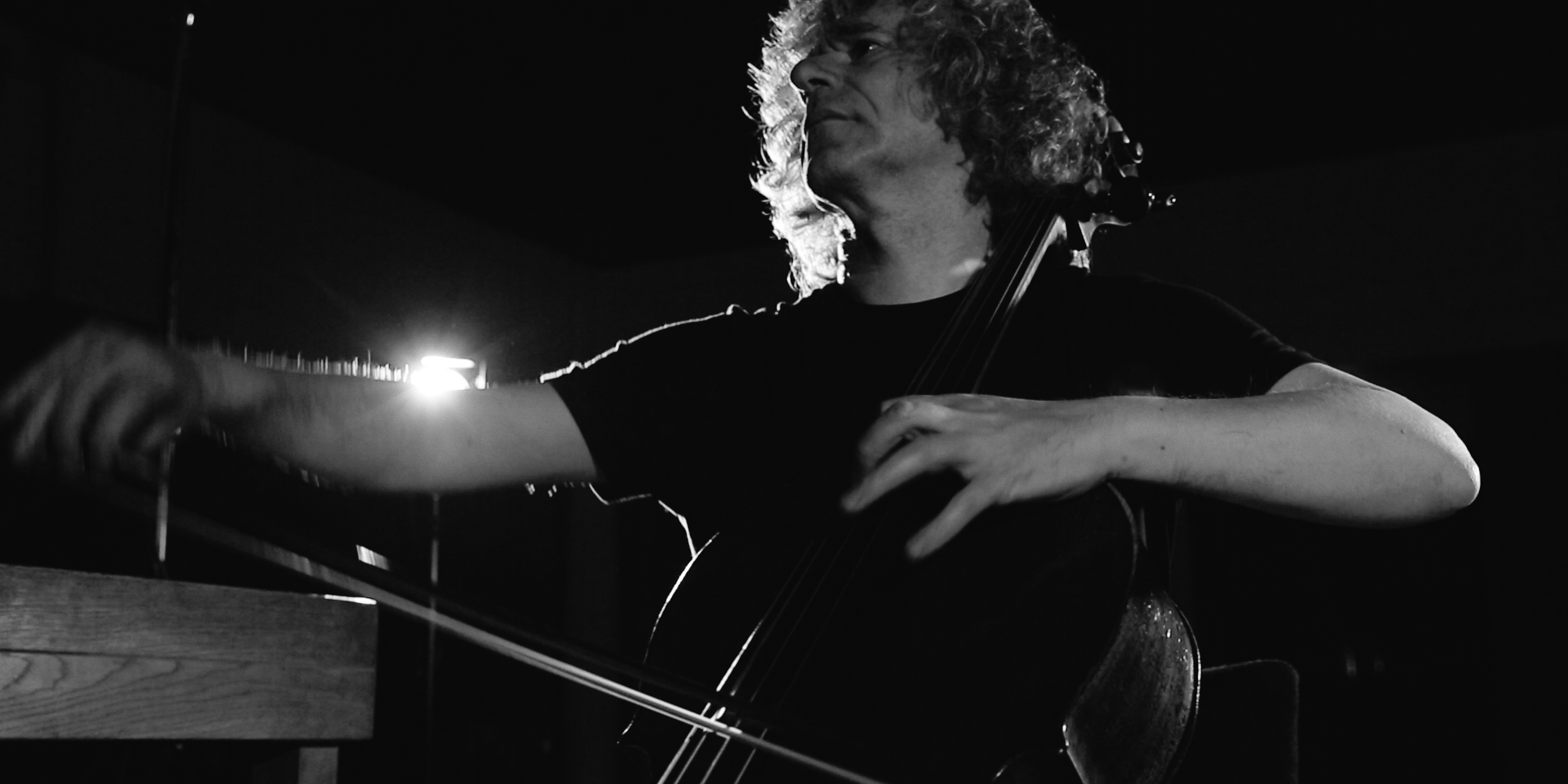
The Collection (2015-25) by Fly On The Wall is a landmark 10-year documentary project by musician and filmmaker Stewart French.  This unique online exhibition offers an unfiltered glimpse behind the scenes with some of the world’s finest classical musicians – including Angela Hewitt and Marc-André Hamelin – captured raw and uncut. 

The Collection presents 56 curated films drawn from more than 300 behind-the-scenes shoots, including never-before-seen footage from the project’s extensive archives.  The final project presents a compelling collection of video portraits, documenting musicians doing what they do best – performing live – up close and under a microscope.

From early music ensembles to cabaret trios, classical guitar quartets to percussion collectives, the exhibition showcases over 40 artists across a broad stylistic spectrum. It’s a vivid portrait of classical music in the UK and Europe today, authentic, contemporary, and alive. Featured names include The King’s SingersSteven IsserlisAlina IbragimovaRichard GoodeThe Choir of Clare College CambridgeLa Nuova MusicaColin Currie, and Boris Giltburg.

Filmed in a signature single-camera, handheld style, French’s approach brings viewers inside rarely seen spaces — iconic concert halls after darklocked recording studios, and private rehearsal rooms.  Locations such as Wigmore HallRoyal Festival HallHenry Wood Hall, and Ehrbar Saal emerge as characters in their own right, where inspiration, discipline, vulnerability and genius converge.

Accompanying each film is a written narrative offering behind-the-scenes insight and context, untold stories from deep within the creative process.

Blending cinematic long-take storytelling (think Sam Mendes’ 1917) with the intimacy of portrait photography, Stewart French’s films reject flashy edits in favour of immersive, emotionally charged moments. With over 20 years’ experience as a classical musician, producer, filmmaker and writer, his goal is to create a deeper connection between digital audiences and the visceral experience of live music.

French explains: “As a performer myself, I’ve always been drawn to the raw, unfiltered magic that happens behind closed doors — moments of focus, anticipation, creative flow.  With The Collection, I wanted to capture those flashes of vitality that sit at the very heart of music-making.”
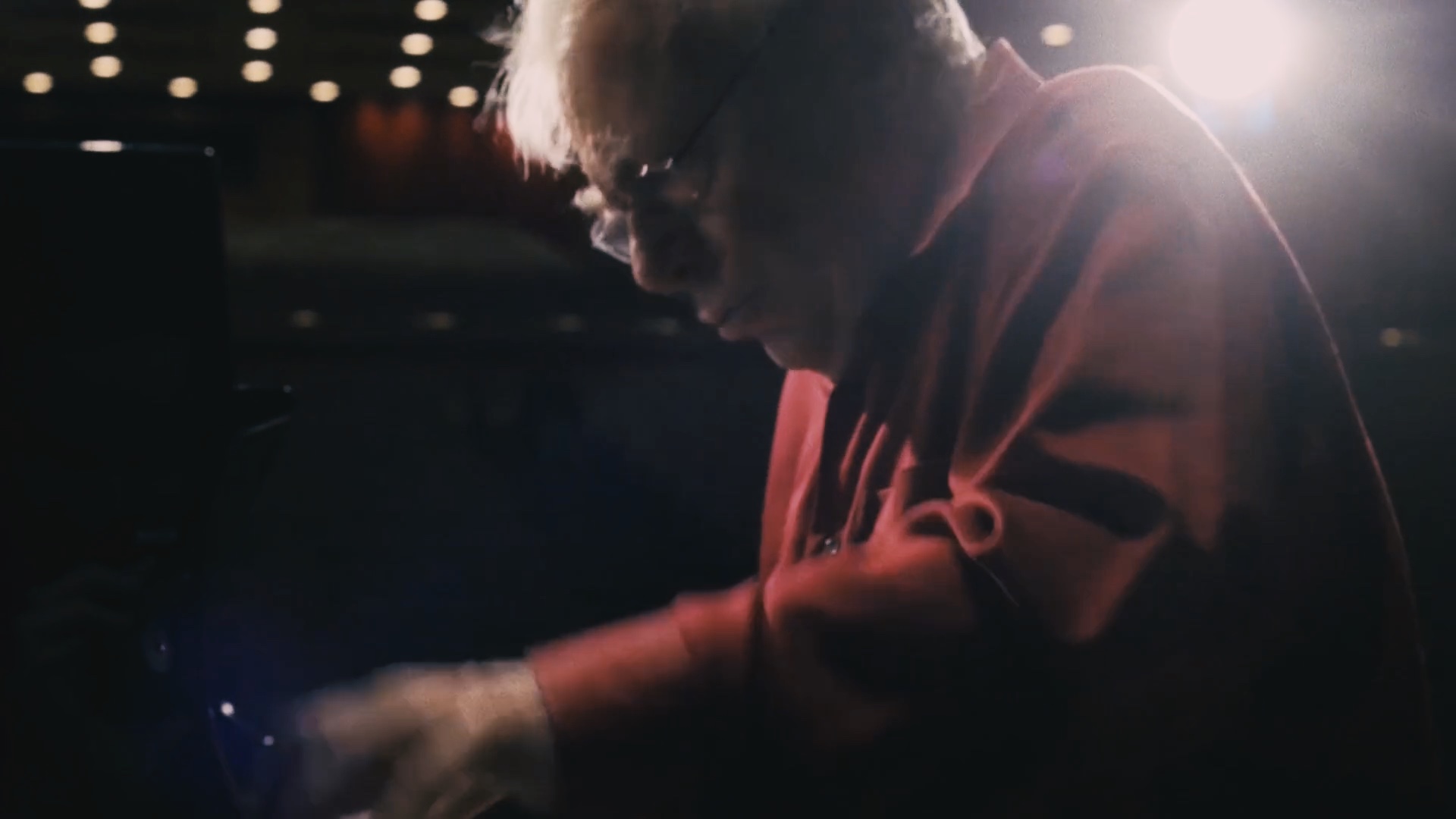
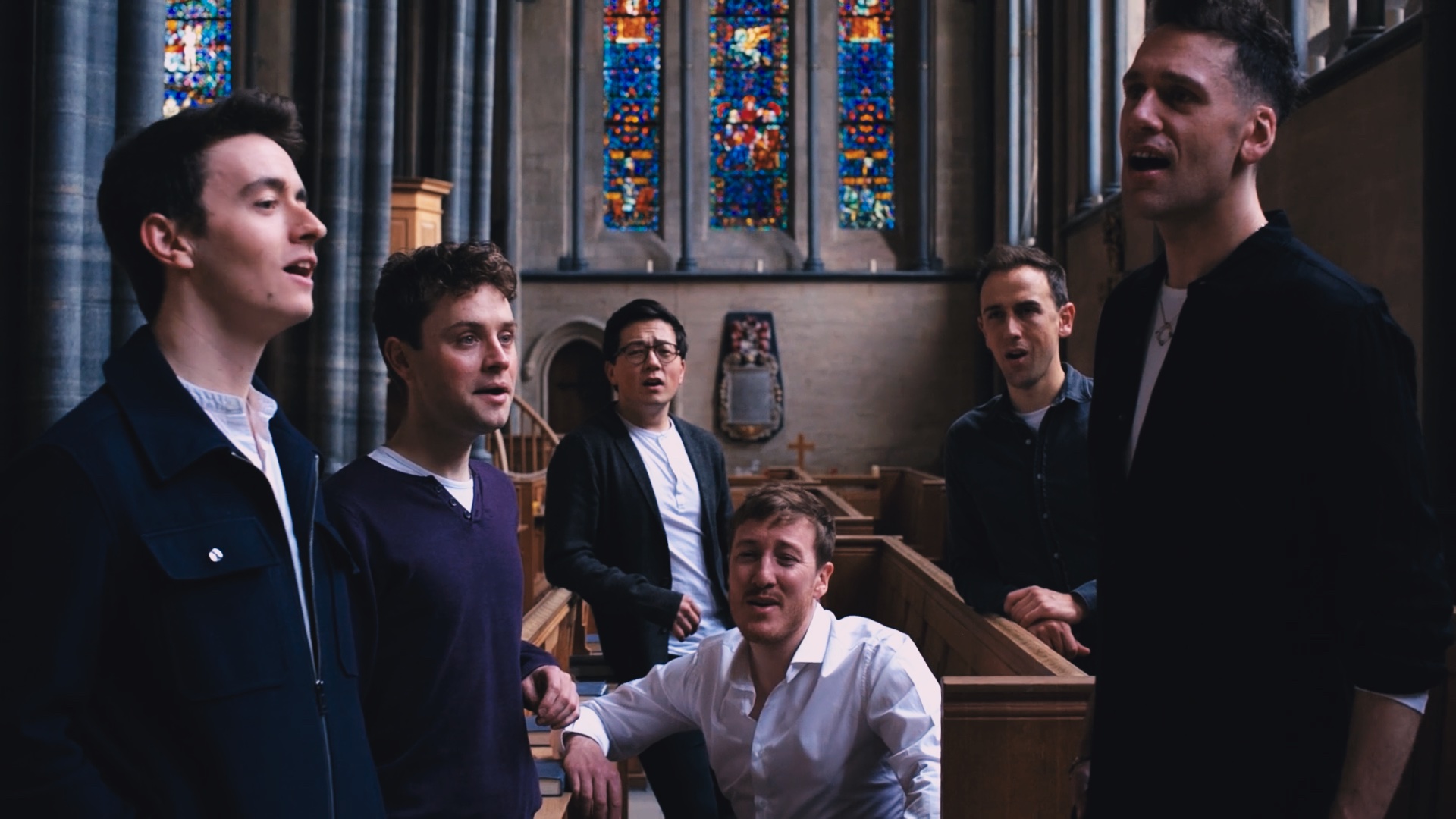
Originally launched as a Classic FM series in 2016, Fly On The Wall has grown into one of the UK’s leading classical film producers.  Its work has been featured by BBC Newsnight, The Times, Gramophone, and BBC Music Magazine, with recordings featured in Apple Music’s front-page editorial.

Access the online exhibition at: https://theflyonthewallcollection.org

(Source: press release)
Guest post by Doug Thomas

There is more to being a musician than simply creating and/or performing music.

Musicians are here to educate too. They are the professionals, the experts — and they should share their knowledge and wisdom with the rest of the world. It is a duty for them. The listeners in fact do not know as much they think they do, and musicians are here to help guide them towards what is true. Musicians should promote quality and help the listeners distinguish their taste. In the cultural world, the musicians’ role is of utter importance, as musicians are also educators. 

In fact, musicians are on a constant mission. They are indeed, all in their own ways, educators, whether they do it consciously through teaching, or unconsciously by the mere act of composing and performing their music. Each work, each performance is an opportunity to educate the listeners. To promote new sounds and ideas.
Musicians spend a lifetime understanding the language of music, the history of music and deciding what the future of music is. They are the direction-takers and decision-makers, and they should remain as such. For music is to grow and develop, to uncover new territories, to surprise and discover the unknown.  And somehow resist the human nature of wishing for comfort and repetition; even in art. 

Therefore, musicians should not create what the listeners want; this is a mistake that is done too often. Musicians must not bend to the wishes of their listeners. They must not accept familiarity and repetition of ideas. Musicians should carefully decide what material to create; what message and information, as well as emotion, to bring to the listeners. Their role is of utmost importance. They are the drivers of music progress. They are the bringers of novelty.

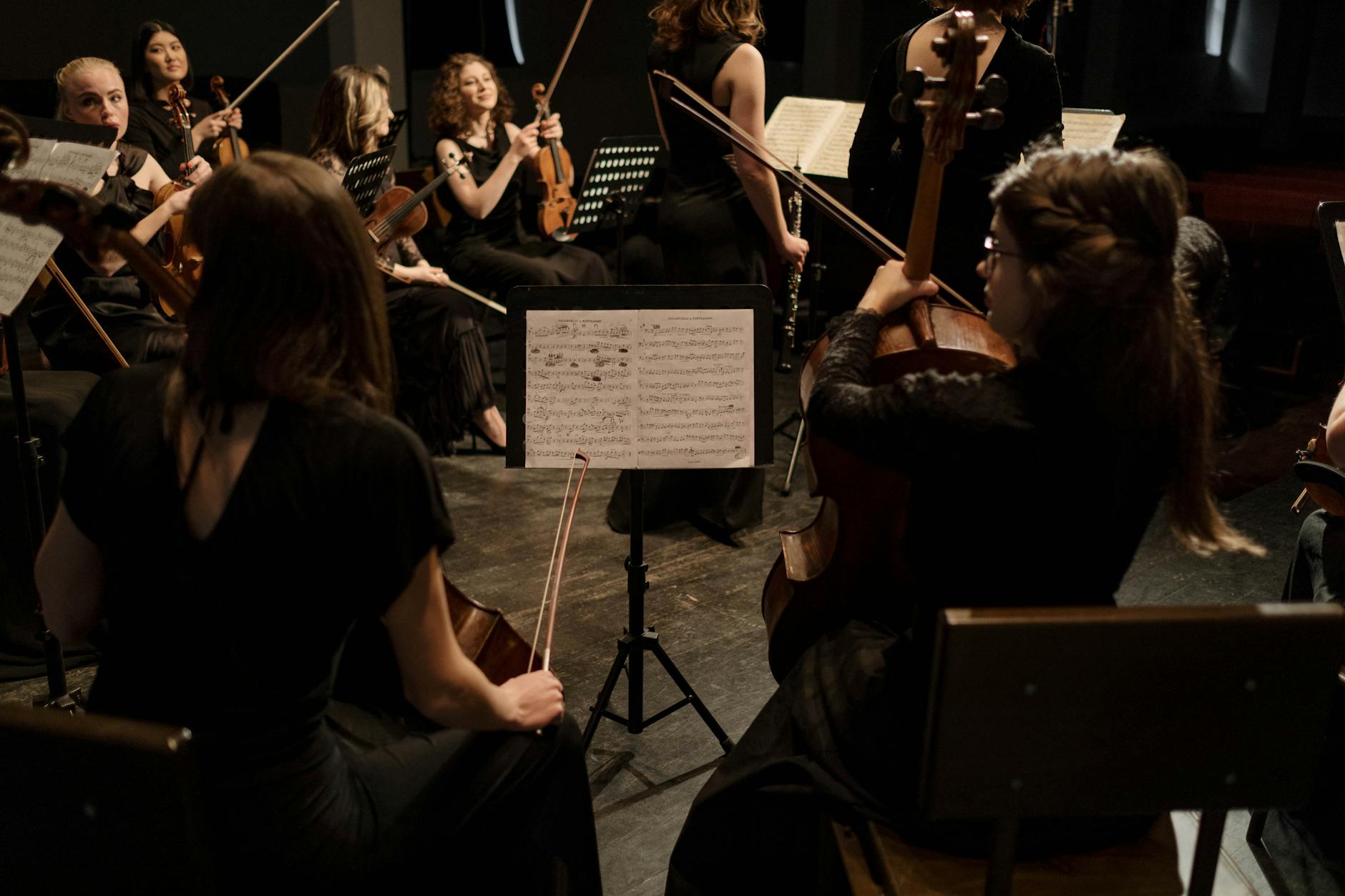
Photo by cottonbro studio on Pexels.com

To learn, listening is not enough. One has to practice and devote. And sacrifice. And it is in the sacrifice that musicians do — the sacrifice of time, energy and attention — that they automatically become leaders and influencers. It is this sacrifice which places the true musicians in front of their audience. Music takes devotion. And if the price is high, the reward is immense. 

Today the concept of musicians as educators is more important than ever as they often forget that they are first and foremost artists — rather than perhaps industry actors. Their role is to create, perpetuate, educate and through this improve the cultural world. Their role is to guide and lead. 


Doug Thomas is a Franco-British artist based in London.

His main medium of expression is music; since founding NOOX — or North of Oxford St., his own production studio — in 2015, Doug has composed, performed, recorded and produced multiple projects, both featuring his own music and other artists’ too. Additionally, he has worked with multiple independent labels and collaborated with artists from other disciplines. 

An aspiring polymath, Doug also ventures in the world of visual arts, through photography and various sketching works. He also designs his own project’s artworks and images. Finally, Doug writes articles, reviews and often interviews his musical peers.

Doug is a lover of food and drink, and this often appears in his universe too.

“Music allows me to express ideas and feelings in a unique way. Each piece I compose is an attempt in finding balance between intellect and beauty, within the limits of my own language and experience. More than a language, music is a way to engage with the above.”

doug-thomas-home

Acclaimed pianist and teacher Andrei Gavrilov has made the following statements about the current state of music education, as he perceives it. You may not agree with everything he says, but I feel he makes some valid points, which is why I am publishing his comments in full here:

Time has come to summarize my impressions about state of music education after four years of master classes all over the world. I had a great time with the international family of young musicians. We were progressing fast and productive when we were working together. Everywhere in the world I was working with talented guys, I had met the same (more or less) obstacles for their artistic development. What are those major mistakes?? What or who is producing the greatest damage to young souls? I will point it very briefly below:

  • Fake authorities, false “examples to follow”, established by music business (which only cares about money) – they are totally misleading, devastating for the young talents
  • No clear idea about the proper tasks of music making
  • No perception about goals and esthetics of Art in general, great lack of general knowledge
  • False view on the musician as a human being “cut off from the rest of the real world”
  • View on music as a separate world – perception of cheap amateurs and mediocre petite bourgeois
  • Lack of courage to take any risk
  • No knowledge and understanding of the total loneliness in serving the art, of the real artist’s path
  • No understanding that performer’s task is not a self-expression but transmission of other spirits
  • No knowledge about Christianity which is the basis of European-Russian culture, music in particular
  • No understanding of the need to study precisely all cultures and folks involved in creation of so called European music
  • No idea about the world of philosophy
  • No idea about different styles, characters of the compositions, national characters of composers, their consciousness, philosophical goals and ideas, religious consciousness and personalities
  • No knowledge about different epochs and the differences between them
  • No understanding in the need for actor-like ability to transform
  • Failure to understand the need for in-depth knowledge of related arts (painting, sculpture, theater, film, literature) etc.
  • Almost zero theoretical knowledge of the composer’s tools
  • No ability of theoretic analysis of any composition
  • No ability to analyze even a simple musical form of compositions – as a result nobody who could be able to touch a single serious composition without destroying it in all senses.

Please feel free to join this debate by leaving your comments below