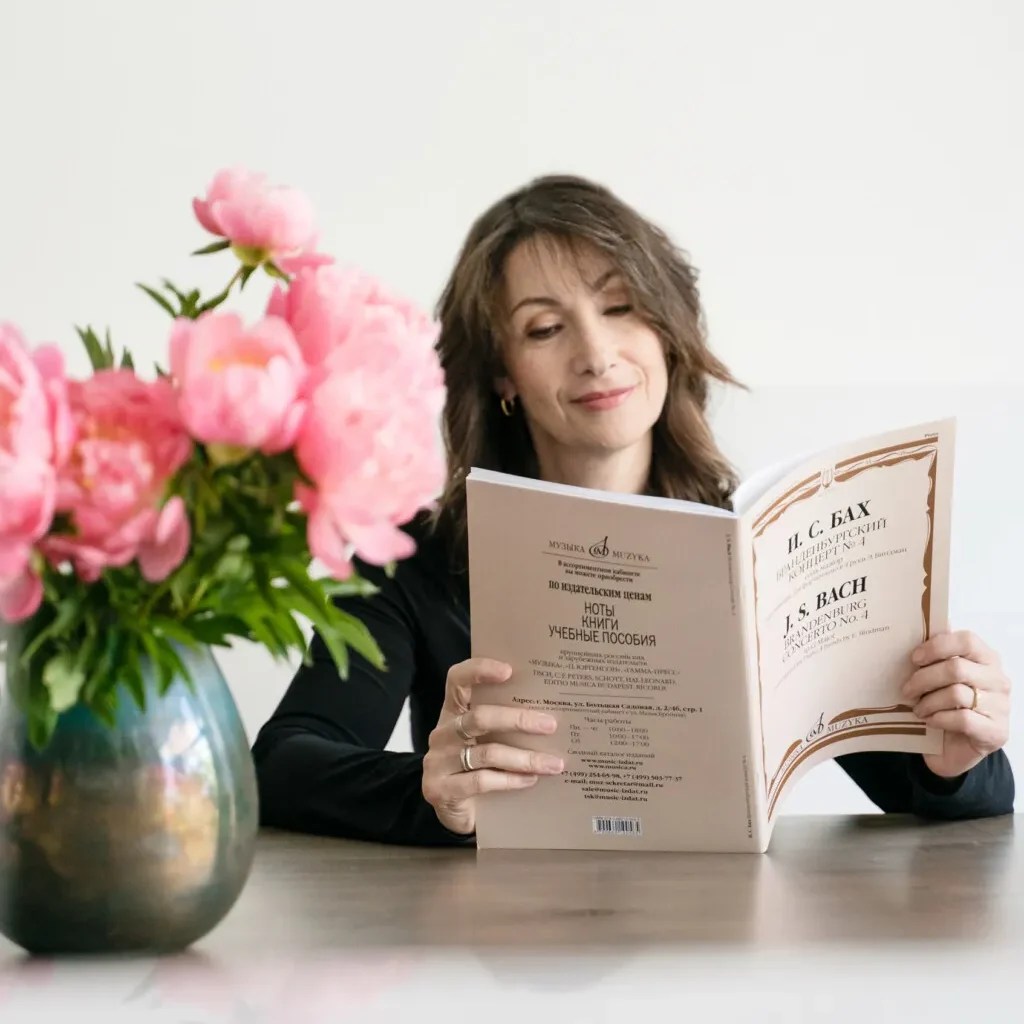
Tuesday 24 June at 1.15pm St Bride’s Church, Fleet Street, London EC4Y 8AU

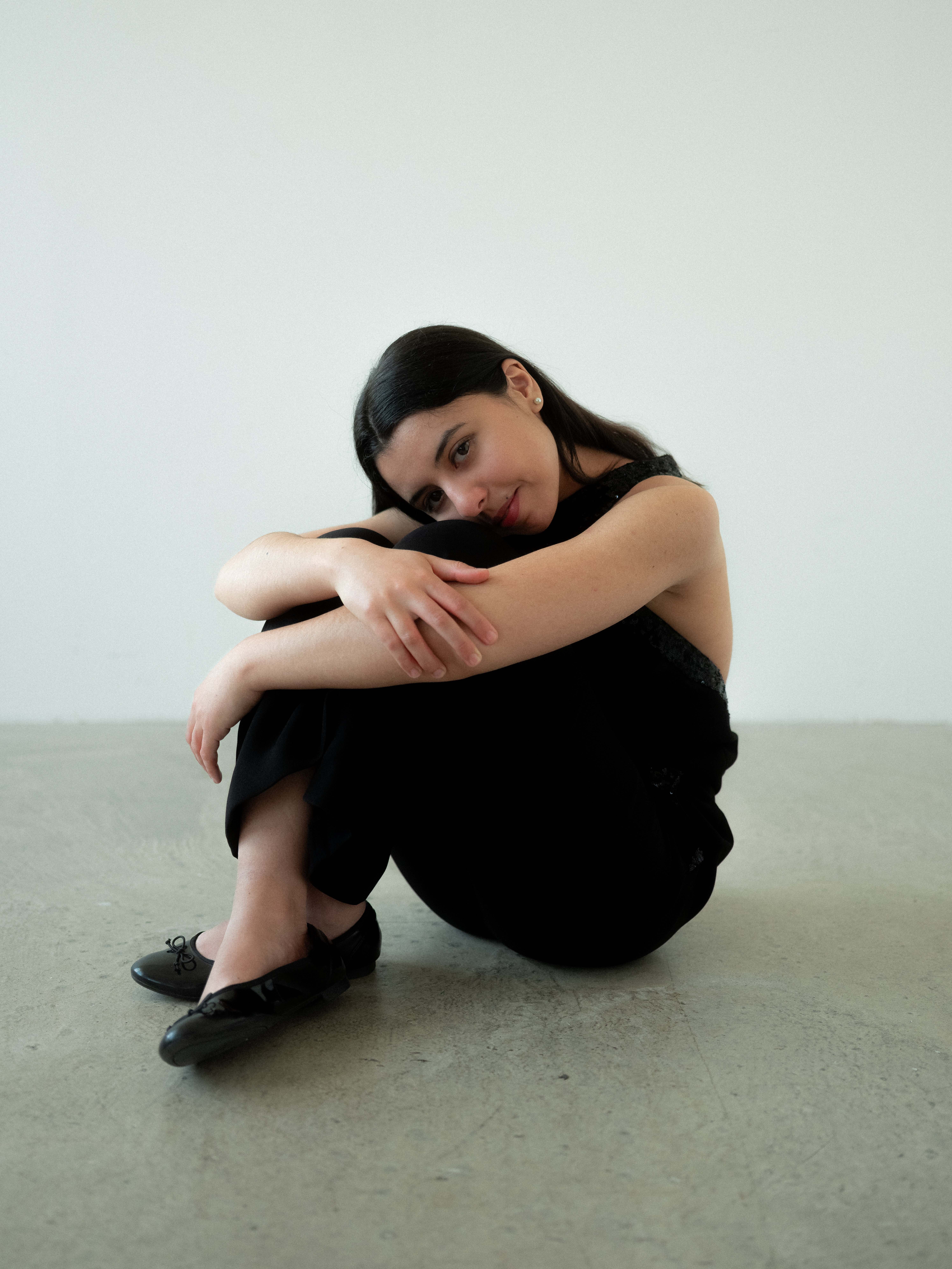
World premiere performance of ‘Metropolis’, six songs by British composer Bernard Hughes and lyricist Chinwe D John that capture the pulse of a modern metropolis. These songs, which explore aspects of urban life, romantic love, and resilience, bring the emotional essence of our shared experience into stark and beautiful view. Soprano Isabelle Haile and pianist Asako Ogawa infuse their sublime artistry through the songs, creating an unforgettable musical experience.

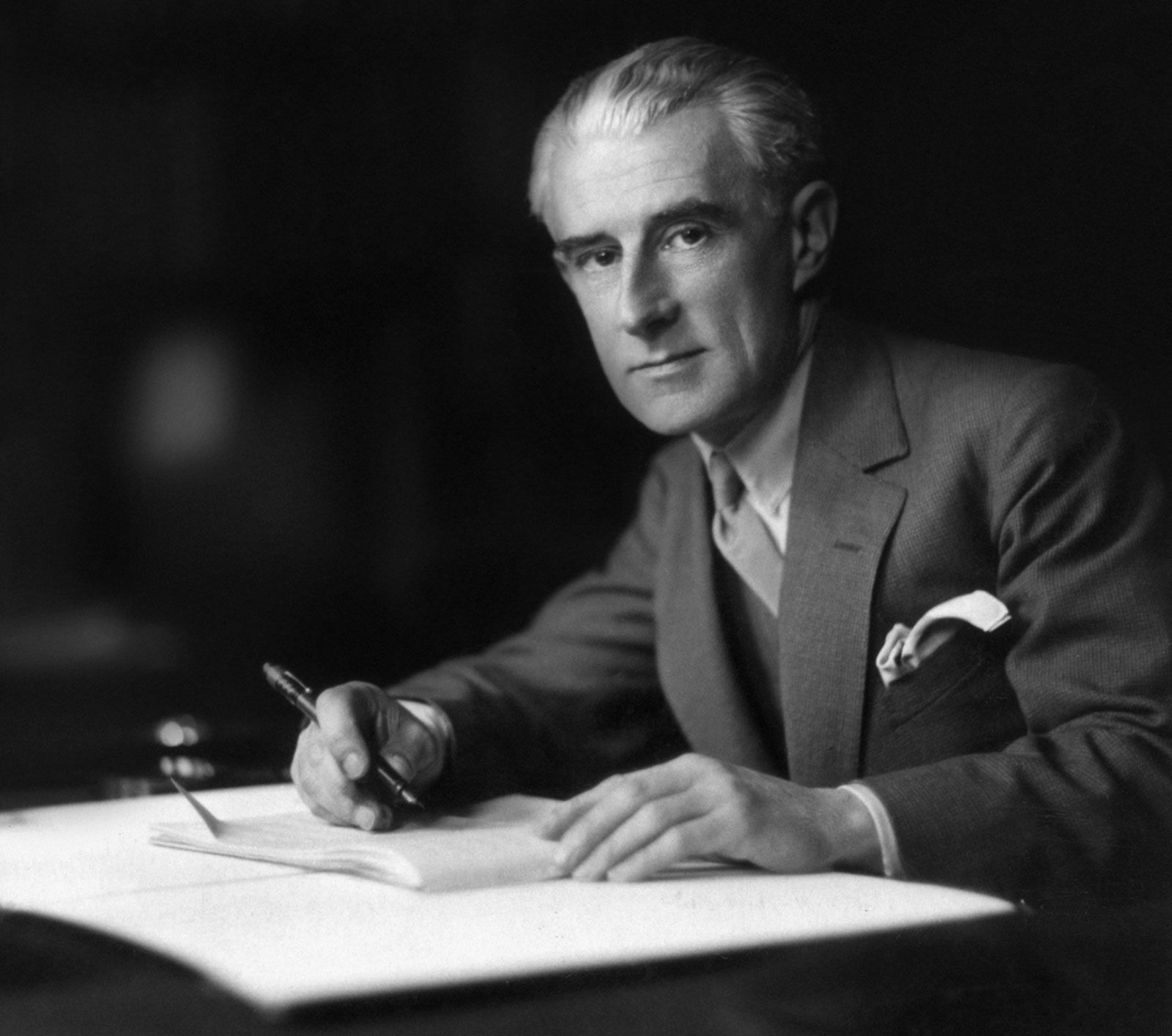
This free lunchtime concert also includes music by Francis Poulenc, chosen to complement the songs. Find out more here

Metropolis appears on the album ‘Songs for Our Times’, released to critical acclaim in 2023 on the Divine Art label. ‘Songs for Our Times’ features composers Bernard Hughes and Staurt MacRae, lyricist Chinwe D John, pianist Christopher Glynn, soprano Isabelle Haile and tenor Nick Pritchard. The project, from its conception by Chinwe D John to the enthusiastic participation of the artists, exemplified by the premiere organised by soprano Isabelle Haile and pianist Asako Ogawa, speaks to the spirit of collaboration and shared interest in engaging current and future listeners.

Composer Bernard Hughes says, ‘I hadn’t written any solo songs when the opportunity to work with Chinwe came up. It was really interesting to work with lyrics by someone from such a different background to me. She pointed me towards some music styles I wouldn’t have otherwise encountered, and these formed the inspiration for the piano parts of several of the songs. It was a very collaborative process…I liked working on the songs as a cycle: there is a definite thread running through them. It was a delight working with Isabelle Haile on the recording. She is an exceptional talent and I’m so pleased she is giving the live UK premiere of Metropolis.’

Praise for Songs for Our Times – Metropolis

‘As a poet writing texts for songs, John has a very clear, direct voice, with the ability to craft memorable, evocative phrases and use short bursts of lyricism. Rarely do her texts feel too wordy or too over-written, there is space for the music….. Haile sings with a lovely bright, focused soprano tone’ – Robert Hugill

‘Here is music to enjoy but to make you think as well!’ – British Music Society

This is a capable and sensitive player who is intelligently inside the music, and quite capable of drawing us into it.’ – Early Music Review on Asako Ogawa

Stinsford church, near Dorchester in Dorset, just a short distance from Thomas Hardy’s birthplace at Upper Bockhampton, and the place where his heart is buried, provided the perfect setting for A Beautiful Thread, a new words and music concert concept from the ever-inventive Orchestra of the Swan (OOTS). Produced to coincide with the 150th anniversary of the publication of Far From the Madding Crowd, A Beautiful Thread (a quote from that novel) weaves the words of Thomas Hardy – as dramatic as any of his novels – from his and others’ memoirs, his letters, poetry and prose – with atmospheric music composed or arranged by David Le Page, leader and artistic director of OOTS, and performed by a small ensemble of musicians from the orchestra.

Anton Lesser (Game of Thrones, Wolf Hall, Endeavour) and young actress Lucia Bonbright (who could have walked straight out of one of Hardy’s novels with her fresh face, jaunty curls and sky-blue dress) read the words, including excerpts from Far From the Madding Crowd, Tess of the d’Urbervilles, and Jude the Obscure, bringing Hardy’s life, work and world vividly to life.

I confess I’ve not ready much of Hardy’s writing, but I’ve really enjoyed film versions of some of his novels. And perhaps the move to Dorset (in 2018) and a greater sense of connection to the places and landscapes he knew, loved and included in his novels, piqued my interest in his writing, especially when hearing it read out loud by Anton Lesser. Indeed, there is a wonderful cadence to his writing, almost musical, and hearing his words spoken in the heart of “Hardy County” (as the Dorset Tourist Board likes to portray it!) was particularly special.

David Le Page writes haunting, atmospheric music. There are drones and loops, shimmering, wistful melodies, often with a folk inflection, hints of birdsong or the wind rustling the trees on ‘Egdon Heath’ (the primary setting for Hardy’s novel The Return of the Native). His arrangements of traditional folk melodies and carols (Apple Tree Wassail, See Amid) are earthy, textural, foot-tappingly rhythmic, with careful attention paid to individual instruments (Diane Clark on flute/piccolo, Miloš Milivojević on accordion, and Glenda Allaway on harp, to name but a few of these fine musicians).

But perhaps the most arresting aspect of this heartfelt, poignant, witty and fascinating performance was the way the music was so subtly interposed between the words, weaving in and out, sometimes softly, sometimes more robustly, but always sensitively paced, complementing, illustrating and enhancing the words. The overall effect was of a continuous narrative of Hardy’s life and work. A fine tribute to Thomas Hardy, his words, his world – and to Dorset.

Go and see if it you can!

Anton Lesser says: ‘Words and Music is a kind of unique genre, neither pure reading, nor acting, but with an immediacy that comes from the huge emotional impact the music has upon the words, and vice versa, and the interplay we as actors enjoy with the musicians on-stage. Quite simply, it’s the most enjoyable thing I’ve ever done!’

A Beautiful Thread is currently on tour – find out more here

When the first notes of Chopin sound through the concert hall there is a happy sign of recognition. All over the world men and women know his music. They love it. They are moved by it. When I play Chopin I know I speak directly to the hearts of people.

Arthur Rubinstein


Virtuosic, imaginative, and emotionally profound, Chopin’s music offers pianists a wealth of expressivity, requiring a combination of superior technique, which always serves the music (rather than as an end in itself), refined touch, a beautiful cantabile (singing) tone, highly nuanced dynamic shading, supple phrasing and rubato, and an appreciation of the interior architecture of this multi-layered music. Chopin is also symbolic of Poland, the country of his birth, whose musical idioms are evident in almost all his music, most obviously, the Mazurkas and Polonaises.

When asked, the great Chopin player Arthur Rubinstein could not explain why Chopin’s music spoke to him, but like the music of J.S. Bach (which Chopin greatly admired and studied), it expresses universal humanity which, combined with a certain vulnerability, speaks to so many of us, and on many different levels.

An unrivalled authority and one of the greatest interpreters of the music of Chopin, Rubinstein brought great dignity and refinement to the music, avoided unnecessary mannerisms and sentimentality, and revealed the structural logic of Chopin’s writing. His playing is memorable for its elegant vocal phrasing, beauty of tone, and natural yet sophisticated shaping.

Arthur Rubinstein Plays Chopin’s Polonaise in A Flat Major, Op.53

“A master of the keyboard” (Harold C Schonberg), Dinu Lipatti was the pupil of an older Chopin master, Alfred Cortot.

Lipatti’s immaculate performances of the waltzes, in particular, are spontaneous, light and nimble, lyrical and suitably dancing, with subtle rubato and great charm.

“It’s very inner music and very deep,” Maria João Pires has said of Chopin. For her, he is “the deep poet of music”. That depth is really evident in Pires’ playing of the Nocturnes: intimate, refined and passionate, her interpretations eschew drawing room night-time sentimentality and capture all the drama and emotional intensity of these much-loved pieces.

Described by one critic as “the greatest Chopin player to have emerged from Italy since the Second World War”, Maurizio Pollini’s association with Chopin goes right back to the beginning of his professional career when he won the Chopin Competition in Warsaw when he was just 18. His unsentimental, cultivated interpretations are notable for their clarity of expression, perfectly judged poetry, and close attention to the bel canto melodic lines which make Chopin’s music so immediately appealing.

Alfred Cortot is one of the most celebrated Chopin interpreters, combining flawless technique with a deep appreciation of the structure, voicing, and textures of Chopin’s music. His recordings are acclaimed to this day, and his detailed, annotated editions of Chopin’s music remain highly prized among pianists and teachers.

Hailed by her mentor Arthur Rubinstein as “a born Chopin interpreter”, Polish-Canadian pianist Janina Fialkowska captures the soul of Chopin, in particular in her performances of the Mazurkas, works which reveal Chopin’s patriotism and innermost sentiments towards his homeland. Fialkowska is sensitive to both the humble, peasant origins of the Mazurka and Chopin’s elevation of the genre into concert pieces. She really captures the poetry, poignancy, and whimsical emotions of these Polish folk dances, and her rubato is perfectly judged, especially important in these pieces where suppleness of pace lends greater emphasis to the emotional depth of the music.

An earlier version of this article appeared on the InterludeHK website


Support The Cross-Eyed Pianist

This site is free to access and ad-free, and takes many hours to research, write, and maintain. If you find joy and value in what I do, why not

FROM SHADOWS TO LIGHT: MUSICAL JOURNEYS IN CONFLICT & PEACE

Hertfordshire Festival of Music 2025, 7th to 14th June

The Hertfordshire Festival of Music (HFoM) is proud to announce the programme for its ninth annual festival, running from 7th to 14th June 2025. Under the theme From Shadows to Light: Musical Journeys in Conflict & Peace, the festival explores how music serves as a medium to document personal and collective struggles while also illuminating paths towards renewal.

The 2025 festival builds towards HFoM’s milestone tenth anniversary in 2026, which will be celebrated under the banner Made in Herts, marking a decade of cultural contribution. This year’s programme is designed to pay heed to heritage, strengthen community bonds, and pave the way for future creative enrichment.

The festival opens on 7th June with a performance by prize-winning young ensemble Brompton String Quartet, performing music by Beethoven and Haydn at Hertford’s historic Friends Meeting House, a building almost certainly visited by Haydn during his time in Hertingfordbury in 1791.

On the opening evening, From Shadows We Rise: The Music of Reflection and Renewal, at All Saints’ Church in Hertford, commemorates the 80th anniversary of the end of the Second World War. It will feature the Hertfordshire Festival Community Concert Band, led by Chris McGinity, and the Hertford Chamber Choir, led by Manvinder Rattan. A local school choir will participate in the world premiere of From Shadows Hope Shall Rise, a piece specially written for the occasion by composer and Festival Artistic Director James Francis Brown, alongside other popular works linked to the wartime era, including music by John Williams, Eric Coates, William Walton, and Karl Jenkins.

The festival programme includes a variety of events beyond traditional concerts. A special Festival church service at All Saints’ Church will pair a young organ scholar with handbells. Stepping outside, a guided tour will explore Hertford’s wartime history, with an invitation to wear period costume. The popular Soundbites recital series at All Saints’ Church will feature music that blends past and present, including the world premiere of a new work by Lloyd Moore, Schumann’s Fantasiestucke op 73, and Brahms’ Viola Sonata in E♭ major, Op. 120, performed by Sarah-Jane Bradley (viola) and James Francis Brown (piano).

Central to the festival are its community initiatives. Songs of Friendship and Adventure: Making Music Together Across Generations is a project engaging primary school children to explore wartime songs through intergenerational storytelling, reflection, and school concerts, with some performances traveling to local care homes to bridge generational divides. The Music in Mind programme, now in its fifth year, delivers live music sessions to residents living with dementia, their carers, and families in local care homes, demonstrating music’s enduring power to soothe, uplift, and connect.

Thoughtful reflections on shared history are also key. An illustrated talk, Hertfordshire During the War: The Evacuee Story, will gather multiple generations to recount and reflect on wartime evacuation experiences. A corresponding event, The Evacuee Story II, will be a 1940s-inspired jazz concert given by the Chris Eldred Trio, highlighting music as a form of solace during adversity.

Art historian Barry Dodge will present an illustrated talk on war artist Paul Nash at St Andrew’s Church, examining his work alongside an original composition by James Francis Brown inspired by three of Nash’s paintings.

A ‘relaxed rehearsal’ at All Saints’ Church will give people an opportunity to see musicians at work and offer a glimpse of the creative processes involved. The festival will culminate in a chamber orchestra concert featuring Benjamin Britten’s Serenade for Tenor, Horn, and Strings, a work written in the wartime year of 1943, performed by young tenor Guy Elliott and horn player Chloe Harrison, highlighting the festival’s commitment to nurturing future artists.

The Hertfordshire Festival of Music is fundamentally a community endeavour, created to bring people together, educate, and foster meaningful dialogue. Every element – from performances and educational projects to outreach and talks – is part of a larger conversation linking shared history with the promise of a more engaged future.

Festival website: hertsmusicfest.org.uk

BOOK TICKETS

About the Festival

An annual summer event dedicated to celebrating musical heritage, fostering community engagement, and promoting creative enrichment in Hertford and Hertfordshire, HFoM is the vision of conductor Tom Hammond and composer James Francis Brown, and is registered as a charity supported by a board of Trustees and a team of volunteers.

Since its founding in 2016, HFoM has grown rapidly from a small weekend event to one of the UK’s major summer music festivals, featuring international artists and ensembles alongside innovative outreach and educational projects, all based in and around the attractive historic county town of Hertford. HFoM has presented concerts that have inspired extraordinary audience responses to artists such as Tasmin Little CBE, Dame Emma Kirkby, Sir Stephen Hough, Steven Isserlis CBE, Ben Goldscheider, the Carducci Quartet, Emma Johnson MBE, Jack Hancher, the Galliard Ensemble, Chloe Hanslip, ZRI and The Prince Consort.

HFoM receives no Arts Council funding and is fortunate to receive support from a number of charitable trusts and foundations, county, district and town councils, local businesses and other organisations. A ‘Deer Friends’ Scheme allows individuals to play an important role in supporting the Festival and furthering its scope and potential. The Festival offers affordable ticket prices, several free events, concessions for those under 24 in full-time education, free tickets for the under 8s and a complementary ticket for a carer accompanying those patrons with access needs.

HFoM exists to celebrate and nurture exceptional music-making, featuring some of the world’s finest performers. The Festival also supports professional and young musicians from Hertfordshire, presents fascinating music by living composers and devises major, innovative projects for education and participation. Hertford is just over twenty miles from central London, easy to get to by rail and road, but nestled in the beautiful countryside of the Lea Valley. Most concerts take place within a ten-minute stroll of the town’s centre, which boasts excellent restaurants, many independent shops, and pleasant accommodation.

The Festival celebrates its tenth anniversary in 2026.

X: @HertMusicFest Instagram: @hertsfestofmusic Facebook: @ Hertsmusicfest

Registered Charity Number 1175716