
 OVERCOMING PERFORMANCE ANXIETY
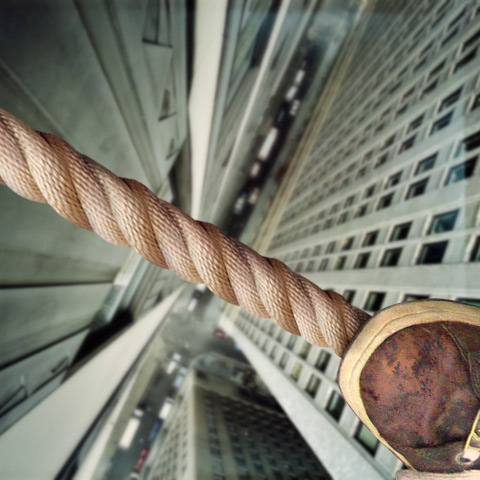
At my recent kids’ masterclass, the class leader, pianist Graham Fitch, likened playing in different situations – at home, for teacher, in a festival or exam, in a concert – to walking a tightrope. When practising at home, often alone, or with the family getting on with their own things around you, the tightrope is easy to negotiate, very close to the ground, and should you fall off, you won’t hurt yourself. When you play for your teacher, you may feel a little anxiety initially, but once you start playing, you settle into the music and look forward to your teacher’s feedback. The tightrope is still manageable, not too high, not too scary, and not far to fall.
However, when we put ourselves in more stressful situations, the tightrope is suddenly yanked up, and is sometimes dauntingly vertiginous. We view it with trepidation, and the nerves may well set in from the moment we receive the exam date, book the concert venue or send off the competition application form. Dealing with performance anxiety can be a major issue for many musicians and is, for some, the reason why they choose not to perform at all (most famously, perhaps, Canadian pianist Glenn Gould). As I prepare for my diploma exam (mid-December), coping with anxiety on The Day has been up there at the forefront of my mind, along with ensuring my repertoire is ready, my programme notes are accurate, the page-turner is primed, and my dress is appropriate for the occasion.
Everyone has their own way of dealing with anxiety, but there are some well-established strategies which can help, from physical exercises, deep breathing, sensible diet and rest, to psychological activities to help encourage a positive outlook on the event, and thorough preparation. For me, anxiety manifests itself mostly in physical symptoms: dry mouth, racing heart, trembling hands, feeling hot, feeling cold, headache and light nausea. Lately, I have learnt how to counteract this with positive thinking, Bach Flower Rescue Remedy and the “piano pilates” exercises from my teacher.
In preparing for a concert, exam or similar situation, where one knows one’s playing will be held up for scrutiny, it’s important to set that tightrope slightly higher, even if one is working in the relatively stress-free environment of one’s home or piano studio. This past week, my practising has incorporated recording myself playing, using a neat digital recording device (Olympus LS-5). It’s amazing how just having that little machine behind me as I played has upped the anti: knowing that there is an extra pair of “ears” listening has either made me play better, or caused me to crash through my repertoire with all the finesse and poise of a grade one schoolgirl. I posted the recordings on Soundcloud, and have been surprised at the positive feedback. It all helps!
It is also important to present one’s concert or exam repertoire to an uncritical audience ahead of The Big Day. Playing for friends, in the informal surroundings of one’s own home (if space permits), can be very useful. Ply the friends with coffee and cakes, don’t expect them to sit in hushed reverential silence, and just play for pleasure. You know you’re on show, but no one’s going to boo or slow hand-clap you.
Ahead of the event proper, try on your concert clothes and ensure everything fits and is comfortable. As a female pianist, it is crucial (for me at least) to have shoes with a heel which is comfortable on the pedal, and will not slip (much as I love high heels, they are impossible for playing the piano). Match your concert attire to the venue and time of the concert: you don’t need to wear evening dress for a lunchtime or early evening recital. Find out how to get to the venue well in advance, especially if you have to rely on public transport, and work out a route that will ensure you arrive in good time.
Even in the concert setting, on The Big Day, you can engage in psychological strategies to counteract the nerves. Imagine yourself walking across the stage, greeting the audience, sitting at the piano and placing your hands on the keys. Visualise the opening page of the first piece you will play and hear the music in your head. Take a deep breath and as you exhale, allow your hands to float onto the keys ready for the opening measures. Deep, thoracic (“Pilates”) breathing can also help when you are playing: in our anxiety, or extreme concentration, sometimes we do actually forget to breathe (I know I do this in the second half the Schubert Impromptu Opus 90 No. 2 – I have marked a reminder to myself on the score!). A deep breath in and slowly exhaled can help refocus, and can even have a softening effect on the music, especially during sections where a bugbear error has always cropped up in practice, or which are just plain difficult. Remind yourself that you are well-prepared, that you are ready, looking forward to sharing your music with others, that you fear nothing, and that the experience will be fun, exciting, and instructive.
When helping my students prepare for our end of term concerts, we talk about performance anxiety and I remind them that playing the piano is very hard. The audience (parents, grandparents, siblings and friends) is sympathetic, nay, gobsmacked that anyone has the guts to get up on the stage and play. My own mantra in this situation is “I can do it. And you can’t”. Bullish? Egocentric? Of course – but you need a degree of chutzpah to drive you out onto the stage in the first place. And it makes you play better.
It is adrenaline (the “fight or flight” hormone) which causes the unpleasant symptoms of performance anxiety, but it can also be harnessed to create the right excitement, daring, poise and sprezzatura to perform – and perform well. My teacher has a lovely anecdote about her daughter, who was taking part in a school drama show. The child asked her mother excitedly “I wonder if I’ll get adrenaline on The Day?”, knowing that it would enhance her performance.
On a more prosaic level, it is important to go into a performance or exam situation well-rested and properly fed. Don’t hammer through your pieces on the morning of the concert or exam. Do gentle practice, eat a light lunch, preferably not overloaded with rich salad dressings or carbohydrates which will make you sleepy, take a nap, prepare your concert clothes, put your music in your brief case. At the venue, familiarise yourself with all the key entrances and exits, and facilities (including fire exits). Move calmly and quietly. Avoid too much conversation with venue staff, house manager etc. Get dressed and warm up. Now, start to think yourself into the music…..
The Inner Game of Music and The Mastery of Music, both by Barry Green, and The Musician’s Way by Gerald Klickstein all contain sound, sensible, and reassuring advice on how to prepare for a concert, strategies to overcome performance anxiety and how to “become a performer”. The accompanying Musician’s Way website is also extremely helpful.




 The Cross-Eyed Pianist