
BEETHOVEN: Sonata in C minor Op. 10, No. 1
MENDELSSOHN: Song Without Words, Op. 38, No. 2 in C minor
MENDELSSOHN: Song Without Words, Op. 19, No. 6 in G minor
MENDELSSOHN: Song Without Words, Op. 30, No. 1 in E flat major
BRAHMS: Two Rhapsodies Op. 79 (No. 1 in B minor and No. 2 in G minor)
RACHMANINOV: 13 Preludes, Op. 32
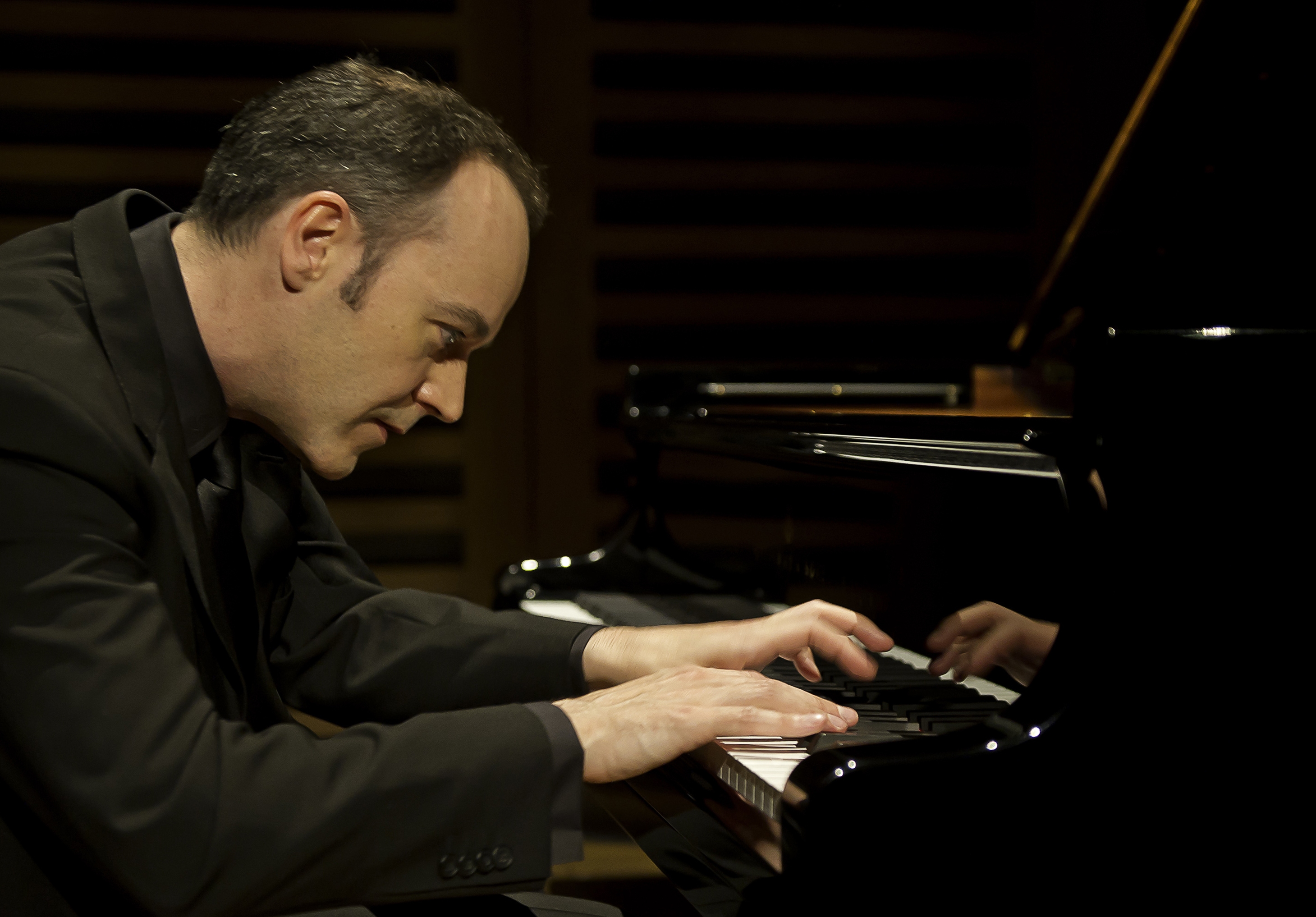
Leon McCawley, piano
Deep in the heart of Belgravia, just five minutes from Victoria Station, is St Peter’s Eaton Square, an early nineteenth-century neo-classical church which has undergone extension modernisation following a fire some years ago. It is home to Eaton Square Concerts, now in its fifteenth season, which showcases established artists and rising talent.
For the first concert of the Spring 2014 season, Leon McCawley, one of Britain’s foremost pianists, performed works by Beethoven, Mendelssohn, Brahms and Rachmaninov. The concert was introduced by managing director Carl Anton Muller, and Leon McCawley was received most enthusiastically – and indeed throughout the entire evening.
Beethoven’s early piano sonatas should never be dismissed as “juvenilia” – for in them we find a composer already fully conversant with this genre. Many of the early sonatas display characteristics of style, form and expression which prefigure the later, more well-known piano sonatas, and the Opus 10, No. 1 in C minor is no exception. This sonata looks forward to the more famous ‘Pathétique’ with its robust outer movements enclosing a middle movement of great serenity with a beautiful cantabile melody.
McCawley gave an energetic account of the first movement, its dark and angular opening sentence contrasted with a lyrical second subject, the entire movement crisply articulated with fine attention to the string quartet and orchestral writing and startling dynamic changes. The middle movement offered a respite from the darkly-hued outer movements. Scored in warm-hearted A -flat major, it was an opportunity to enjoy some fine legato playing. The final movement was a burst of nervous energy, only just held in check by McCawley, which allowed him to highlight not only the dramatic possibilities inherent in Beethoven’s writing, but also the composer’s wit: the movement ends with a slower coda and a final sentence which is almost a whisper.
In the Songs Without Words by Mendelssohn there was further opportunity to enjoy McCawley’s exceptionally fine legato playing. Beloved of Victorian salons, Mendelssohn invented the concept of the Lieder Ohne Worte, and produced eight volumes of these varied and lyrical miniatures. McCawley’s selection of just three from the Opp 38, 19 and 30 was intimate, expressive and poignant.
Brahms’ Two Rhapsodies Op 79 closed the first half of the evening, McCawley giving free rein to the climactic nature of these works and capitalising on the rich bass sonorities of the piano. It also set the scene for the Rachmaninov which followed after the interval.
Rachmaninov was following the precedent set by Chopin’s Preludes, and his two sets Op 23 and 32 complete the twenty four. In the Op 32 set, Rachmaninov uses four pairs of parallel keys (E, F A and B, major/minor) but no relative keys. Each Prelude opens with a tiny melodic or rhythmic fragment on which the whole is built. Alert to the contrasting and varied nature of these short works, McCawley gave an account that was committed and emotionally charged, highlighting both the expansiveness of Rachmaninov’s writing as well as the interior details of each piece.
What better way to close than with an encore of Schumann’s Traumerei, tenderly delivered.
This was my first visit to Eaton Square Concerts and I was impressed not only with the fine acoustic of the venue, but the high quality music. I very much look forward to attending further concerts at Eaton Square.
Meet the Artist……Leon McCawley (interview from April 2012)






 The Cross-Eyed Pianist