
The tenth London Piano Festival takes place between 9 and 12 October 2025 at Kings Place, London
- Three world premieres written to celebrate the 10th anniversary of the Festival by composers Cheryl Frances-Hoad, Stephen Hough and Elena Langer
- The central Gala, featuring co-founders Charles Owen and Katya Apekisheva with Stephen Hough, Ingrid Fliter, Ronan O’Hora, Seta Tanyel, Mishka Rushdie Momen, and Joseph Havlat performing four-, six- and eight-handed works
- Solo recitals by Ingrid Fliter, Mishka Rushdie Momen, and festival co-founders Charles Owen and Katya Apekisheva
- A family concert narrated by Michael Morpurgo and featuring Keelan Carew, James Kreiling and Janneke Brits
- A masterclass led by Stephen Hough
- A showcase of star pianists from the Julian Joseph Jazz Academy
- Pre- and post-concert discussions led by Ella Lee, presenter of the Classical Circuit podcast
Pianists and co-Artistic Directors Katya Apekisheva and Charles Owen reveal another dynamic lineup for the tenth-anniversary edition of the London Piano Festival (LPF) which returns to Kings Place from 9-12 October 2025. Four days of classical and jazz piano performances will include three world premieres by internationally renowned composers, each commissioned especially for this year’s Festival. The programme sees Ronan O’Hora, and Julian Joseph returning to perform at the Festival, and Stephen Hough, Ingrid Fliter, Keelan Carew, Zoe Rahman, Joseph Havlat, Mishka Rushdie Momen and more making their Festival debuts.
Under 30s tickets are available for all concerts at a reduced price of £10. The Festival is delighted to be working with International Piano magazine as its media partner for the tenth year running.
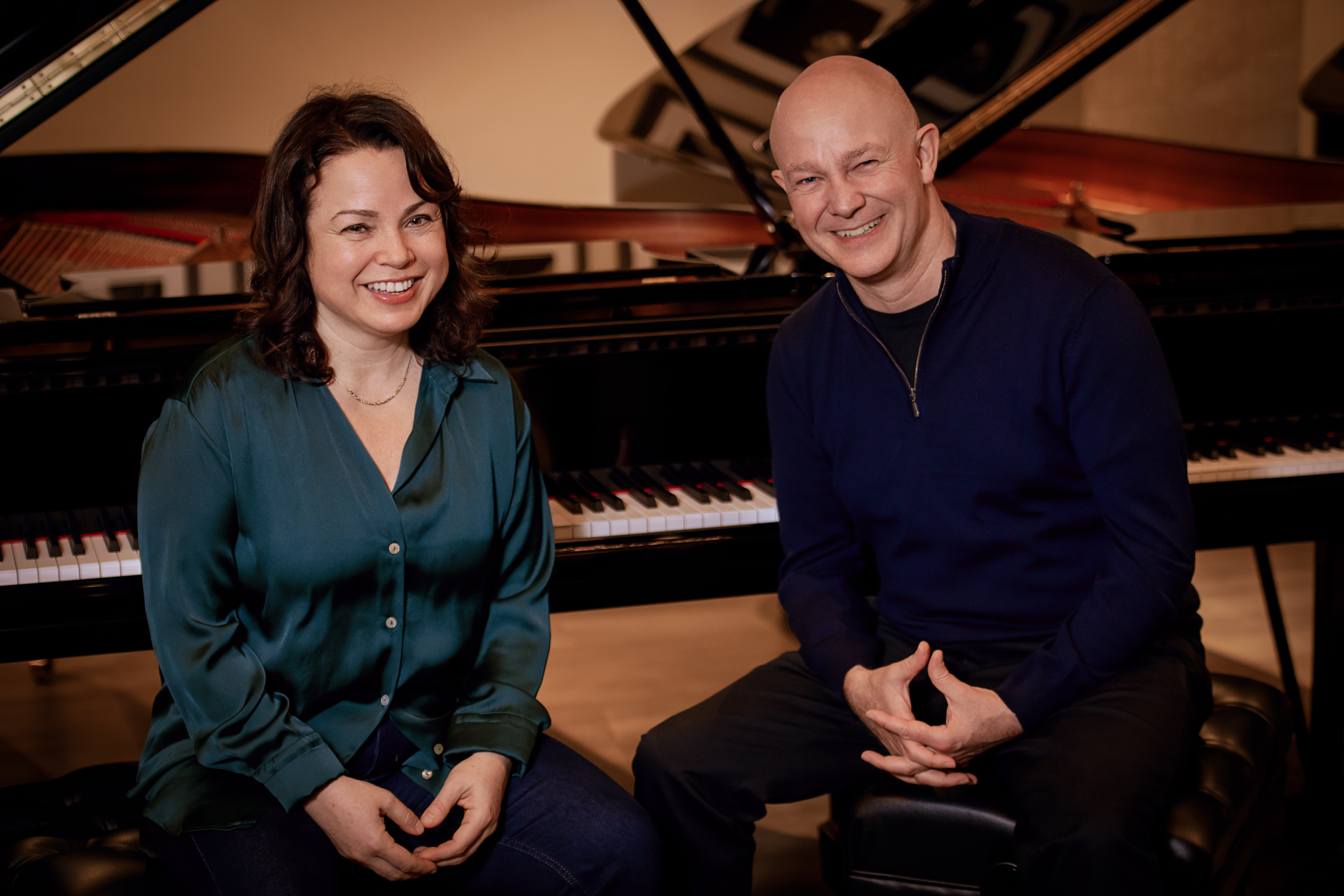
Co-Artistic Directors Katya Apekisheva and Charles Owen commented, “It is our great pleasure to be announcing the programme for the 10th London Piano Festival alongside the world premiere of three new commissions by Cheryl Frances-Hoad, Stephen Hough and Elena Langer. When we first dreamt up the idea of starting a piano festival over a decade ago, we hoped to fill a gap in London’s musical offering by creating a festival devoted exclusively to the piano. Ten years on, having presented nine Festivals featuring over 45 exceptional jazz and classical pianists, we are immensely grateful to continue offering world-class piano performances at our Festival home – Kings Place.”
Sam McShane, Artistic Director of Kings Place, commented: “London Piano Festival is back with an epic programme to mark its 10th anniversary year. This year’s theme, ‘Maturity & Youth’, beautifully reflects the festival’s journey—celebrating a decade of artistic excellence while championing the future of piano music. From world premieres to classics, this programme embodies the spirit of sharing, friendship and collaboration that defines Kings Place.”
The Festival opens with a joint recital from Katya Apekisheva and Charles Owen, featuring two world premieres. Katya Apekisheva will perform Seasons by Elena Langer, inspired by Philip Larkin’s poetry and commissioned as a companion piece to Tchaikovsky’s The Seasons. Charles Owen performs Stones of the Sky, a new composition by Cheryl Frances-Hoad inspired by gemstones found in the Austrian Alps and the Gem Poems by Pablo Neruda, and conceived as a complimentary piece to Schumann’s Carnaval. The event will be preceded by a pre-concert talk with the composers, led by Ella Lee, presenter of the Classical Circuit podcast [9 October].
Argentinian pianist Ingrid Fliter makes her LPF debut with a solo recital including Beethoven’s Sonata in E Flat and Sonata in D Major, and Chopin’s Nocturne in B Major and Sonata No. 3 in B minor. Ella Lee will lead a discussion with Charles Owen and Katya Apekisheva beforehand, exploring the artists featured across the rest of the program and reflecting on the Festival’s decade-long legacy [10 October].
On Saturday, the Festival hosts a family concert, featuring a world premiere arrangement of Stravinsky’s The Firebird for two pianos, arranged and performed by James Kreiling and Janneke Brits, alongside Keelan Carew performing Poulenc’s Barbar the Elephant, with celebrated children’s author Michael Morpurgo as narrator. World-renowned pianist Stephen Hough will later present a piano clinic masterclass with pianists from the London conservatoires and beyond, closing with a Q&A led by pianist and broadcaster Keelan Carew [11 October].
The Saturday concludes with the Festival’s central event, the Two-Piano Gala, this year featuring no less than eight performers – Stephen Hough, Ingrid Fliter, Ronan O’Hora, Seta Tanyel, Mishka Rushdie Momen, and Joseph Havlat, in addition to Charles and Katya themselves. This year’s programme will include a world premiere composition by Stephen Hough, King’s Cross March, commissioned by the Festival and performed by Charles Owen and Katya Apekisheva. Joseph Havlat, Charles Owen and Katya Apekisheva will perform the UK premiere of Havlat’s own composition 64 Geese. Stephen Hough also joins Charles Owen and Katya Apekisheva for a rendition of Rachmaninov’s Romance for Six Hands, and Ingrid Fliter, Joseph Havlat, Mishka Rushdie Momen and Ronan O’Hora perform Smetana’s Sonata for Two Pianos, (Eight Hands). Other featured composers include Mozart, Brahms, Shostakovich, Britten, Babajanian, Ravel and more [11 October].
The Sunday begins with a morning recital from Mishka Rushdie Momen, centred around her acclaimed album Reformation, exploring the rich sound world of Renaissance repertoire. This recital will include pieces by Byrd, Gibbons, Bull, Sweenlinck and more, and will conclude with a post-performance Q&A with Ella Lee [12 October].
BBC Russia Editor Steve Rosenberg intersperses stories of his life in Russia with piano improvisations at an event hosted by BBC Radio 3 presenter Petroc Trelawny. Running in parallel with this conversation will be a special focus on the historical and political significance of Dmitri Shostakovich, including a selection of his Preludes and Fugues performed by Berniya Hamie and Jeremy Chan, making their Festival debuts [12 October].
Julian Joseph returns to LPF with Zoe Rahman (in her Festival debut),bringing the 2025 Festival to a close with a recital of outstanding young pianists from the Julian Joseph Jazz Academy, including Danny Piers, Emile Hinton, Emily Tran and Nnamdi Nnachi Cole, all performing at LPF for the first time [12 October].
The London Piano Festival was founded by pianists Katya Apekisheva and Charles Owen in 2016 and takes place every October at Kings Place, London. Previous visiting artists have included Alfred Brendel, Alexandra Dariescu, Julian Joseph, Gabriela Montero, Stephen Kovacevich, Jason Rebello, Vadym Kholodenko, Leszek Możdżer, Lara Melda, Reinis Zariņš and Kathryn Stott, amongst many others. The Festival has also commissioned several new works for two pianos, working with composers including Sally Beamish, Jonathan Dove, Elena Langer and Nico Muhly.
Full details at londonpianofestival.com
[Source: press release]
Image: Viktor Erik Emanuel

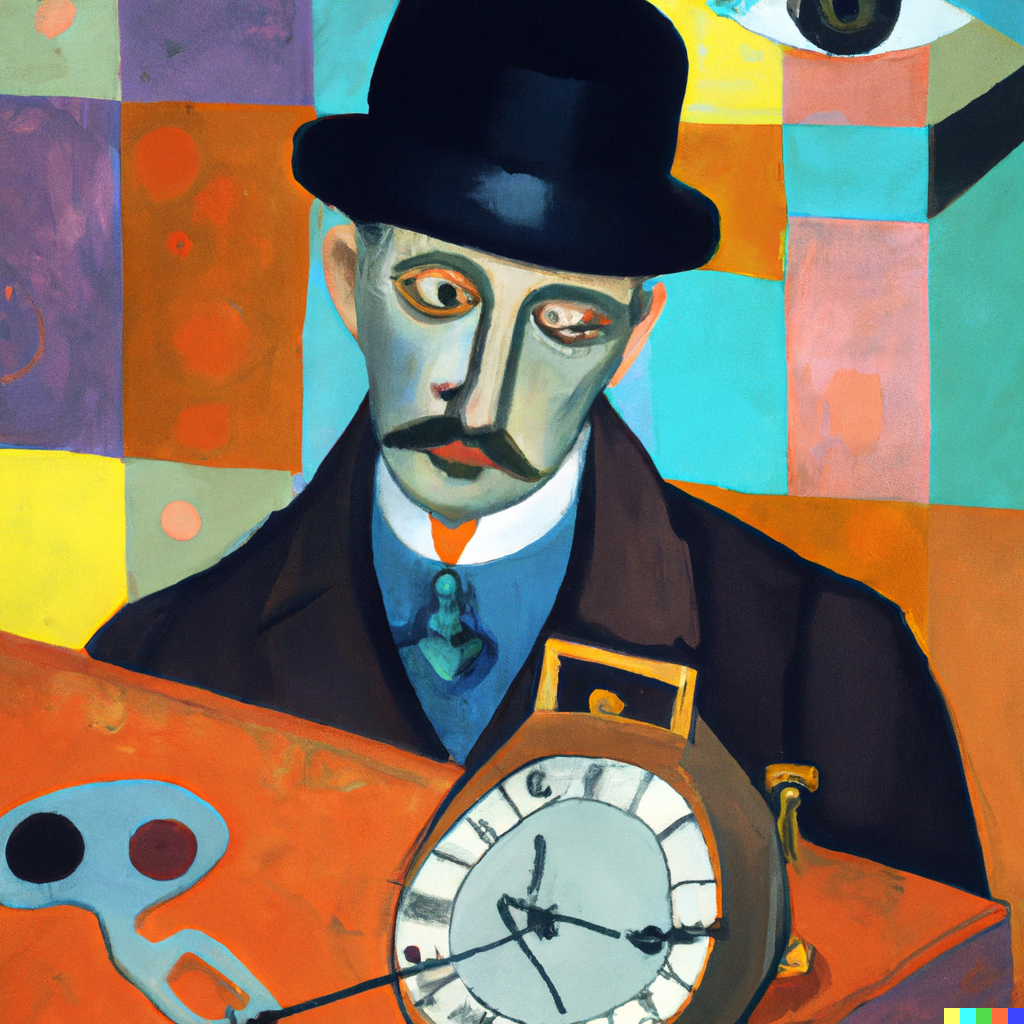






 The Cross-Eyed Pianist