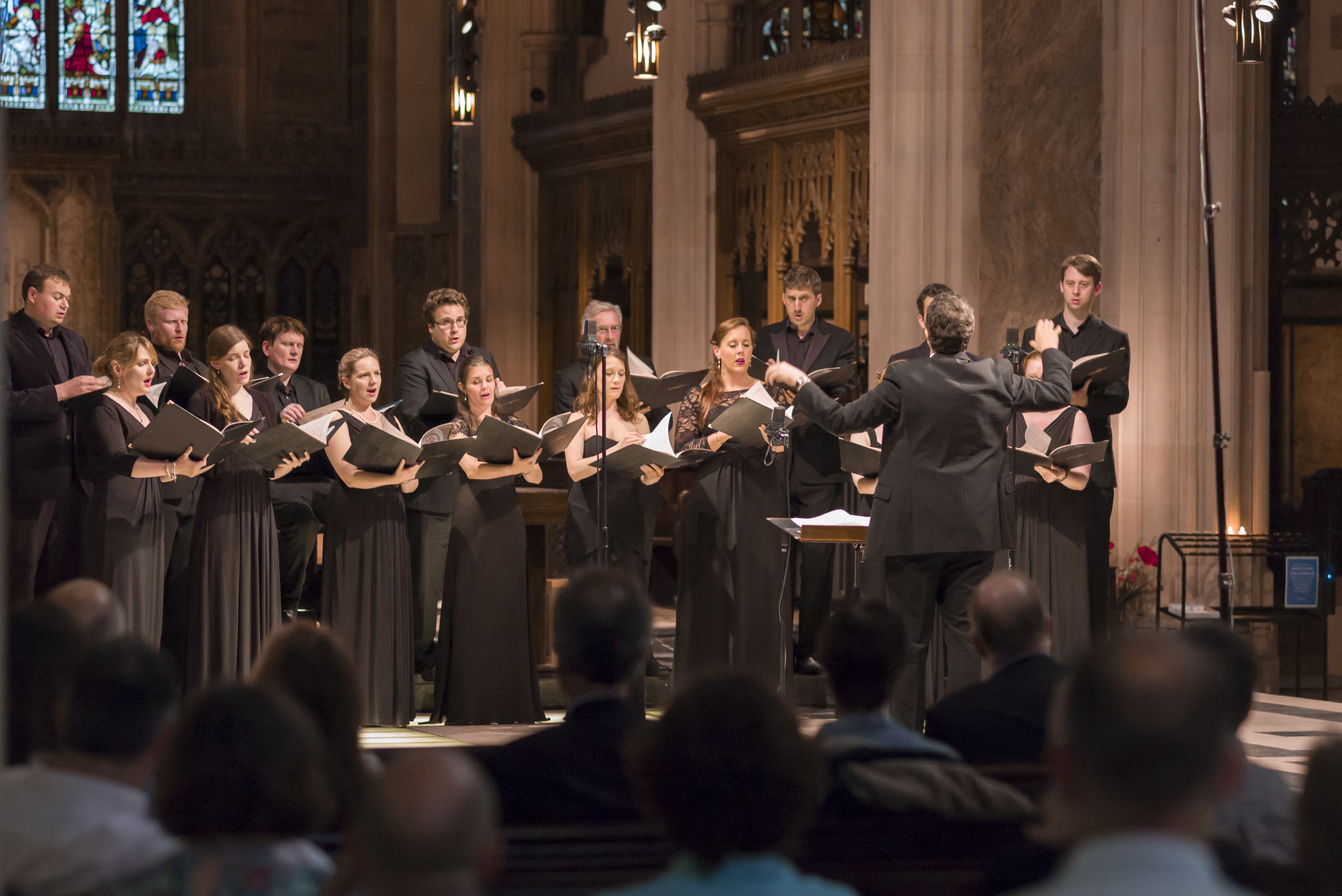
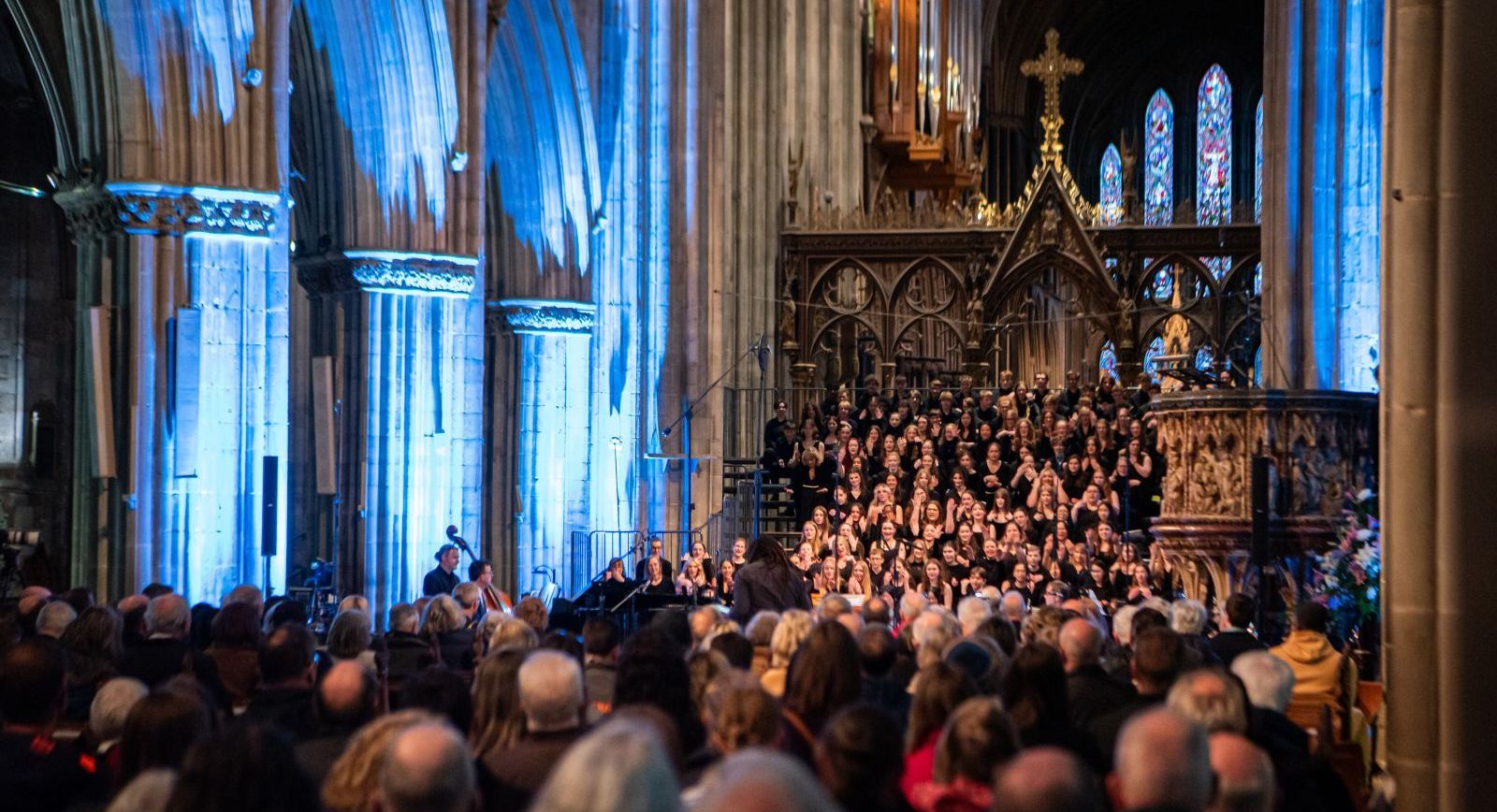
Five Beacons of Light: A Cantata for the Sea is a new large-scale choral work composed by award-winning British composer Cheryl Frances-Hoad with words by Di Sherlock. Commissioned to celebrate the 10th anniversary of Sonoro, the piece receives its world premiere on 25th April at Worcester Cathedral, performed by Youth Choral Worcs, Sonoro, and the English Symphony Orchestra, conducted by Neil Ferris.

A Narrative of History, Community and Environmental Crisis

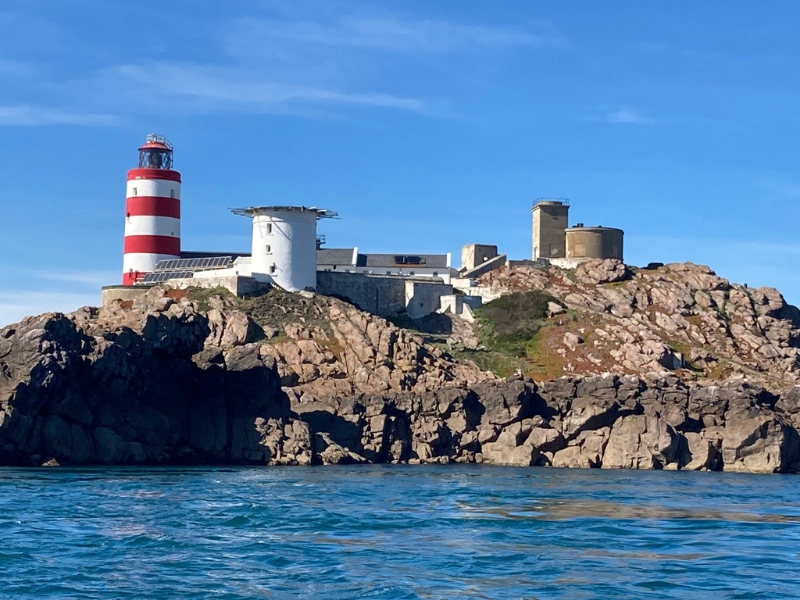
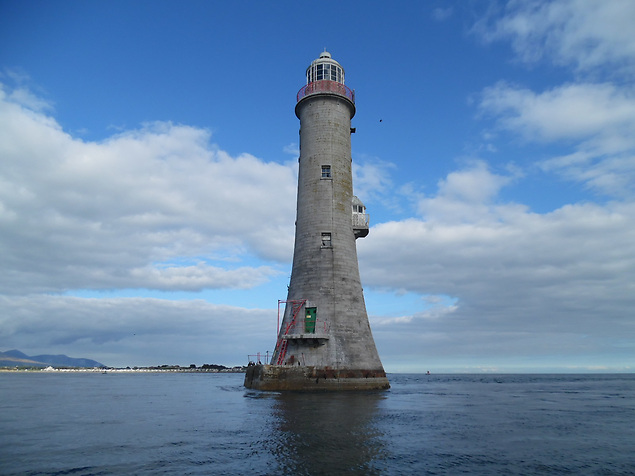
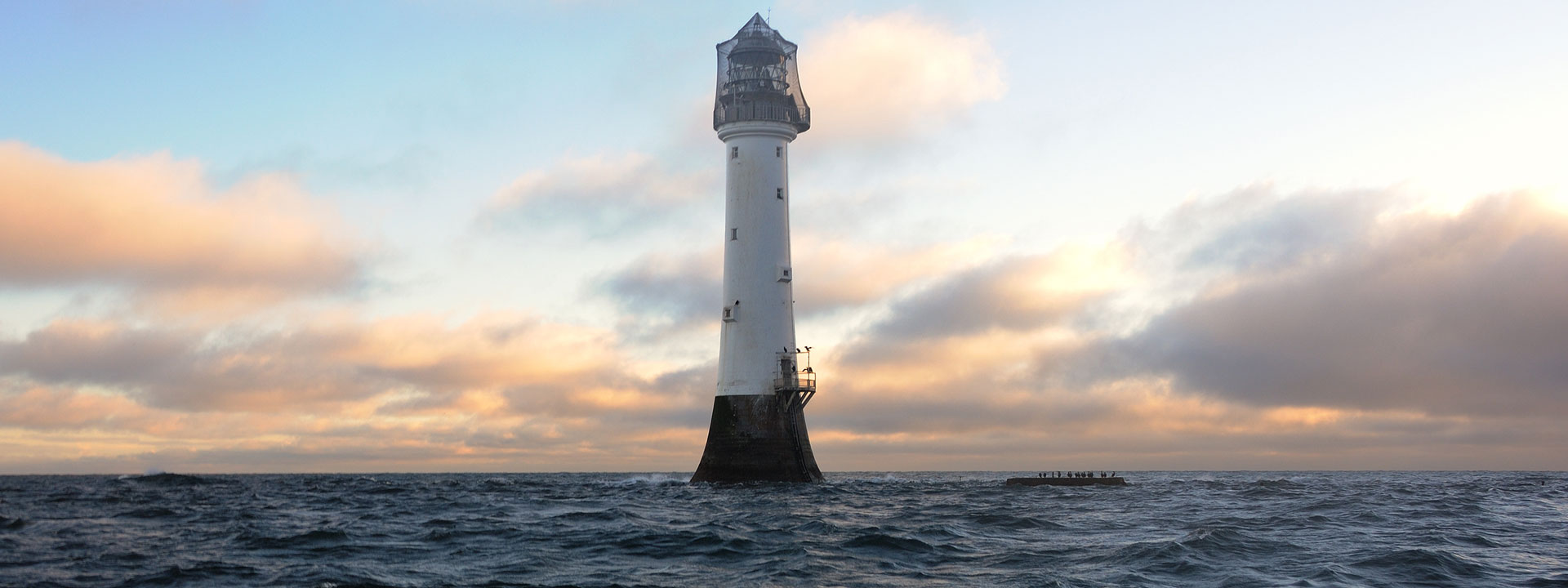
The cantata brings to life the vibrant characters and communities associated with four iconic UK lighthouses: Bell Rock, Bishop Rock, Les Casquets, and Haulbowline. Scored for a unique ensemble of string quintet, piano, percussion, Sonoro, and youth choir, the piece explores a poignant role reversal in our relationship with the natural world. It contrasts the historical purpose of these rock lighthouses – built to safeguard humanity from the peril of the sea – with the modern reality that the sea is now in peril from humanity due to man-made climate change.

The ‘Fifth Beacon’: Empowering the Next Generation

At the heart of the project is the “fifth beacon”: the young people themselves. Through Di Sherlock’s imaginative and beautifully-crafted words, these young performers will illuminate the work with their own voices and perspectives. The voices of these young singers serve as a new “beacon of light”, celebrating the human spirit as a creative force and guiding us towards a more responsible relationship with our oceans.

Footage from Five Beacons rehearsal, January 2026 (filmed by Michael Whitefoot)

Librettist Di Sherlock says, ‘I’d long been wanting to voice my concern about the state of our oceans, rivers, lakes in a way that did not deny the reality but, equally, did not feed into the doom and gloom that brings only despair and overwhelm. Ideas floated about but they needed an anchor. Then I fell upon Tom Nancollas’ ‘Seashaken Houses’ and read all about rock lighthouses – referred to in past times as ‘Beacons of Light.’ The vision, courage, perseverance and sheer grit of the engineers, workmen, keepers, investors and corporations who made these ‘impossible Houses’ possible seemed to echo what is needed today as we face irrefutable climate change – not all of it man-made but our contribution is significant. The rock lighthouses were built to save us from the peril of the sea. Today rising sea levels still threaten lives and livelihoods. But, equally, the sea is in peril of us. And of course the two are connected.

During my research I asked scientists what would be their ‘Beacon of Light’ today – if there even was one. They were unanimous: “Young People!” And so Cheryl and I got funding from the Genesis Foundation to explore ideas at Albyn School, Aberdeen. Working with Cheryl is like handing over a map to a fellow voyager confident not only that she’ll know how to read it, but that she will use it to conjure worlds in a way I never could imagine. We were awed and heartened by the passion and commitment of the students as we workshopped marine issues of pollution, plastic and extinction of species in music, movement and spoken word. Cleaning up the mess (of their elders but not betters), restoration and care were no brainers. They were one, not just with each other in recognising our global responsibility, but with the animals, minerals, trees, plants and waters with whom we share the Earth. And they most definitely were not giving way or giving up.

For the singers who give their amazing voices and the audiences who receive them, I hope the work will inspire a love for our waters and the creatures who live in them, allowing their voices not just to be heard but taken to heart. New ways to clean up our House, aligned with Nature’s intelligence, are firing up scientists and the school lab. Even in a post-truth world, the true Human is a Beacon of Light.’

Conductor Neil Ferris says, ‘This major new work combines the instinctive brilliance of two outstanding artists, Cheryl Frances-Hoad and Di Sherlock, and I am so happy that Sonoro can bring it to young people and audiences in Worcester and Cornwall, with more to come. Both Cheryl and Di have written an inspiring piece that is so beautifully judged in its imagination, its musical and expressive language, and its offer of hope. It will capture the minds of a generation and give an outlet to express themselves in words and music.’

Supported by the Bransford Trust, the Blyth Watson Charitable Trust and the Pamela Matthews Charitable Trust, the project will reach hundreds of young people, many of whom will be performing alongside professional musicians for the first time. Local youth groups joining Sonoro include Youth Choral Worcs and Cornwall Youth Choir.

‘Five Beacons of Light’ receives its World Premiere at Worcester Cathedral on Saturday 25 April 2026, followed by a performance at the Minack Theatre in Cornwall on Friday 3 July 2026. Expected further performances in the UK in 2026 and 2027 are in the pipeline.

This ambitious project promises to blend world-class professional performance with community engagement to address the most pressing environmental questions of our time.
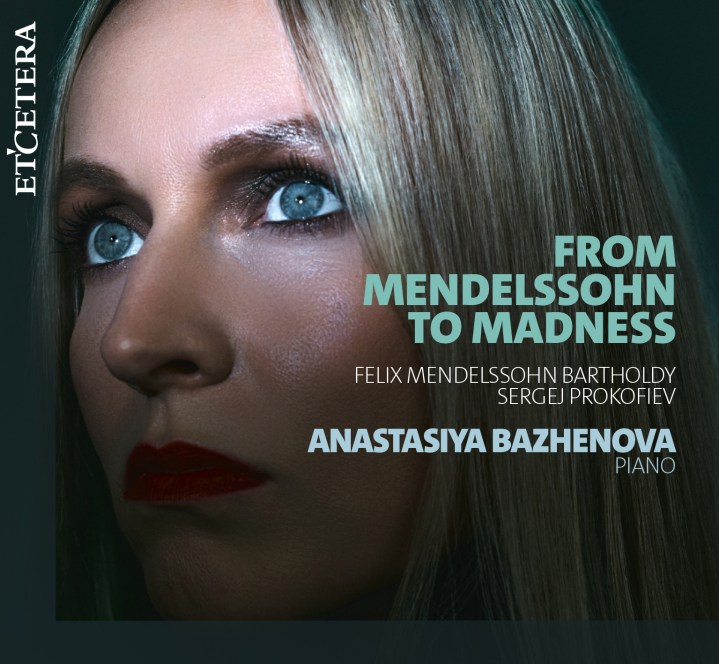
Pianist Anastasiya Bazhenova announces her debut album, From Mendelssohn to Madness, exploring how music reflects psychological shifts in the human condition when stability falters.

Bazhenova traces an inward journey through the music of Mendelssohn and Prokofiev, moving from certainty to uncertainty.

The journey begins with Mendelssohn’s Songs Without Words, representing an era where clarity and beauty served as fundamental ways of understanding reality and oneself. Yet, even in this apparent transparency, Mendelssohn hints at emerging instability, setting the stage for a deepening exploration.

In the Fantasia in F-sharp minor, Mendelssohn’s music becomes a field of resistance, depicting an inner struggle between the desire for wholeness and the forces that threaten to dismantle it.

As the narrative unfolds, the focus moves to Prokofiev’s Sixth Sonata. Here, the music records reality in its most exposed form. In a world where the pace of change exceeds human grasp, Prokofiev’s work navigates extreme emotional states—including fear, fury, despair, irony, and paranoia.

For Bazhenova, this album is not merely a collection of distinct works, but a “single inner trajectory”. It serves as a musical narrative of a human being searching for meaning even when the old order no longer holds.

Track Listing:

Felix Mendelssohn Bartholdy

• Lieder ohne Worte (Songs without Words, selections from Opp. 19, 38, 67, and 85)

• Fantasia in F-sharp minor, Op. 28

Sergej Prokofiev

• Piano Sonata No. 6 in A major, Op. 82

From Mendelssohn to Madness is released on CD and streaming on 1 April 2026 on the Etcetera label. Anastasiya performs in London at the 1901 Arts Club on Friday 24 April.

Pre-order From Mendelssohn to Madness

PRAISE FOR ANASTASIYA BAZHENOVA

“Superb musicianship and captivating stage presence.”

“A pianist capable of drawing an astonishing range of colour and depth from the instrument.

“A highly sincere and intelligent musician with a unique artistic voice.”

(Comments from colleagues and audience)

Anastasiya Bazhenova is a concert pianist based in Norway, recognised for her intense musical concentration, refined sound palette, and a strongly individual artistic voice. She received her early training in Russia through the ten-year specialised programme for gifted children, a rigorous system known for producing pianists of exceptional technical and artistic discipline. This formative background continues to shape her uncompromising approach to sound, structure, and musical narrative.

Bazhenova later completed her advanced studies in Norway, earning a Master’s degree from the Norwegian Academy of Music in Oslo, where she is now based.

Her artistry is defined by a deep inner world and a strong sense of dramaturgy, with programmes conceived as coherent artistic statements rather than conventional recital formats. Her interpretations are often described as psychologically focused, emotionally charged, and marked by a distinctive clarity of musical thought.

She performs internationally as a soloist and chamber musician across Europe and North America. Her debut album, From Mendelssohn to Madness, is released on Etcetera Records in 2026 and presents a sharply articulated artistic concept, positioning her as a distinctive voice on the contemporary piano scene.

anastasiyabazhenova.com

Pianist Anastasiya Bazhenova explores the fragility of the human condition in her debut album

In her debut recording, pianist Anastasiya Bazhenova presents a programme that goes beyond a simple chronological survey of keyboard music. From Mendelssohn to Madness is not just about contrasting different historical periods; it is a deep exploration of the human condition and how our inner worlds change when external stability starts to fade.
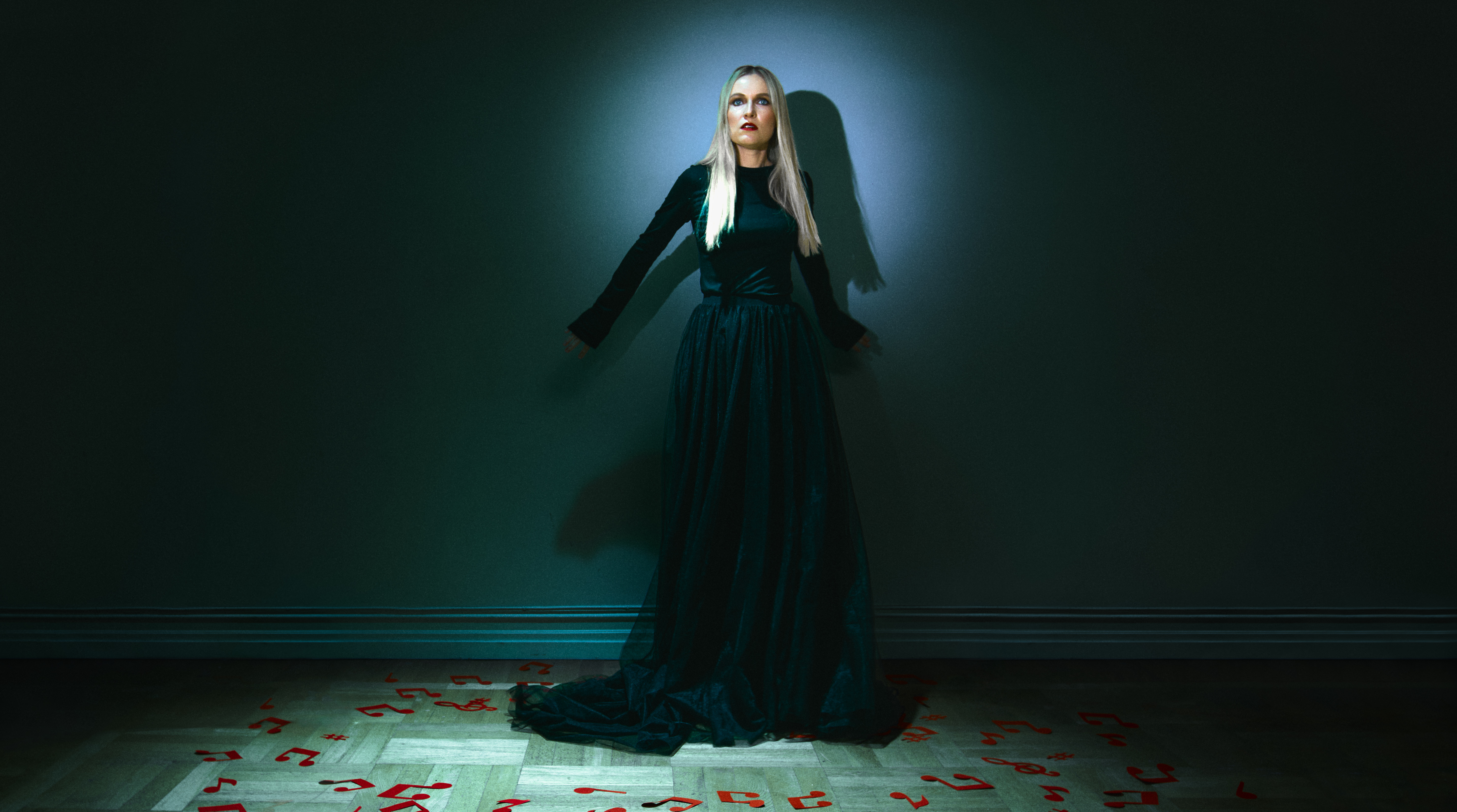

For me, the tension is already present in the Mendelssohn. His music often sounds lyrical and balanced, but there is also something fragile in it, as if the stability could break at any moment. The Fantasia in F-sharp minor begins to open up that tension — it is more restless, more searching. And by the time we reach Prokofiev, the tension is no longer hidden. It becomes direct, physical, almost violent. So the “madness” in the title is not only the destination. It is something that slowly reveals itself along the journey.

Anastasiya Bazhenova (interview with Indie Boulevard magazine)

The album begins within the world of Felix Mendelssohn Bartholdy, a composer whose music hails from an era where form offered a sense of reassurance. In his Songs Without Words, Bazhenova uncovers a serene human voice that communicates with the confidence that it can still be heard without exertion. During this period, qualities such as clarity, proportion, and beauty were not merely ornamental; they were fundamental tools for understanding both oneself and reality.

However, even within this transparent beauty, a subtle tension begins to emerge. In the Fantasia in F-sharp minor, this balance is no longer an automatic state but a conscious effort. Here, the music becomes a battleground where light and darkness clash, symbolising an inner struggle to preserve wholeness against forces that seek to dismantle it. For Mendelssohn, form serves as a final battleground against chaos.

The narrative takes a sudden turn with Sergej Prokofiev’s Sixth Sonata, which opens the space beyond the rupture of the old order. This is music for a world that no longer promises stability—a world where the pace of change has quickened beyond our ability to comprehend.

Within this sonata, intense emotional states coexist in a raw, exposed form: fear, fury, despair, irony, and paranoia. The music forsakes the pursuit of traditional harmony, opting instead to record reality in its most unfiltered state. As the album moves from Mendelssohn to Prokofiev, the listener undergoes a inward shift: a transition from trusting in form to living without guarantees, and from viewing beauty as a support to acknowledging the need to live without it.

Rather than viewing these pieces as a collection of separate works, Bazhenova considers the programme as a single internal trajectory. The album does not seek to resolve the tensions it presents or provide simple explanations. Instead, it allows the music to unfold as a continuous process – a musical narrative of a human being who keeps feeling, thinking, and searching for meaning even when the structures of the past have broken down.

We often think of madness as something extreme or pathological, but in reality it is much closer to ordinary human experience. It can grow out of fear, obsession, loneliness, or simply from the unbearable tension between what we feel inside and what the world expects from us. In that sense, “madness” in this album is not something distant or theatrical. It is something that lives quietly inside many people. Music simply gives it a voice.

Anastasiya Bazhenova

From Mendelssohn to Madness is released on CD and streaming 1 April 2026 on the Etcetera Records label

Anastasiya Bazhenova performs in London at the 1901 Arts Club, a delightful salon-style concert venue, on 24th April. Details here https://www.1901artsclub.com/24-apr-2026-from-mendelssohn-to-madness.html

Anastasiya Bazhenova pianist

Photo credits Torgeir Rørvik

Guest post by Noah Bradley

AI has caused a bit of a fuss in Art. Classical music has long subsisted on a few immortal masterpieces a century. Before long, will we be swamped?

I think most people would agree that classical music is an art of a different kind to pop music, advertising, and cooking. To compare Beethoven and Michelangelo is fair enough, but Beethoven and fried chicken less so. The word we have for the former kind (the latter would be “pre-concert KFC”), is “high art” which sounds perhaps a little pretentious, so we shall simply call it “art”.

With Beethoven as a starting point, it becomes clear that Bach is really the same sort of thing, and that Stravinsky is too. And Hucbald of St Amand? Well not really. Nonetheless, it has been traditional to lump all four of them together; sharing as they do, a place in the history of European music.

Of late, it has seemed rather arbitrary that Hucbald gets to be associated with “classical art”, whereas Ravi Shankar doesn’t. So nowadays (because of its extraordinary refinement) we call that type of Indian folk music “Indian classical”, and classical “Western classical”. I believe this has muddied the waters, and I shall explain why.

This takes us to 19th-century Munich, where “kitsch” was invented to describe paintings that were very clearly not art (it has since taken on another meaning). The difference between “art” and “kitsch” the theorists say, is that kitsch doesn’t need a soul; it doesn’t need refinement or sincerity, only lustre.

Which brings us to our first distinction, that real art has a soul, and that if something is utterly soulless, then it is not art. I can hear a soul in Bach, but in a (average) pop song, only lustre. Now our second distinction; that there are two types of art- one where you can feel cultures, and another where you can feel individuals. The first type is called “folk art”, whereas the second type doesn’t really seem to be called anything.

There is a bit of a grey line, because in a work of art you can sometimes feel a culture and an individual. In other cases it is simpler: of all the great cathedrals of Europe, none are by a single hand. They were also designed according to tradition- one of the main precepts of folk art.

But isn’t it common to hear it said that Mozart and Haydn sound rather similar? And isn’t Bach unimaginable without the heavy air of Protestantism? Well even if Mozart and Haydn share twinkly melodies, simple harmonies, and regular symmetry, they both have their own, separate, heartbeats. The trappings of the eighteenth century or the atmosphere of German Protestantism is not what moves us; what does is the soul of the individual.

If all this sounds terribly abstract, it is a comfort to know that it is true in practice. No computer, no matter how many instructions you give it, will ever make a real work of art. It is all mediocre because the surest route to mediocrity is copying. Composers who do nothing but copy, do not write art, they write kitsch. And if in Saint Hildegard you can hear the cold damp air of Eibingen Abbey, and not her own heartbeat, then maybe she is a folk artist. But it is important not to confuse clarity of thought with mediumship, and I only hope to make such subjective judgements a little clearer.

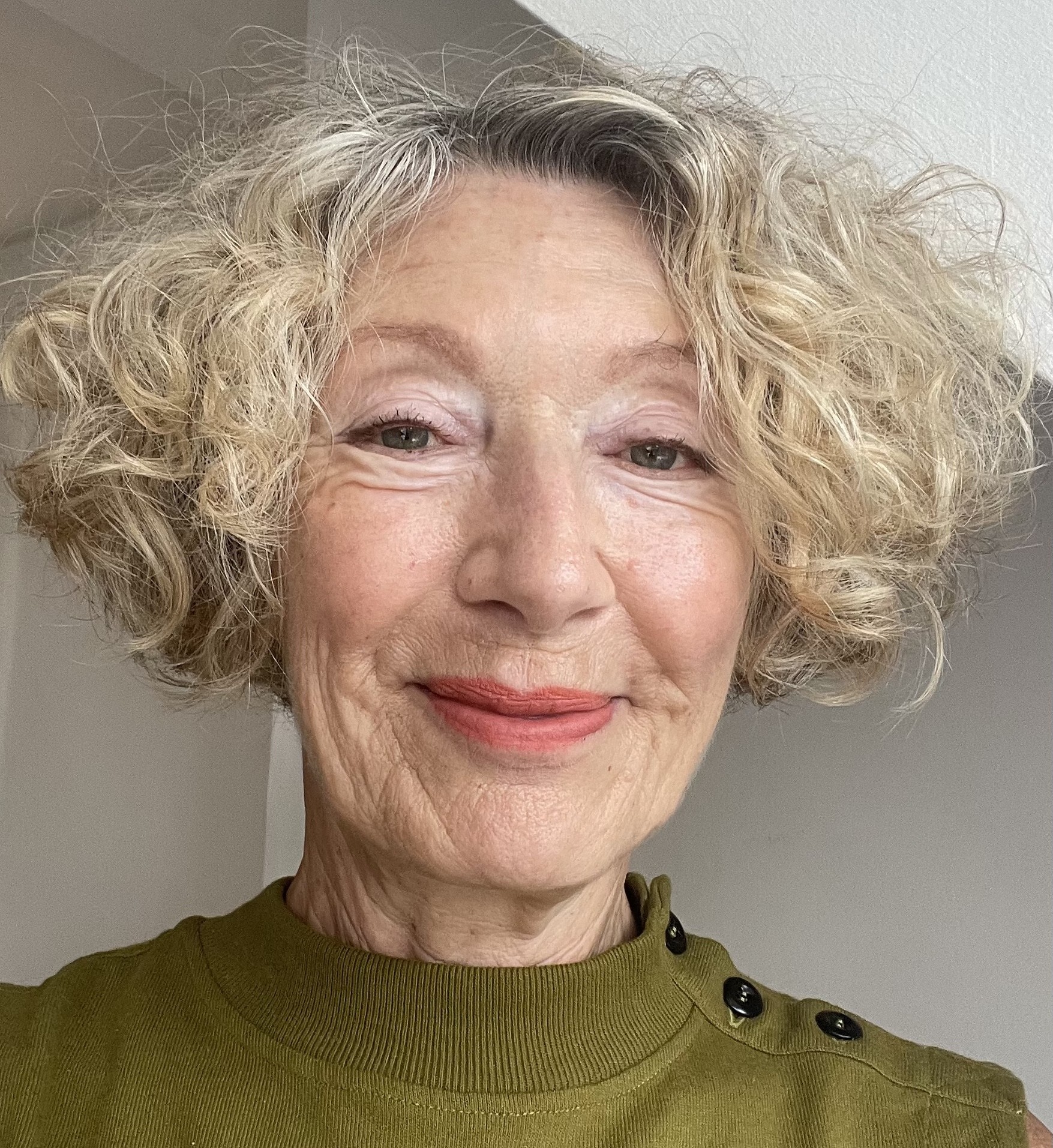
Noah Bradley is a young composer, writer and polymath, deeply passionate about the art of music. He has written for Music Teacher magazine and InterludeHK

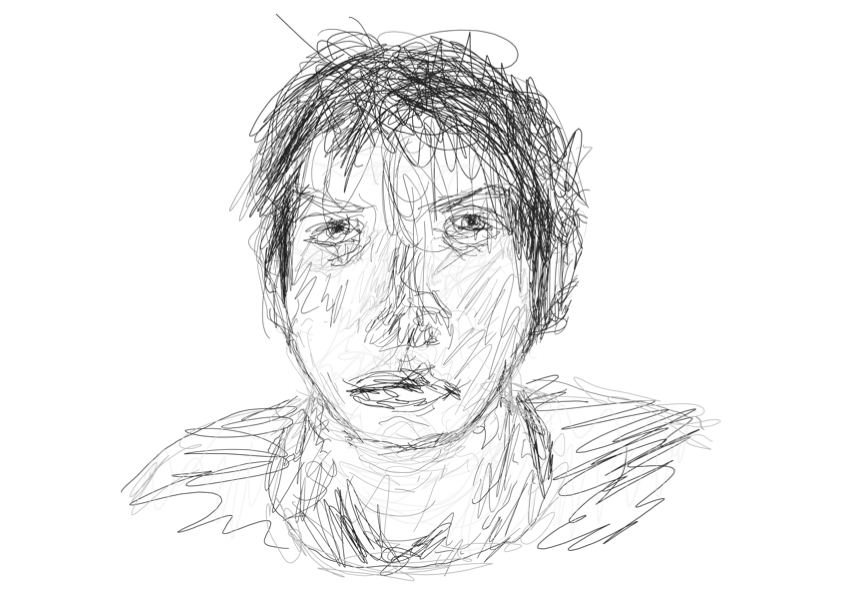
Self Portrait by Noah Bradley