

This article in The Spectator https://spectator.com/article/the-joy-of-the-little-things/, and a Facebook post by a good friend of mine, celebrating the little or simple things in her life which give her pleasure or fulfilment, set me thinking about the pleasure of simplicity in music. This might be a beautifully intonated note on the clarinet or violin, a perfectly executed C-major scale, or the elegant simplicity of a slow movement from a Mozart piano sonata.
The title of this article captures a core truth about music: what feels most satisfying to play and/or hear is often not the most complex, but the most clear, intentional, well-understood, and beautiful. This applies to both music practice and performance.
Simplicity in Music Practice
Mastery before complexity: Focusing on simple material – scales, basic rhythms, short phrases – allows a musician to build control, accuracy, and confidence. Simple exercises reveal weaknesses clearly, making improvement more efficient. Practicing a slow scale with even tone and perfect intonation develops more skill than rushing through advanced pieces, and a well-played simple passage is more valuable than a poorly executed difficult one.
Pleasure and fulfilment come from progress – and progress is most noticeable when working with manageable material.
Mental clarity and reduced frustration: Overly complex practice can lead to tension, fatigue, and discouragement. Simplicity helps break down difficult pieces into small, clear sections and allows one to focus on one goal at a time (for example, rhythm, tone, articulation).
Deep listening and awareness: Simple music leaves space for attention to detail, such as quality of tone, timing and balance, breath, bow, or touch. This awareness strengthens musical sensitivity, which is harder to develop when attention is overwhelmed by technical difficulty.
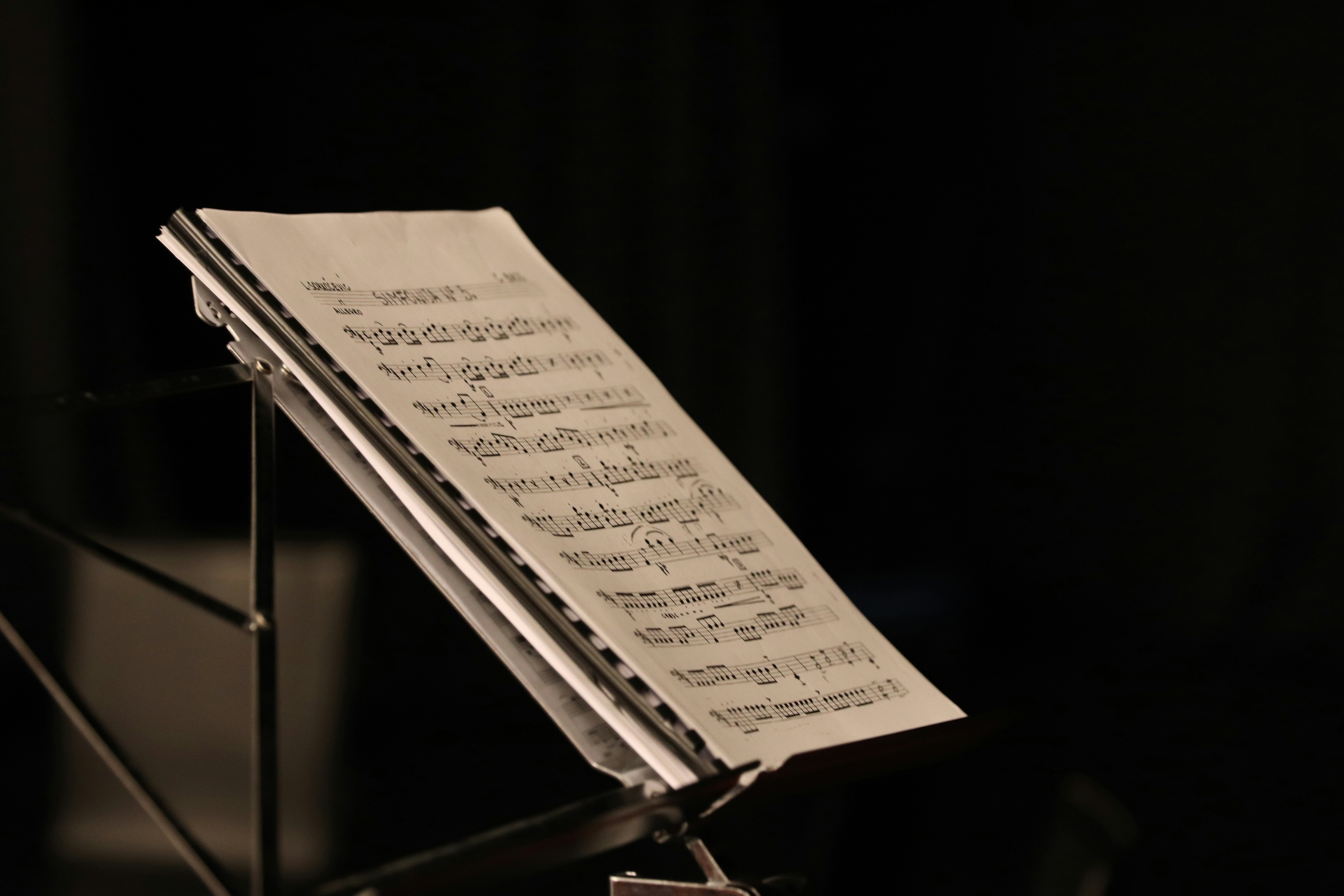
Simplicity in Musical Performance
Clarity over complexity: In performance, audiences respond most strongly to clear musical ideas, not technical display alone. Thus, a simple melody played with expression, shaping, and conviction can be more moving than virtuosic passages played to display technical prowess but without meaning. Simplicity allows the musical message to come through without distraction.
The pleasure lies in communication, not complication.
Confidence and presence: Simpler interpretations often lead to fewer mistakes, greater freedom of expression, stronger connection with the audience. When a performer is not struggling with difficulty, they can be fully present in the music.
Emotional honesty: By not hiding behind complexity, the performer reveals emotion, vulnerability, and authentic musical intent. Such honesty is deeply satisfying for both performer and listener.
Balance, not avoidance of difficulty
“The pleasure in simplicity” does not mean avoiding challenging music. Instead, it means: developing complexity from a simple, solid foundation; stripping music down to its essentials – melody, rhythm, harmony, expression; and remembering that difficulty should serve musical meaning, not replace it
In both practice and performance, simplicity brings pleasure by fostering clarity, control, confidence, and emotional connection. When music is approached with simplicity, it becomes more human, more expressive, and ultimately more enjoyable – reminding us that music’s power often lies in how little it needs to say to express something deeply meaningful.
We often overlook the beauty of simplicity. Some of the most profound insights are found in the elegant and uncomplicated.
Professor Richard Feynman, physicist
Images: Photo by Jason Gardner on Unsplash and Ivona Rož on Unsplash
This site is free to access and advert-free, and takes many hours each month to compile and edit. If you find value and joy in this site, please consider making a donation to support its continuance:
Discover more from The Cross-Eyed Pianist
Subscribe to get the latest posts sent to your email.



