A big thank you to every one who reads, comments upon, shares and contributes to this site
Wishing you a very happy and music-filled 2023
Frances
The Cross-Eyed Pianist

A big thank you to every one who reads, comments upon, shares and contributes to this site
Wishing you a very happy and music-filled 2023
Frances
The Cross-Eyed Pianist
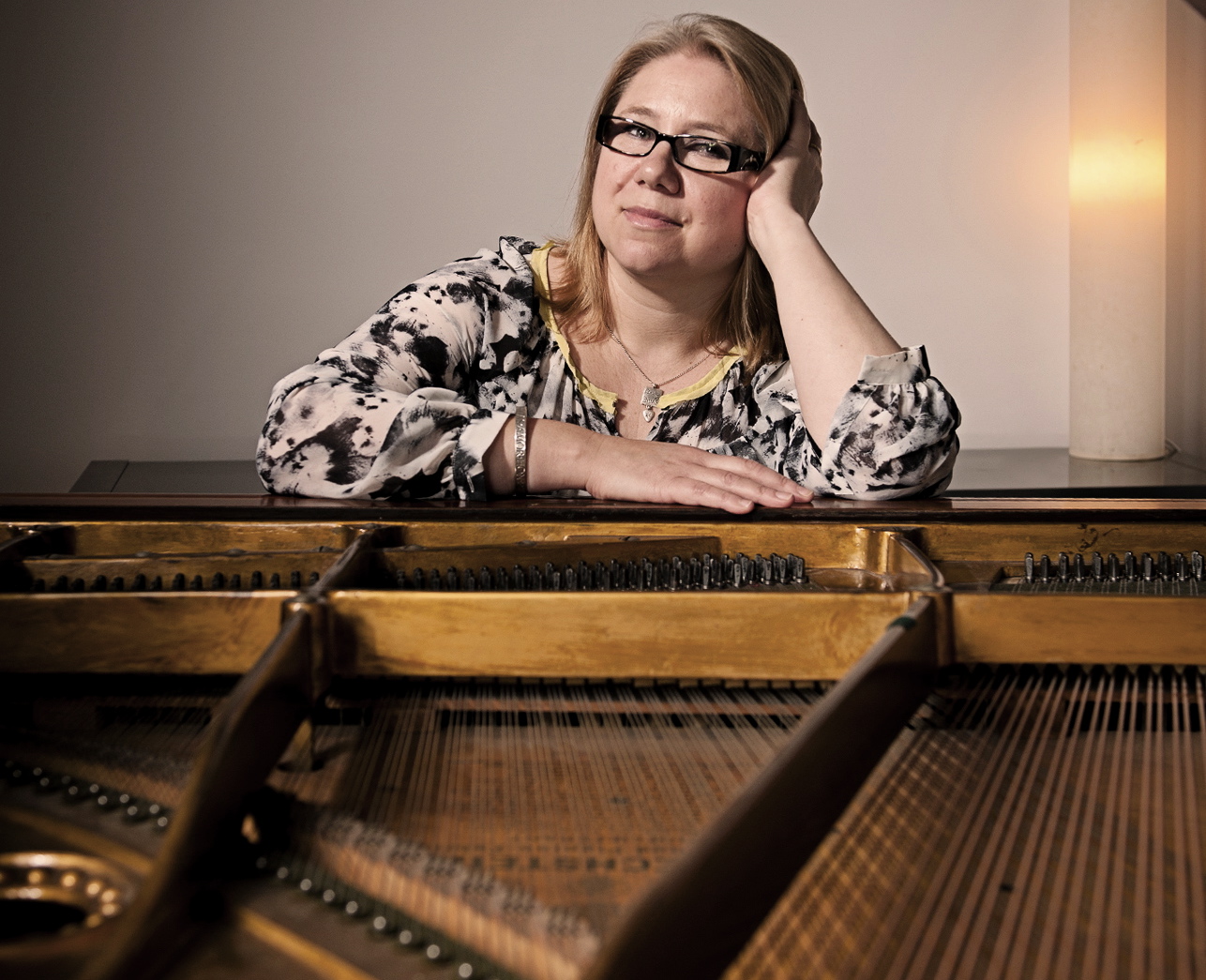
An interview with Frances Wilson AKA The Cross-Eyed Pianist by author and poet Leslie Tate.
Leslie: Why do you call yourself ‘The Cross-Eyed Pianist’?
Frances: I wanted a catchy title for my blog and this seemed a good one, since I am actually cross-eyed – and I play the piano.
Leslie: Can you tell the story of what drove you to return to the piano after an absence of 20 years? What were the difficulties? How did you manage the ups and downs of achieving advanced certification in your late 40s?
Francis: A few years before my son was born, my mother bought me a digital piano and suggested I start playing again. I tinkered with it, playing some of the music I’d played in my late teens before I left home to go to university, but then my son was born and for some years my time was taken up with him. When he went to school full-time, I began to play more seriously and found it a wonderful escape from being a mum at home, and it gave me some much-needed “me time”. Around the same time, I started going to concerts again and I realised how much I had missed music and especially the piano. So then I began to really throw myself into rediscovering the piano and improving both my technique and artistry. In a way, it wasn’t that difficult because a lot of the music I was playing had been well learnt previously and it was gratifying to find how much of it was still “in the fingers” even after such a long absence.
In 2006, I started teaching privately at home, mostly children from my son’s primary school, and my private practice quickly grew into a popular studio of more than 25 students. At this point, my husband bought me an acoustic piano which made a big difference to my playing and the kind of advanced repertoire I could tackle. Then, in 2008, I started taking piano lessons myself again, with a master teacher who was professor of piano at one of London’s leading conservatories. My main motivation for this was a personal one, to enable me to develop and extend my pianistic abilities and to gain some experience in performance – something I hadn’t done since I was at school. After 6 months of fairly intensive work to bring my technique up to scratch, my teacher suggested I work towards a diploma. I was 43 at the time and this felt like a massive, positive endorsement of my abilities from a teacher/mentor whom I really respected. That I then went on to achieve a distinction in this and a higher diploma (also with Distinction) in 2013 was a huge personal achievement and gave me the impetus to continue playing and improving.
In order to manage my teaching work and my family, I was very strict about my practicing when preparing for the diplomas, creating a daily routine and setting myself regular goals. This was interspersed with lessons and practice performances. I also attended masterclasses and courses with other leading pianist-teachers and took some mentoring from a concert pianist. In addition, I did a lot of research on the psychology of performance and observed professional musicians in concerts to gain insights into the practice of performance. In effect, I taught myself to be a performer.
Read the entire interview here
Shameless begging bit:
This site is free to access and ad-free, and takes many hours to research, write, and maintain. If you find joy and value in what I do, please consider making a donation to support the continuance of this site

One Sunday afternoon I was idly leafing through a copy of Vanity Fair, which I found lying around at the country home of my parents-in-law. On the back page was a revealing interview with A Famous Person, based on the Proust Questionnaire, a set of questions which the French author Marcel Proust answered at different times in his life. Later that day, I thought this might make an interesting addition to my blog – a weekly interview where each respondent answers the same questions. And thus, in April 2012 the Meet the Artist interview series was born.
At this time, I’d been writing this blog for nearly two years. Originally intended as a place where I could record my thoughts about returning to the piano after an absence of some 20-odd years, it had quickly become a kind of online classical music ‘magazine’ with varied content: concert reviews interspersed with articles on piano technique, teaching, and repertoire, and more esoteric ‘think pieces’ on music. More importantly, it now had the beginnings of an established, regular readership, albeit still quite small (today it enjoys c30,000 visitors per month). A series of interviews with musicians seemed a good addition. Classical musicians have an aura of mystique (usually created by audiences and others, rather than the musicians themselves) and there is, I find, a great curiosity about what classical musicians do; not just the exigencies of life on the concert platform – the visible, public aspect of the profession – but, in effect, ‘what musicians do all day’. The Meet the Artist interviews offer a snapshot of other facets of the profession, giving readers a chance to get “beyond the notes”, as it were, and in doing so reveal some fascinating insights.
The willingness and openness with which people respond is refreshing, often unexpected, and largely free of ego. In addition, the interviewees give advice and inspiration for those considering a career in music, and attempt to define “success” in a profession where one’s ability to communicate with and move an audience is placed considerably higher than monetary returns.
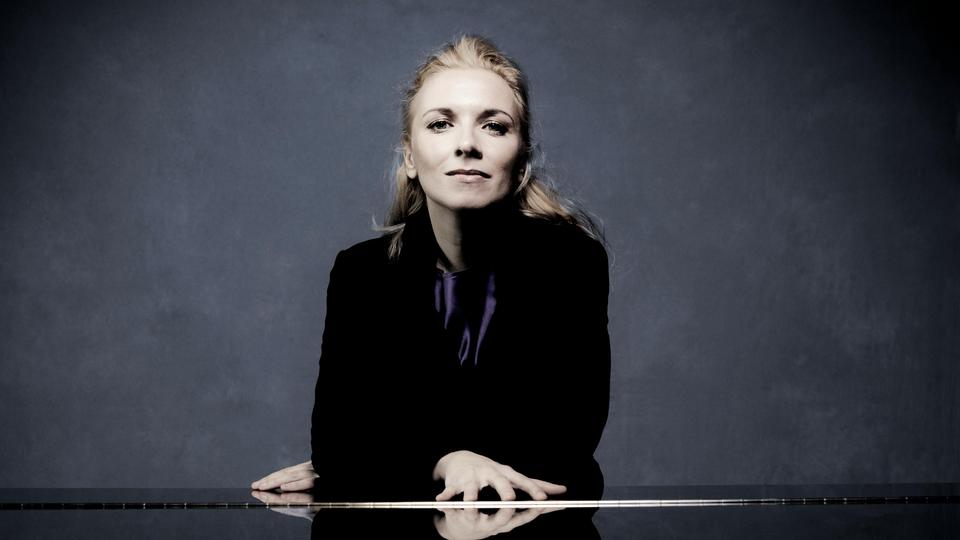
I never sought out the “big name” international performers like Angela Hewitt, Ivo Pogorelich, Tamara Stefanovich or Marc-André Hamelin (or indeed prog rock legend Rick Wakeman!), but as the series grew in reputation, so I found these people were happy to be interviewed, either directly (usually by email, occasionally in person) or via their publicists and agents. The series has become not only a valuable compendium of surprising, insightful, honest, humorous and inspiring thoughts from a wide range of artists, but also a platform for young and lesser-known artists in particular to gain exposure in an industry which is highly competitive. Others use the series as a means to promote upcoming concerts, recordings or other events, while also leaving an enduring contribution to audience’s and others’ understanding of how the music industry “works” and what makes musicians tick. It has received praise from the likes of pianists Stephen Hough and Peter Donohoe, both of whom are featured in the series.
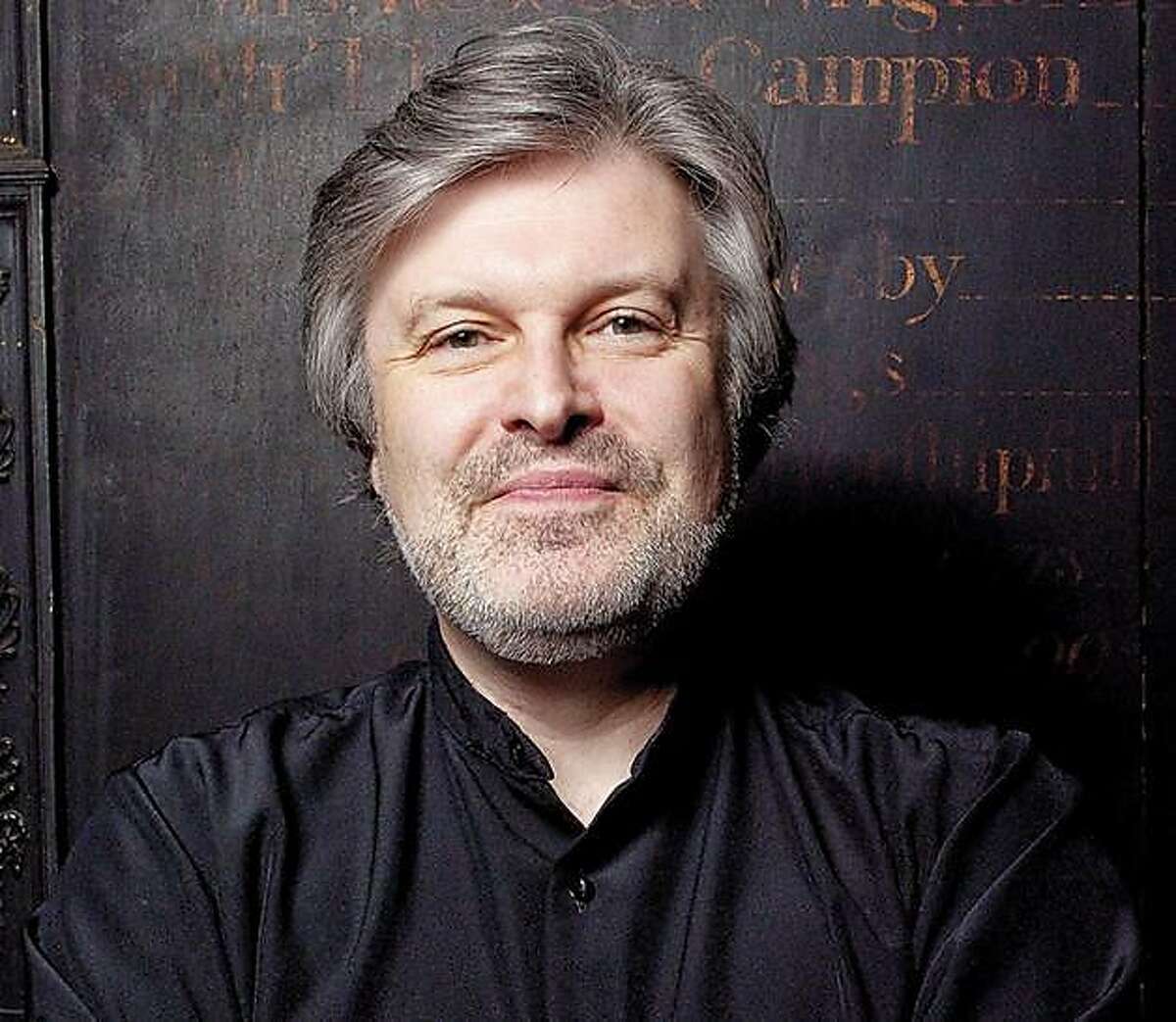
From strictly classical artists such as harpsichordist Mahan Esfahani or composer and conductor James MacMillan, two of the earliest interviewees, the series has broadened in its scope over the years and now includes musicians from the world of crossover classical music, folk and jazz. Yet regardless of genre, what these interviews often reveal is how one’s chosen instrument and its literature exert a strong attraction, seducing would-be professionals from a young age and continuing to bewitch and delight, frustrate and excite.
To date, the series features over 1600 interviews from some of our greatest living musicians to young artists poised on the cusp of a professional career. Every single interview has value, and I am immensely grateful to the many musicians who have freely offered their insights, reflections and advice in their interviews.
To all of you who have taken part in the Meet the Artist series to date, THANK YOU.
Frances Wilson, The Cross-Eyed Pianist, April 2022
The Meet the Artist series is ongoing – if you would like to take part, please click here for more information
Looking forward, not back…..
2022 is a rather significant year for this site as it marks the 10th birthday of the Meet the Artist interview series. Originally inspired by the Proust Questionnaire in Vanity Fair magazine, Meet the Artist has grown from interviews with musician friends and colleagues to a highly respected and very popular “compendium of surprising, insightful and inspiring thoughts from a wide range of artists”, including pianists Angela Hewitt, Stephen Hough, Ivo Pogorelich, Benjamin Grosvenor and Alice Sara Ott, harpsichordist Mahan Esfahani, composers Nitin Sawhney, John Rutter, Cheryl Frances Hoad and Jennifer Higdon, singers Roderick Williams and Jennifer Johnston, and many more, both established, internationally-renowned musicians and composers as well as young and emerging artists. Prog rock legend Rick Wakeman even makes an appearance!
I have been astonished by the popularity of the series (so much so that in 2017, it relocated from this site it to its own dedicated website) and am grateful to everyone who has taken part. The interviews are remarkably insightful, offering advice to aspiring musicians and giving audiences and others a unique glimpse “beyond the notes”, as it were, into the working and creative life of musicians and composers.
People ask me how I find the motivation and inspiration to continue writing this blog, and it’s true that it takes up a lot of time and effort (for which I receive no payment beyond the occasional donation). As my interest in the piano waned this year, due to the soul-sapping, dis-motivating effect of the lockdown, I did wonder whether there was any point in continuing to write this blog, but it seems I can always find music- or piano-related things to write about. Articles by others, conversations with musicians friends and colleagues, online exchanges, and my listening habits all feed the creative muse, and so while the muse demands nourishment, and I remain interested in writing, this site will continue. I am also very appreciative of the community which has built up around this site, and which has, in some instances, led me to forge significant connections and friendships in real life.
I would like to take this opportunity to thank everyone who reads, comments upon, shares and contributes to this site.
Warm wishes for the festive season and the new year.
Frances Wilson, The Cross-Eyed Pianist
Shameless begging bit:
This site is free to access and ad-free, and takes many hours to research, write, and maintain. If you find joy and value in what I do, please consider making a donation to support the continuance of this site




 The Cross-Eyed Pianist