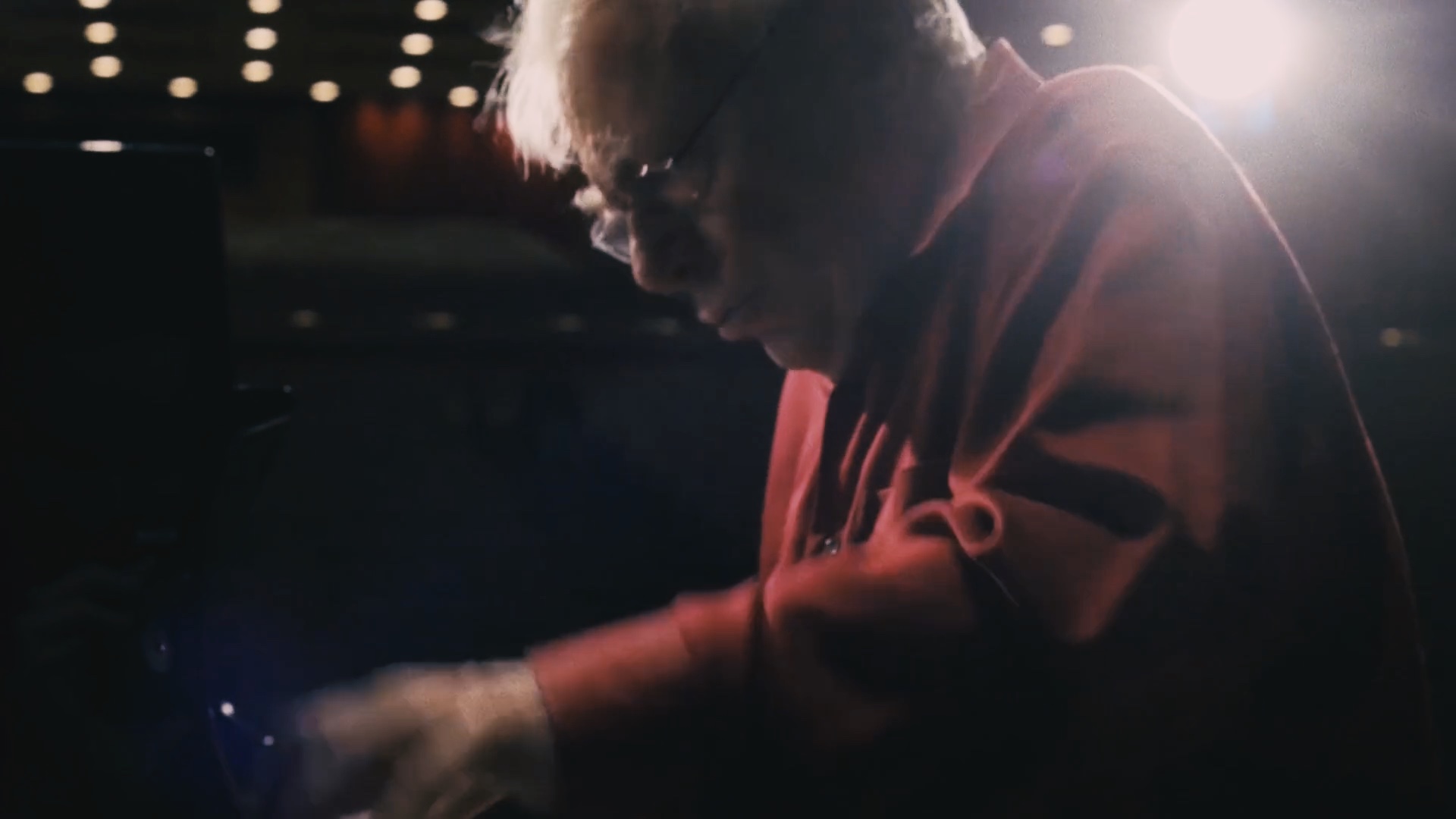
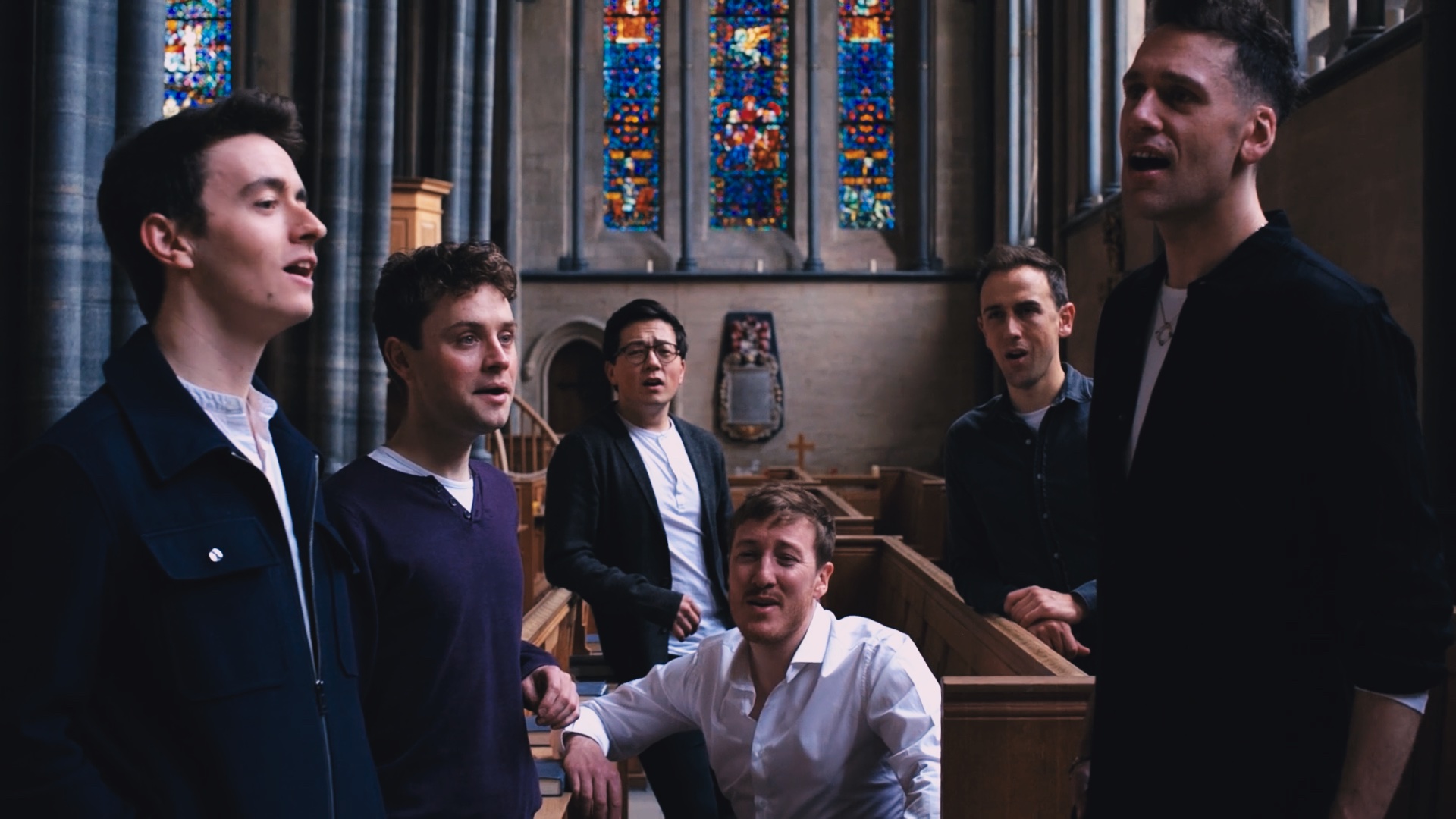
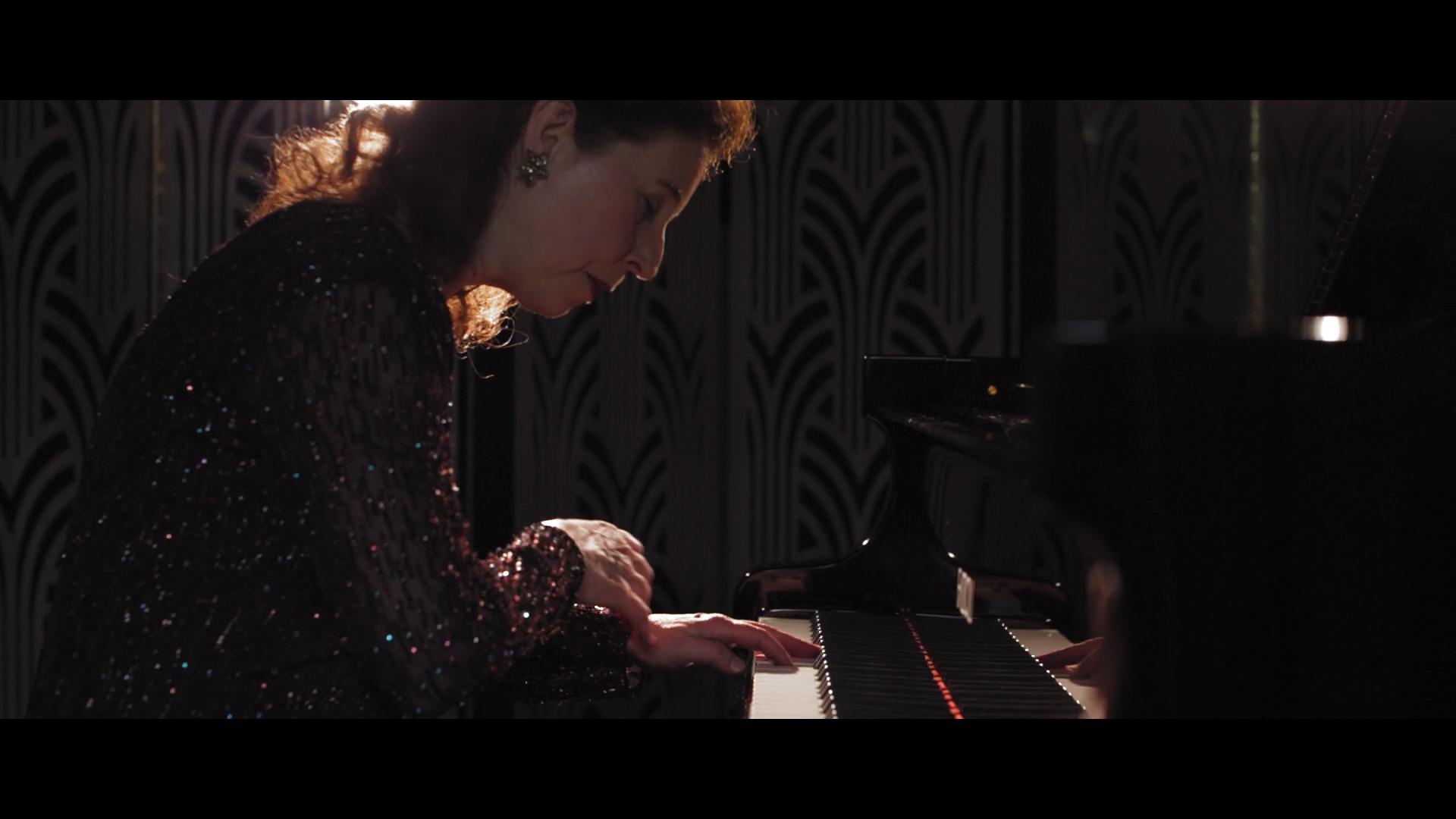
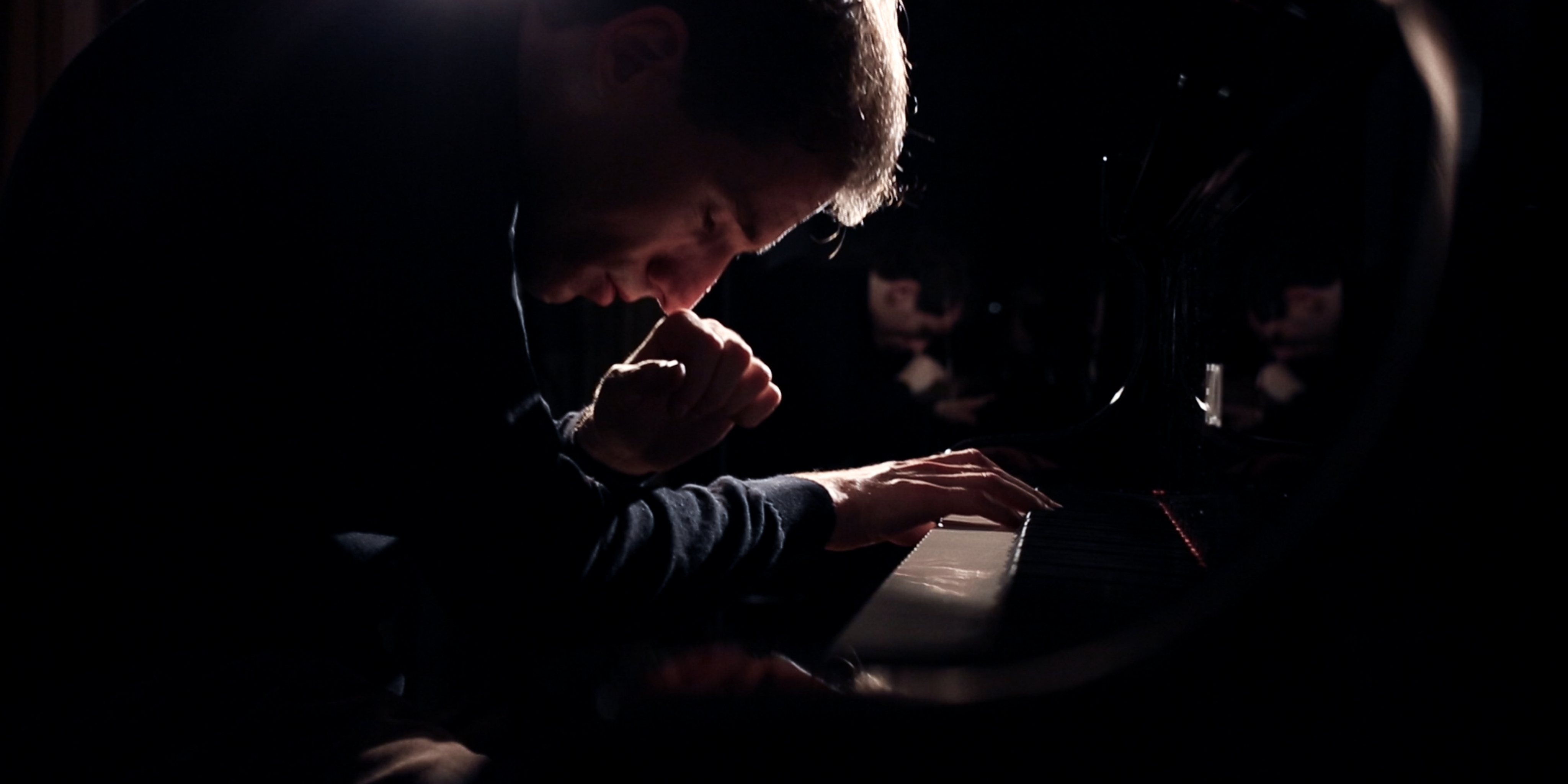
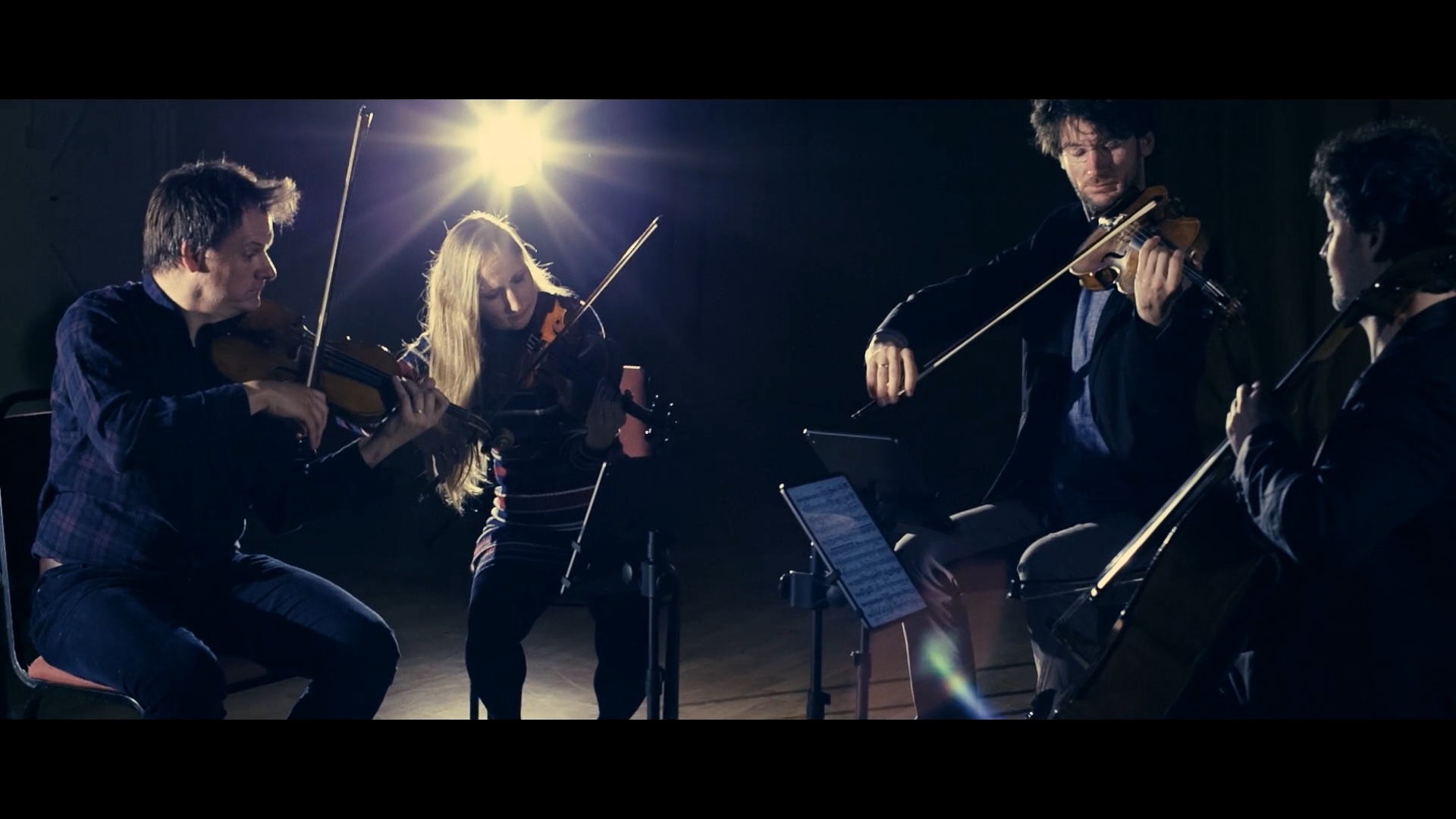
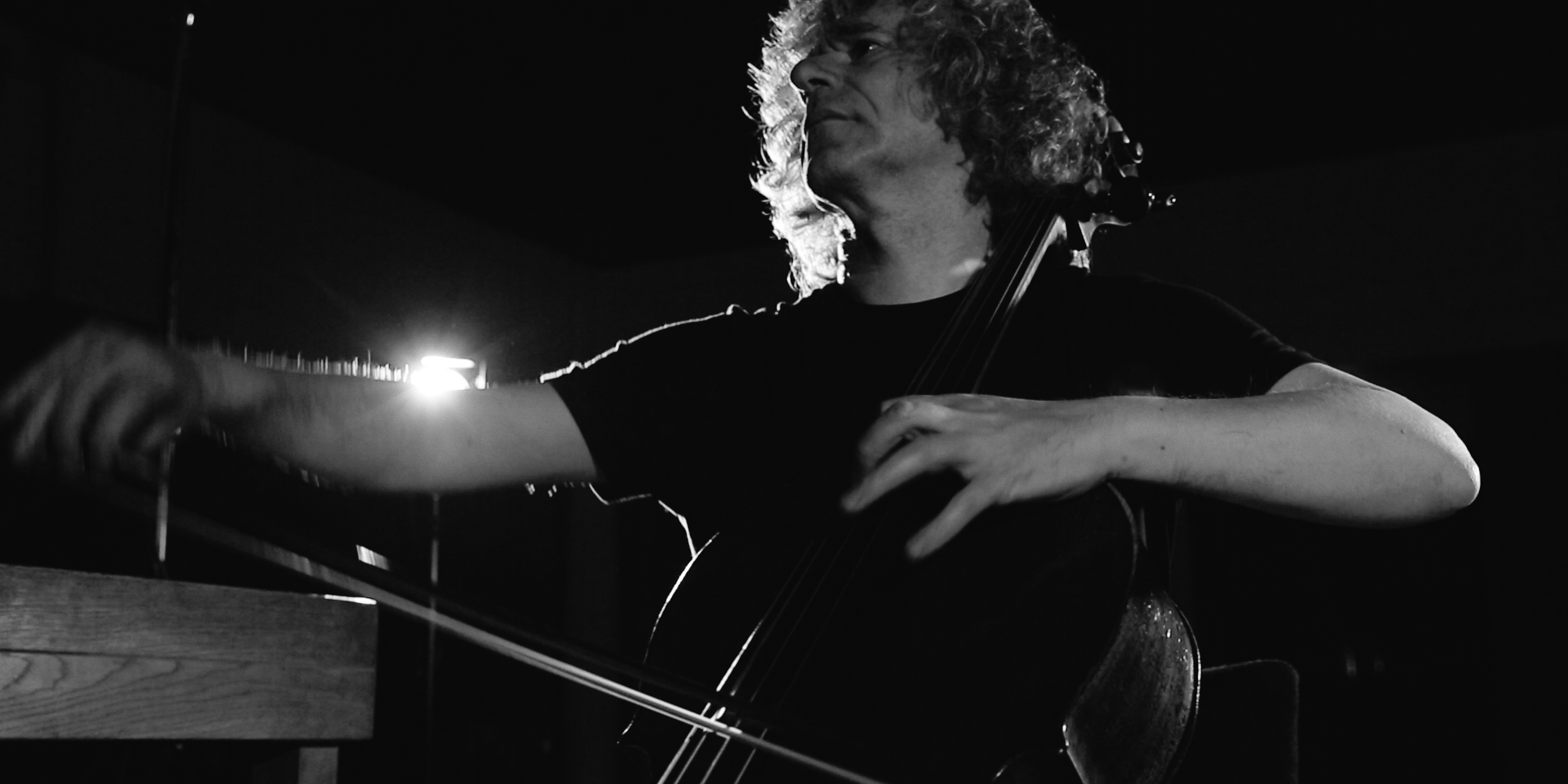
The Collection (2015-25) by Fly On The Wall is a landmark 10-year documentary project by musician and filmmaker Stewart French.  This unique online exhibition offers an unfiltered glimpse behind the scenes with some of the world’s finest classical musicians – including Angela Hewitt and Marc-André Hamelin – captured raw and uncut. 

The Collection presents 56 curated films drawn from more than 300 behind-the-scenes shoots, including never-before-seen footage from the project’s extensive archives.  The final project presents a compelling collection of video portraits, documenting musicians doing what they do best – performing live – up close and under a microscope.

From early music ensembles to cabaret trios, classical guitar quartets to percussion collectives, the exhibition showcases over 40 artists across a broad stylistic spectrum. It’s a vivid portrait of classical music in the UK and Europe today, authentic, contemporary, and alive. Featured names include The King’s SingersSteven IsserlisAlina IbragimovaRichard GoodeThe Choir of Clare College CambridgeLa Nuova MusicaColin Currie, and Boris Giltburg.

Filmed in a signature single-camera, handheld style, French’s approach brings viewers inside rarely seen spaces — iconic concert halls after darklocked recording studios, and private rehearsal rooms.  Locations such as Wigmore HallRoyal Festival HallHenry Wood Hall, and Ehrbar Saal emerge as characters in their own right, where inspiration, discipline, vulnerability and genius converge.

Accompanying each film is a written narrative offering behind-the-scenes insight and context, untold stories from deep within the creative process.

Blending cinematic long-take storytelling (think Sam Mendes’ 1917) with the intimacy of portrait photography, Stewart French’s films reject flashy edits in favour of immersive, emotionally charged moments. With over 20 years’ experience as a classical musician, producer, filmmaker and writer, his goal is to create a deeper connection between digital audiences and the visceral experience of live music.

French explains: “As a performer myself, I’ve always been drawn to the raw, unfiltered magic that happens behind closed doors — moments of focus, anticipation, creative flow.  With The Collection, I wanted to capture those flashes of vitality that sit at the very heart of music-making.”

Originally launched as a Classic FM series in 2016, Fly On The Wall has grown into one of the UK’s leading classical film producers.  Its work has been featured by BBC Newsnight, The Times, Gramophone, and BBC Music Magazine, with recordings featured in Apple Music’s front-page editorial.

Access the online exhibition at: https://theflyonthewallcollection.org

(Source: press release)

Cecily Beer & the Chamber Orchestra of London, arranged and produced by Thomas Hewitt Jones. Conducted by Rupert Gough

SUSSEX CAROL, SILENT NIGHT, BELL CAROL

Thomas Hewitt Jones says, ‘It was a pleasure to arrange and produce these three new Christmas arrangements for the talented Cecily Beer. To accompany Cecily, I brought in players from the Chamber Orchestra of London with whom I have recorded many media projects, and Rupert Gough conducted the session at the chapel of Royal Holloway, University of London in September 2024. We are delighted that Vivum Music Ltd. is releasing this EP which we hope will showcase Cecily’s beautiful harp playing as well as offering a new take on these famous seasonal tunes.’

Cecily Beer says, ‘This new music from Thomas Hewitt-Jones has been the biggest joy to learn and record. We had both agreed we wanted something that sparkled but with familiar melodies which people know and love. For me, the upbeat tracks, Sussex Carol and Bell Carol, are exactly what I want to be listening to while dancing around my kitchen making Christmas lunch; while the final track, Silent Night, has the perfect balance of joy that comes with this sublime new string arrangement, and nostalgia for a melody we all know and love so well.’

Sussex Carol

A rippling harp introduces the famous Christmas tune with a ‘spinning wheel’ of broken chords with forward motion and delicate emotion. The intensity builds with interplay between harp soloist and strings during thematic development which propels the piece towards a satisfying conclusion.

Silent Night

This slow, reflective setting features a rippling version of the melody in the harp underpinned by warm, expressive strings. As the track unfolds a relaxed calmness expands to a quietly emotional feel as we modulate up a tone, leading us gently yet optimistically forward as we approach Christmas.

Bell Carol

The melody of Bell Carol comes from the song “Shchedryk” written by the Ukrainian composer Mylola Leontovych in 1914. We hope this new arrangement for harp and strings can be enjoyed by a wide audience during this challenging time globally.

Released 10 November on the Vivum Music Label. Available on AppleMusic, Spotify and other streaming platforms

(Image credit: A P Wilding)

‘….simply beautiful choral writing by someone who knows, from a singer’s perspective, how to compose music which every choir will want to sing.’ Sir John Rutter CBE, composer

Following Heaven to Earth, Joanna Forbes L’Estrange’s first album on Signum Classics, Winter Light is an album of works (complete with some world premiere recordings and new arrangements) celebrating the season of Winter, as well as Christmas and Advent. The common themes linking all 19 tracks are of light triumphing over darkness, good overcoming evil and, ultimately, love conquering all.

The first 12 tracks tell the familiar Christmas story, from the eager anticipation of the saviour’s birth (Advent ‘O’ Carol, track 1) and its foretelling by the prophet Isaiah (Isaiah’s Prophecy, track 2) to the Annunciation (I Will Hold Him, track 3, and O Virgo Virginum, track 4), to the birth itself (Carol of the Crib, track 5 and Jesus Christ is Born Today, track 7) and its significance for humankind (In the Bleak Midwinter, track 8, and Love Came Down, track 9). Thereafter, the visitation from the shepherds (Song of the Shepherds, track 10) and the arrival of the magi at Epiphany (A Present for the Future, track 12) remind us that we, like the shepherds and wise men, need also to follow the light (A Story of Light, track 11). In the midst of this nativity narrative sits the title track (Winter Light, track 6) whose words mark the transition from darkness to light.

The second part of the album takes on an altogether different tone to reflect secular winter themes. As a professional singer Joanna Forbes L’Estrange is known for performing in a wide variety of styles and this is reflected in her compositions. Whereas the first half of this album is stylistically largely within the familiar realms of the sacred choral music tradition, the latter leans towards jazz and folk. The Three Wise Women (track 13) was written in response to a commission from St Swithun’s School in Winchester. ‘There are numerous pieces in the Christmas choral repertoire
about the three wise men so it was about time for the women to have their own song,’ says the composer. The remaining six tracks explore various winter themes. Winter Songs (tracks 14-16) was composed for the 60th anniversary of Finchley Children’s Music Group. Though conceived for children’s voices, the songs’ themes of hibernation, homelessness and human kindness are relevant to all ages. Green Christmas (track 17) was written during the first covid lockdown and is a subtle play on Irving Berlin’s classic, White Christmas. Track 18, Spring Will Come Again, is a folk-style song about the cyclical nature of the seasons. The album concludes with an arrangement of Auld Lang Syne (track 19) which Joanna wrote many years ago when she was Musical Director of The Swingle Singers.

Joanna Forbes L’Estrange says, ‘The impetus for recording this album sprang from my desire to present choirs with some contemporary yet singable Winter/Christmas-themed pieces which they might like to add to their repertoire.’

Praise for Joanna Forbes L’Estrange
‘Joanna has an amazing understanding of both the human voice and the human heart. The result: quality music making effective use of the voice, with tunes and harmonies and a wonderful storytelling quality to the songs which lift the hearts of singer and listener heavenward. These will surely be part of the Christmas choral canon for centuries’ – Ken Burton, conductor, composer & arranger

…an album of fresh new gems, full of Christmas warmth and great tunes’ – Louise Clare Marshall, singer

‘Forbes L’Estrange seems to have been born with catchy melodies coursing through her veins’ – BBC Music Magazine

Winter Light is released on 18 October on the Signum Classics label on CD and streaming.
Joanna Forbes L’Estrange, composer
London Voices
Ben Parry, conductor
Richard Gowers, organ
Olivia Jageurs, harp
Harry Baker, piano

What do you do when you read a concert review that you disagree with? Do you bristle with ripe indignation because the reviewer did not concur with your view of the concert and then fire off some harrumphy comments in response, informing the reviewer that they clearly need their hearing tested? (I’ve had a couple of comments like this in response to reviews on this blog – it does happen!) Or do you read the review in a considered way, accept that not everyone is going to agree with you, and be glad that it’s possible for people to express differing (sometimes wildly) opinions?

Nowadays, we live in a world where everyone is a critic: whether someone has seen one show or several thousand, they have an opinion about them and the means to broadcast them. But it is palpably false to say that all opinions are equal. Some people stand above the noise and clamour of the internet simply by virtue of the credibility their opinions have earned.

– Mark Shenton, The Stage

The internet has made us all “reviewers” to a greater or lesser extent: from “likes” on Facebook or Instagram to product reviews on Amazon to long articles on personal blogs and mainstream news sites, the medium allows us to express our thoughts and opinions like never before.
On one hand this can be wonderful: it adds variety to discussions and fuels debate; but the internet also seems to have created a place where every entrenched or polarised view is expressed without the nuance that comes from more considered or face-to-face interactions. People can be far more brutally frank or insensitive in the anonymity of the web than they would ever be to someone’s face. Sometimes when I read comments on concert reviews I see quite of lot of responses which suggest, none too subtly, that “if you don’t agree with me, you are wrong!”. Twitter is, sadly, one of the worst places for this – the brevity of the medium (140 characters) seems to encourage polarity and confrontation rather than nuanced discussion. The commentator might counter that “everyone is entitled to their opinion” but a sense of entitlement is not enough: as far as I’m concerned, you’re only entitled to an opinion if it’s an informed opinion….
 The problem with “I’m entitled to my opinion” is that, all too often, it’s used to shelter beliefs that should have been abandoned. It becomes shorthand for “I can say or think whatever I like” – and by extension, continuing to argue is somehow disrespectful. And this attitude feeds, I suggest, into the false equivalence between experts and non-experts that is an increasingly pernicious feature of our public discourse.
– Patrick Stokes
An example of this is the reaction online to a review in The Washington Post of a concert by pianist Sir Andras Schiff. A flurry of comments online in response to the review reveal an uncomfortable amount of entrenched or binary views rather than accepting the review as an informed, coherent write up offering one person’s opinion of the concert. Of course it doesn’t help that it’s a review of an artist whose statue borders on sacred and who is regarded by many as a high priest of the piano.
Many concert-goers, and even some critics and reviewers, feel a very special, personal connection to performers like Andras Schiff, or Martha Argerich, Maurizio Pollini, Yuja Wang, and many others. We seek out our favourite artists, enjoying the special magic they create for us personally in their performances and recordings (and never forget that music is a highly personal, subjective experience). Social media platforms like Twitter allow us to contact and interact with many of these artists directly, giving us an even greater personal connection with them. We place these people on pedestals for our personal worship and we’ll argue vociferously with those who do not share our reverence and admiration. And that’s fine – just so long as we’re able to accept that others have differing tastes and opinions.
But it troubles me when I come across comments which accuse the reviewer of being “wrong” or worse “stupid” simply for not appreciating a concert in the same way as the reader did. Reviews offer a record of an event and express one person’s opinion: it is neither right nor wrong, merely an opinion. In a well-written, coherent review, the reviewer should be able to write a record of the concert based on a degree of knowledge, to describe the music and performance, and explain why he/she liked or disliked aspects of the concert, in language which is intelligent, considered and fair, rather than just making bald unsubstantiated statements or, worse, hiding their lack of an opinion or knowledge in purple prose or jargon-ridden, high-falutin language.
The purpose of a review is to provide a record of what happened at a performance and to evaluate what happened, whether the reviewer heard greatness, horror, or mediocrity. Evaluation is what sets a reviewer or critic apart; a reviewer theoretically has enough knowledge and experience to support the opinions they form about a performance.
– Lisa Hirsch, Iron Tongue of Midnight
Some years ago, an acquaintance, who knows about my reviewing and blogging activities, wrote to inform me that he thought a certain international concert pianist, one whom I much admire and have reviewed several times in concert, was an example of “the emperor’s new clothes”. There was no further explanation as to why this person held this view of the pianist in question (and I suspect the comment was largely driven by professional jealousy). Now, if asked, I could give at least three coherent, considered reasons why I admire this particular pianist, or indeed any of the other musicians whom I admire, and I would expect – nay, welcome – someone who disagrees with me to be able to argue otherwise in a similarly coherent, substantiated way.
All of this reminds me of that quote attributed to Voltaire: “I disapprove of what you say, but I will defend to the death your right to say it.” In the curious and very noisy echo-chamber of the internet, it serves as an important reminder that we should take note of the opinions of others, to respect or accept them, to respond in a more nuanced way, and to agree to disagree.
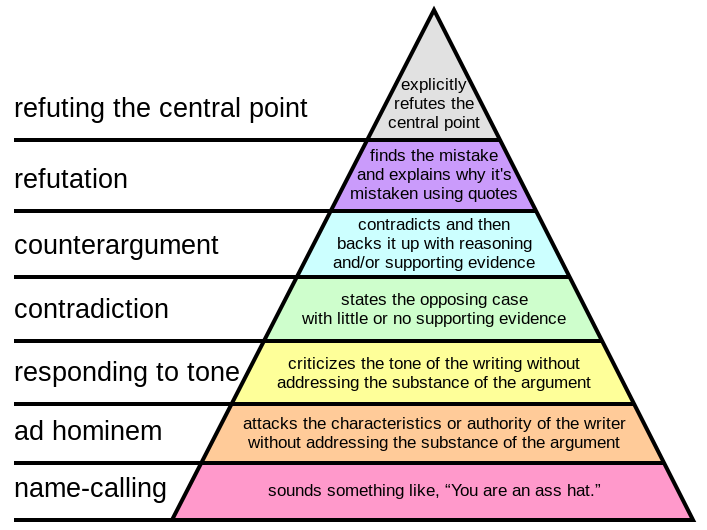
707px-graham27s_hierarchy_of_disagreement-svg
 Hierarchy of disagreement (source: Wikipedia)