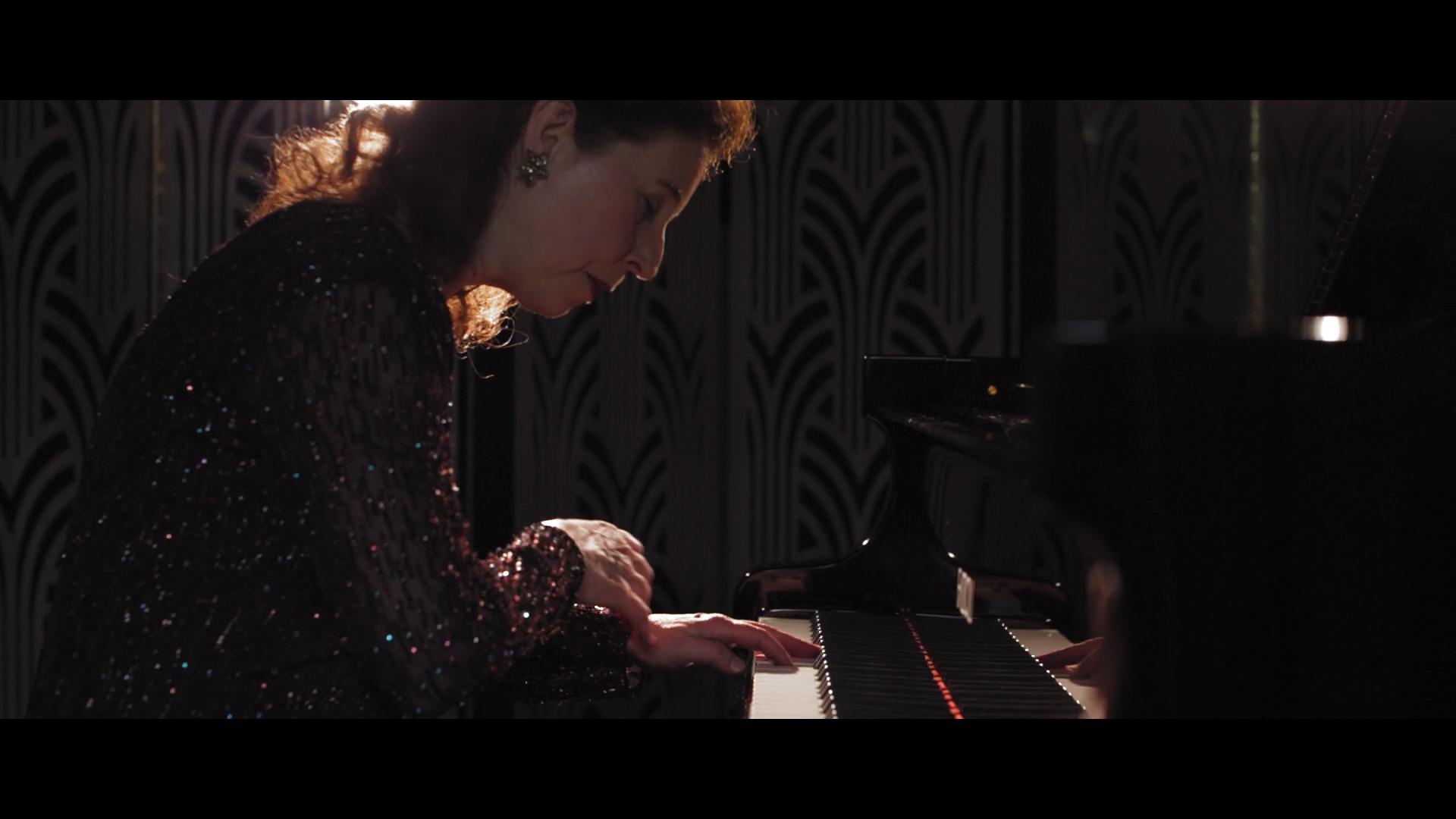
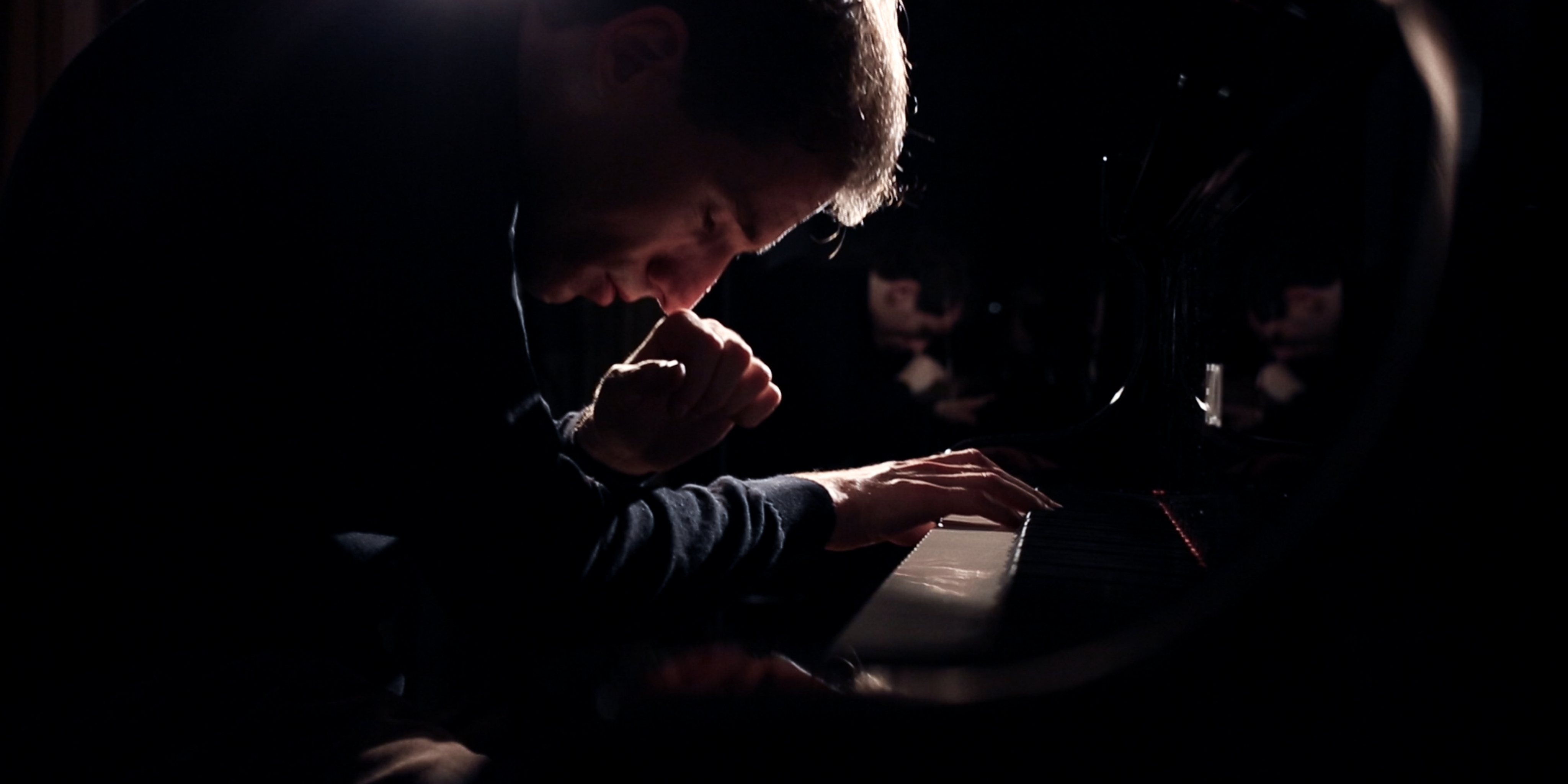
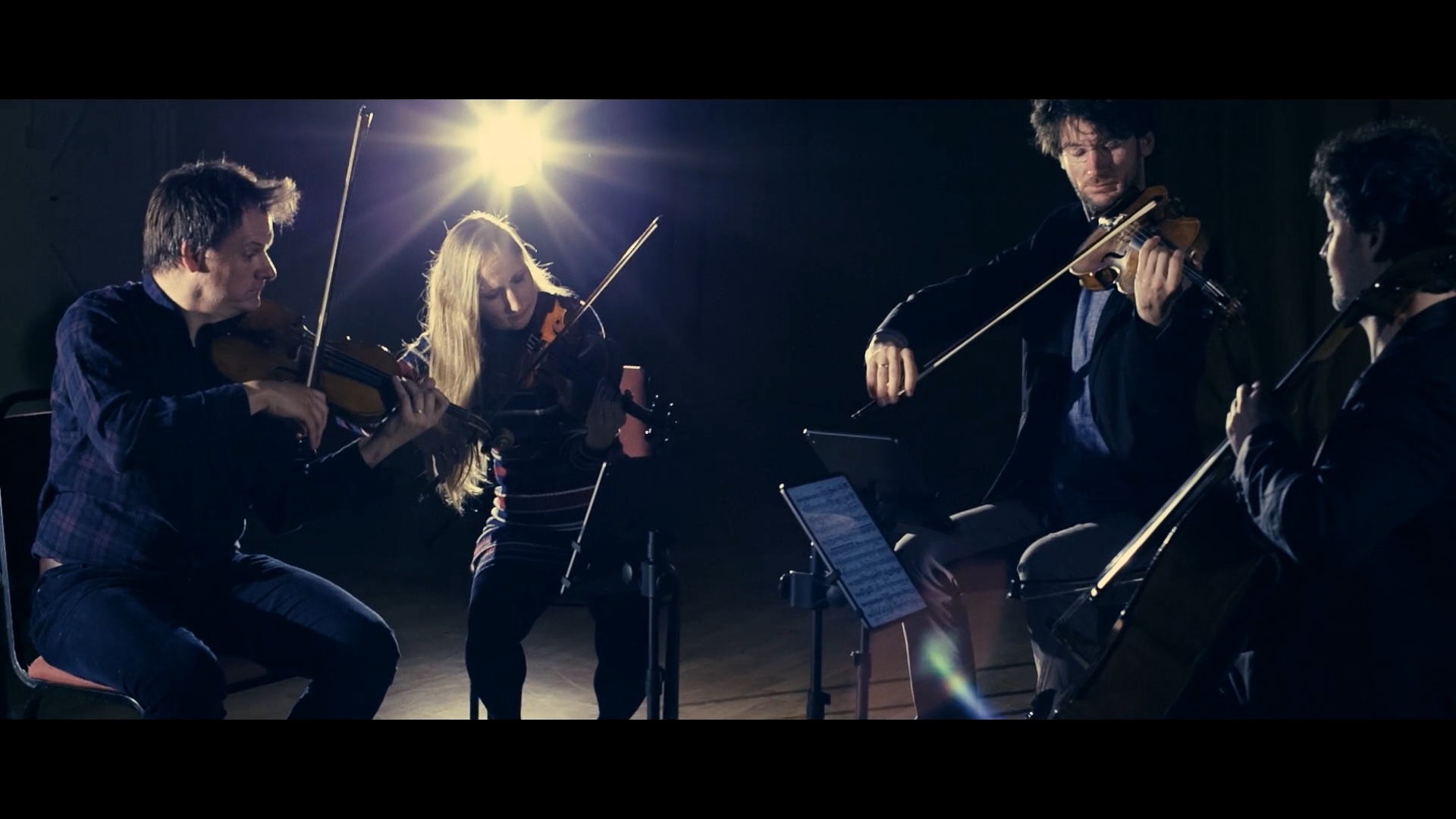
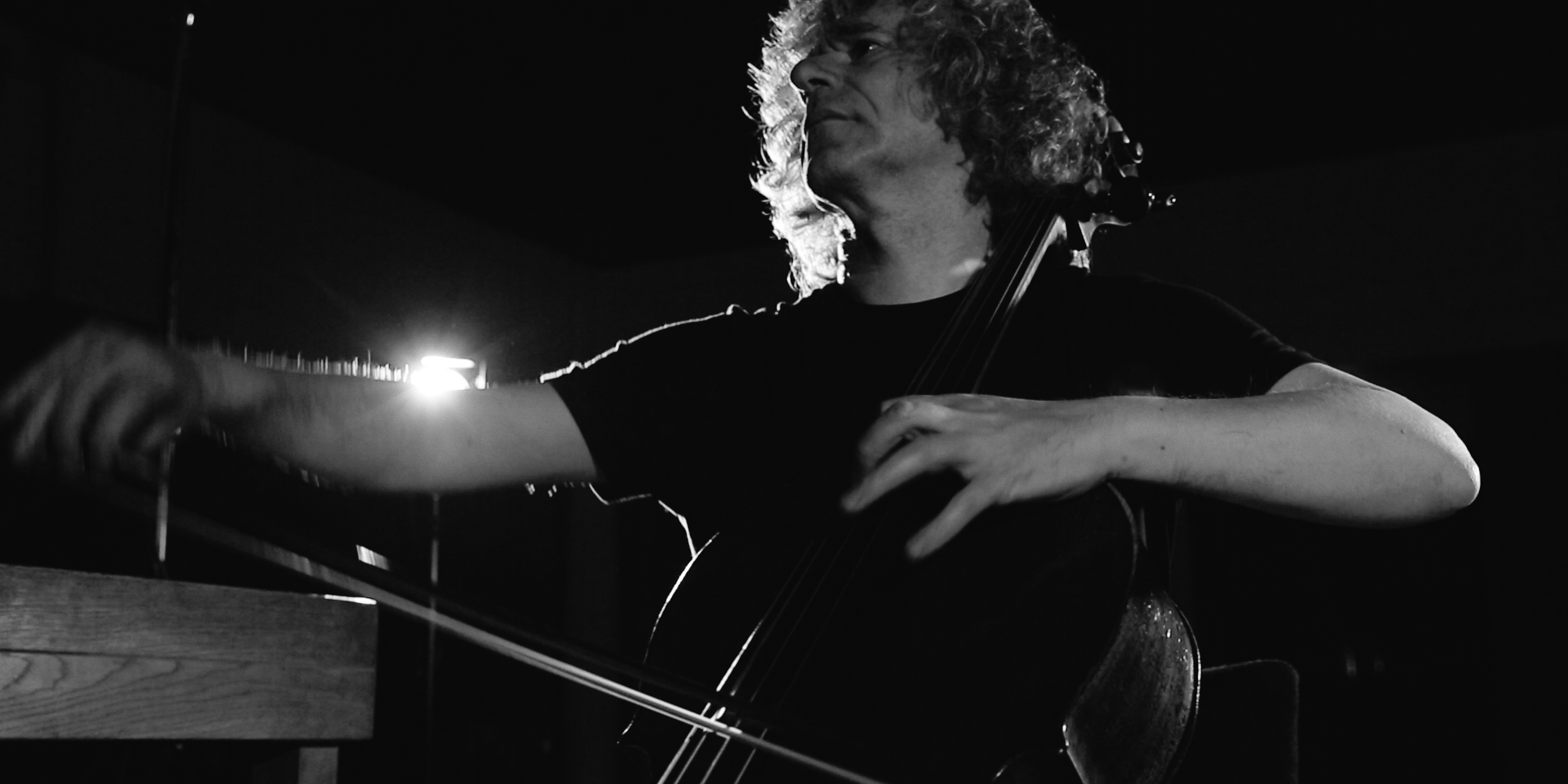
The Collection (2015-25) by Fly On The Wall is a landmark 10-year documentary project by musician and filmmaker Stewart French.  This unique online exhibition offers an unfiltered glimpse behind the scenes with some of the world’s finest classical musicians – including Angela Hewitt and Marc-André Hamelin – captured raw and uncut. 

The Collection presents 56 curated films drawn from more than 300 behind-the-scenes shoots, including never-before-seen footage from the project’s extensive archives.  The final project presents a compelling collection of video portraits, documenting musicians doing what they do best – performing live – up close and under a microscope.

From early music ensembles to cabaret trios, classical guitar quartets to percussion collectives, the exhibition showcases over 40 artists across a broad stylistic spectrum. It’s a vivid portrait of classical music in the UK and Europe today, authentic, contemporary, and alive. Featured names include The King’s SingersSteven IsserlisAlina IbragimovaRichard GoodeThe Choir of Clare College CambridgeLa Nuova MusicaColin Currie, and Boris Giltburg.

Filmed in a signature single-camera, handheld style, French’s approach brings viewers inside rarely seen spaces — iconic concert halls after darklocked recording studios, and private rehearsal rooms.  Locations such as Wigmore HallRoyal Festival HallHenry Wood Hall, and Ehrbar Saal emerge as characters in their own right, where inspiration, discipline, vulnerability and genius converge.

Accompanying each film is a written narrative offering behind-the-scenes insight and context, untold stories from deep within the creative process.

Blending cinematic long-take storytelling (think Sam Mendes’ 1917) with the intimacy of portrait photography, Stewart French’s films reject flashy edits in favour of immersive, emotionally charged moments. With over 20 years’ experience as a classical musician, producer, filmmaker and writer, his goal is to create a deeper connection between digital audiences and the visceral experience of live music.

French explains: “As a performer myself, I’ve always been drawn to the raw, unfiltered magic that happens behind closed doors — moments of focus, anticipation, creative flow.  With The Collection, I wanted to capture those flashes of vitality that sit at the very heart of music-making.”
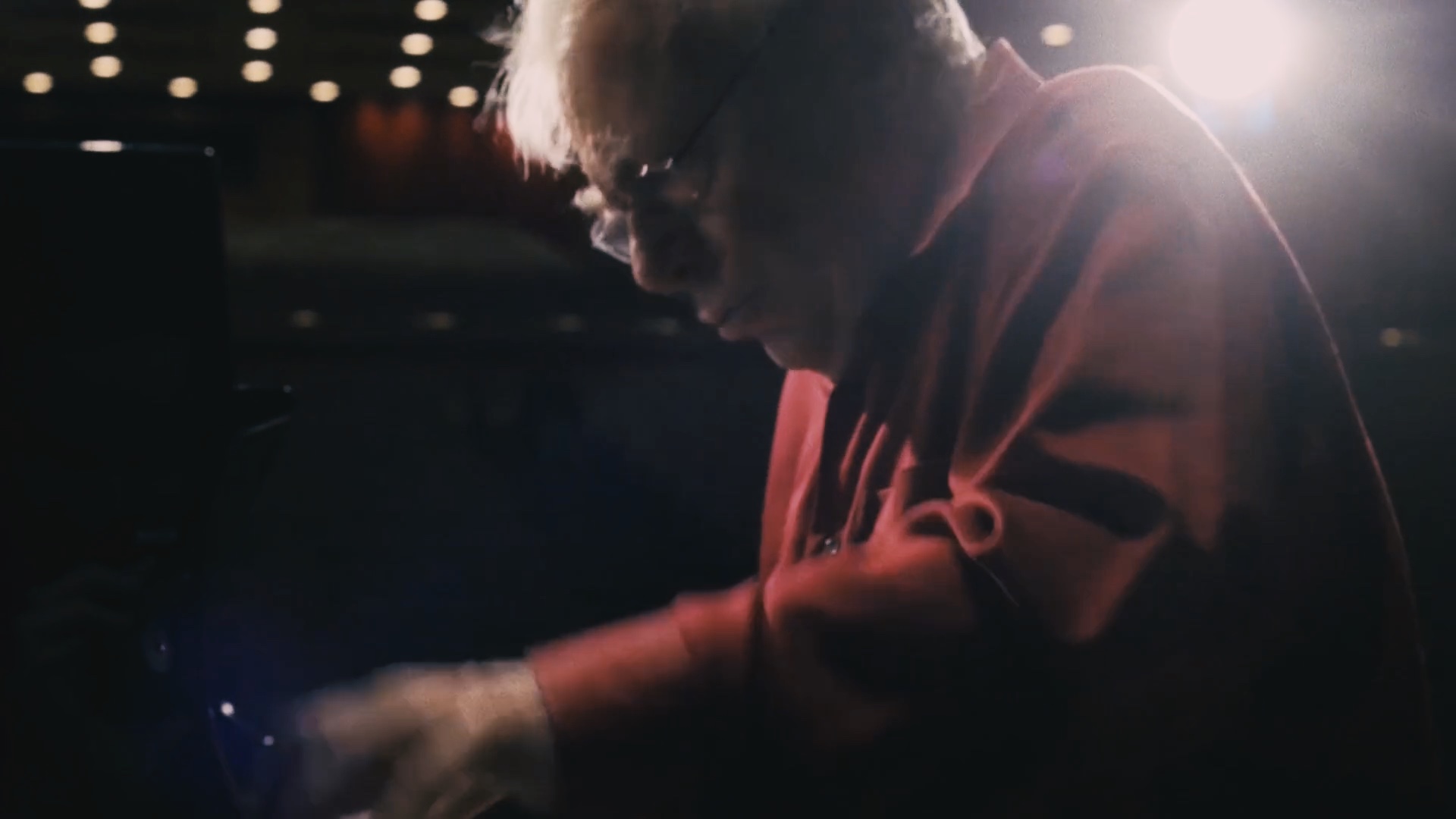
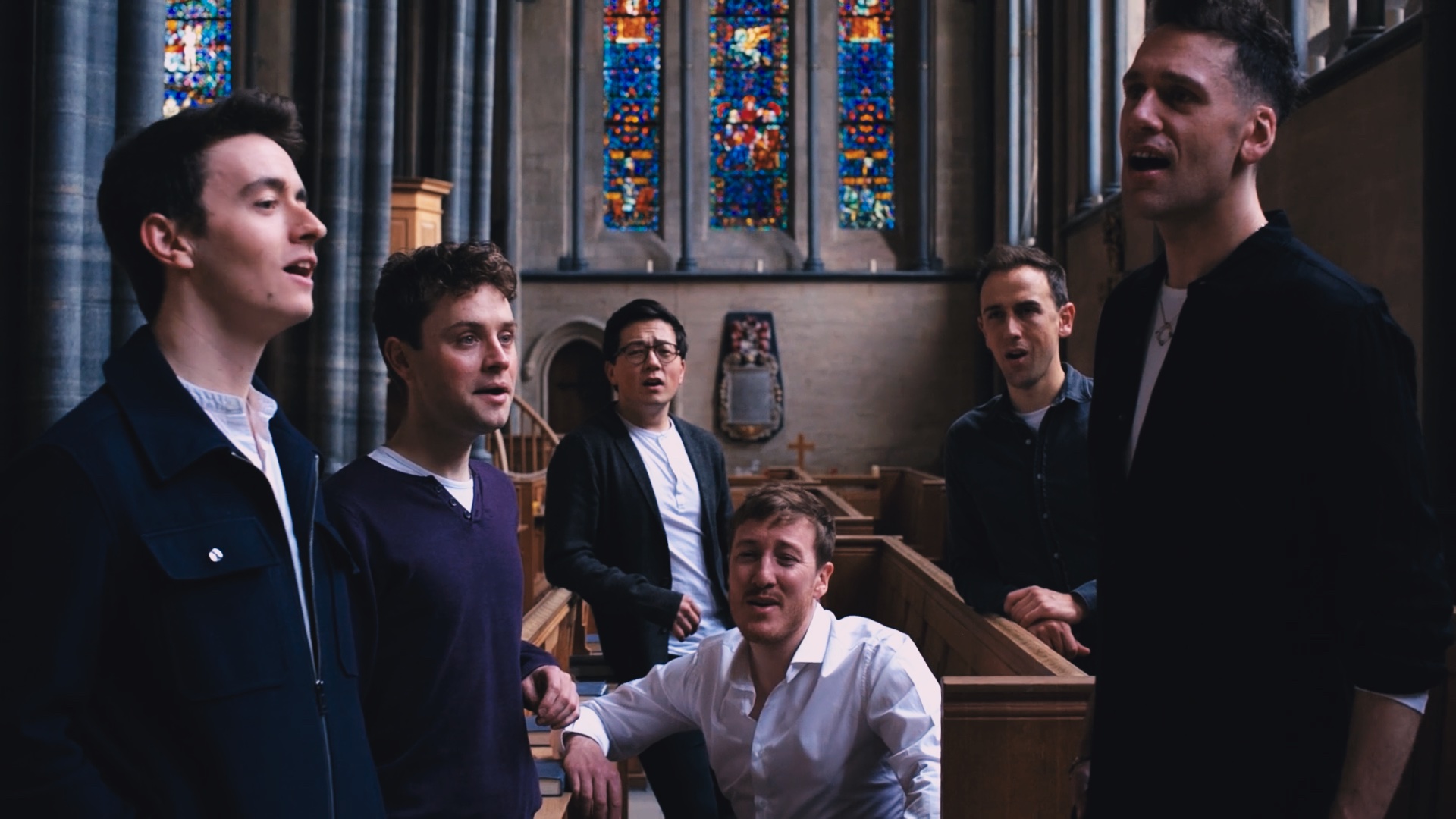
Originally launched as a Classic FM series in 2016, Fly On The Wall has grown into one of the UK’s leading classical film producers.  Its work has been featured by BBC Newsnight, The Times, Gramophone, and BBC Music Magazine, with recordings featured in Apple Music’s front-page editorial.

Access the online exhibition at: https://theflyonthewallcollection.org

(Source: press release)

Guest post by TC

The score is the backbone of a film’s emotional landscape, serving as an integral element that enhances storytelling, deepens characters, and elevates or emphasises cinematic moments. Composed to underscore the narrative and visuals, a good score can transform the viewing experience from ordinary to extraordinary, subtly guiding audience reactions and infusing scenes with mood and meaning.

Good music can really make a film (and bad music can really harm a film), and is a very powerful tool. Music can be used to set the mood and move on, or delay, and inform the action. Some film scores enjoy iconic status: Brief Encounter uses Rachmaninov’s Second Piano Concerto, and the rich romanticism and pathos of this music truly enhances the narrative.

It’s no accident that some of the best modern and contemporary classical music (using the term loosely here) comes in the form of film scores (think composers like Erich Korngold, William Walton, Bernard Herrmann, Howard Shore, Maurice Jarre, John Williams, Ennio Morricone, Hans Zimmer, Yann Tiersen….) and is performed outside of the cinema by leading international orchestras. These programmes are enormously popular with audiences, not only because the scores are familiar from the films, but also because the music itself is so good that it can stand alone from the visuals.

The popularity of film music is regularly reiterated by radio stations such as ClassicFM, which regularly broadcast excerpts from the soundtracks of, for example, Lord of the Rings (Howard Shore), The Mission (Ennio Morricone), The Hours (Philip Glass) and more, and certain composers of film scores enjoy near-legendary status in the world of film and music

I’ve been to several film screenings with live score, an experience which can enhance one’s experience of both the film and the music, together and separately (and such performances do, I think, really highlight a good score).

The film Blade Runner (released in 1982) has an arresting score by Vangelis – considered by some to represent the very essence of Vangelis’ sound, with its shimmering synthesisers, sweeping orchestral passages, and haunting melodies. It has expansive majesty but also moments of tenderness, intimacy and poignancy. It is possibly one of the best film soundtracks ever.

Image credit: Paul Sanders

We went to a screening of Blade Runner: The Director’s Cut (2007) at the Bournemouth International Centre (BIC), a building of unrelieved dreariness, more used to hosting political party conferences than cult films with orchestra. Previously, we’ve seen films with live score at the Royal Festival Hall, which boasts comfy seats and pleasant social areas. The screen was perhaps too small, the film itself interrupted by subtitles (which as the action progressed fortunately became easier to ignore).

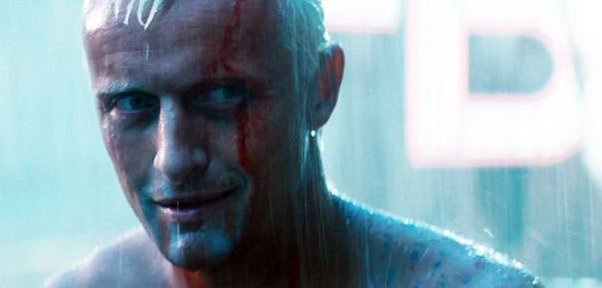
If you are familiar with Blade Runner, you will know that it is, on the surface at least, a science-fiction film, set in a dystopian future Los Angeles in which synthetic humans called Replicants are bio-engineered by the Tyrell Corporation. Renegade replicants are hunted down by ‘blade runners’. Harrison Ford plays Deckard, a disllusioned, world-weary policeman/blade runner. It’s based on a book by Philip K Dick, Do Androids Dream of Electric Sheep?, and it poses philosophical questions on the meaning and power of memories, lived experience, and, above all, what it means to be alive. This is most powerfully portrayed by the character Roy Batty (leader of the renegade Replicants, played by Rutger Hauer), who knows his time on earth is finite and his life is precious. He provides an important foil to the weary Deckard. In the closing scenes of the film, Roy’s touching death monologue reinforces the message of the entire film and expresses the fundamental experience of everyone who has ever lived. And it was here that the live score really highlighted the power and the poignancy of this message.

From the outset, despite the rather grim venue, performed live by the Avex Ensemble, the unsettling low-register rumbling, shimmering harp-like synthesiser lines and eerily descending scales set up what is to come. As the sound blooms and swells, it draws you in, placing you right in the heart of the film’s atmosphere, and you focus not just on the film itself, but also the shifting soundscapes of that transcendent, memorable and melancholic soundtrack. At times I found myself listening more intently than actually watching. The live score offered new nuances on the film, at times heightening and magnifying the action, intensifying emotion and intimacy, while also conjuring up the broad vista of a future world and worlds beyond our world.

Other notable highlights were the haunting solo saxophone in the love scene and live vocals in ‘Rachel’s Song’ from a female singer with a voice reminiscent of Beth Gibbons of Portishead.

Rutger Hauer as Roy Batty