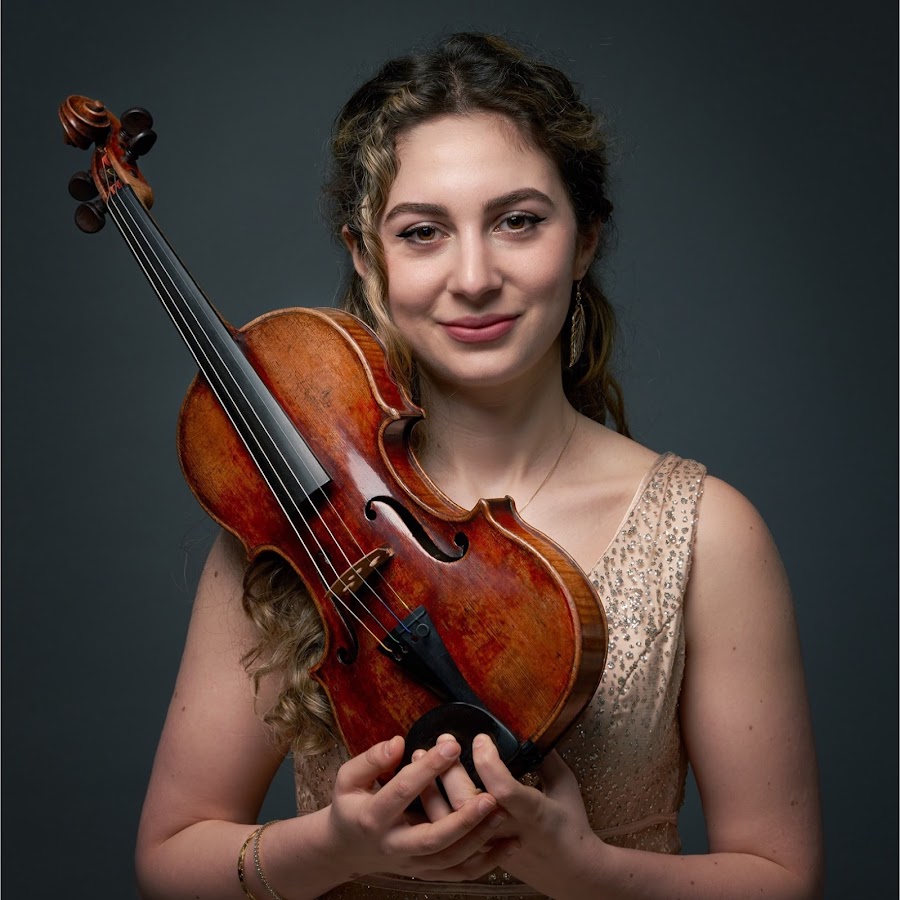
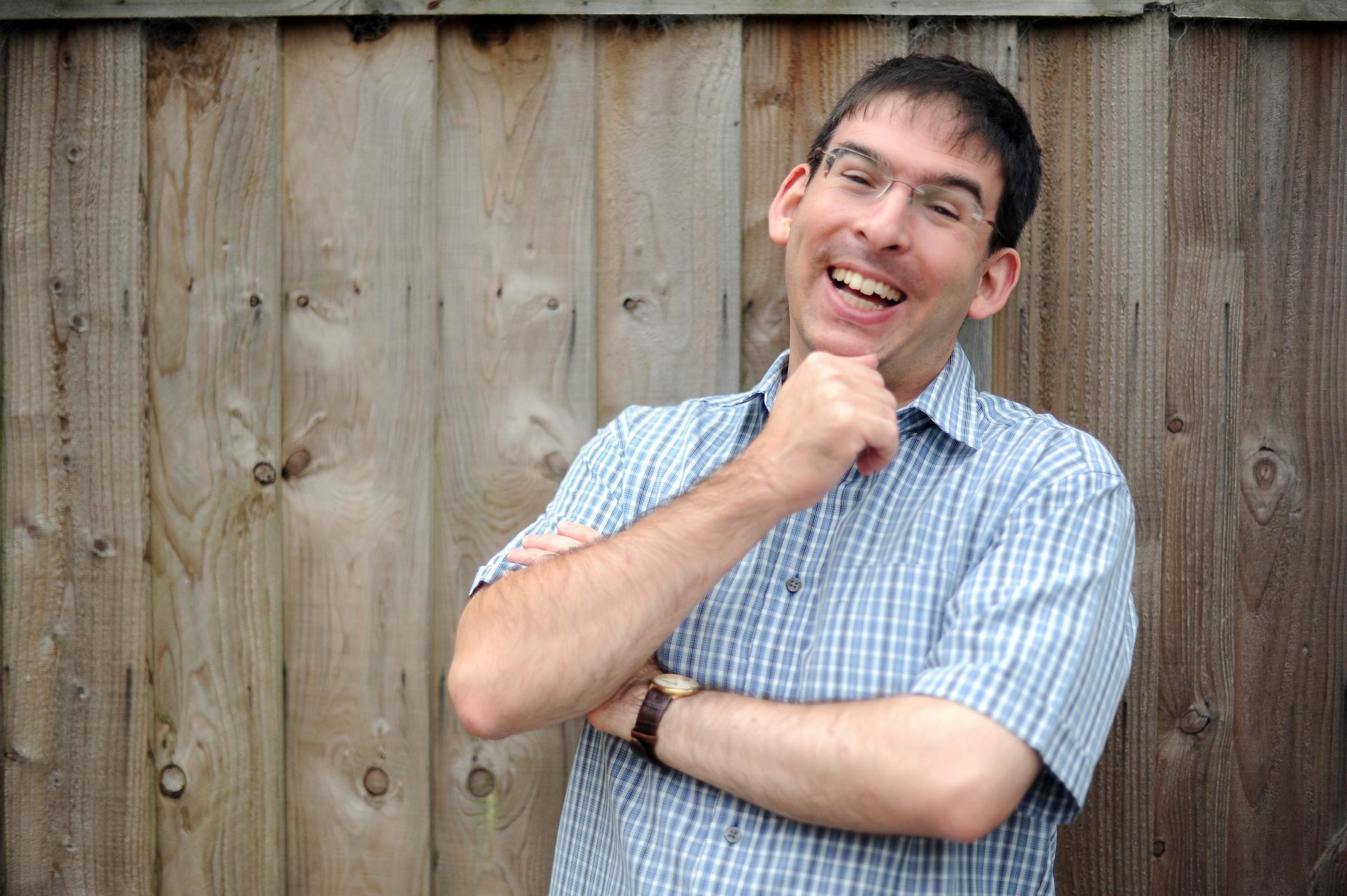
An important new recording, ‘The Spirit of Love’, featuring chamber music and songs by British composer Alisa Dixon (1932-2017), will be released on the Resonus Classics label on 22nd August.

This landmark recording highlights Dixon’s chamber works, many of which have remained largely unknown, until now. With the combined talents of the Villiers Quartet, soprano Lucy Cox and ondes Martenot player Charlie Draper, this recording represents a vital step in rediscovering the depth and breadth of Dixon’s music.

Born in 1932, Ailsa Dixon began composing before reading music at Durham University, and later studied with Paul Patterson, Professor of Composition at the Royal Academy of Music. Her works include a two-act opera, several pieces for string quartet, songs, chamber music and instrumental works including a sonata for piano duet.

In July 2017, five weeks before she died, her anthem for choir, These Things Shall Be, was premiered by the London Oriana Choir at the Cutty Sark in London. This marked the beginning of a revival of interest in her music and has led to a host of new performances of choral, vocal and instrumental works in concerts across Britain

Hailed as a ‘stunning find’, with its ‘lush harmonies’ and ‘strange yet still beautiful dissonances’ (Nottingham Chamber Music Festival, 2024), The Spirit of Love gives the title to this recording – a selection from her most fertile period of composition in the 1980s and 1990s. One of the many works found in Ailsa Dixon’s manuscript archive after she died, these songs for soprano and string quartet were premiered posthumously at St George’s Bristol, where a spellbound reviewer for the British Music Society registered ‘a feeling that something special had just occurred’.
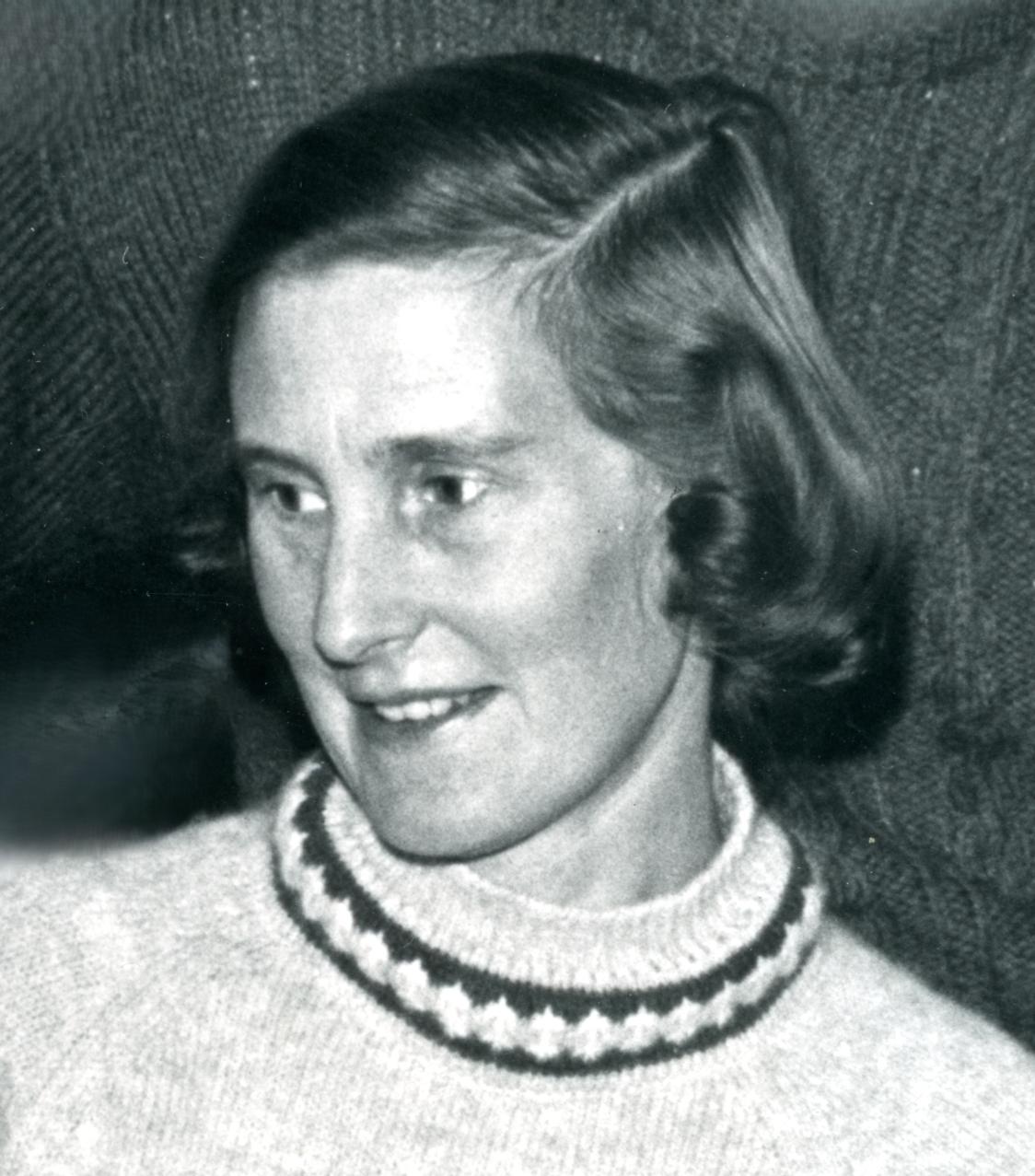
Ailsa Dixon

A collection of three songs for soprano and string quartet, composed between 1987-88, and originally commissioned through Dixon’s lifelong musical friendship with Irene Bracher, The Spirit of Love sets texts by Dixon herself, along with works by A.E. Housman and F.W. Bourdillon. The work was given its posthumous premiere in 2020 at St George’s Bristol by the performers on this recording.

Another distinctive piece is Shining Cold for soprano, ondes Martenot, viola and cello. This work is characterized by its haunting vocalise and uniquely explores the sonorities created by the soprano voice, strings, and the ondes Martenot, an electronic instrument famously associated with Messiaen’s Turangalîla-Symphonie. This work highlights Dixon’s innovative use of instrumentation and vocal expression.

Other significant works on this recording include:

The ‘lost’ Scherzo for string quartet. Written in the 1950s while Dixon was at Durham University, this piece disappeared for over half a century before the manuscript came to light after her death. The recording presents its first performance, 70 years after it was written. Its changes of time signature may show an early interest in Bartok whom Dixon cited in later life as an inspiration for his ‘elasticity of musical motifs’.

Sohrab and Rustum for string quartet. This ambitious, through-composed work from 1987-88 was inspired by Matthew Arnold’s poem of the same name, depicting the tragic encounter between a father and son in battle. The music is a vivid response to the poem’s human drama and atmospheric setting.

Variations on Love Divine for string quartet. Written in 1991-92, this is Dixon’s final string quartet work and an exploration of religious chamber music, perhaps inspired by Haydn’s Seven Last Words. Woven around John Stainer’s Anglican hymn tune, it explores themes from St John’s Gospel, the Incarnation, Nativity, Passion and Ascension, culminating in a vision of heavenly joy. The Villiers Quartet recently gave the work its first complete concert performance.

This is more than just a new album; the release of The Spirit of Love represents a pivotal moment for the rediscovery and appreciation of Alisa Dixon’s diverse and compelling chamber music – music which combines lyrical lines, adventurous harmonies, and a spiritual undercurrent, brought to life with vibrant intensity and finesse by the Villiers Quartet, Lucy Cox and Charles Draper. This recording offers listeners an insightful journey into the rich, previously under-exposed world of a significant British composer.

The project has received support from the Vaughan Williams Foundation, and the release of this recording coincides with the publication of Ailsa Dixon’s scores by Composers Edition, making much of her previously unpublished material available for the first time, thereby enhancing scholarly and public access to her complete works.

Scores of the pieces featured on the recording are available from Composers Edition. The album is released on the Resonus Classics label, on CD and streaming, on 22nd August.
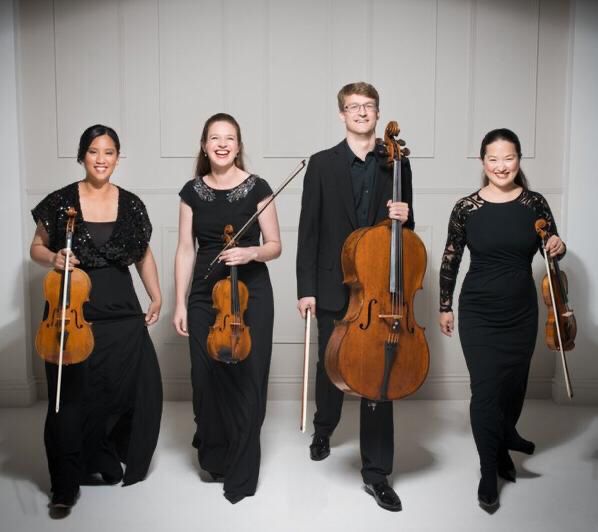
FROM SHADOWS TO LIGHT: MUSICAL JOURNEYS IN CONFLICT & PEACE

Hertfordshire Festival of Music 2025, 7th to 14th June

The Hertfordshire Festival of Music (HFoM) is proud to announce the programme for its ninth annual festival, running from 7th to 14th June 2025. Under the theme From Shadows to Light: Musical Journeys in Conflict & Peace, the festival explores how music serves as a medium to document personal and collective struggles while also illuminating paths towards renewal.

The 2025 festival builds towards HFoM’s milestone tenth anniversary in 2026, which will be celebrated under the banner Made in Herts, marking a decade of cultural contribution. This year’s programme is designed to pay heed to heritage, strengthen community bonds, and pave the way for future creative enrichment.

The festival opens on 7th June with a performance by prize-winning young ensemble Brompton String Quartet, performing music by Beethoven and Haydn at Hertford’s historic Friends Meeting House, a building almost certainly visited by Haydn during his time in Hertingfordbury in 1791.

On the opening evening, From Shadows We Rise: The Music of Reflection and Renewal, at All Saints’ Church in Hertford, commemorates the 80th anniversary of the end of the Second World War. It will feature the Hertfordshire Festival Community Concert Band, led by Chris McGinity, and the Hertford Chamber Choir, led by Manvinder Rattan. A local school choir will participate in the world premiere of From Shadows Hope Shall Rise, a piece specially written for the occasion by composer and Festival Artistic Director James Francis Brown, alongside other popular works linked to the wartime era, including music by John Williams, Eric Coates, William Walton, and Karl Jenkins.

The festival programme includes a variety of events beyond traditional concerts. A special Festival church service at All Saints’ Church will pair a young organ scholar with handbells. Stepping outside, a guided tour will explore Hertford’s wartime history, with an invitation to wear period costume. The popular Soundbites recital series at All Saints’ Church will feature music that blends past and present, including the world premiere of a new work by Lloyd Moore, Schumann’s Fantasiestucke op 73, and Brahms’ Viola Sonata in E♭ major, Op. 120, performed by Sarah-Jane Bradley (viola) and James Francis Brown (piano).

Central to the festival are its community initiatives. Songs of Friendship and Adventure: Making Music Together Across Generations is a project engaging primary school children to explore wartime songs through intergenerational storytelling, reflection, and school concerts, with some performances traveling to local care homes to bridge generational divides. The Music in Mind programme, now in its fifth year, delivers live music sessions to residents living with dementia, their carers, and families in local care homes, demonstrating music’s enduring power to soothe, uplift, and connect.

Thoughtful reflections on shared history are also key. An illustrated talk, Hertfordshire During the War: The Evacuee Story, will gather multiple generations to recount and reflect on wartime evacuation experiences. A corresponding event, The Evacuee Story II, will be a 1940s-inspired jazz concert given by the Chris Eldred Trio, highlighting music as a form of solace during adversity.

Art historian Barry Dodge will present an illustrated talk on war artist Paul Nash at St Andrew’s Church, examining his work alongside an original composition by James Francis Brown inspired by three of Nash’s paintings.

A ‘relaxed rehearsal’ at All Saints’ Church will give people an opportunity to see musicians at work and offer a glimpse of the creative processes involved. The festival will culminate in a chamber orchestra concert featuring Benjamin Britten’s Serenade for Tenor, Horn, and Strings, a work written in the wartime year of 1943, performed by young tenor Guy Elliott and horn player Chloe Harrison, highlighting the festival’s commitment to nurturing future artists.

The Hertfordshire Festival of Music is fundamentally a community endeavour, created to bring people together, educate, and foster meaningful dialogue. Every element – from performances and educational projects to outreach and talks – is part of a larger conversation linking shared history with the promise of a more engaged future.

Festival website: hertsmusicfest.org.uk

BOOK TICKETS

About the Festival

An annual summer event dedicated to celebrating musical heritage, fostering community engagement, and promoting creative enrichment in Hertford and Hertfordshire, HFoM is the vision of conductor Tom Hammond and composer James Francis Brown, and is registered as a charity supported by a board of Trustees and a team of volunteers.

Since its founding in 2016, HFoM has grown rapidly from a small weekend event to one of the UK’s major summer music festivals, featuring international artists and ensembles alongside innovative outreach and educational projects, all based in and around the attractive historic county town of Hertford. HFoM has presented concerts that have inspired extraordinary audience responses to artists such as Tasmin Little CBE, Dame Emma Kirkby, Sir Stephen Hough, Steven Isserlis CBE, Ben Goldscheider, the Carducci Quartet, Emma Johnson MBE, Jack Hancher, the Galliard Ensemble, Chloe Hanslip, ZRI and The Prince Consort.

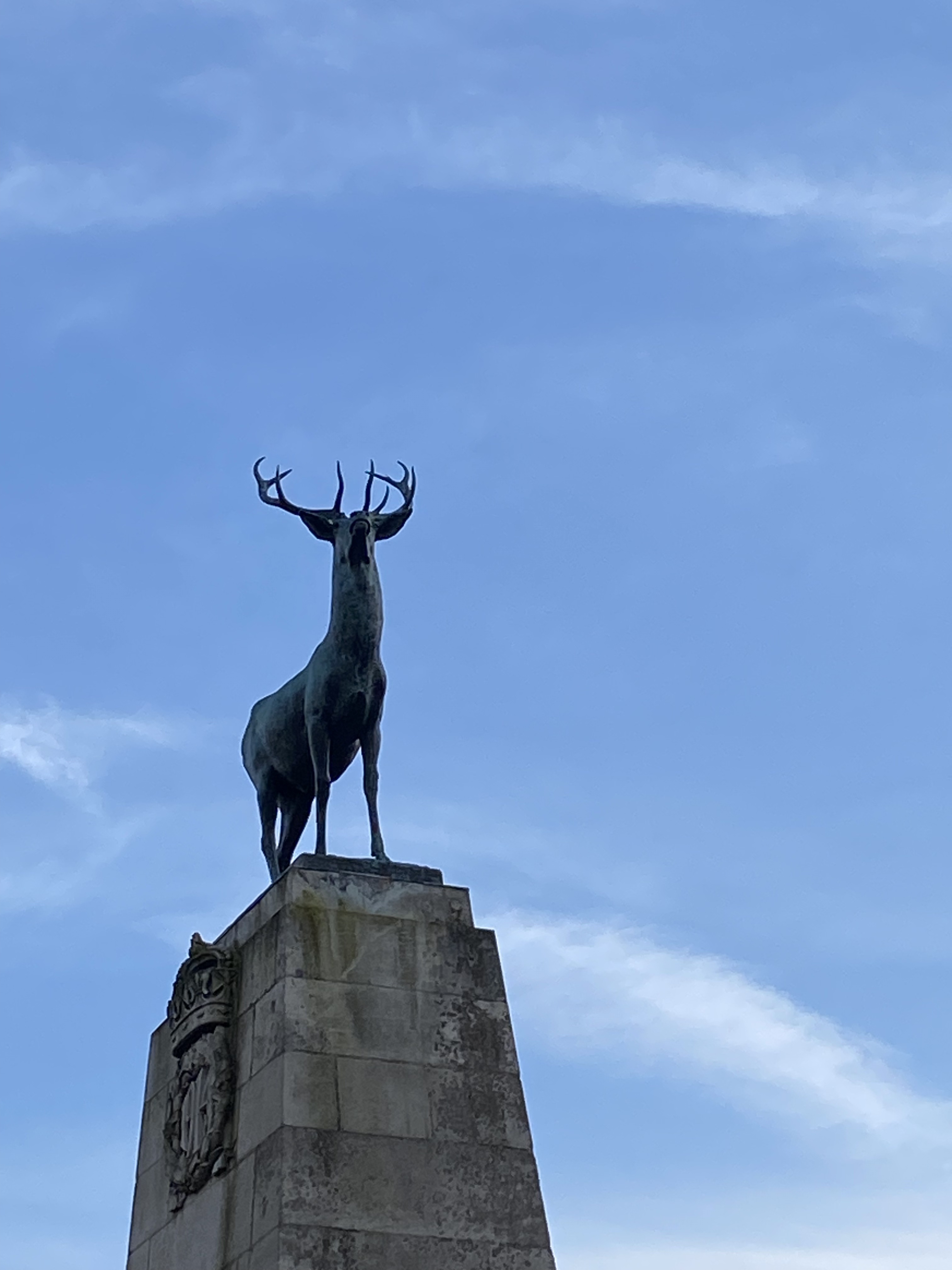
HFoM receives no Arts Council funding and is fortunate to receive support from a number of charitable trusts and foundations, county, district and town councils, local businesses and other organisations. A ‘Deer Friends’ Scheme allows individuals to play an important role in supporting the Festival and furthering its scope and potential. The Festival offers affordable ticket prices, several free events, concessions for those under 24 in full-time education, free tickets for the under 8s and a complementary ticket for a carer accompanying those patrons with access needs.

HFoM exists to celebrate and nurture exceptional music-making, featuring some of the world’s finest performers. The Festival also supports professional and young musicians from Hertfordshire, presents fascinating music by living composers and devises major, innovative projects for education and participation. Hertford is just over twenty miles from central London, easy to get to by rail and road, but nestled in the beautiful countryside of the Lea Valley. Most concerts take place within a ten-minute stroll of the town’s centre, which boasts excellent restaurants, many independent shops, and pleasant accommodation.

The Festival celebrates its tenth anniversary in 2026.

X: @HertMusicFest Instagram: @hertsfestofmusic Facebook: @ Hertsmusicfest

Registered Charity Number 1175716

Last week I went up to Hertford, the attractive county town of Hertfordshire, to attend an inaugural concert and reception, ahead of this year’s Hertfordshire Festival of Music (HFoM) which runs from 7 to 14 June.

I have been involved in the Festival since its founding by conductor Tom Hammond (who tragically died in 2021) and composer James Francis Brown, initially in an ad hoc way by sharing details of the festival here and on my social networks, and since 2020 as the Festival’s publicist.

Now in its ninth year, the festival has grown from a weekend to a full week of concerts and related events/activities. The ethos and aims of the festival have remained largely the same – presenting world class classical music and musicians in the heart of Hertfordshire alongside education and outreach projects within the local community – and each year sees a different Principal Artist (Emma Johnson, Ben Goldscheider, Steven Isserlis and Stephen Hough to name a few) and Featured Living Composer (e.g. Judith Weir, CBE, David Matthews), as well as musicians who live and/or come from Hertfordshire (flautist Emma Halnan, pianist Florian Mitrea). The concert programmes are varied and imaginative, and the range of artists is impressive. Previous performers/ensembles have included ZRI, the Rosetti Ensemble, pianists Katya Apekisheva and Charles Owen, violinists Litsa Tunnah, Mathilde Milwidsky and Chloe Hanslip, cellist Guy Johnson, and guitarist Jack Hancher.

Potential audiences (and reviewers) who live in London are often reluctant to journey too far out of the metropolis to experience live music (it was via an online discussion about this issue that I first met Tom Hammond, back in 2015), yet the ease with which one can travel to Hertfordshire was quite evident when, after having lunch with my father near Kings Cross, I took the Circle Line a few stops to Moorgate and thence a train to Hertford North station (Hertford has 2 railway stations; trains from Hertford East go to Liverpool Street). The journey was less than an hour, comfortable and pleasant, and my hotel was an easy 10-minute stroll from the station to the attractive historic centre of town. Hertford is also easily accessible by road, again less than an hour’s drive from London.

HFoM concerts take place in the town’s two main churches, St Andrew’s and All Saints, both of which are within walking distance of the town centre. Other events take place at the Hertford Quaker Meeting House (the oldest meeting house built by Friends that has remained in unbroken use since 1670), and other local venues.

If you were to make a mini break or weekend visit to Hertford, or even just a day trip, you’ll find the town has a good range of independent shops, cafes, restaurants and pubs. Ahead of the evening event, I enjoyed a stroll around the town in unexpectedly mild sunshine.

This year’s festival runs from 7 to 14 June. I can’t reveal the full programme yet but I can tell you that this year’s Festival theme, ‘Shadows to Light: Musical Journeys in Conflicts and Peace’, which celebrates the universal language of music through times of adversity and peace, and touches on the 80th anniversary of VE Day alongside contemporary global conflicts. From young musicians to established international artists, jazz music, the Hertford Community Concert Band, and even a special Festival Church Service, this year’s Festival offers something for everyone and features over 30 events across music and outreach activities, of which 50% are free, with concessions applied to ticketed events.

You can enjoy early access to Festival news by signing up to the HFoM newsletter or by following the festival on social media.

Hertfordshire Festival of Music website

Hertfordshire Festival of Music is built on the involvement, support and encouragement of Hertford and the county’s communities who help build a thriving and rich Festival for the communities HFoM wishes to serve.

Duncan Honeybourne (piano) & Leora Cohen (violin)

This interesting new release from British pianist Duncan Honeybourne, with British-American violinist Leora Cohen, introduces the hitherto little-known music of Jessy Reason, known somewhat cryptically during her lifetime as “J. L. Reason”.

A long-forgotten, enigmatic figure, Jessy Lilian Reason, née Wolton, was born in London in 1878, the daughter of a wealthy hop merchant. In 1902, in Cornwall, she married a gentleman of private means twenty years her senior, with whom she settled firstly in Devon and later in Tonbridge, Kent. In the late 1920s the couple made a final move, to Reading, where Jessy died in 1938.

In May 1992 a writer called Alan Poulton discovered a large stack of handwritten music manuscripts in a second-hand bookshop. He purchased the collection and during the 2020 Covid lockdown, now retired and with time on his hands, he set about exploring and cataloguing the manuscripts, and researching the life of the woman who had composed 70 handwritten works in the early decades of the twentieth century. The paperwork accompanying the collection reveals that Mrs Reason studied composition with the renowned composer and conductor Eugene Goossens; she was then in her mid-40s, her tutor some 15 years younger. How much of Reason’s music was performed during her lifetime remains unclear: all that has come to light so far is a performance of a single song at London’s Wigmore Hall and a song cycle given at a minor concert in West London, all in the early 1920s. (The current catalogue of Reason’s music, compiled by Alan Poulton, can be found on the British Music Society website.

Pianist Duncan Honeybourne is a passionate advocate for lesser-known and rarely-performed music, and this new release by Prima Facie Records reflects his unerring ability to unearth really fine music and bring it to a wider audience by recording and performing it (see also his release, also on the Prima Facie label, of piano music by William Baines). On this recording he is joined by young British-American violinist Leora Cohen. She brings a wonderful range of colours and nuance to the Three Poems for Violin and Piano, matching Honeybourne’s playing with a remarkable sure-footedness, sensitivity and musical maturity.

This disc presents Jessy Reason’s entire output for solo piano, together with the Three Poems, and as such is a wonderful introduction to Reason’s writing. She was clearly a highly-skilled yet largely self-taught composer and musician (her writing for piano reveals an intimate knowledge of the geography of the keyboard): in his biography of his mother, Richard Reason describes her as “an ardent musician, with a fiery style of violin-playing . . .teaching herself the whole technique of writing for full orchestra”. Her scores, some of which I have seen, thanks to Duncan Honeybourne, are elegantly crafted and neatly laid out.

By turns richly romantic, impressionistic, darkly lyrical, sensuous and harmonically complex, there are hints of late Brahms, Debussy, Ravel, even early Messiaen in Reason’s sophisticated, inventive music. This inspiring legacy of work is brought vividly to life by Duncan Honeybourne on a piano contemporaneous with the music, a 1922 Bösendorfer.

Piano and Chamber Music by Jessy Reason

Duncan Honeybourne (piano) with Leora Cohen (violin)

Prima Facie Records, July 2024

leoraviolin.com

duncanhoneybourne.com