I recently visited Vienna, a city which I fell in love with on my first visit in 2015. At the risk of sounding incredibly bossy, if you are a musician you have to visit Vienna. It is the city of Mozart, Beethoven, Schubert, Brahms, Mahler, Schoenberg, Berg and more. It boasts two fine concert halls with world-class resident orchestras, two opera houses, and beautiful churches where music is performed regularly. The place positively oozes culture from every pore: its galleries and museums contain some of the finest collections of art I have ever seen, and its imperial buildings (from the time of the Hapsburgs) are beautifully maintained. You can visit the homes of Mozart, Beethoven, Schubert, Schoenberg….. and pay your personal homage to the great composers at the main cemetery.
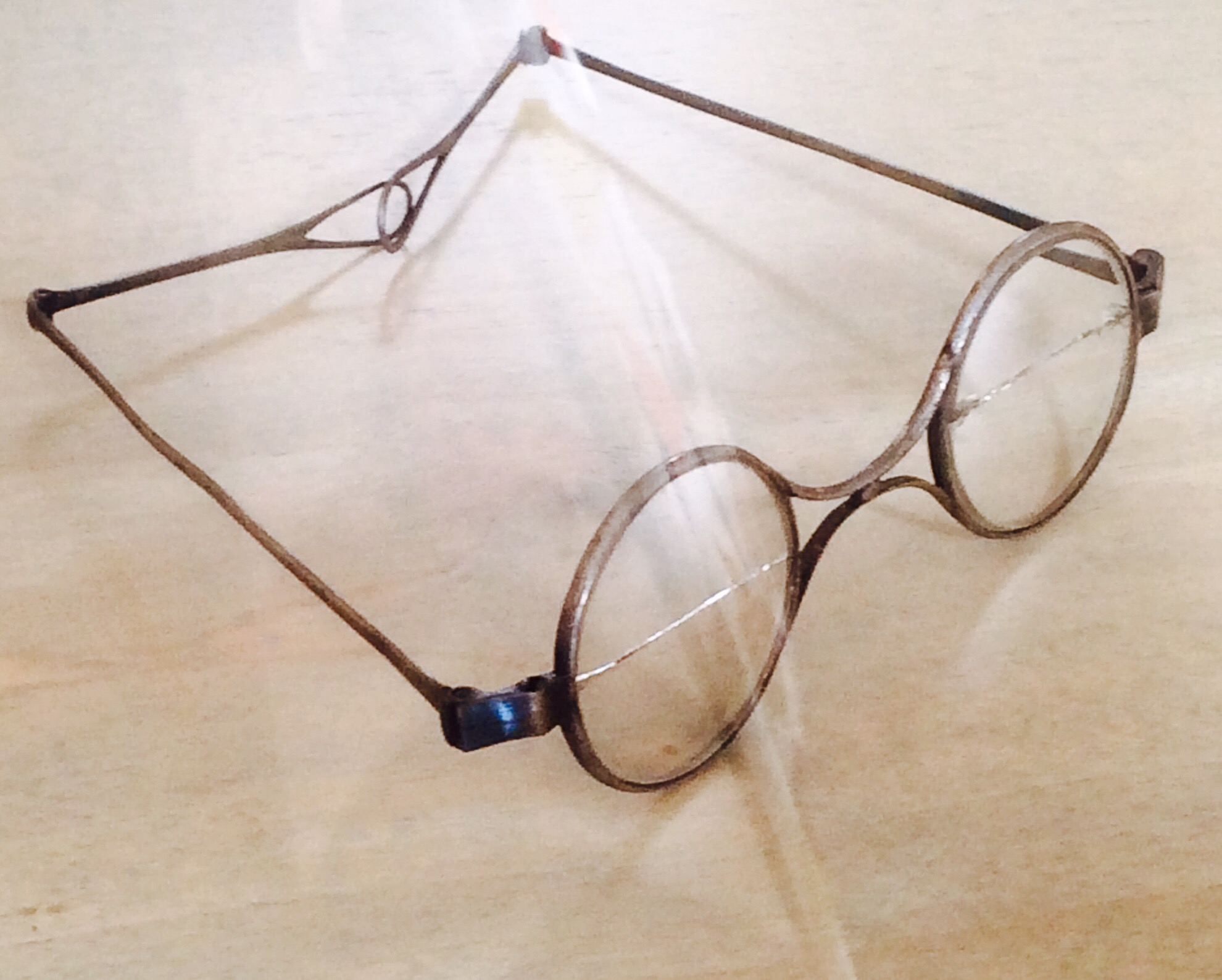
Schubert’s glasses

During my visit I overdosed on Secessionist art, walked the elegant boulevards in glorious and unexpectedly warm early spring sunshine, ate wurst from a stand behind the opera house, drank beer in a bierkeller, visited the (alleged) birthplace of Schubert (a tiny two-room museum with a touching display of mementos including his little round glasses), rode round the Ringstrasse on a retro tram, drank more beer, ate more wurst, attended a Sunday morning concert at the Konzerthaus, saw Dürer’s exquisite drawing of the hare, drank coffee with a colleague from HelloStage at a proper Viennese coffee house, toured Mozart’s house in the old city, and vowed I would return in the winter.

When I returned to London, replete with Weissbier, Mozartkugeln and kasekrainer, I felt that for the five days of my stay in Vienna I had steeped myself in its culture. When I practised music by Schubert I recalled the trip to his birthplace, a short tram ride from Schottenring to an area which was probably countryside in his day. My practising was coloured by recollections of the sounds and sights of Vienna – the noise of people (most obviously around St Stephen’s cathedral), the steady clop of horses’ hooves (you can take a horse-drawn carriage tour of the old city), the rattle and chime of the trams, the timbre and rhythm of conversations in cafes and bars. I’m a romantic at heart and it meant a lot to me to be able to walk the streets that Mozart, Beethoven and Schubert may have walked before me. When I returned to my piano and my practising, I felt I had a better handle on the music of these great Austrian composers, my understanding of their cultural background and their music deepened by my visit to their city.

Cutting oneself off from normal life by spending hours and hours in the practise room is not healthy. Aside from the law of diminishing returns (after about 3 hours you stop taking in information and are simply “typing” the music), it is important to remember that the composers whose music we love and revere were normal people too – and we can connect better to them and their music if we go out and live life, just as they did. As as student of mine remarked recently on the prospect of attending a specialist music school, “I’m not sure I could hack it, with all that practising. I’d want a social life too!”. And she’s right, because having a social life, meeting friends, going out together, eating and drinking, going to the theatre, the cinema, art exhibitions, reading trashy novels, falling in love, falling out of love, all feeds into our cultural and creative landscape to nourish and inform our music-making.

By the same token, placing the composers on high pedestals and turning them into demi-gods sets up expectations which we can never hope to fulfil, because we will never feel we can “do justice” to their music. Instead, treat them as ordinary people – they too had love affairs, went out drinking with mates, and enjoyed a good meal with friends and colleagues – but respect what they give us in their scores and show fidelity to the wonderful literature they have left us.


American cellist David Finckel, who has just embarked on a series of seminars entitled ‘Being a Musician’ at Stony Brook University, identifies the important habits of those musicians who have built and maintained successful careers. (This article first appeared in The Strad.)

1. Know thyself
Being a musician begins with you. Knowing and being able to articulate why you love music, and why you must make a life of it, are the first steps to convincing the world that you are in the business to stay. Understanding how you stack up in the music world, and knowing what you have yet to learn, is equally important. If you are tougher on yourself than others, you’ll be ready for anything.

2. Be an artist
There are many musicians, but few real artists. True artists remake and replenish themselves perpetually, and are the ones followed by a loyal public. Decide what you need in order to honestly call yourself an artist and go get it. Study the people you consider to be great artists and emulate them. You can’t go wrong by spending a day as Mendelssohn, Picasso or Charlie Chaplin. Put yourselves in their heads and you’ll see the world differently.

3. Keep learning
Artists never stop absorbing knowledge and ideas that enrich their minds. Read, listen, watch, ask questions and surround yourself with interesting people. Don’t discount unconventional sources of knowledge. People who are constantly learning are the most interesting, always changing and always growing. Be one of them.

4. Work on your performance
Don’t be afraid to compare your performance to your own ideal. Be relentless in your determination to improve. Tape yourself on your mobile phone. Ask your friends for honest opinions. Listen and watch those musicians you admire most. Ask to play for the best musicians you know. You will only show yourself to be more dedicated than others.

5. Make friends
Careers are not made in isolation. Your friends, colleagues, mentors and industry contact list should be large, ever-growing and well-maintained. It will likely be one of these people who opens opportunities for you, recommends you, or shares a new idea that changes your life. A large musical family is not a bad thing to have.

6. Visualise possible lives
Keep an open mind as to the variety of ways you could be a musician. There are many.

7. Ask not what the industry can do for you…
Everyone who works in the arts industry faces enormous challenges on a day-to-day basis. The best thing a musician can do for them is to offer solutions, not present problems. These people appreciate all your ideas about programming, creative ways to appeal to the public, and help you can offer to run their organisations more powerfully. Ask what you can do for them.

8. Lead by example
The ideas and ideals of an artist are often beyond the comprehension of most around them. As a rule, the most effective way to stand out in the field from the rest is to live the life you believe in. Inspire others through your own work, and opportunities will surely come your way.

9. Give back
It is never too soon to begin sharing your experience, knowledge and inspiration with those poised to become classical music listeners, supporters and practitioners in the near and far futures. As an artist and a musician, you always have something to share. That you are perceived as thoughtful, generous and forward-thinking is completely in your favour.

10. Stay the course
Commitment to your art – respecting your initial reasons for becoming a musician and rejecting all unprincipled derivations from the course of integrity – is essential for ultimately commanding the respect of your colleagues, public, supporters and the entire industry. Today there are numerous temptations in the music world to stray from the highest standards of a pure course of study and practice of great music. Musicians, educators and administrators desperately employ short-lived ideas for getting engagements, creating opportunities for students and selling tickets. At the end of the day, not being among those who doubt the staying power of our art is the only safe way to ensure that you will be trusted and taken seriously.
