
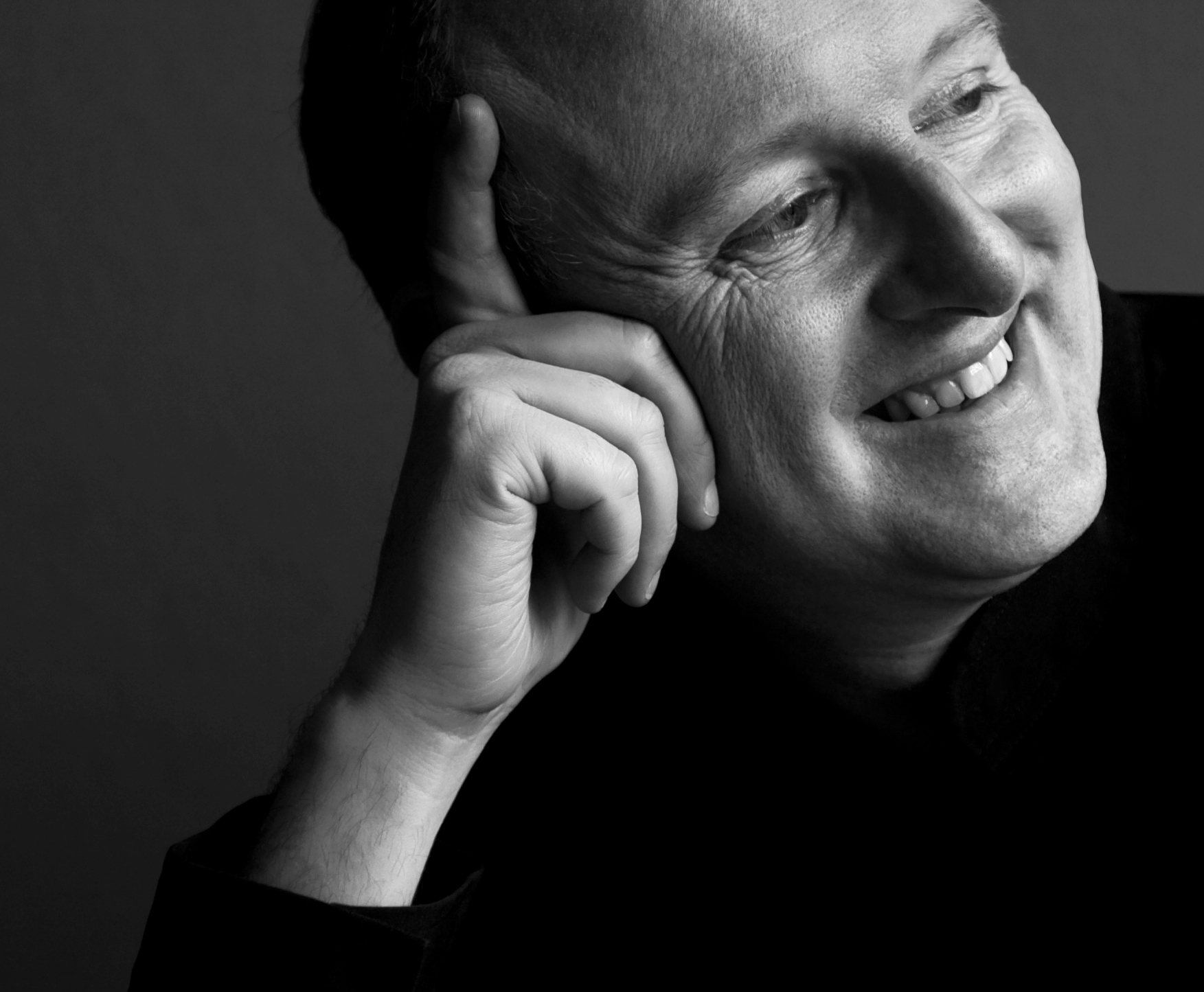
For his autumn concert tour, which begins on Sunday 9 November, British pianist James Lisney places Beethoven’s late sonatas at the centre of this rich programme of masterpieces, not the least of which is the ricercar that Bach performed for Frederick the Great in Potsdam in 1747. “Old Bach of Leipzig” improvised on the King’s theme while using a newly developed fortepiano; the finished composition can thus lay claim to be the first major piano work.
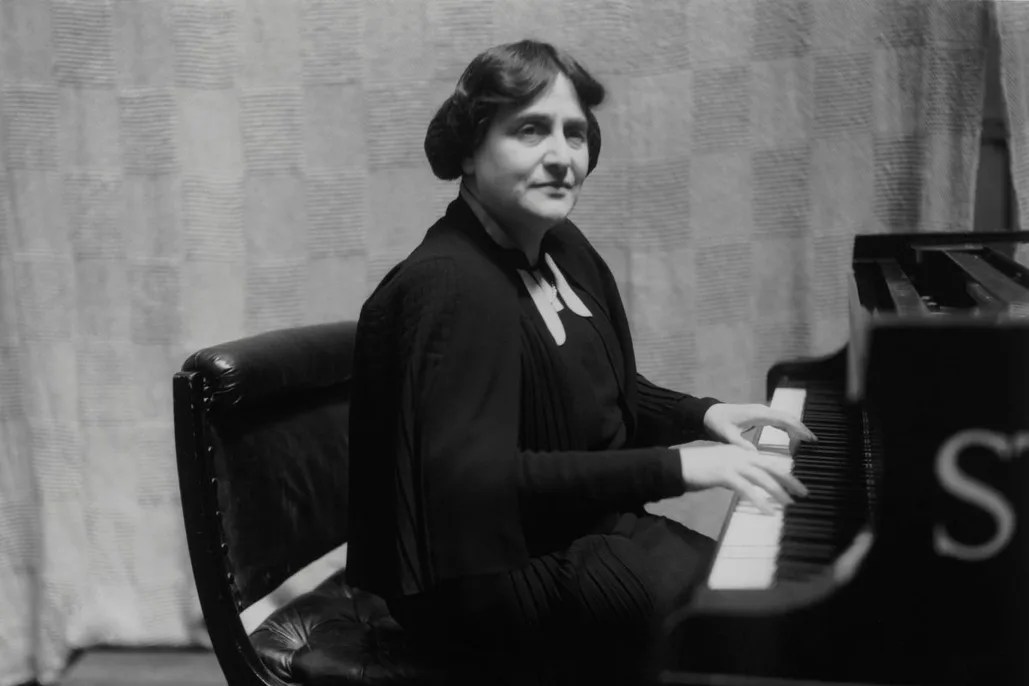
The preludes by Chopin and Shostakovich are similarly written out versions of improvisatory pieces, whilst Myra Hess’ beloved chorale prelude, “Jesu, Joy of Man’s Desiring”, is a reminder of her close association with Beethoven’s final triptych of piano sonatas, and is included in this programme to honour the anniversary of her death on 25th November 1965.
James Lisney says, ‘I have returned to Beethoven’s late sonatas on many occasions over the past forty years. Each study period is a time of intense contentment that reveals new insights, greater pianistic authority, and a reflection of personal growth in terms of musical and extra-musical experience. The great Chilean pianist Claudio Arrau stated that passion deepens with age, and Beethoven’s late works are certainly ‘appassionato’, communicating ideas that stretch human experience.
There is a lifetime in this music, an inexhaustible well of ideas that defeat our perceptions of time during performance. I have long wanted to add preludes to this music, easing the listener into a new universe and refreshing the palate. The death of Shostakovich fifty years ago provided inspiration; Dame Myra Hess (d. November 1965), a peerless interpreter of these sonatas and the music of Bach, provided further items for the programme, not least her enduring transcription of the chorale prelude ‘Jesu Joy of Man’s Desiring’.
Johann Sebastian Bach’s Ricercar à 3 is a further example of a composition that represents a preludial improvisation, one executed by a master of the increasingly archaic art of counterpoint who was not above adding galant flourishes to a theme provided by Frederick II of Prussia. An example of an artist “speaking truth to power?”’
CONCERT DATES & VENUES
9 November, Bradshaw Hall, Royal Birmingham Conservatoire
18 November, St George’s Bristol
21 November 1901 Arts Club, London
22 November, The Red Hedgehog, London
28 November, The Quay Theatre, Sudbury, Suffolk
4 December, The Stoller Hall, Manchester
5 December, Stamford Arts Centre, Stamford, Lincolnshire
7 December, The Red Hedgehog, London




 The Cross-Eyed Pianist