CARITAS CONSORT releases May the Spirit Sing in your Heart

Music by Thomas Hewitt Jones, words by Canon Gordon Giles

A new choral anthem commissioned by soprano Susanna Gray-Jones in honour of the 70th birthday of Susanna’s father, Lindsay Gray, Founder and Director of Caritas Consort

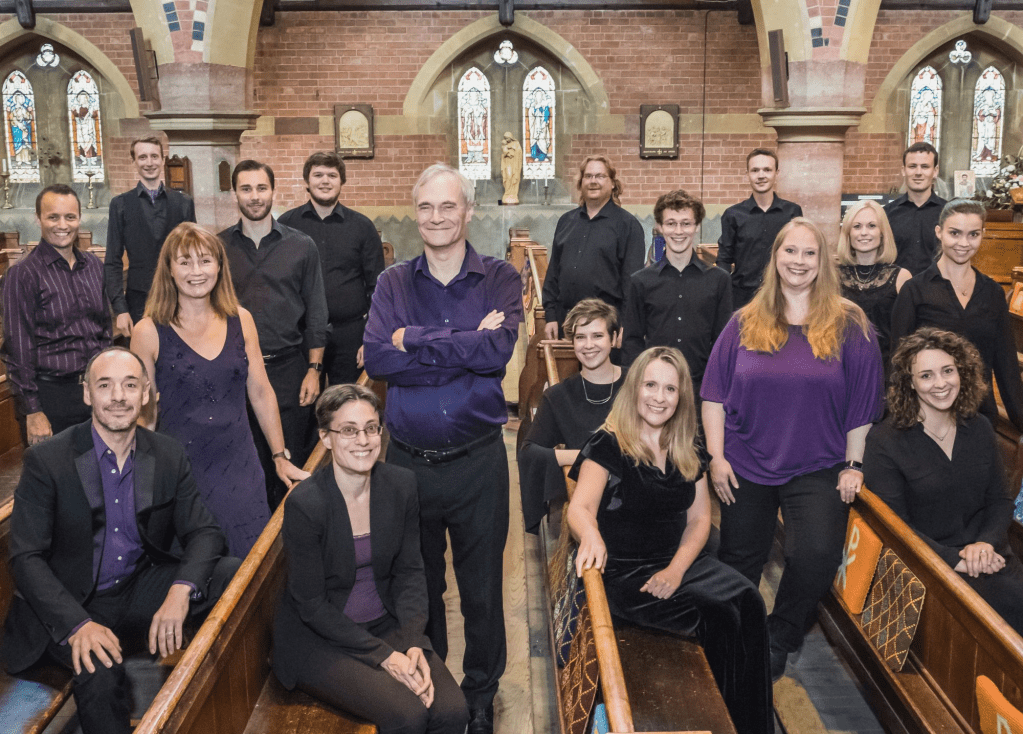
Caritas Consort

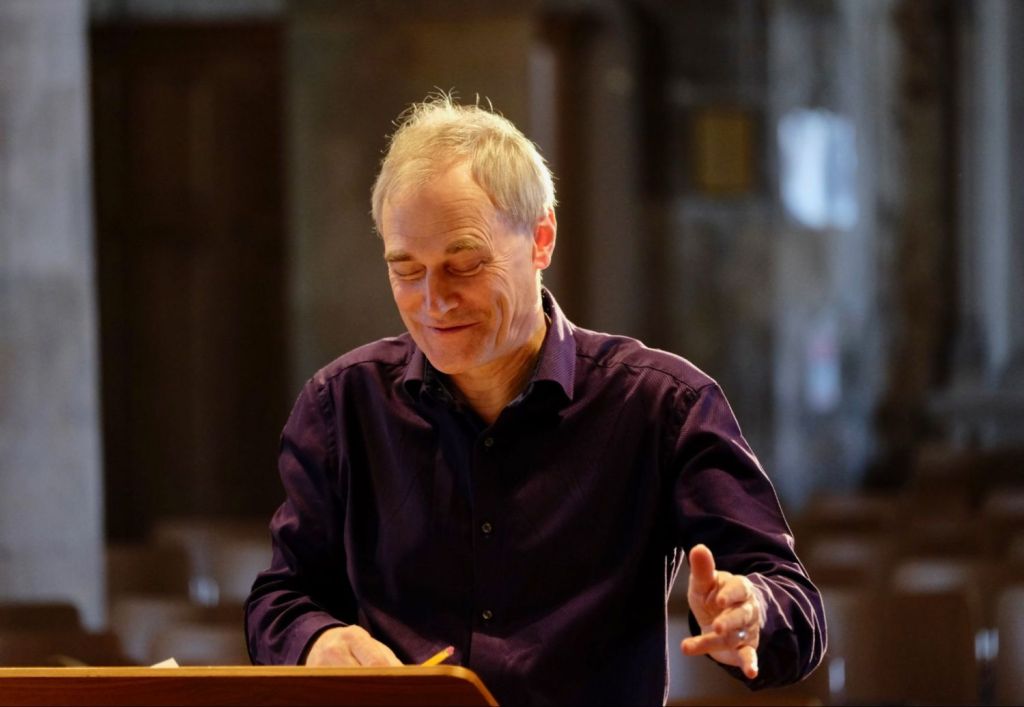
Conductor – Lindsay Gray

Organist – Claire Alsop

Susanna Gray-Jones says, ‘The anthem’s soaring melody aims to reflect and celebrate the contribution Lindsay has made to choral music, both as a singer himself, choral conductor and in his various roles as a headmaster and as a former director of the Royal School of Church Music. The poignant words by Gordon Giles, Canon Chancellor of Rochester Cathedral, reflect on music, faith and spirituality and we hope will make an enjoyable and meaningful liturgical anthem, as well as being hopefully fun to sing. I’d like to thank Lindsay for being an incredible father – for me that includes being my singing coach, headteacher, cricket bowling coach, business support coach, choir conductor, counsellor and grandad to our children. Happy 70th birthday Dad!’

The music is available via YouTube, Spotify and other major streaming networks.

The sheet music is available from Encore Publications www.encorepublications.com

ABOUT CARITAS CONSORT

Caritas, Latin for ‘charity’, is a chamber choir based in Cardiff. They perform a range of music, unaccompanied or with organ, from the Renaissance period to the present day. Formed of professional and other high-quality singers, all members give of their own time and aim to raise at least £1,000 per performance for charitable organisations and good causes.

Since their first performance in March 2013, Caritas have presented 49 concerts and events, building a large and wide-ranging repertoire of over 300 pieces as well as raising over £63,000 for 66 charities and other good causes. With the release of May The Spirit Sing in your Heart, Caritas will be fundraising for the Cardiff Branch of Samaritans. 
www.caritasconsort.org

www.thomashewittjones.com

A nerd is a person seen as overly intellectual, obsessive, [or] introverted…. Such a person may spend inordinate amounts of time on unpopular, little known, or non-mainstream activities, which are generally either highly technical, [or] abstract….to the exclusion of more mainstream activities – Wikipedia definition

The world of classical music is full of nerdy people, especially amongst its audiences. These people are also called fans, enthusiasts, geeks, obsessives or weirdos, depending on your particular point of view; most niche activities attract their own set of nerds – from cycling (I live with one) to computing, knitting to classical music.

There is nothing wrong in being a classical music nerd, and indeed being one may have some distinct advantages:

1. Enhanced listening skills. Being a classical music nerd means that you listen to music more actively and attentively. You are more likely to notice the nuances and subtleties of the music, including the dynamics, phrasing, and timbre. This can help to enhance your overall listening skills and make you a more discerning listener.

2. Increased cultural knowledge: Classical music is a rich and diverse art form with a long and fascinating history. As a classical music nerd, you will gain a deeper understanding and appreciation of the music, as well as the cultural and historical contexts in which it was created. This can help to broaden your knowledge and understanding of the world around you.

3. Improved cognitive function: Studies have shown that listening to classical music can improve cognitive function and enhance brain activity. As a classical music nerd, you are more likely to engage with the music in a way that stimulates your brain and improves your cognitive function.

4. Greater emotional intelligence: Classical music is renowned for its ability to evoke strong emotions in listeners. By immersing yourself in classical music, you can gain a greater understanding of the emotional content of music, which can help to improve your emotional intelligence and empathy.

5. Community and social connections: Being a classical music nerd can also provide you with a sense of community and social connections. Attending concerts, joining music groups or societies, and engaging in discussions with other classical music enthusiasts can help you to connect with like-minded individuals and develop new friendships and social networks.

Classical music nerdery also helps to debunk the notion that classical music is elite and shameful and exclusive to the select, highbrow few. Most classical music nerds are ordinary people who simply have a real passion and enthusiasm. Concert venues and promoters should actively support and encourage these people are they are the ones who are often the most regular and ardent concert-goers, who book a whole swathe of Prom concerts as soon as the new season is announcement, and support their favourite artists by attending concerts, not just in their home country but abroad too. While some classical music nerds may be regarded as “sticky fans”, there is no doubting their commitment – an addition to regularly attending concerts, these people also help spread the word by sharing their enthusiasm with others.

So if you’re a classical music nerd (as I am – and have been since my teens), don’t be shy. Embrace your nerdery and share it with others: you’re doing classical music a huge favour!


If you enjoy these articles and would like to support this site, why not

In the latest episode of my Piano101 Podcast series, I meet Marc Yeats, landscape artist and composer, to talk about creativity, interpretation, artistic intent and more…..

Find previous episodes here

Audio only

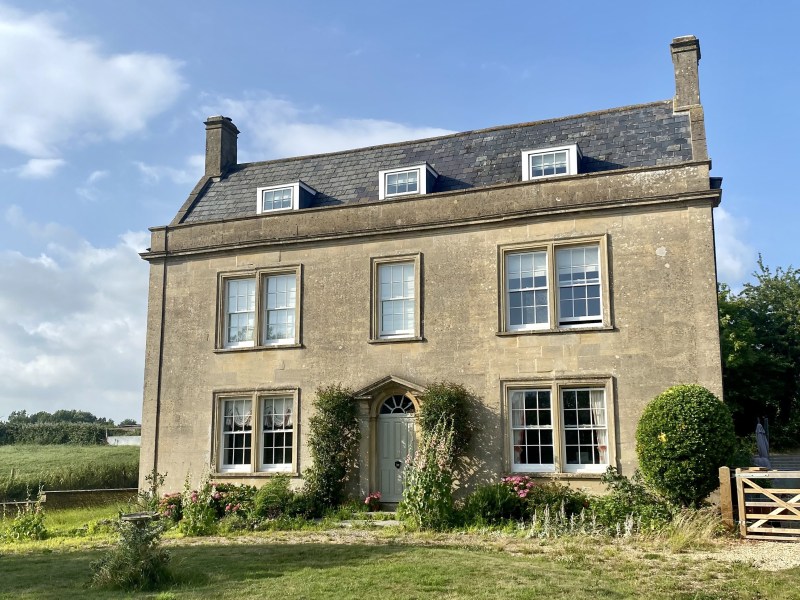
While others headed to the grander country house operas at Grange Park or Glyndebourne, we drove from the very bottom of south-west Dorset to south Somerset for an evening of music and words at Wyke House, an attractive Georgian farmhouse set in 7 acres of grounds in the village of Wyke Champflower, near Bruton.

Wyke House

A narrow winding lane dotted with helpful hand-painted signs directing us to “Opera” led to a couple of marshalls who directed us to a field to park the car. Crossing the lane, we were met by Poppy, chatelaine of Wyke House and host of the event, who suggested a sunny spot in front of the house where we might like to picnic. A quick ticket check and, glass of complementary fizz and programme in hand, we wended our way down a path mown through the grass to a dingly dell next to a lily pond where the first act would take place. A simple twisted branch arch and straw bales adorned with velvet cushions provided the set; nearby a quartet of musicians were settling in. The audience drifted in, chatting, laughing, some clutching already-opened bottles of Prosecco…. We assembled in this casual auditorium on straw bales, garden seating, picnic chairs….and the performance began.

Purcell’s ‘The Fairy Queen’ isn’t really an opera: this “Restoration spectacular” is an anonymous adaptation of Shakespeare’s A Midsummer Night’s Dream. Purcell’s didn’t actually set any of Shakespeare’s words to music but instead created a series of short masques for each act of the play. In this performance at Wyke House, poems were interspersed with the musical episodes, which in themselves created the sense of a modern masque.

The singers and musicians are all highly respected performers, who work with some of our leading ensembles (the Orchestra of the Age of Enlightenment, Scottish Opera, Glyndebourne Touring Opera, the Dunedin Consort, ENO, Garsington Opera, amongst others), and who specialise in Baroque and Classical repertoire. Performing outdoors can be challenging and a stiff breeze competed with musicians and singers in the first half, adding to the bucolic ambiance of the event. Impressive projection by all four singers ensured that almost every word was audible, and beautifully enunciated. There was also some very impressive ensemble singing between the four of them: the sweet, elegant voices of the two sopranos Amy Carson and Emily Vine melded wonderfully with tenor Thomas Hobbs, whose warm voice was complemented by Timothy Dickinson’s resonant bass.

A relaxed picnic interval on the lawn followed before we were directed to a different setting for the second part of the evening. Now lanterns and fairy lights garlanded branches of fruit trees, flares lit the path and braziers provided some additional warmth for those who had come without a blanket. Now the wind had dropped, and the smaller size of this pastoral ‘stage’ offered a charming intimacy for more musical and poetic delights.

This was an impressive and hugely enjoyable evening, undoubtedly enhanced not only by the superb performances but also the lovely rural setting and relaxed ambiance. From a practical point of view, it was also extremely well-organised: it was easy to purchase tickets online or on the door on the day, the carparking was easy and there were even proper loos. I know from my conversations with bass Timothy Dickinson that they have performed at Wyke House before and I do hope this becomes a regular venue: it’s a real gem for music and opera lovers in the west of England and is also a valuable platform to showcase performers based in this part of the world and to celebrate the musical talent we have here in the west.

Driving back to south Dorset, the almost-full moon lighting our way for the final part of our journey, we saw a hare, a barn owl and innumerable bats.