The adult ‘returner’ pianist

I’m a returner pianist – and maybe, if you’re reading this article, you are too and therefore what follows will chime with you. Or perhaps you are thinking of taking up the piano again after a long absence (as I did), in which case you should definitely read on…..

I played at a piano club recently and during the coffee break someone asked me if I was “a professional pianist”. This gave me a momentary glow of pride – evidently I had “made an impression” – and I know that many amateurs dream of reaching the dizzy heights of ‘professional standard’ in their playing. It’s one of the things that keeps us motivated to practice; alone with that box of wood and wires we dream of playing to a full house to the Wigmore or Carnegie Hall.

So I replied that no, I was an amateur pianist, an adult ‘returner’ and that I had given up the piano at the age of nineteen, returning to it just shy of my fortieth birthday with an all-consuming passion for the instrument, those who play it and its vast and varied literature. (You can read more about my return to the piano at the end of this article.)

The world of the adult amateur pianist is a curious one – at once rich, vibrant and varied, but also obsessive, anxious and eccentric. But above all, it is inspiring, and in my encounters with other adult pianists, through my piano group and on piano courses, I come across myriad stories of triumph over adversity, personal tragedy and dogged determination, of unhappy childhood lessons abandoned only to rediscover the joy of the piano later in life, of exam successes and failures, the frustrations and pleasures of practicing, and the fear and thrill of performing, but what runs, fugue-like, through all these accounts is a genuine and often profoundly deep passion for the piano.

When you tell people you’ve taken up the piano again they always ask, “Are you any good?” And I never know quite what to say. Some days when my spirit and fingers are in sympathy with each other, I think I make a reasonable sound. On other days, spirit and fingers aren’t on speaking terms and the result is fumbling, dismal, depressing.

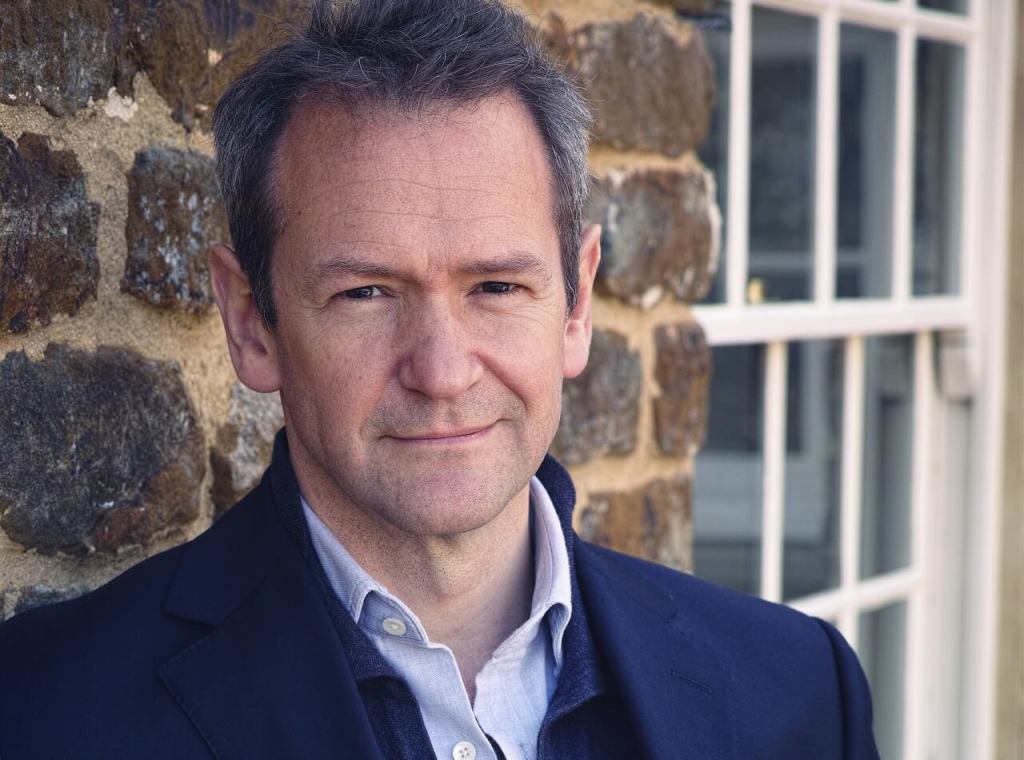
Alan Rusbridger, journalist and amateur pianist

When I put out a call for contributions to this article via Twitter, I was deluged with responses, as varied, fascinating and moving as the literature of the instrument we play. What follows are just a few of the responses, but what they demonstrate is that, while there are some obvious common threads, our reasons for returning to and playing the piano are often deeply personal and hugely meaningful to us as individuals, and that our passion for the piano is all-consuming. Never forget that the word “amateur” derives from the Old French word meaning “lover of” from the Latin amator: all the amateur pianists I meet and know play the piano because they love it and care passionately about it. Our love drives our commitment to the instrument – amateur pianists are possibly the most dedicated practicers – and many of us are absorbed by a compelling need to get better, to progress, to master. It’s a lonely road to travel, which is why piano clubs and courses are so popular for the opportunity to meet others who are similarly driven and obsessed. Those of us who commit to the journey do so willingly; it’s an ongoing process, one which can provide immense satisfaction, stimulation and surprising creativity.

musical20instrument20piano20with20decoration20garland20of20hearts20concept20love20wallpapers204

That is not to say that professional pianists don’t love the piano too – of course they do, otherwise they wouldn’t do it, but a number of concert pianists whom I’ve interviewed and know personally have expressed a certain frustration at the demands of the profession – producing programmes to order, the travelling, the expectations of audiences, promoters, agents etc, which can obscure the love for the piano. Because of this, professionals are often quite envious of the freedom amateur pianists have to indulge their passion, to play whatever repertoire they choose and to play purely for pleasure.

Now, back to those inspiring adult returners…..

My primary reason for returning was that both my parents had lived the last ten or twelve years of their lives with advancing dementia, as well as some second degree relatives. I thought the best way to really work my brain was to go back to playing music. The secondary reason was to help relieve stress which was something my piano teacher had told me I would need at some point in my life……For me, having started to suffer the lacunar strokes in my family history which have a type of dementia related to them, I keep hold on the fact that the part of the brain the works with music is usually the last to fail. I still feel that playing the piano is probably one of the best avenues to take to keep working the brain. Apart from that I simply love playing again. – Eleanor

It was the death of an uncle which prompted me to return to the piano. He was very musical, and after he died my other uncle asked me whether I would like his piano, a rather fine Steinway grand which had been in the family for ages. However, grand pianos are somewhat incompatible with the three bedroom semi in which I live, but it did remind me how much I’d enjoyed the piano. I was lucky enough to be left some money in his will, and with that I bought a Yamaha upright with silent system fitted. I wanted a proper acoustic, but I have young children so a silent system means I can practice at night after they are in bed. I have lessons once a fortnight and they are completely indispensable for my enjoyment

– Sarah

I studied music at university and did two years of a performance major but struggled with various chronic injuries and dropped out as a result (I had two operations and had seen many medical specialists in attempt to resolve these problems). I then “sold my soul” to capitalism and started a business, following which I continued along a corporate career. I had always dreamed of getting back into playing but my schedule was punishing and not at all conducive to playing. I started to play again and unfortunately ended up with RSI (tennis elbow) which swiftly ended my return to playing. Then a few years later I managed to extricate myself from the corporate world and…..I managed to start playing again and although I had some niggles from the RSI, was able to play around 0.5 – 1 hrs a few days a week. I also started going for lessons with [a teacher who] focussed very much on reducing tension…..and I realised how much of my injuries came down to poor technique and tension. I wish a greater emphasis had been placed on this when I was a music student because while [my teacher] helped me find a much more natural, comfortable way to play, it was already too late and my RSI flared up again to the point where a few minutes of playing would leave me in agony for days. It was devastating after so long of trying to be in a position to have the time to play that I wasn’t able to. A few years later (whilst consistently seeing medical specialists and trying various approaches) I managed to have a breakthrough in which I was able to slowly start playing again, a few minutes every second day and was able to gradually build up. This was a useful exercise in that I had to be more focussed on practising effectively given the limited time available. Despite being told by numerous doctors that I wouldn’t play again, I’m now able to play for up to an hour on some days. This has been sufficient to learn some new repertoire and to perform in some amateur meet-up groups which has really been a wonderful experience. In fact, once I was able to let go of the inner critic (as a former music student, the inner critic remains highly developed even though one’s technical ability wanes without practice!), I couldn’t believe how much I enjoyed playing. It would have never have occurred to me all those years ago when I dropped out of university that I’d be able to derive so much enjoyment out of playing as an amateur.

– Ryan

I originally started piano lessons aged 13, of my own volition; I’d had one of those 80s electronic keyboards that were all the rage back then, and wanted to progress to something more substantial. My progress was very slow, however, and ultimately not very fulfilling. I managed to pass my Grade 1 but found the exam experience stressful. I think a lot of it had to do with the prescriptive way children are typically taught: everything was just scales, sight reading and set pieces that weren’t especially fun or engaging to play. Nearly twenty years later, I was in a piano bar on holiday, and the pianist was playing modern music set to piano. It was beautiful, and I felt a sense of regret that I had abandoned such a beautiful instrument. On returning home, I did a spot of research and found that digital pianos had come on a long way in the intervening years and were now touch-sensitive with weighted keys and even a sustain pedal. I took the plunge, ordered a decent model (the Yamaha P115) and signed up for lessons with a local teacher. It’s been a wonderful decision, and I have fallen in love with playing. It’s still small steps, but I practice regularly and have actively witnessed improvement in my own playing.

– Colin

I discovered classical music as a teen (Bach) and started taking lessons. I wanted to be a composer, and eventually became a composition major at a local university. Having started late, and not having received family support and good advice from those who did support me, I let my insecurities defeat me, and I ended up getting a degree in English. Decades later, we inherited a spinet from a relative, and I found my passion once again. I finally have a good teacher, and am making progress toward being the pianist I wanted to be.

– Bob

And what of me, the author and creator of this blog who through my activities tries to support and advocate for amateur pianists? Discouraged from applying to music college with the suggestion that I wasn’t “good enough”, I threw myself into other studies (Medieval English), followed a non-musical career path for 10 years, while setting up home, getting married and starting a family. But in my late thirties, when my son was about eight, my mother bought me a digital piano and urged me to start playing again. So I dug out the music I had loved as a teenager – music by Bach, Mozart, Beethoven, Schubert, Debussy – and also some I had hated: Chopin’s Nocturnes. I fell in love with Chopin’s music; coming at it as an adult with a greater degree of life experience, I found it vivid, beautiful, passionate, poignant – and incredibly satisfying to play. I also returned to Schubert’s Impromptus and Moments Musicaux, music I’d first started playing (badly!) at the age of about 12 when my mother bought me an Edition Peters score of this music, having heard Alfred Brendel play the Impromptus in concert. Within a couple of years, I was teaching piano to the children of friends and acquaintainces I’d met via my son’s primary school, and in 2007, my husband bought me a proper acoustic piano. The instrument arrived, and I spent hours and hours playing it and learnt the first movement of Schubert’s final sonata – in a day. Within eighteen months I was having lessons again with a sympathetic teacher who improved my technique beyond recognition and built my confidence. When she suggested I start looking at Chopin’s Etudes and Ballades, I knew I had reached a significant point in my piano journey – I felt I was now a “real” pianist – and she supported my decision to take a professional performance diploma (in fact, I took two and passed both with Distinction, under her guidance). Meanwhile, I had started writing this blog, initially to record my thoughts about the experience of playing the piano again, music I was enjoying at home and at concerts. (I had no notion of how successful and popular this blog would become in the subsequent 10 years.) Today I work in music: I’m not a professional pianist, but I am a ‘music professional’ (a writer, blogger, teacher and, more recently, a publicist working with musicians, and concerts manager), and everything I do now goes back to that decision to return to the piano at the age of 39. I’ve forged firm friendships through piano courses and clubs, and made significant connections with professional pianists, teachers, bloggers and others, and I know I would not given up this life for anything now.

My piano journey has been relatively straightforward compared to some of the accounts of other adult returner pianists, but we are all on our own personal path, some of us supported by teachers, others choosing to “go it alone”, but all driven by a common, consuming passion for the piano.


If you have enjoyed this article, and other content on this blog, please consider making a donation


Finchcocks has announced 20 new piano courses for 2020

* Courses will be taught by internationally recognised tutors, including Graham Fitch and concert pianists Warren Mailley-Smith and Tom Poster

* Choose from a range of beginner, intermediate and advanced adult courses, from ‘Music and mindfulness’, ‘Managing Performance Anxiety’, ‘Chopin and Rachmaninoff’ and many more

Learning a new skill is the 6th most popular New Year’s resolution according to YouGov; so this new year, why not try a piano course at Finchcocks?

20 piano courses for 2020

Finchcocks has released 20 piano courses for 2020, ranging from complete beginner classes to those for intermediate and advanced players.

For those looking to work on self-care, the Music and Mindfulness retreat in February will take your worries from major to minor. The course focuses on the relaxing nature of playing piano with the restorative effects of yoga to provide a blissfully relaxing weekend escape. It’s hosted by internationally recognised concert pianist Tom Poster and his wonderful Yogi wife, Elena Urioste.

Looking to hone specific skills? The Managing Performance Anxiety or Applied Theory Course may be just the ticket. Neil Nichols, owner of Finchcocks, said: “For anyone feeling like they need to brush up their understanding of harmony and notation, we have also created a dedicated music theory weekend – based on the ABRSM grade 5 syllabus – and brought to life with practical examples and tips on how it can make you a better player.

Warren Mailley Smith, who famously became the first British pianist to perform Chopin’s complete works for solo piano from memory back in 2016, is also hosting composer-specific courses at Finchcocks, ideal for those who love the music of Chopin or Rachmaninoff.

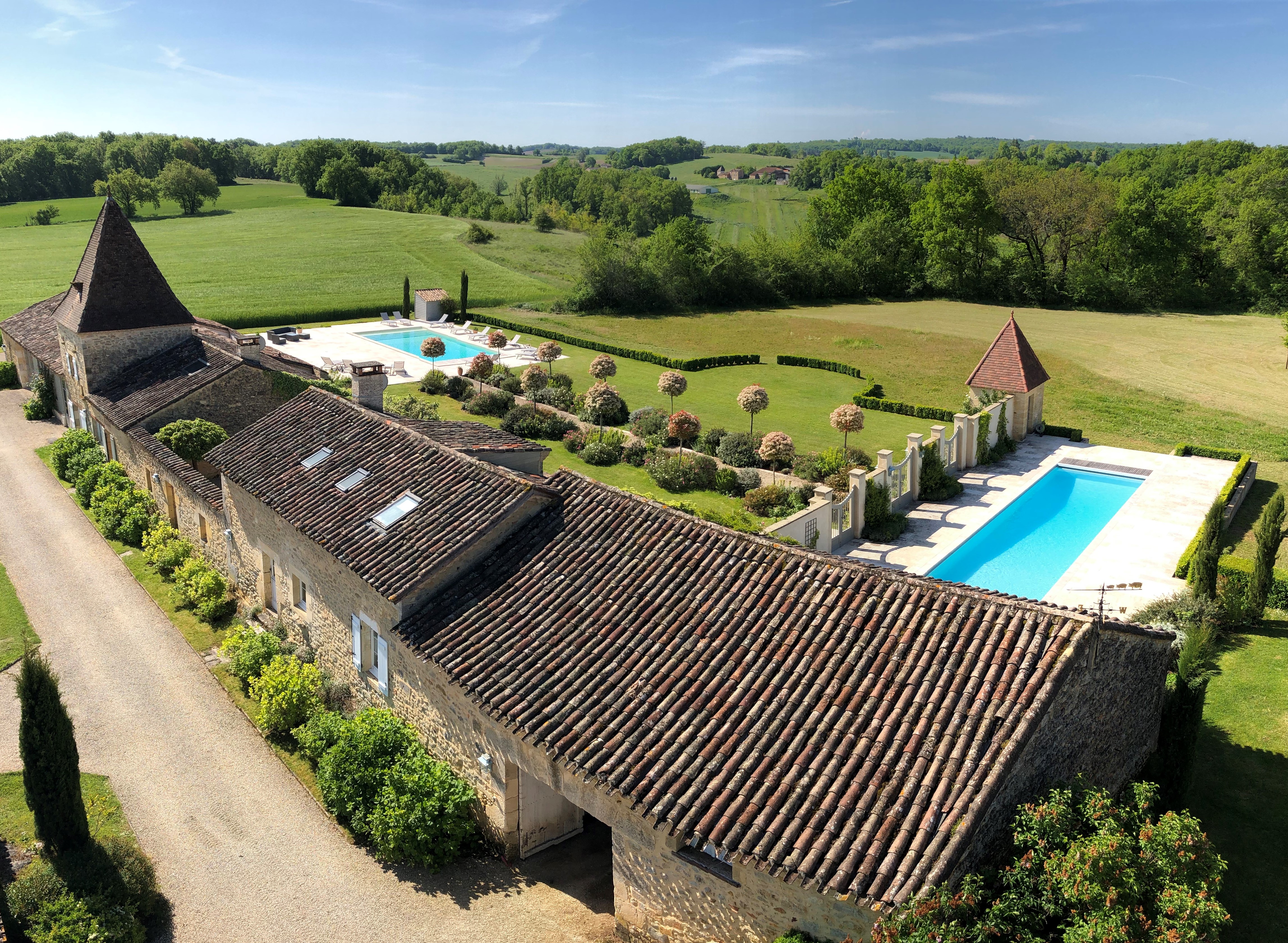
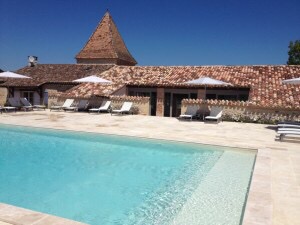
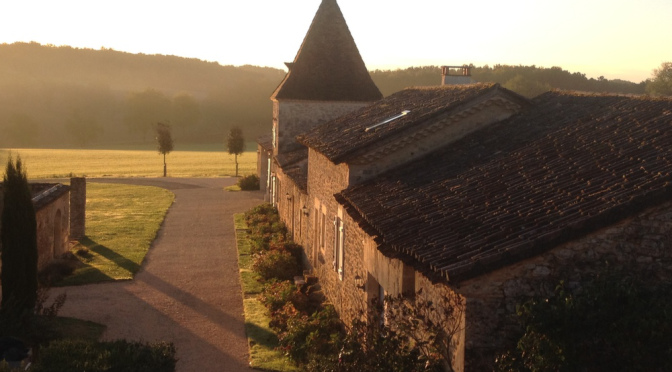
No summer holiday plans just yet? Why not combine piano practice with a staycation and enroll in one of Finchcocks’ five day summer courses. Guests of the piano school stay in complete tranquility and are free to roam the picturesque manor grounds between practice.

The majority of courses take place Friday to Sunday (unless otherwise stated). All courses include boutique accommodation, delicious food cooked by Finchcocks’ private chef, wine and world-class tuition.

Full details of all 2020 courses here

Finchcocks piano courses allow adults to revisit an old hobby and rediscover the enjoyment all over again. It’s extremely easy nowadays to get lost in the hustle and bustle of life, but taking some time out for the piano is really good for the soul – as well as our memory and mental health

Neil Nichols, owner of Finchcocks


Finchcocks has had an interesting cultural and musical history over the years.

After standing for two centuries in the midst of glorious parkland and surrounded by hop-gardens in idyllic tranquillity, the arrival of the twentieth century and the First World War brought tougher times. Siegfried Sassoon was a regular guest, and adored “the wide and slippery oak stairs” and the “gracious red brick front of the house”. But the house was eventually requisitioned by the army during the Second World War and suffered a period of prolonged neglect.

Its fortunes improved dramatically when Richard and Katrina Burnett purchased the house in 1971, and set about restoring the property to its former glory. Their interest wasn’t just in the historic Grade 1 listed building, but in establishing a collection of historical keyboard instruments, which over the course of the subsequent 50 years, gained an international reputation and uniquely offered visitors from around the world the chance to play every instrument on display.

When the museum closed in 2015, many feared the music might stop and the lights might go out forever.  But in 2016, Finchcocks was purchased by Neil and Harriet Nichols, who were determined to keep the music going.

2019-04-07-Finchcocks-Piano-school=Ed-Ovenden-257

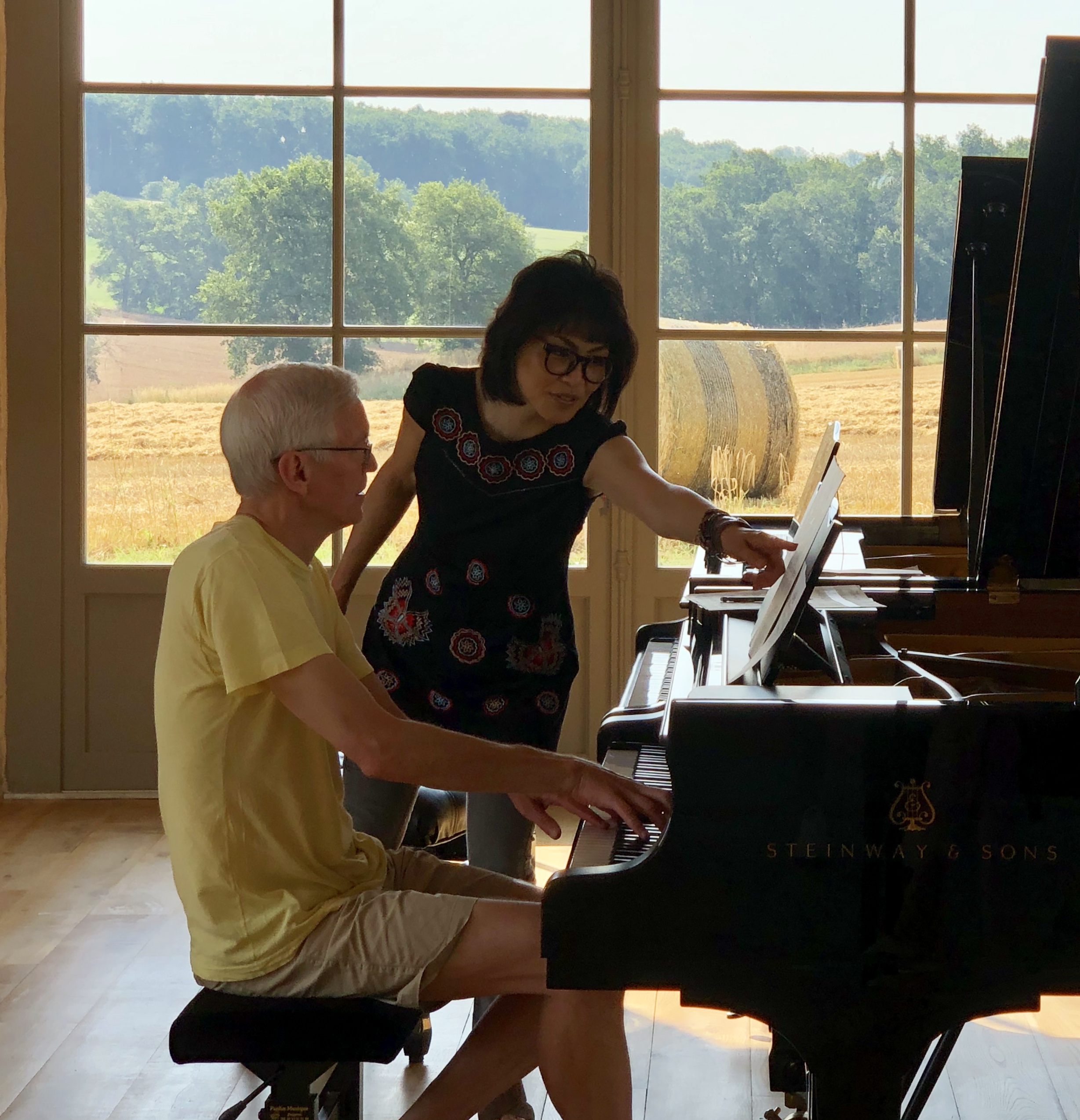
Since establishing the piano school early in 2017, the newly established musical venture has received rave reviews. The BBC music magazine described it as “Paradise for pianists”, with the Sunday Times, the Spectator, the Pianist magazine and Classic FM all enthusing about the “luxury rooms”, “fine dining” and “incredible collection of grand pianos”, including the newly acquired Steinway Model B.

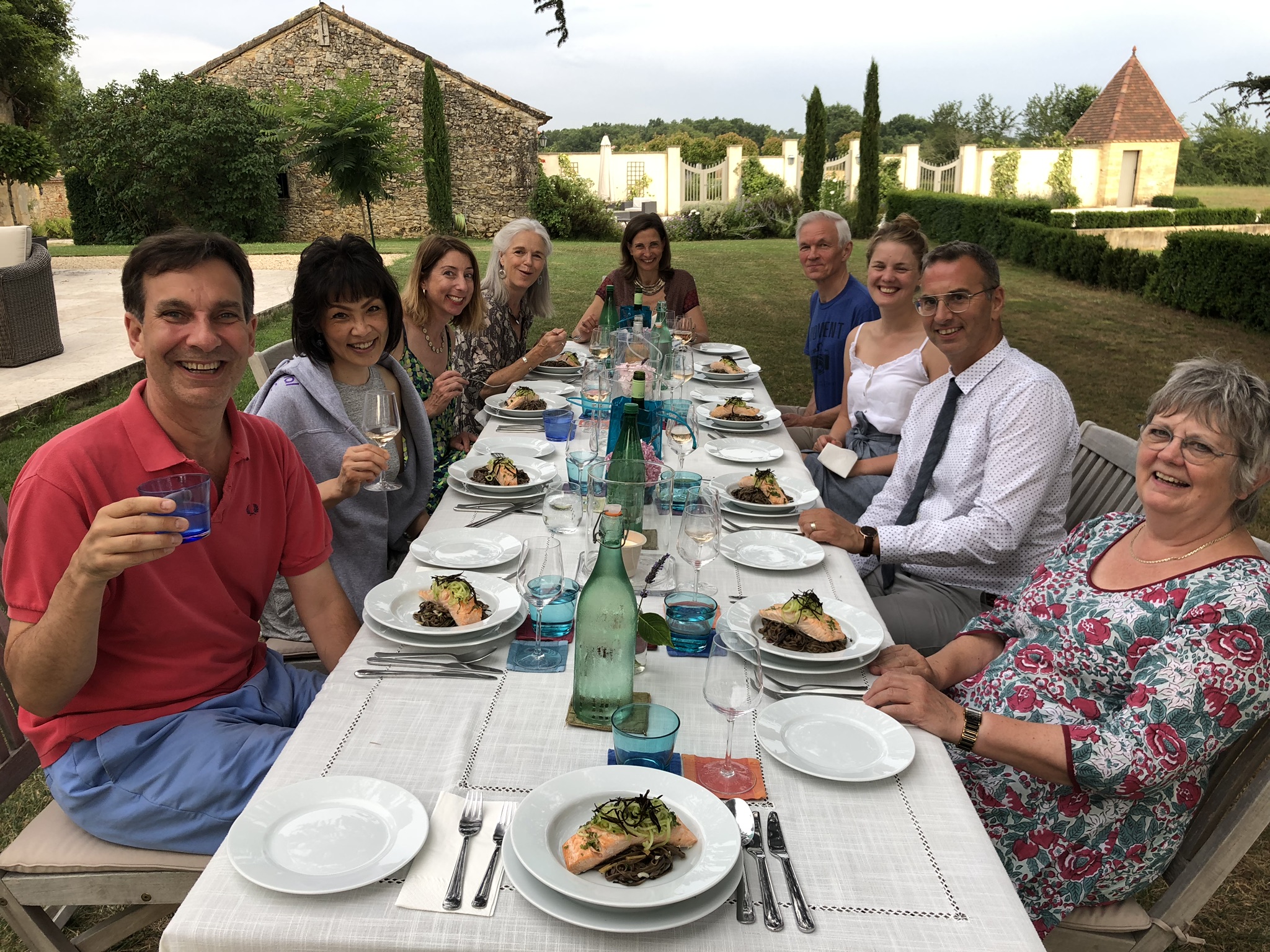
AndrewDunlopDinner2Feb19

Weekend course or summer course?

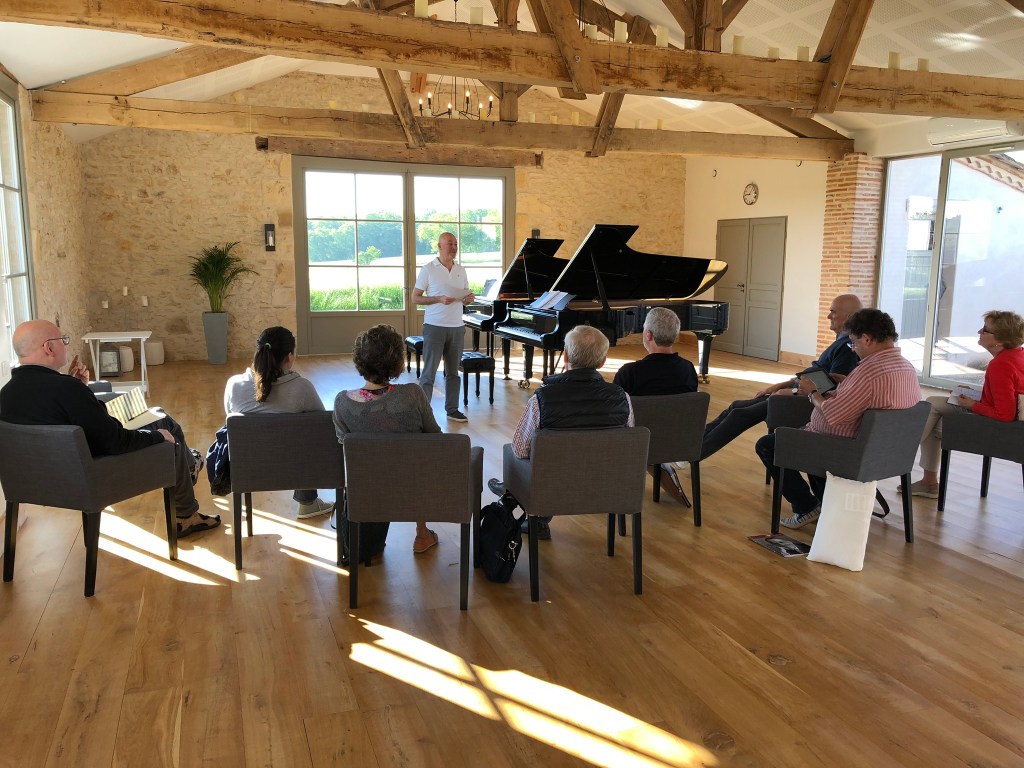
Finchcocks offers both weekend and summer courses at all levels. Guests come from all over the world – some seeking to re-immerse themselves in the world of piano playing after a gap of a few decades, and others working hard towards and exam or a performance diploma.

Weekend courses consist of a mix of workshops to develop technique, masterclasses (focussing on performance) and individual tuition. Each course includes an evening recital on Saturday night, locally sourced food prepared by the in-house chef, delicious wine and beautifully appointed en-suite bedrooms.

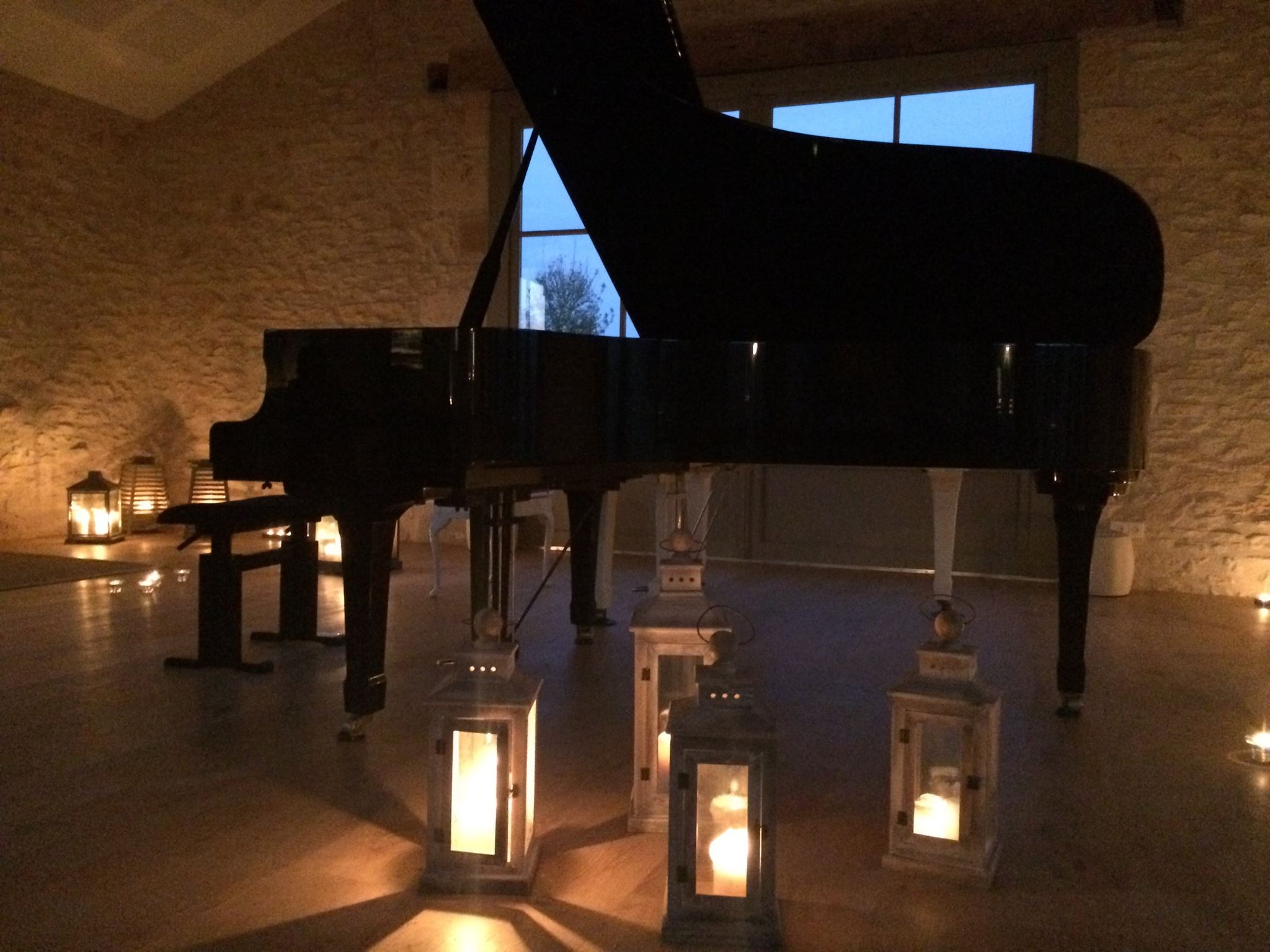
Each guest has will have the opportunity to play each of the 10 grand pianos at Finchcocks, and the chance to be inspired by some incredible tutors in the most magical of settings.

IMG_3122

To find out if there is a course that might suit you, email jenny@finchcocks.com, call 01580 428080 or have a look at the forthcoming piano courses on the Finchcocks website.


This is a sponsored post. All information and images are supplied by Finchcocks.

Disclaimer: The Cross-Eyed Pianist does not necessarily endorse organisations that provide sponsored posts which link to external websites, and does not endorse products or services that such organisations may offer. In addition, The Cross-Eyed Pianist does not control or guarantee the currency, accuracy, relevance, or completeness of information found on linked, external websites. However, every effort is made to ensure such information contained on this site is accurate at the time of publication.

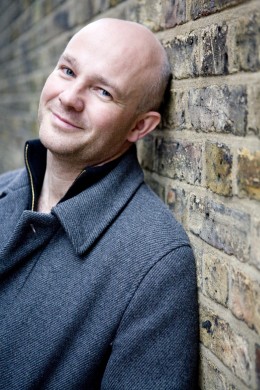
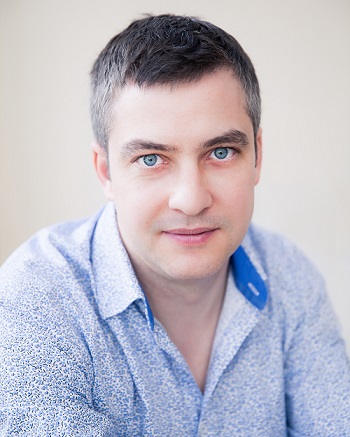
Who or what inspired you to take up conducting and pursue a career in music?

I would say it was a mixture of circumstances: parents, musicians, the environment in which I grew up, and an intuitive love for music and instruments. I was just a normal child until the turning point at the age of 13, when I made the decision to pursue a career in music (as a conductor). It engaged a personal responsibility for that decision, which was —and still remains —a motor in my professional life.

Who or what are the most significant influences on your musical life?

My father, who was a prominent Ukrainian composer, Ivan Karabits, and my teachers at the music academies in Kiev, Vienna and the Bach Academy Stuttgart. Today, I hugely respect musicians and personalities that remain true to themselves and “serve music” rather than their personal careers and ambitions. Artists I respect include: Yuri Temirkanov, Ivan Fischer, Mikhail Pletnev and a few others.

What, for you, is the most challenging part of being a conductor? And the most fulfilling aspect?

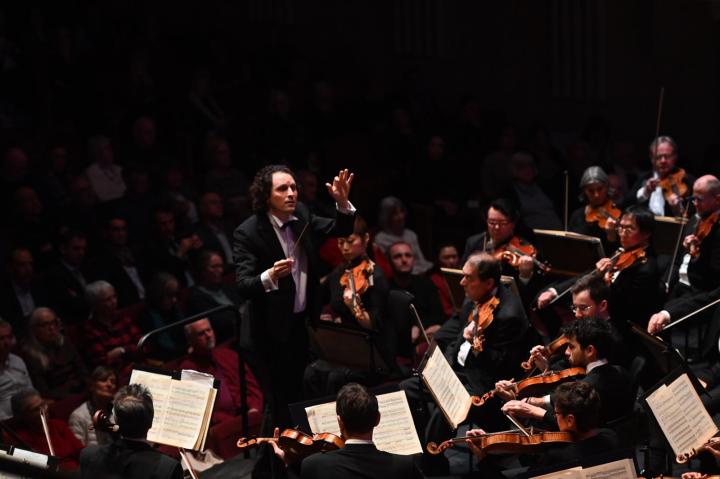
The most challenging part is the daily life of travel and inconstancy, and how to balance that with family and relationships, with friends and the close circle of relatives and colleagues. Also, keeping in good shape —physically and mentally —remains a challenge. The greatest fulfillment comes from music-making with great orchestras around the world, it simply breaks boundaries, and gives a feeling of being useful in changing the world for the better. Being Chief Conductor at the Bournemouth Symphony Orchestra (BSO), an orchestra with a clear mission to serve its communities throughout the South West of England, is great; we engage with all ages both on and off the stage.

As a conductor, how do you communicate your ideas about a work to the orchestra?

Through my gestures and expressions first of all, then come words.

How exactly do you see your role? Inspiring the players/singers? Conveying the vision of the composer?

My role is to put together several elements —the audiences, musicians in front of me and the composer’s message written in the score —and my job to make those elements collaborate and harmonically function together. The methods of achieving that harmony can vary: it might be inspiring musicians, or just helping them to play together; communicating more with the audience; and sometimes it just happens during the concert without any special effort, but it is rare. I’ve been Chief Conductor of the BSO for over 10 years now, and the way in which I’m able to work with the players has become gradually more instinctive, this has been one of the greatest achievements of my career and it’s a great feeling.

Is there one work which you would love to conduct?

I try to follow the principle that the work (a score) that is on my table today is the best and I would love to conduct it.

Do you have a favourite concert venue to perform in?

I like my home venue (Lighthouse, Poole) and other places with a warm atmosphere and audiences, like Musikverein, in Vienna, or the Lincoln Center in New York.

What are you looking forward to in the coming BSO season of concerts? Any particular highlights?

Every single concert is a highlight for me, but I especially look forward to conducting Elektra by Strauss (18 March, Poole, 21 March, Birmingham) and Schubert’s Symphony No. 5 (19 February, Poole, 20 February, Basingstoke). This year, we released recordings of music by Terterian and Lyatoshynsky on Chandos, as part of our Voices from the East series. I’m really looking forward to exploring music by Chary Nurymov with the BSO in a programme that also features Mahler’s Fifth Symphony, in May.

As a musician, what is your definition of success?

Success to me is when at least one member of the audience comes away having felt special during your performance. Also success is a feeling that your dreams come true.

What do you consider to be the most important ideas and concepts to impart to aspiring musicians?

Being honest.

What is your idea of perfect happiness?

Perfect happiness to me is a state of mind when you love yourself and every moment of your life as it is.


Kirill Karabits is Chief Conductor of Bournemouth Symphony Orchestra. Forthcoming performances include: Handel’s Messiah(18 December, Poole), Beethoven 250 (29 January, Poole, 1 February, Barbican Centre, 22 February, Sage Gateshead), Haydn, Mendelssohn, Schumann and Schubert with Jeremy Denk (19 February, Poole, 20 February, Basingstoke), Richard Strauss’ Elektra (18 March, Poole, 21 March, Birmingham)

For full details see bsolive.com


(photo by Konrad Cwik)


71tdcq35aal._ss500_Russians Alexey Stanchinsky and Alexander Scriabin are featured on Darkness Illuminated, a new disc on the Ulysses Arts label by Uzbek pianist Nafis Umerkulova. Here she seeks to put the obscure Stanchinsky in the spotlight alongside his far more famous contemporary, Scriabin, and the album comprises works by both composers written over a 17-year time period from 1894/5 until 1912, allowing the listener to appreciate how each composer’s oeuvre developed over time while also comparing and contrasting their music.

Such was Stanchinsky’s artistic gift that many believed he was destined to follow in the footsteps of that other great Russian Romantic composer Rachmaninov (he studied with Taneyev, who also taught Rachmaninov). But with his premature death at the age of 26, and the turmoil of the First World War, the Russian Revolution and the subsequent Soviet Regime, Stanchinsky fell into obscurity, and has since been thoroughly overshadowed by his more famous contemporary, Scriabin.

Both composers come from the great nineteenth-century European Romantic tradition, and the influence of Chopin is especially clear in their piano miniatures (one could easily mistake some of Stanchinsky’s Preludes and the Nocturne on this disc for Chopin). These are deeply lyrical, sensitive works, often introspective and intimate, and the later sets reveal more experimental writing, with forays into counterpoint, unexpected harmonies, modality and idioms drawn from Russian folk music. But perhaps the most striking work is the Piano Sonata in E-flat minor which opens this album. Cast in a single movement, with all the richness and virtuosity of Rachmaninov, it is a homage to Scriabin and shares many of the features of Scriabin’s piano sonatas with its fantasy-like structure, colourful harmonic palette and wide-ranging ideas, including a slow section in the major key which could be influenced by American folk music. It’s an impressive opening and Nafis gives this big-boned work full rein, allowing its myriad concepts to flow with a vibrant spontaneity.

Scriabin’s Preludes, Op 16 and 22, are wonderfully intricate, replete with Romantic elegance and lavish lyricism, each Prelude with its own distinctive character. Hints of experimentation are already present, especially in his use of harmony and dissonance to suggest specific moods, and his mastery of tension and release. By the time we reach the two Poems, Op 32, in the latter part of the album, his experimental approach to texture and harmonic shading is clear; these are works which look forward to the atonality of Schoenberg.

This is a most satisfying album which works rather in the manner of a recital disc, and Nafis makes a strong case for both composers in her highly accomplished playing, a spontaneity and freshness which really suits this music, and a rich, warm direct sound, combined with her evident affection for this music.

Recommended

‘Darkness Illuminated’ is released on the Ulysses Arts label


Meet the Artist interview with Nafis Umerkulova