Ailsa Dixon’s sonata for piano duet Airs of the Seasons, is the latest work to be published by Composers Edition, in a new edition by pianist Waka Hasegawa. This is part of an ongoing project to bring Ailsa Dixon’s music to a wider audience; the publication of scores of her music coincides with the release of The Spirit of Love, a landmark recording of her chamber music and songs on the Resonus Classical label. (Find out more here)
Airs of the Seasons is in four movements, each prefaced by a short poem, evoking in turn the magical stillness after a winter snowfall, the first stirrings of spring, a dragonfly darting over the water in summer, and finally amid the turning leaves of autumn, a retrospective mood which recalls the earlier seasons and ends with the hope of transcendence in ‘Man’s yearning to see beyond death’.
The sonata was unperformed in Ailsa’s lifetime, but in the months before she died in 2017 the score was sent to pianists Joseph Tong and Waka Hasegawa, who would give the work its posthumous premiere at St George’s Bristol in November 2018. A week before her death, Tong wrote with the news that they were already rehearsing: ‘It is a beautiful set of pieces and each of the movements evokes aspects of the seasons suggested in the poems in an original and imaginative way – the musical language itself and the way in which Ailsa creates four-handed piano textures are absorbing and distinctive.’ For a composer who received very little recognition in her lifetime, it was a poignant indication that her music would survive her.
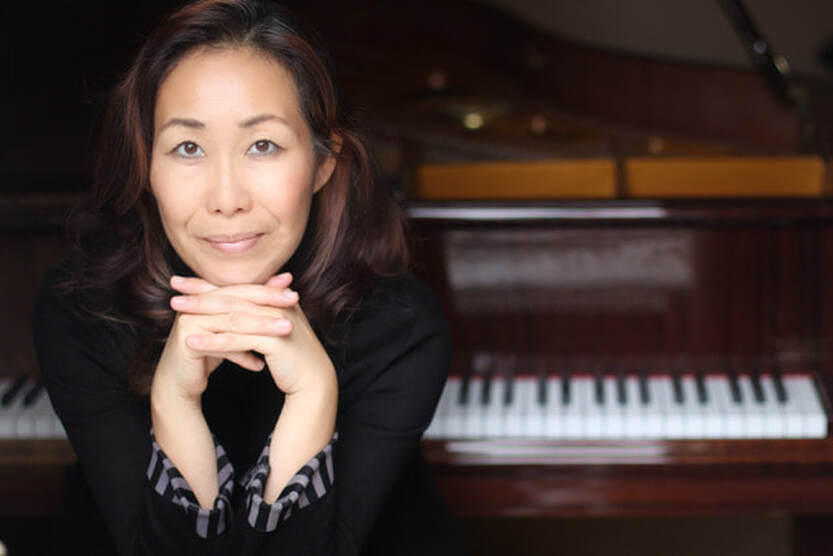
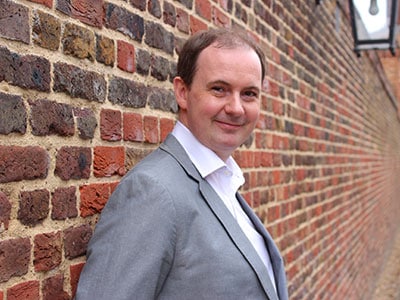
Waka HasegawaJoseph Tong
In a review of the premiere, Frances Wilson (AKA The Cross-Eyed Pianist) wrote ‘The opening chords of the first movement are reminiscent of Debussy and Britten in their distinct timbres, and the entire work has a distinctly impressionistic flavour. Ailsa’s admiration of Fauré for his “harmonic suppleness” is also evident in her harmonic language, while the idioms of English folksong and hymns, and melodic motifs redolent of John Ireland and the English Romantics remind us that this is most definitely a work by a British composer with an original musical vision. The entire work is really delightful and inventive, rich in imagination, moods and expression.’
Airs of the Seasons has subsequently been performed for Wye Valley Music in 2019, for Wessex Concerts at St Mary’s church in Twyford near Winchester in 2022, and in a concert in 2024 celebrating Ailsa Dixon’s musical legacy at St Mary’s College, Durham University where she studied in the 1950s.
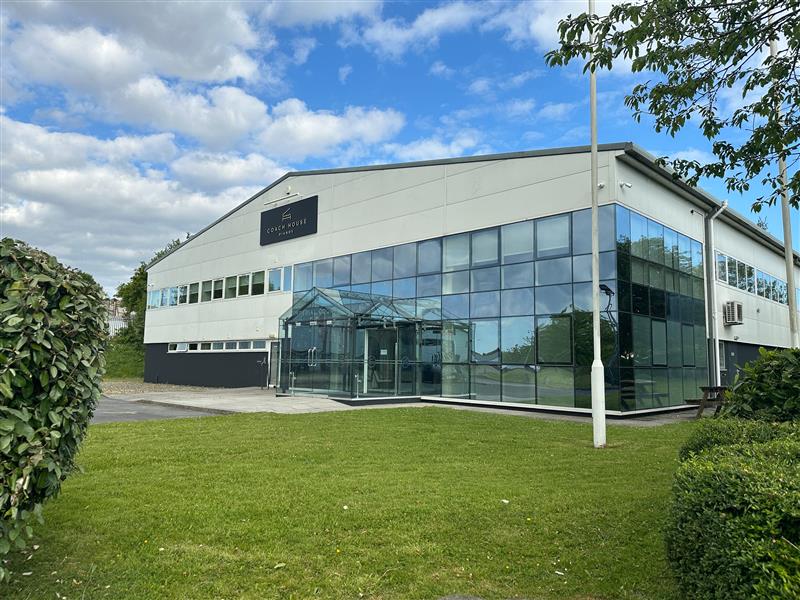
Coach House Pianos, one of the world’s leading piano specialists, has opened a new headquarters in Swansea, UK to coincide with its 40th anniversary.
The purpose-built facility is now the UK’s most advanced centre for piano preparation, selection and education, designed to serve musicians and educators across the globe.
From its beginnings in 1985, the family-run company has grown from its South Wales roots into an internationally recognised name, serving clients on every continent and attracting pianists and musicians from every musical genre, and the world’s leading teachers and educators. This new headquarters represents the next step in a journey defined by craftsmanship, innovation and service.
Managing Director Sam Rusling commented: “This advanced, cutting-edge facility ensures we continue to set the global standard of excellence in the piano industry, while delivering the same unmatched service and quality our clients have experienced for the past 40 years.”
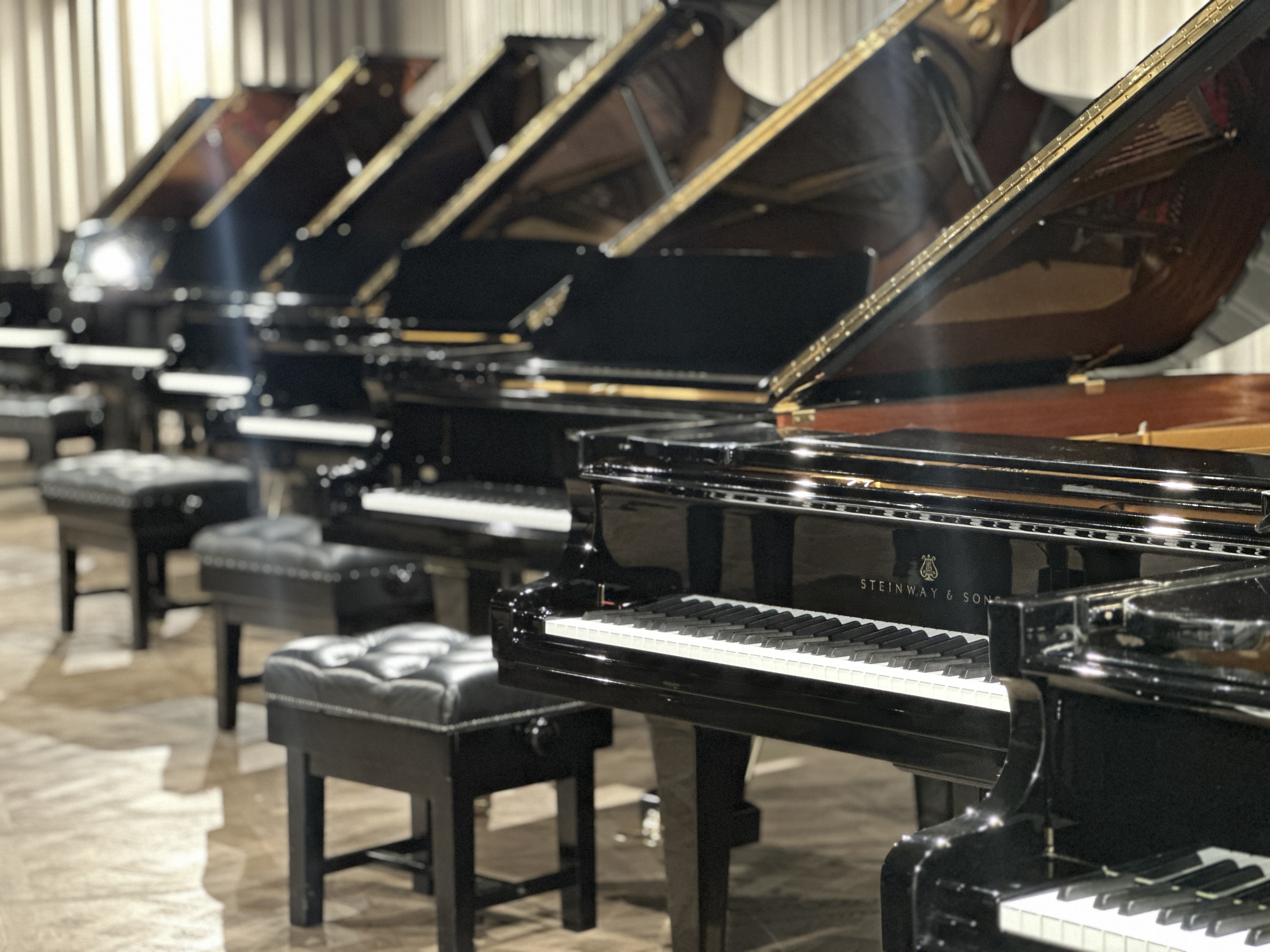
At the heart of the new centre is a collection of rare and historic pianos curated by founder Nick Rusling, including instruments once owned by royalty, legendary musicians and political figures.
The site also houses a piano technician training workshop, a recital venue, a digital piano experience hub, private selection suites and a pioneering studio for self-playing piano systems.
Head of Sales Dan Rusling reflects on the milestone: “This is especially meaningful as we celebrate having sold pianos to every continent. From installing an art case grand on the 10th floor of a Nigerian apartment block to adapting a piano for Bermuda’s subtropical climate, extraordinary detail and care goes into every delivery.”
Renowned pianist and historian Gary Branch added: “It’s been incredible to witness a South Wales-born business grow into one of the world’s most prestigious piano retailers, with its stunning London showroom and this new world-class restoration facility in Swansea.”
Grand Opening and 40th Anniversary Celebration
The official Grand Opening and 40th Anniversary Celebrations will take place on Thursday 30th October 2025 at 1pm. Guests will be welcomed to:
· Compare five of the world’s finest concert grand pianos side by side, including Steinway & Sons Model D, Bösendorfer 280VC, Yamaha CFX and Kawai SKEX
· Hear a keynote address from a distinguished guest speaker
· Enjoy a short recital by Tiffany Tiantian
· Take private tours of the showrooms, workshops and historic collection
· Join a celebratory lunch with leading figures from the music world
Members of the press, music professionals, piano lovers and industry partners are invited to attend this landmark event, celebrating 40 years of Coach House Pianos’ global contribution to music.
The Grand Opening and 40th Anniversary Celebrations will take place at Coach House Pianos HQ, Imperial Court, Felin Fach, Fforest-fach, Swansea SA5 4HF
The quirky mind of composer Erik Satie continues to inspire, amuse and annoy us 100 years after his death, and musicians still cannot quite decide what to make of him. For sure, they can’t ignore him, if only because his monumental Vexations is returning from obscurity in lengthy performances and recordings by well-known keyboard artists in Europe, the United States and Asia.
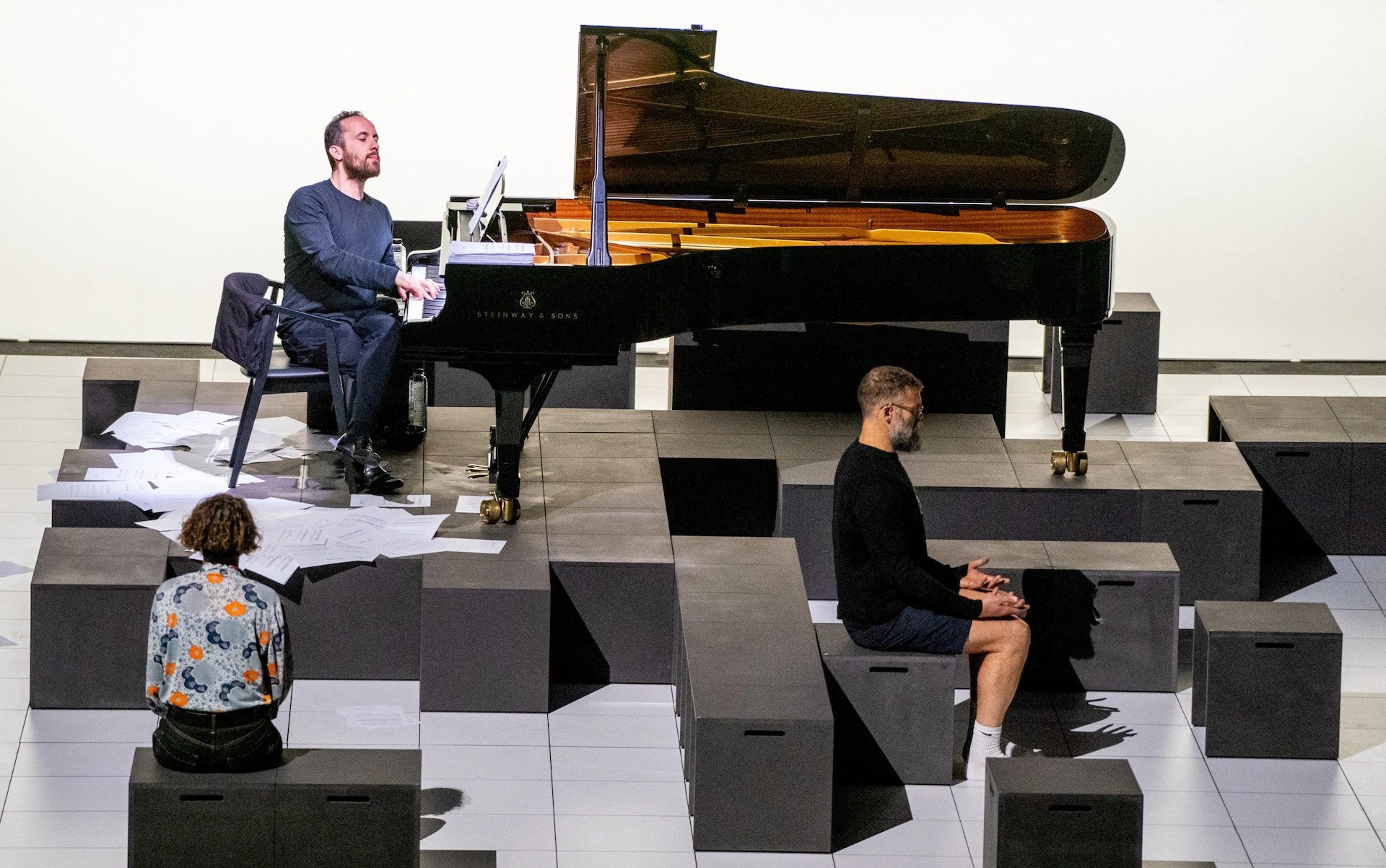
Igor Levit gave pianophiles a rare musical treat at the Southbank Centre in April 2025, leaving the hardy spectators in the audience mentally exhausted after 840 repeats of this one-page bagatelle. He took four or five short “loo breaks”, but kept himself going onstage with bottled water and a bowl of grapes. (He had previously livestreamed the work from the B-sharp studio in Berlin during the Covid-19 pandemic in 2020 in what he described as “a silent scream” to highlight the plight of artists hit by lockdowns.)
Igor Levit performingVexations during the Covid pandemic in 2020
Levit kept his bearings during his Southbank centre performance by showing up with a bundle of photocopies of the score, discarding one at a time as he plowed through the piece. By the end, the stage floor was covered with 840 scattered copies.
Igor Levit performing Vexations at the Southbank Centre Credit: Pete Woodhead
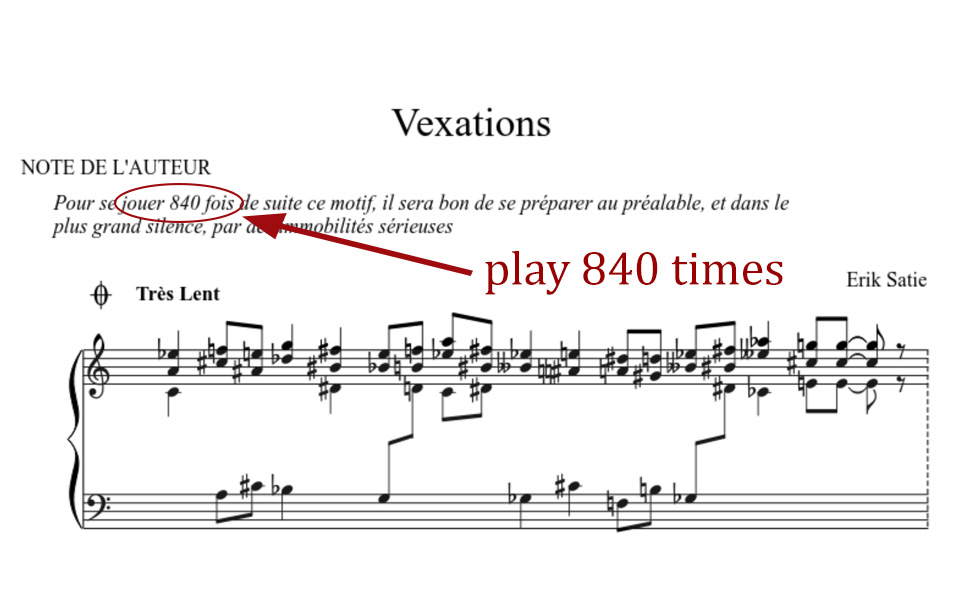
Here is the haunting melody Satie created :
Wrote one spectator: “ I was at Queen Elizabeth Hall just to witness his performance. It was so, so, so intense!”
A couple of years earlier, the young Italian pianist Alessandro Deljavan had sat in the studios of record company OnClassical in Pove del Grappa, filling 12 CDs in 14 hours 28 minutes. He recalled the “intense experience” for me recently. “I felt almost possessed. My mind drifted between shadowy, undefined figures and total emptiness.”
Other pianists also remember hallucinating, and one reported seeing what looked like “animals and things” peering at him between the notes on the sheet music.
One commentator on YouTube ended up deeply conflicted: “This is actually an empty song. Nothing makes sense … Illogical. Sad. Devoid of feeling. I loved it.”
An English critic found the best poetic language. It is a piece of “meandering melancholy,” he wrote. Others report a “spiritual transcendence” evolving from the strange world Satie had created.
OnClassical founder and pianist Alessandro Simonetto is in the process of completing the most extensive project ever devoted to Satie’s complete piano works. Progressively appearing online, he says, it has already reached 30 million streams on Spotify.
Simonetto, a Satie enthusiast of note, calls Vexations “arguably the most extreme and elusive work in the entire history of music”. Living and working out of Pove del Grappa in the province of Vicence, he may eventually bring out a boxed set covering Satie’s complete piano works including at least the one page sample of Vexations. At the moment the project exists only digitally.
Simonetto presided at the marathon recording session with Deljavan, recalling for me that the experience was like an Edgar Allen Poe horror story, with the“ceiling slowly lowering on the pianist’s head”.
Yet the unlikely attraction of this longest piece in piano history refuses to die. More than 20 CDs have appeared in the past few years offering Vexations in part or in full, straight or modified versions. Two prominent French pianists, Jean Marc Luisada and Jean Yves Thibaudet have performed the piece, with all repeats.
Most reviewers have judged the full Vexations experience an endurance test, a prank or a stunt that Satie just tossed off without a second thought. He was known in the creative ferment in 1020s Paris for his musical jokes. He seems to have slid it into a drawer and never heard it played.
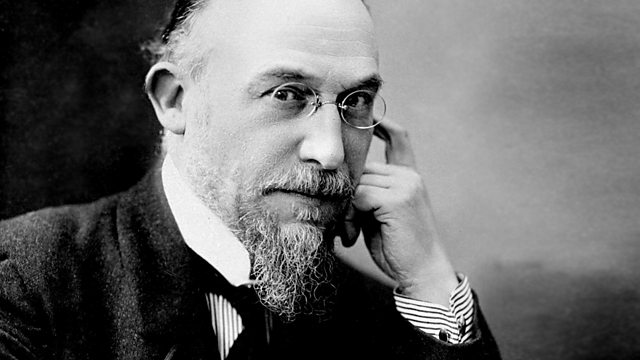
Erik Satie
It’s the mental strain of non-stop repetition that leaves today’s pianists limp as a wet rag, except for Deljavan and the remarkable Levit. Indeed, Satie advised all pianists who try the full version to devote 20 minutes of silent meditation before starting. This became a feature of many modern performances.
But about 40 years ago English pianist Peter Evans played Vexations non-stop for 15 hours, suddenly quitting at repeat No. 593, and hurriedly left the stage without explanation. He later wrote that “people who play it do so at their own great peril”. The performance was completed by another English pianist, Linda Wilson. She later wrote that with each iteration Evans felt his “mind wearing away”. Observers wrote that when he left the stage he was “in a daze”. He recalled that his mind was filling with “evil thoughts”.
A notorious and frustrating episode occurred at Leeds College of Music in 1971 when another team of pianists managed to keep going for 16 hours and 30 minutes, ending at midnight only because school regulations closed the building. One of the team players, Barbara Winrow, explained to a journalist the “real sense of frustration which we felt, and the players’ remarkable reluctance to stop” before they reached the 840 mandated repeats.
A memorable milestone was reached in 1974 in Budapest when a team of pianists played in rotation for 23 hours. The team included at least two young players who went on prominent careers and are still performing today, Zoltan Kocsis and Andras Schiff.
Tracing the chequered past of this work is a major detective job. Musicologists return to the mysterious origins periodically. The manuscript was not played in full until more than 20 years after his death. Who acquired it, when, where, how or why did it change hands? Lawyers today call it a task of establishing the “chain of provenance”.
After gathering dust for years, it came back to life in the hands of John Cage who rescued it and encouraged others to participate in rotations. He first published the one-page treatment in the magazine Contrepoints in 1949. He was the first to interpret Satie’s written instructions as meaning the 840 repeats must be played without interruption – either solo or in rotating teams of pianists.
Cage organized the first public performance of the full version with more than a dozen pianists in rotation. His spectacle in 1963 in New York put his team through 18 hours and 40 minutes of continuous repetition.
John Cage
But can it be played from memory? A vide on clip on Youtube shows Cage declaring that he was never able to memorize it. Other pianists have found it so contrary to accepted compositional norms that they could not absorb it either.
The late English music scholar Richard Toop performed the piece in its entirety several times but took care to approach each run-through with a fresh eye. But he too had a memory block. “Even after a performance,” he wrote, “I was unable to play more than a few beats from memory.”
Tracing the people who had possession of the original score, passing it from hand to hand, is impossible today due to the passage of time and the individuals involved. It is said to be with the Satie Archives in Honfleur, in the Calvados Department three hours northwest of Paris.
Moroccan pianist Aïda Lahlou makes an exciting and noteworthy recording début with Mirrors and Echoes, released by Resonus Classics on 19 September 2025.
Supported by Les Amis de Maurice Ravel, the album offers a vivid reimagining of Miroirs, placing it in dialogue with lesser-known piano miniatures from across the world to reveal surprising resonances and intertextual connections.
“Whether through spiritual texts, folkloric archetypes, or meditations on nature, each work in the album offers a moment of contemplation and self exploration.” Lahlou says. Drawing on Ravel’s own writing on Miroirs, she adds: “Ravel believed that music should act as a mirror, reflecting back the listener’s own interiority. This album seeks to transport the listener into that reflective space.”
Lahlou’s sensitive interpretation guides us through shifting sonic landscapes and themes of nature, spirituality, memory and transformation. The listening experience is not unlike a musical treasure hunt: Lahlou interweaves Ravel’s visionary five-movement cycle with rare piano miniatures from five continents—some rescued from obscurity, others newly arranged for this recording, like a Brahms motet or a 14th-century Andalucian song, each handpicked for its unexpected kinship with Ravel’s sonic world and its ability to evoke a sense of wonder.
“My hope is that the album’s themes – nature, spirituality, and cross-cultural resonance – can inspire renewed awe for life and the richness of our world, especially at a time when it faces such urgent threats from war, pollution, and climate change.” (Aïda Lahlou)
Born in Casablanca and trained across Europe, Aïda Lahlou brings a multicultural lens to classical repertoire that feels both scholarly and deeply intuitive. The brilliant storytelling, weaving together works by Spendiaryan, Stevenson, Tansman, Garayev, Lecuona, and others, alongside arrangements of Brahms, Siloti and traditional melodies, culminates in a programme that is both exploratory and deeply personal. The result is a compelling artistic statement from a distinctive new voice in classical piano.
Mirrors & Echoes is released on CD and streaming on the Resonus Classics label.
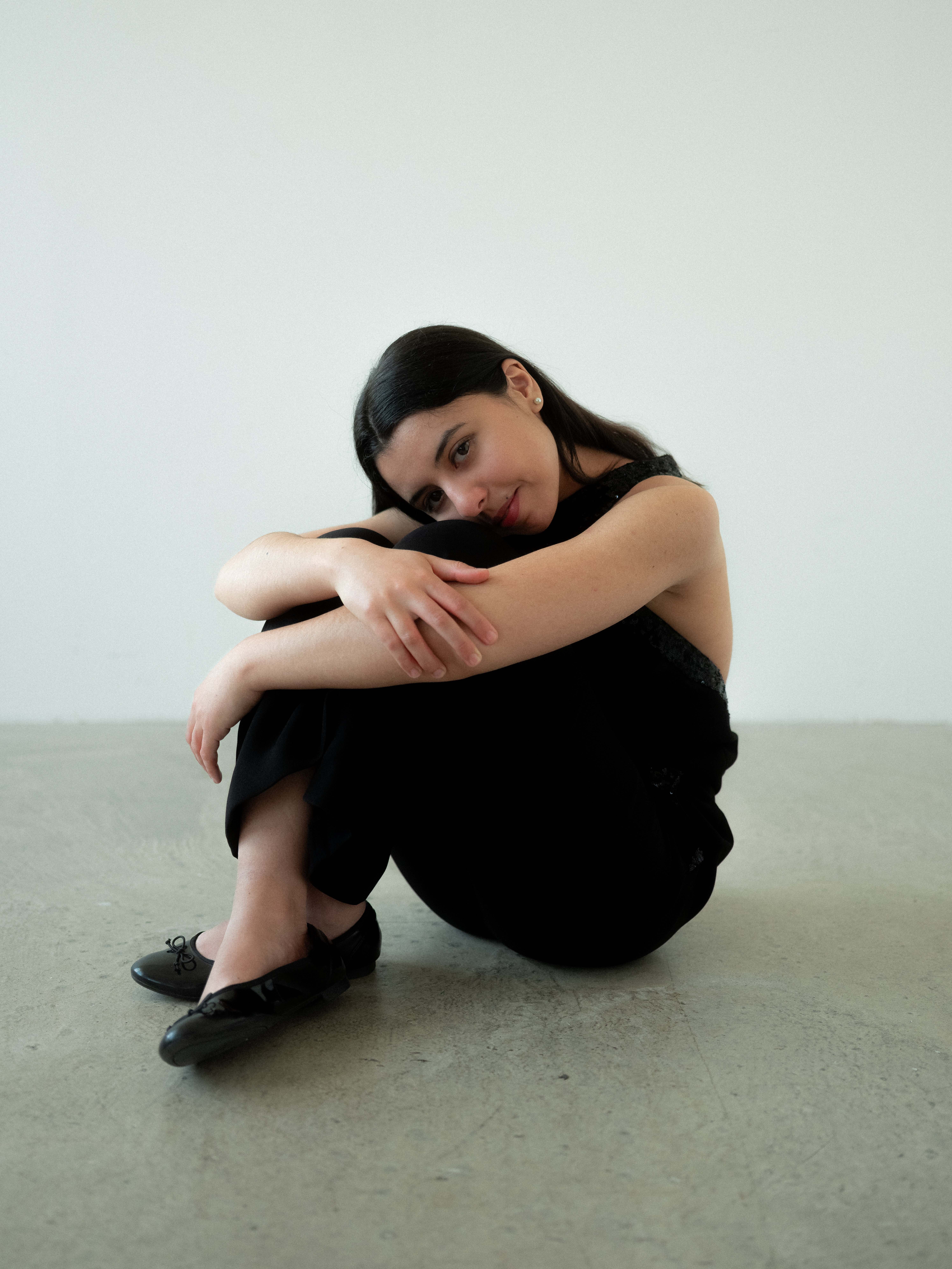
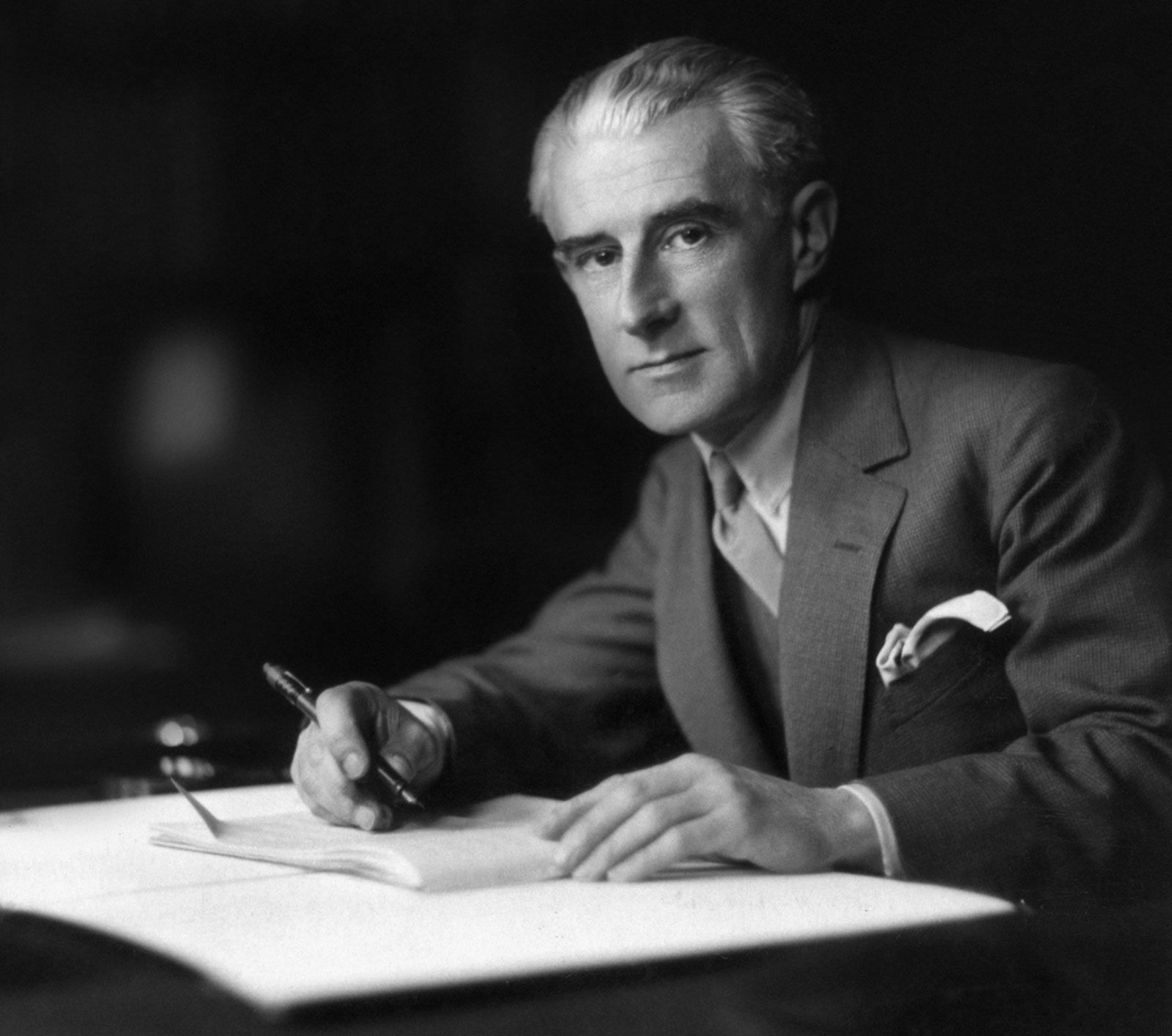
Aïda Lahlou (photo by Ben Reason)Maurice Ravel
Source: press release
About Aïda Lahlou
Born in Casablanca, pianist Aïda Lahlou began studying piano at the age of five with Yana Kaminska, and won her first international competition at eight. She later studied with Nicole Salmon-Boyer (École Normale Alfred Cortot) before receiving a scholarship to attend the prestigious Yehudi Menuhin School in Surrey. After reading Music at St John’s College, Cambridge, she continued her musical studies at the Guildhall School of Music and Drama, studying with Ronan O’Hora and Peter Bithell, and earning a Distinction in Piano Performance (MPerf).
Aïda has performed internationally from a young age, with appearances in venues including Wigmore Hall (London), BOZAR (Brussels), Théâtre National Mohamed V (Rabat), and the Hall of Organ and Chamber Music (Baku). She has performed as soloist with the Orchestre Symphonique Royal, becoming the youngest pianist to do so at the age of twenty, and has performed alongside artists such as Vadim Repin, Roby Lakatos, and Alina Ibragimova.
She has received over 20 national and international awards, most recently the Philip Crawshaw Prize at the Royal Overseas League Music Competition. A passionate educator and communicator, she also directs opera, volunteers with environmental groups, and created an award-winning one-woman show blending classical piano with stand-up comedy.
Praise for Aïda Lahlou
“Aïda Lahlou is a pianist of imagination and poetry, not shy of exploring sonority, colour, or inner voicings.” — The Classical Source
“Vivacious playing.” — Gramophone
“Aida…played with a poetic sensibility of refined beauty and a sense of style and musical intelligence of aristocratic authority.” — Christopher Axworthy
The Cross-Eyed Pianist is free to access and ad-free, and takes many hours every month to research, write, and maintain.
If you find joy and value in what I do, please consider making a donation to support the continuance of the site






 The Cross-Eyed Pianist