
Guest post by Thomas Taaffe
Buying a piano has never been a simple decision, but in recent years it has become noticeably more nuanced. Through running an online piano marketplace and directory, I’ve had the opportunity to observe hundreds of enquiries from buyers across the UK, from complete beginners to experienced pianists returning to the instrument.
What stands out is not just what people are buying, but how they are approaching the process. The priorities have shifted in subtle but important ways.
One of the most consistent themes is a growing desire for reassurance. Buyers are more cautious than they once were, particularly when navigating online listings. Questions around condition, history, and authenticity come up time and again. People want to know not only what a piano is, but where it has been, how it has been maintained, whether it has been restored, and who is standing behind the sale.
This has naturally led to increased interest in trusted sellers and verified businesses. While private sales still play an important role, there is a clear preference emerging for some level of accountability. Buyers are often willing to travel further, or spend slightly more, if it means dealing with someone they feel they can rely on.
At the same time, there is a noticeable return to acoustic instruments. While digital pianos remain popular for certain situations, many families and students are actively seeking out upright or grand pianos for the long term. This is particularly evident among parents of younger students, often guided by teachers who recognise the musical and technical benefits of an acoustic instrument early on.
In fact, a significant proportion of enquiries are for well-maintained second-hand instruments. Buyers are increasingly aware that a carefully selected used piano can offer exceptional value, provided it has been properly prepared and supported. Many begin their search by browsing a wide range of pianos for sale in the UK (https://pianosphere.com/ads/), comparing options across different sellers before making contact. This is where clear information and transparency become even more important.
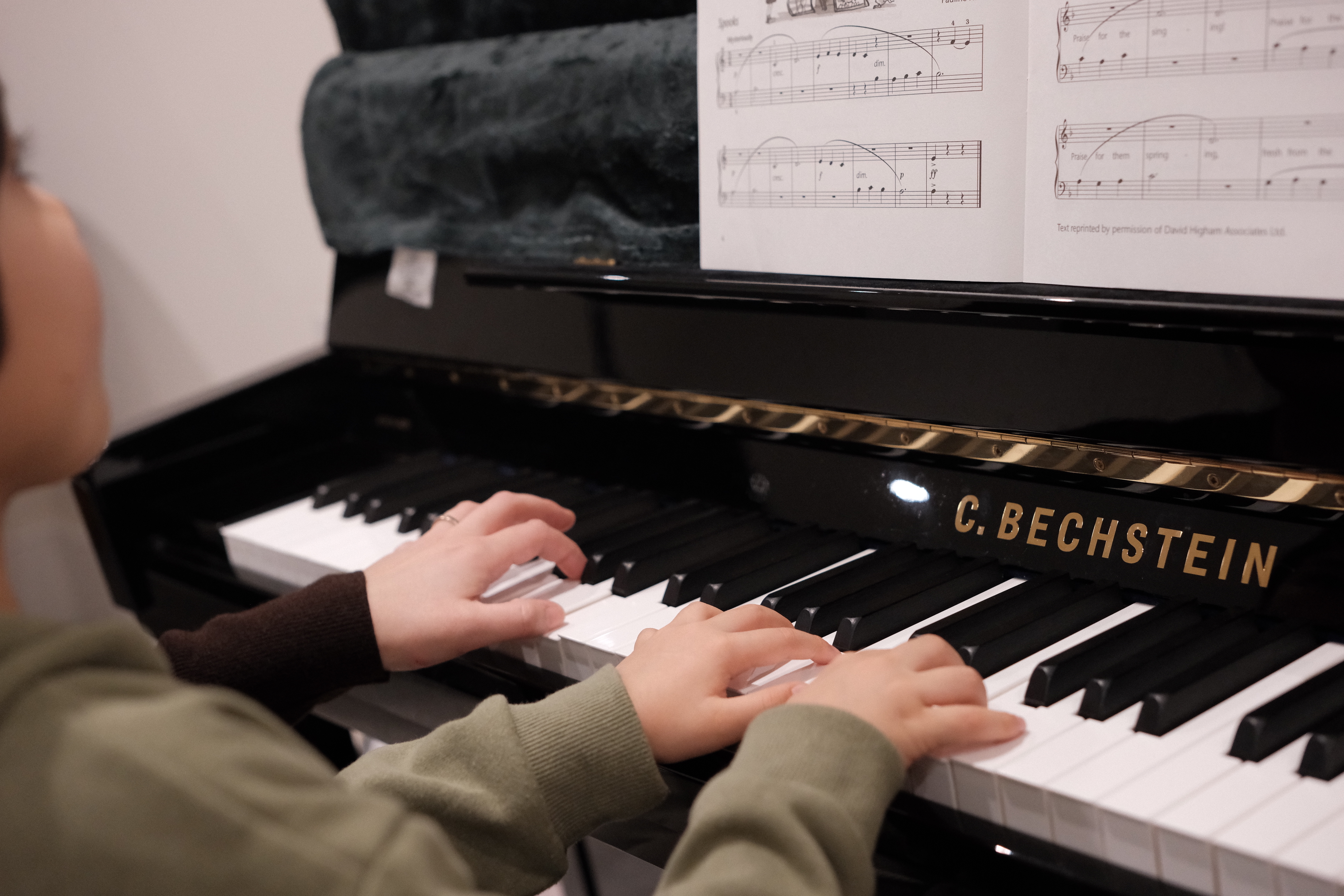
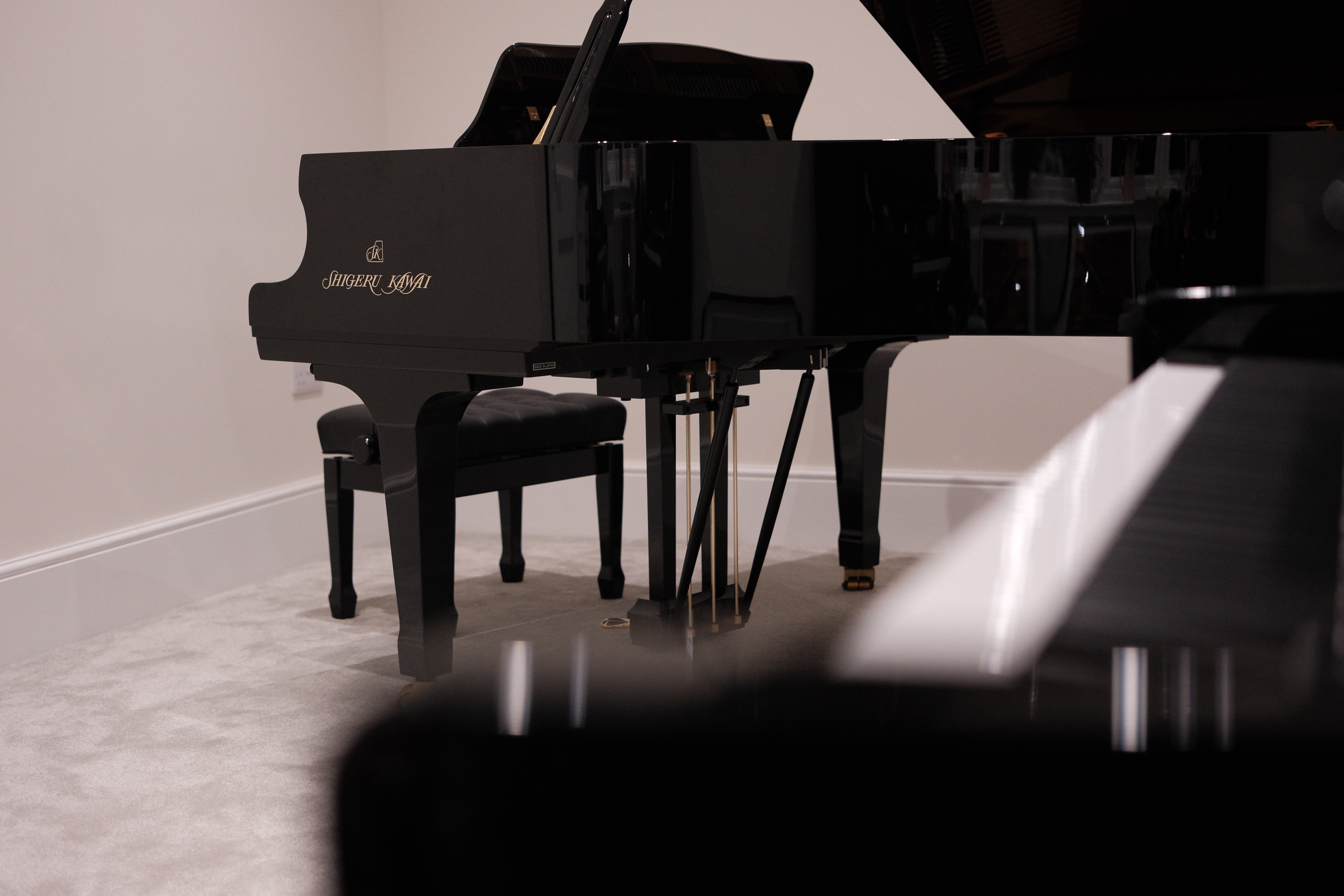
Another shift is the level of research buyers are doing before making contact. Many arrive with a strong understanding of brands, models, and pricing. It’s not uncommon for someone to enquire about a specific Yamaha or Kawai model, already having compared multiple options. However, despite this preparation, there is still a need for guidance, particularly when it comes to interpreting condition, tone, and long-term suitability.
For teachers, this presents both an opportunity and a challenge. Students and parents are more informed, but also more exposed to conflicting information. Helping them navigate those decisions, especially when buying remotely, has become an increasingly important part of the teaching role.
Location and logistics also play a bigger role than they once did. Delivery, access, and aftercare are frequently discussed at an earlier stage in the process. Buyers are not just purchasing an instrument, but thinking about how it fits into their home and daily life. Practical considerations, such as space and placement, often influence the final decision just as much as musical ones.
What all of this points to is a more considered and deliberate approach to buying a piano. The impulse purchase has largely disappeared. In its place is a slower, more thoughtful process. One that places equal weight on trust, information, and long-term value.
Platforms such as PianoSphere (https://pianosphere.com/) have emerged in response to this shift, aiming to bring together buyers, sellers, and piano professionals in one place. The goal is not to replace traditional routes, but to support them — offering a clearer, more connected way to navigate what has always been a complex purchase.
For those advising students or considering a purchase themselves, the key takeaway is this: today’s buyers are not just looking for a piano. They are looking for confidence in their decision.
And perhaps that is no bad thing.
Thomas Taaffe is the founder of PianoSphere, a UK-based piano marketplace connecting buyers with trusted sellers and piano professionals across the UK. He is a classically trained pianist and a graduate of the Royal Birmingham Conservatoire.
Discover more from The Cross-Eyed Pianist
Subscribe to get the latest posts sent to your email.




 The Cross-Eyed Pianist